Cambridge Nursing Home

At a Glance
The information you need to decide whether this home warrants a closer look.
Nursing homes
Staff warmth score
of reviewers answered yes
Good to know
- Registered beds49
- SpecialismsCaring for adults over 65 yrs, Caring for adults under 65 yrs, Dementia, Physical disabilities
- Last inspected2019-10-05
Save Cambridge Nursing Home to your shortlist
Keep a running list, add visit notes, and compare homes side-by-side. Free account — it takes a minute.
STAGE 4 — RESEARCHING CARE HOMES
Visit homes. Compare them side by side. Choose with confidence.
Most of us will view care homes the way we view houses, impression, atmosphere, the feeling in the corridor. We go home, try to remember what we saw, and make a permanent decision from a blurred memory.

The DCC shortlist gives every home you visit a structured record: the same twelve questions, answered the same way, every time. When you’re ready to choose, pull any two homes side by side and compare them directly. Same criteria, same evidence, your notes and your scores.
The Evidence
What the review data, the inspection reports, and the dementia-care evidence base tell us about this home.
What families say
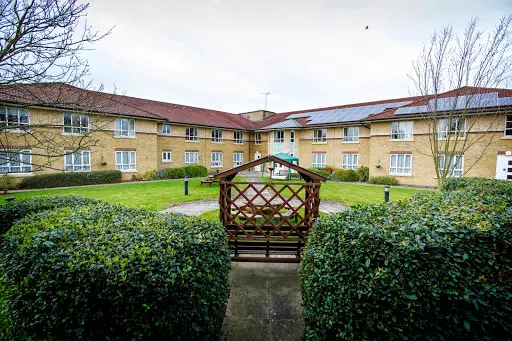
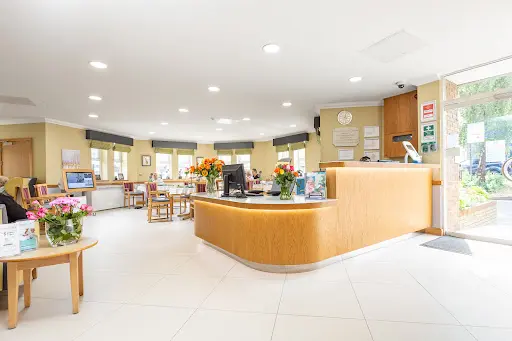
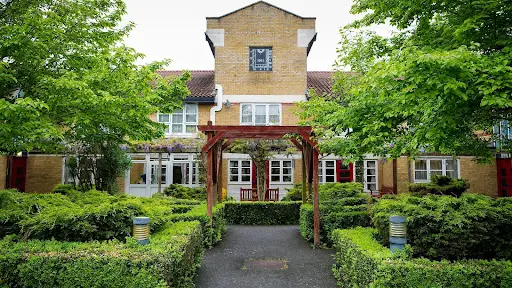
Visitors often mention how different the atmosphere feels from what they expected. The home stays fresh and clean without that institutional feel, creating spaces where residents can still feel at home. Families appreciate being able to visit freely and stay involved in their loved one's care.
The eight family priority themes
- Staff warmth55
- Compassion & dignity60
- Cleanliness50
- Activities & engagement50
- Food quality50
- Healthcare50
- Management & leadership65
- Resident happiness55
What inspectors found
Inspected 2019-10-05
Is this home safe?
Is the care effective?
Effective practice was rated Good at the February 2022 inspection. This domain covers training, care planning, healthcare access, and nutritional care. The published report does not provide specific examples of what inspectors found to support this rating. The home lists dementia as a specialism alongside physical disabilities, caring for adults over and under 65, and nursing care, which means staff are expected to work across a range of complex needs.Is this home caring?
Caring was rated Good at the February 2022 inspection. This domain covers staff warmth, dignity, respect, and whether people are supported to maintain their independence. The published report does not include any inspector observations of staff interactions, resident quotes, or descriptions of how dignity is protected in practice. Without that detail, the Good rating must be taken at face value.Is the home responsive?
Responsive was rated Good at the February 2022 inspection. This domain covers whether the home tailors its care and activities to individuals, responds to complaints, and plans for end of life. The home caters for a wide range of needs including dementia and physical disabilities across both younger and older adults. The published report does not describe what activities are available, whether one-to-one engagement is offered, or how individual preferences are recorded and acted on.Is the home well-led?
Well-led was rated Good at the February 2022 inspection, an improvement on the previous rating of Requires Improvement. The report identifies a registered manager and a nominated individual by name. The home is run by Cambridge Nursing Home Ltd. No specific detail is provided about the management culture, staff morale, governance systems, or how the leadership team responds to concerns from residents or families.
Source: CQC inspection report →
What the evidence base says
The team supports younger adults under 65 alongside older residents, with particular experience in dementia care and physical disabilities. They understand that every person's needs are different, whether someone's dealing with memory loss or mobility challenges. For residents living with dementia, the staff bring patience and understanding to daily care. Families describe seeing their loved ones treated with genuine dignity, even as the condition progresses. All areas worth probing directly during a visit.
The DCC Verdict
Our editorial view, built from the three lenses: what families tell us, what inspectors record, and how the home sits against good dementia-care practice.
DCC Family Score
Cambridge Nursing Home scores 62 out of 100. Four domains were rated Good at the last inspection, but the Safety rating of Requires Improvement pulls the overall picture down, and the published report contains very little specific detail to give families confidence in day-to-day care.
Homes in London typically score 68–82.The three-lens summary
What families tell us
Visitors often mention how different the atmosphere feels from what they expected. The home stays fresh and clean without that institutional feel, creating spaces where residents can still feel at home. Families appreciate being able to visit freely and stay involved in their loved one's care.
What inspectors have recorded
The manager here takes a hands-on approach, actively seeking feedback and making practical changes based on what families tell them. Staff show real compassion, particularly during those hardest times — several families have shared how much the gentle, attentive care meant when they were losing someone dear.
How it sits against good practice
Sometimes the smallest gestures — a quick response to a concern, a moment of real kindness — make all the difference when you're trusting others with someone you love.
Worth a visit
Cambridge Nursing Home, located in Wanstead, East London, was rated Good overall at its last inspection in February 2022, having improved from a previous rating of Requires Improvement. Four of the five inspection domains, Effective, Caring, Responsive, and Well-led, were rated Good, which is a positive sign of direction of travel. However, the Safety domain was rated Requires Improvement at that same inspection, meaning inspectors found concerns about safety that had not yet been resolved. The most important limitation of this report is that the published text contains almost no specific detail: no inspector observations of staff interactions, no resident or family quotes, no description of the environment, activities, food, or night staffing. That makes it very difficult to give you a rounded picture of what daily life is like here for your parent. Before making a decision, visit the home at a mealtime if you can, ask the manager what specific actions were taken to address the Safety concerns identified in 2022, and request sight of the most recent staffing rota to check permanent-to-agency ratios, particularly on night shifts.
The three questions to ask when you visitSave this home. Compare it against your shortlist.
Let our analysis show you how Cambridge Nursing Home measures up against the other homes you’re considering. Free account.
In Their Own Words
How Cambridge Nursing Home describes itself — collected from its own website. DCC has not edited or independently verified the content in this tab.
Where families find genuine comfort through life's toughest moments
Nursing home in London: True Peace of Mind
When you're searching for the right care, you need somewhere that truly understands what matters. Cambridge Nursing Home in London brings together experienced staff who know how to support people through dementia, physical disabilities, and those difficult final chapters. Families talk about finding real reassurance here — not just in the practical care, but in knowing their loved ones are heard and respected.
Who they care for
The team supports younger adults under 65 alongside older residents, with particular experience in dementia care and physical disabilities. They understand that every person's needs are different, whether someone's dealing with memory loss or mobility challenges.
For residents living with dementia, the staff bring patience and understanding to daily care. Families describe seeing their loved ones treated with genuine dignity, even as the condition progresses.
“Sometimes the smallest gestures — a quick response to a concern, a moment of real kindness — make all the difference when you're trusting others with someone you love.”
DCC does not edit or curate content in this tab. For independently curated information, see The Evidence and DCC Verdict.
The DCC Verdict
Our editorial view, built from the three lenses: what families tell us, what inspectors record, and how the home sits against good dementia-care practice.
DCC Family Score
Cambridge Nursing Home scores 62 out of 100. Four domains were rated Good at the last inspection, but the Safety rating of Requires Improvement pulls the overall picture down, and the published report contains very little specific detail to give families confidence in day-to-day care.
Homes in London typically score 68–82.The three-lens summary
What families tell us
Visitors often mention how different the atmosphere feels from what they expected. The home stays fresh and clean without that institutional feel, creating spaces where residents can still feel at home. Families appreciate being able to visit freely and stay involved in their loved one's care.
What inspectors have recorded
The manager here takes a hands-on approach, actively seeking feedback and making practical changes based on what families tell them. Staff show real compassion, particularly during those hardest times — several families have shared how much the gentle, attentive care meant when they were losing someone dear.
How it sits against good practice
Sometimes the smallest gestures — a quick response to a concern, a moment of real kindness — make all the difference when you're trusting others with someone you love.
Worth a visit
Cambridge Nursing Home, located in Wanstead, East London, was rated Good overall at its last inspection in February 2022, having improved from a previous rating of Requires Improvement. Four of the five inspection domains, Effective, Caring, Responsive, and Well-led, were rated Good, which is a positive sign of direction of travel. However, the Safety domain was rated Requires Improvement at that same inspection, meaning inspectors found concerns about safety that had not yet been resolved. The most important limitation of this report is that the published text contains almost no specific detail: no inspector observations of staff interactions, no resident or family quotes, no description of the environment, activities, food, or night staffing. That makes it very difficult to give you a rounded picture of what daily life is like here for your parent. Before making a decision, visit the home at a mealtime if you can, ask the manager what specific actions were taken to address the Safety concerns identified in 2022, and request sight of the most recent staffing rota to check permanent-to-agency ratios, particularly on night shifts.
The three questions to ask when you visitSave this home. Compare it against your shortlist.
Let our analysis show you how Cambridge Nursing Home measures up against the other homes you’re considering. Free account.
In Their Own Words
How Cambridge Nursing Home describes itself — collected from its own website. DCC has not edited or independently verified the content in this tab.
Where families find genuine comfort through life's toughest moments
Nursing home in London: True Peace of Mind
When you're searching for the right care, you need somewhere that truly understands what matters. Cambridge Nursing Home in London brings together experienced staff who know how to support people through dementia, physical disabilities, and those difficult final chapters. Families talk about finding real reassurance here — not just in the practical care, but in knowing their loved ones are heard and respected.
Who they care for
The team supports younger adults under 65 alongside older residents, with particular experience in dementia care and physical disabilities. They understand that every person's needs are different, whether someone's dealing with memory loss or mobility challenges.
For residents living with dementia, the staff bring patience and understanding to daily care. Families describe seeing their loved ones treated with genuine dignity, even as the condition progresses.
Management & ethos
The manager here takes a hands-on approach, actively seeking feedback and making practical changes based on what families tell them. Staff show real compassion, particularly during those hardest times — several families have shared how much the gentle, attentive care meant when they were losing someone dear.
“Sometimes the smallest gestures — a quick response to a concern, a moment of real kindness — make all the difference when you're trusting others with someone you love.”
DCC does not edit or curate content in this tab. For independently curated information, see The Evidence and DCC Verdict.