Brownscombe Care Residency

At a Glance
The information you need to decide whether this home warrants a closer look.
Nursing homes
Staff warmth score
of reviewers answered yes
Good to know
- Registered beds55
- SpecialismsCaring for adults over 65 yrs, Caring for adults under 65 yrs, Dementia, Physical disabilities, Sensory impairment
- Last inspected2023-07-08
Save Brownscombe Care Residency to your shortlist
Keep a running list, add visit notes, and compare homes side-by-side. Free account — it takes a minute.
STAGE 4 — RESEARCHING CARE HOMES
Visit homes. Compare them side by side. Choose with confidence.
Most of us will view care homes the way we view houses, impression, atmosphere, the feeling in the corridor. We go home, try to remember what we saw, and make a permanent decision from a blurred memory.

The DCC shortlist gives every home you visit a structured record: the same twelve questions, answered the same way, every time. When you’re ready to choose, pull any two homes side by side and compare them directly. Same criteria, same evidence, your notes and your scores.
The Evidence
What the review data, the inspection reports, and the dementia-care evidence base tell us about this home.
What families say
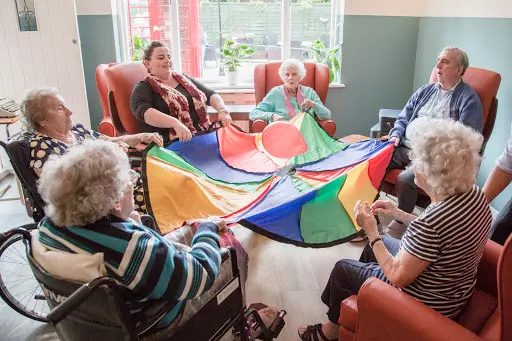
Families describe a place where staff take time to chat with residents, learning about their past interests and weaving these into daily life. There's a real sense of patience here — staff who sit and listen, who remember what makes each person smile. The activities programme runs throughout the week with chair yoga, arts sessions and seasonal celebrations, but nothing's forced. People join in when they want to, at their own pace.
The eight family priority themes
- Staff warmth72
- Compassion & dignity72
- Cleanliness72
- Activities & engagement65
- Food quality65
- Healthcare70
- Management & leadership70
- Resident happiness70
What inspectors found
Inspected 2023-07-08
Is this home safe?
Is the care effective?
The home was rated Good for effectiveness at the April 2023 inspection. It is registered for nursing care, dementia, physical disabilities, and sensory impairments, which is a broad range of needs requiring varied expertise. The published inspection text does not describe care plan quality, dementia training content, GP access arrangements, or how food and nutrition are managed. No concerns were raised in this domain.Is this home caring?
The home was rated Good for caring at the April 2023 inspection. This domain covers staff warmth, dignity, respect, and how independently residents are supported to live. The published inspection text does not include specific observations of staff interactions, resident testimony about feeling cared for, or descriptions of how dignity is maintained during personal care. No concerns were identified in this domain.Is the home responsive?
The home was rated Good for responsiveness at the April 2023 inspection. This domain covers whether care is tailored to individuals, whether activities are meaningful and varied, and whether the home responds to complaints and changing needs. The published inspection text does not describe the activities programme, individual engagement for people living with advanced dementia, or how the home handles complaints. No concerns were raised.Is the home well-led?
The home was rated Good for well-led at the April 2023 inspection. A registered manager, Mrs Ana Maria Mitu, is confirmed in post. The home is owned by Mr Liakatali Hasham and Mrs Ana Maria Mitu. The published inspection text does not describe the management culture, whether staff feel able to speak up, how governance and auditing work, or whether the manager is visible and known to residents and families. No concerns were identified in this domain.
Source: CQC inspection report →
What the evidence base says
The home cares for adults with physical disabilities, sensory impairments and dementia, accepting residents from young adulthood onwards. Staff have specific training in dementia care, and residents can stay at Brownscombe if this develops later. What stands out is the continuity — residents don't need to move if dementia develops, because the team already has the training and understanding to adapt their support. Activities and daily routines flex around what each person can manage, keeping connections alive even as abilities change. All areas worth probing directly during a visit.
The DCC Verdict
Our editorial view, built from the three lenses: what families tell us, what inspectors record, and how the home sits against good dementia-care practice.
DCC Family Score
Brownscombe Residency received a Good rating across all five inspection domains in April 2023, which is a solid and stable result. However, the published inspection text provides limited specific detail, so many scores reflect positive but general findings rather than rich, observable evidence.
Homes in South East typically score 68–82.The three-lens summary
What families tell us
Families describe a place where staff take time to chat with residents, learning about their past interests and weaving these into daily life. There's a real sense of patience here — staff who sit and listen, who remember what makes each person smile. The activities programme runs throughout the week with chair yoga, arts sessions and seasonal celebrations, but nothing's forced. People join in when they want to, at their own pace.
What inspectors have recorded
The manager stays visible and approachable, making time to talk with families about their loved one's care. When difficult times come, particularly at end of life, families find themselves supported with flexibility around visiting and genuine emotional care. Though a couple of families have mentioned times when staff were harder to find during visits, the overall picture is one of attentiveness and professional warmth.
How it sits against good practice
For families facing these difficult decisions, knowing there's somewhere that combines professional expertise with genuine human connection makes all the difference.
Worth a visit
Brownscombe Residency, on Hindhead Road in Haslemere, was rated Good across all five inspection domains following an inspection in April 2023. The home provides nursing and personal care for up to 55 people, including those living with dementia, physical disabilities, and sensory impairments. A Good rating across every domain is a genuinely positive outcome and suggests inspectors found no significant concerns in safety, staffing, care quality, or leadership. The registered manager is named and confirmed in post, which is an important baseline for stability. The main limitation of this report is that the published inspection text is very brief, providing a rating but almost no descriptive detail. This means it is not possible to tell you specifically what inspectors saw, what residents said, or what the home does well in practice. Before making a decision, visit the home in person, ideally at a mealtime. Ask the manager to show you last week's actual staffing rota (including nights), ask what dementia training staff have completed in the past 12 months, and observe whether staff use your parent's preferred name and move at an unhurried pace. The Good rating is reassuring, but your own visit observations are essential here.
The three questions to ask when you visitSave this home. Compare it against your shortlist.
Let our analysis show you how Brownscombe Care Residency measures up against the other homes you’re considering. Free account.
In Their Own Words
How Brownscombe Care Residency describes itself — collected from its own website. DCC has not edited or independently verified the content in this tab.
Where residents stay connected through meaningful days and genuine warmth
Dedicated nursing home Support in Haslemere
Finding the right place for someone who needs specialist support can feel overwhelming, especially when you're looking for somewhere that truly understands different needs. Brownscombe Residency in Haslemere offers care for people with dementia, physical disabilities and sensory impairments, with the flexibility to support residents as their needs change over time. The home welcomes both younger adults and those over 65, creating a community where everyone's individual story matters.
Who they care for
The home cares for adults with physical disabilities, sensory impairments and dementia, accepting residents from young adulthood onwards. Staff have specific training in dementia care, and residents can stay at Brownscombe if this develops later.
What stands out is the continuity — residents don't need to move if dementia develops, because the team already has the training and understanding to adapt their support. Activities and daily routines flex around what each person can manage, keeping connections alive even as abilities change.
“For families facing these difficult decisions, knowing there's somewhere that combines professional expertise with genuine human connection makes all the difference.”
DCC does not edit or curate content in this tab. For independently curated information, see The Evidence and DCC Verdict.
The DCC Verdict
Our editorial view, built from the three lenses: what families tell us, what inspectors record, and how the home sits against good dementia-care practice.
DCC Family Score
Brownscombe Residency received a Good rating across all five inspection domains in April 2023, which is a solid and stable result. However, the published inspection text provides limited specific detail, so many scores reflect positive but general findings rather than rich, observable evidence.
Homes in South East typically score 68–82.The three-lens summary
What families tell us
Families describe a place where staff take time to chat with residents, learning about their past interests and weaving these into daily life. There's a real sense of patience here — staff who sit and listen, who remember what makes each person smile. The activities programme runs throughout the week with chair yoga, arts sessions and seasonal celebrations, but nothing's forced. People join in when they want to, at their own pace.
What inspectors have recorded
The manager stays visible and approachable, making time to talk with families about their loved one's care. When difficult times come, particularly at end of life, families find themselves supported with flexibility around visiting and genuine emotional care. Though a couple of families have mentioned times when staff were harder to find during visits, the overall picture is one of attentiveness and professional warmth.
How it sits against good practice
For families facing these difficult decisions, knowing there's somewhere that combines professional expertise with genuine human connection makes all the difference.
Worth a visit
Brownscombe Residency, on Hindhead Road in Haslemere, was rated Good across all five inspection domains following an inspection in April 2023. The home provides nursing and personal care for up to 55 people, including those living with dementia, physical disabilities, and sensory impairments. A Good rating across every domain is a genuinely positive outcome and suggests inspectors found no significant concerns in safety, staffing, care quality, or leadership. The registered manager is named and confirmed in post, which is an important baseline for stability. The main limitation of this report is that the published inspection text is very brief, providing a rating but almost no descriptive detail. This means it is not possible to tell you specifically what inspectors saw, what residents said, or what the home does well in practice. Before making a decision, visit the home in person, ideally at a mealtime. Ask the manager to show you last week's actual staffing rota (including nights), ask what dementia training staff have completed in the past 12 months, and observe whether staff use your parent's preferred name and move at an unhurried pace. The Good rating is reassuring, but your own visit observations are essential here.
The three questions to ask when you visitSave this home. Compare it against your shortlist.
Let our analysis show you how Brownscombe Care Residency measures up against the other homes you’re considering. Free account.
In Their Own Words
How Brownscombe Care Residency describes itself — collected from its own website. DCC has not edited or independently verified the content in this tab.
Where residents stay connected through meaningful days and genuine warmth
Dedicated nursing home Support in Haslemere
Finding the right place for someone who needs specialist support can feel overwhelming, especially when you're looking for somewhere that truly understands different needs. Brownscombe Residency in Haslemere offers care for people with dementia, physical disabilities and sensory impairments, with the flexibility to support residents as their needs change over time. The home welcomes both younger adults and those over 65, creating a community where everyone's individual story matters.
Who they care for
The home cares for adults with physical disabilities, sensory impairments and dementia, accepting residents from young adulthood onwards. Staff have specific training in dementia care, and residents can stay at Brownscombe if this develops later.
What stands out is the continuity — residents don't need to move if dementia develops, because the team already has the training and understanding to adapt their support. Activities and daily routines flex around what each person can manage, keeping connections alive even as abilities change.
Management & ethos
The manager stays visible and approachable, making time to talk with families about their loved one's care. When difficult times come, particularly at end of life, families find themselves supported with flexibility around visiting and genuine emotional care. Though a couple of families have mentioned times when staff were harder to find during visits, the overall picture is one of attentiveness and professional warmth.
The home & environment
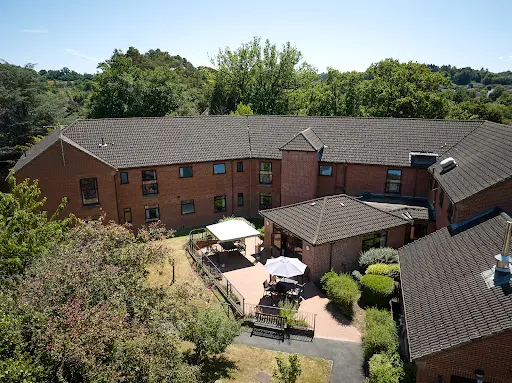
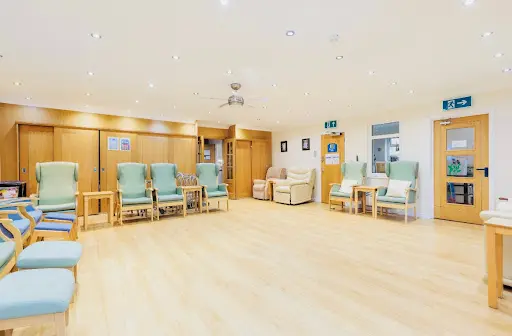
The home feels bright and modern, with en-suite wet rooms in every bedroom and well-maintained grounds where residents can watch the birds at thoughtfully placed feeders. Meals arrive hot and appetising, with proper variety on the menus. Families mention how clean everything is kept, from the communal areas to individual rooms.
“For families facing these difficult decisions, knowing there's somewhere that combines professional expertise with genuine human connection makes all the difference.”
DCC does not edit or curate content in this tab. For independently curated information, see The Evidence and DCC Verdict.