Brinnington Hall Care Home

At a Glance
The information you need to decide whether this home warrants a closer look.
Residential homes
Staff warmth score
of reviewers answered yes
Good to know
- Registered beds67
- SpecialismsCaring for adults over 65 yrs, Caring for adults under 65 yrs, Dementia, Mental health conditions, Physical disabilities, Sensory impairment
- Last inspected2023-02-04
Save Brinnington Hall Care Home to your shortlist
Keep a running list, add visit notes, and compare homes side-by-side. Free account — it takes a minute.
STAGE 4 — RESEARCHING CARE HOMES
Visit homes. Compare them side by side. Choose with confidence.
Most of us will view care homes the way we view houses, impression, atmosphere, the feeling in the corridor. We go home, try to remember what we saw, and make a permanent decision from a blurred memory.

The DCC shortlist gives every home you visit a structured record: the same twelve questions, answered the same way, every time. When you’re ready to choose, pull any two homes side by side and compare them directly. Same criteria, same evidence, your notes and your scores.
The Evidence
What the review data, the inspection reports, and the dementia-care evidence base tell us about this home.
What families say
Families talk about seeing their relatives genuinely content here, with consistent care that helps maintain those precious family connections. The home runs regular activities that keep residents engaged, and there's a real sense of community involvement that helps people stay connected to the world beyond these walls.
The eight family priority themes
- Staff warmth82
- Compassion & dignity80
- Cleanliness75
- Activities & engagement92
- Food quality72
- Healthcare76
- Management & leadership78
- Resident happiness85
What inspectors found
Inspected 2023-02-04
Is this home safe?
Is the care effective?
The Effective domain was rated Good at the January 2023 inspection. For a home with dementia as a listed specialism, this requires inspectors to have found staff training and competency at an acceptable level, care plans that are used in practice rather than filed away, and adequate access to healthcare professionals including GPs. The published summary does not record specific detail on how often care plans are reviewed or whether families are routinely included in those reviews. Food quality sits within this domain but is not specifically described in the published text.Is this home caring?
The Caring domain was rated Good at the January 2023 inspection. Inspectors assess warmth, dignity, and respect directly during visits, observing staff interactions and speaking with residents and relatives. A Good Caring rating confirms that nothing in those observations or conversations gave cause for concern. The published text does not include specific quotes from residents or relatives recorded during this inspection, and does not describe particular moments of kindness or examples of staff using preferred names or adapting communication for individual residents.Is the home responsive?
The Responsive domain was rated Outstanding at the January 2023 inspection. This is the highest grade available and requires inspectors to find specific, demonstrable evidence of genuinely individualised care, a varied and meaningful activity offer, and responsiveness to individual preferences and changing needs. Outstanding is awarded to fewer than 5% of care homes in England, making this a genuinely significant finding. The published text does not record the specific examples that led inspectors to award Outstanding, but the grade itself is robust evidence that something beyond the ordinary was observed. The home supports people with dementia, mental health conditions, physical disabilities, and sensory impairment, making the individualised approach implied by this rating particularly important.Is the home well-led?
The Well-led domain was rated Good at the January 2023 inspection. The registered manager is Mrs Nichola Jane Worts, with Ms Anna Gretchen Selby named as the nominated individual for the provider, Ideal Carehomes (Number One) Limited. A Good Well-led rating requires inspectors to have found a functioning governance structure, a manager who is visible and known to staff and residents, and systems for learning from incidents and complaints. This home has been inspected six times since registration, and the most recent inspection marked an improvement from Requires Improvement. The published text does not detail manager tenure or the specific governance changes that drove the improvement.
Source: CQC inspection report →
What the evidence base says
Brinnington Hall cares for adults both under and over 65, supporting people with dementia, mental health conditions, physical disabilities and sensory impairments. For residents living with dementia, the home provides specialized support as part of their broader care approach. The mix of structured activities and consistent staffing helps create the routine and familiarity that can make such a difference. All areas worth probing directly during a visit.
The DCC Verdict
Our editorial view, built from the three lenses: what families tell us, what inspectors record, and how the home sits against good dementia-care practice.
DCC Family Score
Brinnington Hall scores well above average, lifted significantly by an Outstanding rating for how it responds to individual needs and keeps people engaged. The remaining domains are all Good, with no areas of concern from the inspection, though detail on some themes is thinner than we would like.
Homes in North West typically score 68–82.The three-lens summary
What families tell us
Families talk about seeing their relatives genuinely content here, with consistent care that helps maintain those precious family connections. The home runs regular activities that keep residents engaged, and there's a real sense of community involvement that helps people stay connected to the world beyond these walls.
What inspectors have recorded
The staff team shows real dedication in their work, with families noticing their caring approach across different shifts. While one family member did raise a concern about seeing staff on phones during a visit, the broader picture shows a team that works hard to support residents. Communication with families helps everyone stay informed about their loved one's care.
How it sits against good practice
If you're considering Brinnington Hall for someone you love, visiting will give you the clearest picture of daily life here.
Worth a visit
Brinnington Hall, on Middlesex Road in Stockport, was rated Good overall at its last inspection in January 2023, with one domain, Responsive, rated Outstanding. This is a meaningful improvement from its previous rating of Requires Improvement, and inspectors found no domains of concern at the time of the visit. The home supports 67 people across a broad range of needs including dementia, mental health conditions, physical disabilities, and sensory impairment, which makes the Outstanding Responsive rating particularly significant: it suggests the team is doing more than the minimum to treat each person as an individual. The main uncertainty here is one of detail rather than concern. The published inspection summary is relatively brief, and specific observations about night staffing numbers, agency staff usage, food quality, and one-to-one engagement for people in later stages of dementia are not recorded. The improvement from Requires Improvement also means this home has recently been through a period of change, which is worth exploring directly with the manager. On a visit, ask to see last week's actual staffing rota (not just the template), ask how the home has changed since the previous lower rating, and spend time in a communal area at a quieter time of day to observe how staff interact with your parent's potential neighbours.
The three questions to ask when you visitSave this home. Compare it against your shortlist.
Let our analysis show you how Brinnington Hall Care Home measures up against the other homes you’re considering. Free account.
In Their Own Words
How Brinnington Hall Care Home describes itself — collected from its own website. DCC has not edited or independently verified the content in this tab.
Where residents find contentment and families find comfort in Stockport
Compassionate Care in Stockport at Brinnington Hall
When your loved one moves into Brinnington Hall in Stockport, you'll notice something reassuring — the way residents settle in and families breathe a bit easier. This care home supports people with various needs, from dementia to physical disabilities, creating a place where different generations come together under one roof.
Who they care for
Brinnington Hall cares for adults both under and over 65, supporting people with dementia, mental health conditions, physical disabilities and sensory impairments.
For residents living with dementia, the home provides specialized support as part of their broader care approach. The mix of structured activities and consistent staffing helps create the routine and familiarity that can make such a difference.
“If you're considering Brinnington Hall for someone you love, visiting will give you the clearest picture of daily life here.”
DCC does not edit or curate content in this tab. For independently curated information, see The Evidence and DCC Verdict.
The DCC Verdict
Our editorial view, built from the three lenses: what families tell us, what inspectors record, and how the home sits against good dementia-care practice.
DCC Family Score
Brinnington Hall scores well above average, lifted significantly by an Outstanding rating for how it responds to individual needs and keeps people engaged. The remaining domains are all Good, with no areas of concern from the inspection, though detail on some themes is thinner than we would like.
Homes in North West typically score 68–82.The three-lens summary
What families tell us
Families talk about seeing their relatives genuinely content here, with consistent care that helps maintain those precious family connections. The home runs regular activities that keep residents engaged, and there's a real sense of community involvement that helps people stay connected to the world beyond these walls.
What inspectors have recorded
The staff team shows real dedication in their work, with families noticing their caring approach across different shifts. While one family member did raise a concern about seeing staff on phones during a visit, the broader picture shows a team that works hard to support residents. Communication with families helps everyone stay informed about their loved one's care.
How it sits against good practice
If you're considering Brinnington Hall for someone you love, visiting will give you the clearest picture of daily life here.
Worth a visit
Brinnington Hall, on Middlesex Road in Stockport, was rated Good overall at its last inspection in January 2023, with one domain, Responsive, rated Outstanding. This is a meaningful improvement from its previous rating of Requires Improvement, and inspectors found no domains of concern at the time of the visit. The home supports 67 people across a broad range of needs including dementia, mental health conditions, physical disabilities, and sensory impairment, which makes the Outstanding Responsive rating particularly significant: it suggests the team is doing more than the minimum to treat each person as an individual. The main uncertainty here is one of detail rather than concern. The published inspection summary is relatively brief, and specific observations about night staffing numbers, agency staff usage, food quality, and one-to-one engagement for people in later stages of dementia are not recorded. The improvement from Requires Improvement also means this home has recently been through a period of change, which is worth exploring directly with the manager. On a visit, ask to see last week's actual staffing rota (not just the template), ask how the home has changed since the previous lower rating, and spend time in a communal area at a quieter time of day to observe how staff interact with your parent's potential neighbours.
The three questions to ask when you visitSave this home. Compare it against your shortlist.
Let our analysis show you how Brinnington Hall Care Home measures up against the other homes you’re considering. Free account.
In Their Own Words
How Brinnington Hall Care Home describes itself — collected from its own website. DCC has not edited or independently verified the content in this tab.
Where residents find contentment and families find comfort in Stockport
Compassionate Care in Stockport at Brinnington Hall
When your loved one moves into Brinnington Hall in Stockport, you'll notice something reassuring — the way residents settle in and families breathe a bit easier. This care home supports people with various needs, from dementia to physical disabilities, creating a place where different generations come together under one roof.
Who they care for
Brinnington Hall cares for adults both under and over 65, supporting people with dementia, mental health conditions, physical disabilities and sensory impairments.
For residents living with dementia, the home provides specialized support as part of their broader care approach. The mix of structured activities and consistent staffing helps create the routine and familiarity that can make such a difference.
Management & ethos
The staff team shows real dedication in their work, with families noticing their caring approach across different shifts. While one family member did raise a concern about seeing staff on phones during a visit, the broader picture shows a team that works hard to support residents. Communication with families helps everyone stay informed about their loved one's care.
The home & environment
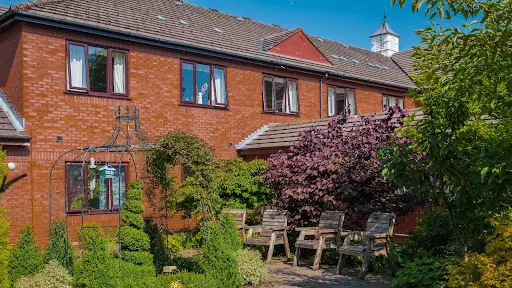
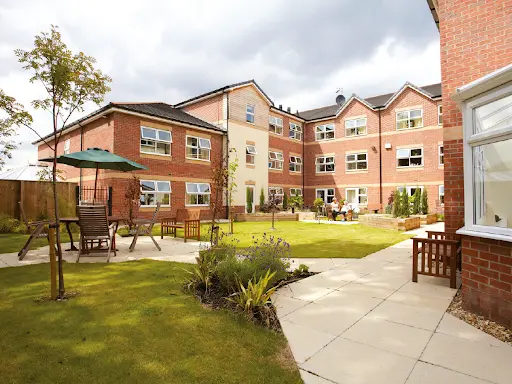
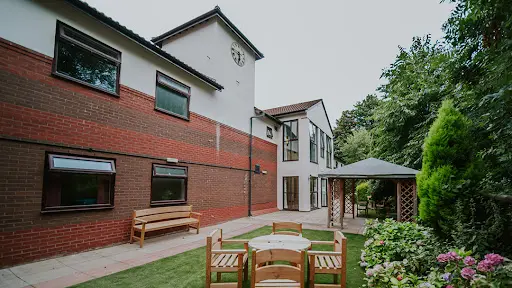
The home itself is well-maintained, with outdoor spaces that give residents room to enjoy fresh air when the weather allows. People mention the beautiful surroundings and the way the physical environment supports daily life here.
“If you're considering Brinnington Hall for someone you love, visiting will give you the clearest picture of daily life here.”
DCC does not edit or curate content in this tab. For independently curated information, see The Evidence and DCC Verdict.