Brimington Care Home

At a Glance
The information you need to decide whether this home warrants a closer look.
Residential homes
Staff warmth score
of reviewers answered yes
Good to know
- Registered beds45
- SpecialismsCaring for adults over 65 yrs, Caring for adults under 65 yrs, Dementia
- Last inspected2022-06-10
Save Brimington Care Home to your shortlist
Keep a running list, add visit notes, and compare homes side-by-side. Free account — it takes a minute.
STAGE 4 — RESEARCHING CARE HOMES
Visit homes. Compare them side by side. Choose with confidence.
Most of us will view care homes the way we view houses, impression, atmosphere, the feeling in the corridor. We go home, try to remember what we saw, and make a permanent decision from a blurred memory.

The DCC shortlist gives every home you visit a structured record: the same twelve questions, answered the same way, every time. When you’re ready to choose, pull any two homes side by side and compare them directly. Same criteria, same evidence, your notes and your scores.
The Evidence
What the review data, the inspection reports, and the dementia-care evidence base tell us about this home.
What families say
Families describe seeing real improvements in their relatives' wellbeing after moving here — from weight gain to increased happiness. The atmosphere feels relaxed rather than institutional, which seems to help residents adjust more easily.
The eight family priority themes
- Staff warmth65
- Compassion & dignity65
- Cleanliness65
- Activities & engagement55
- Food quality55
- Healthcare65
- Management & leadership40
- Resident happiness60
What inspectors found
Inspected 2022-06-10
Is this home safe?
Is the care effective?
The Effective domain was rated Good at the March 2022 inspection. The home lists dementia as a specialism, which implies a level of specific training and care planning, but the published report text does not describe what dementia training staff receive, how frequently care plans are reviewed, or how the home manages healthcare access such as GP visits and medication reviews. The Good rating is positive but unsubstantiated by the available detail.Is this home caring?
The Caring domain was rated Good at the March 2022 inspection. This is the domain most directly connected to what families tell us matters most, specifically whether staff are warm, respectful, and unhurried. Unfortunately, the published report text does not include inspector observations of staff interactions, resident testimony, or specific examples of dignity being upheld. The Good rating suggests inspectors were satisfied, but the evidence behind that satisfaction is not visible in the published text.Is the home responsive?
The Responsive domain was rated Good at the March 2022 inspection. The home lists dementia as a specialism for a 45-bed service, which implies some tailoring of activities and individual care. However, the published report text contains no specific information about the activity programme, how activities are adapted for people who cannot join groups, or how the home responds to changes in individual needs. End-of-life planning is also not mentioned.Is the home well-led?
The Well-led domain was rated Requires Improvement at the March 2022 inspection. This is the only domain below Good, and it stands out because leadership quality is one of the strongest predictors of whether the rest of the home's Good ratings are maintained over time. Ms Clare Louise Bates is the registered manager and Ms Laura Rushton the nominated individual. The published report text does not describe what specific failures led to the Requires Improvement rating, which means you cannot tell from the published document whether those issues have been resolved in the two years since the inspection.
Source: CQC inspection report →
What the evidence base says
The home provides care for adults both under and over 65, with particular experience supporting people living with dementia. The informal, homelike environment can work well for people with cognitive decline. However, families considering dementia care here should ask about staff training and communication approaches, as experiences have varied. All areas worth probing directly during a visit.
The DCC Verdict
Our editorial view, built from the three lenses: what families tell us, what inspectors record, and how the home sits against good dementia-care practice.
DCC Family Score
Brimington Care Centre scores 68 out of 100. Four of five inspection domains were rated Good, which is reassuring, but the Well-led domain was rated Requires Improvement, and the published report contains very little specific detail to help you judge day-to-day life here. That gap between the ratings and the thin evidence base is what holds the score back.
Homes in East Midlands typically score 68–82.The three-lens summary
What families tell us
Families describe seeing real improvements in their relatives' wellbeing after moving here — from weight gain to increased happiness. The atmosphere feels relaxed rather than institutional, which seems to help residents adjust more easily.
What inspectors have recorded
Staff make themselves available to families, answering calls at any time and taking time to discuss residents' needs. Most interactions are described as friendly and patient, though there have been reports of inconsistent approaches to communicating with residents who have dementia.
How it sits against good practice
Every family's situation is unique, so visiting Brimington Care Centre yourself will help you decide if it feels right for your loved one.
Worth a visit
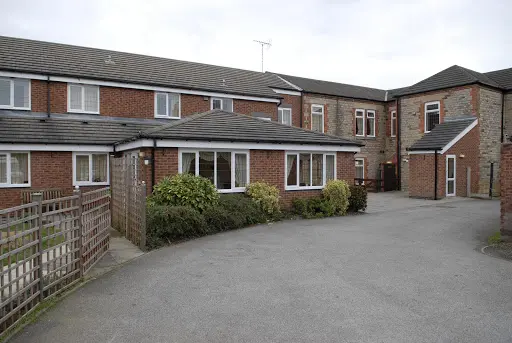
Brimington Care Centre, on Manor Road in Chesterfield, was inspected in March 2022 and rated Good overall, with Good ratings across Safe, Effective, Caring, and Responsive domains. It is registered to care for 45 people, including those living with dementia and adults both over and under 65. A named registered manager, Ms Clare Louise Bates, was in post at the time of inspection, which is a positive marker of continuity. The main concern for any family visiting this home is that the Well-led domain was rated Requires Improvement, and the published inspection text provides very little specific detail about what daily life here looks like. That combination means you should visit in person and ask pointed questions rather than relying on the rating alone. When you visit, ask to see last week's actual staffing rota, check night-shift numbers, and watch how staff interact with residents in corridors and at mealtimes. The inspection is also now over two years old, so conditions may have changed since it was published.
The three questions to ask when you visitSave this home. Compare it against your shortlist.
Let our analysis show you how Brimington Care Home measures up against the other homes you’re considering. Free account.
In Their Own Words
How Brimington Care Home describes itself — collected from its own website. DCC has not edited or independently verified the content in this tab.
Where families find comfort in difficult transitions
Residential home in Chesterfield: True Peace of Mind
When your loved one needs more support than you can provide at home, finding somewhere they'll be genuinely cared for feels overwhelming. Brimington Care Centre in Chesterfield offers residential care for adults of all ages, including those living with dementia. The home has built a reputation for helping residents settle into their new surroundings while keeping families closely involved.
Who they care for
The home provides care for adults both under and over 65, with particular experience supporting people living with dementia.
The informal, homelike environment can work well for people with cognitive decline. However, families considering dementia care here should ask about staff training and communication approaches, as experiences have varied.
“Every family's situation is unique, so visiting Brimington Care Centre yourself will help you decide if it feels right for your loved one.”
DCC does not edit or curate content in this tab. For independently curated information, see The Evidence and DCC Verdict.
The DCC Verdict
Our editorial view, built from the three lenses: what families tell us, what inspectors record, and how the home sits against good dementia-care practice.
DCC Family Score
Brimington Care Centre scores 68 out of 100. Four of five inspection domains were rated Good, which is reassuring, but the Well-led domain was rated Requires Improvement, and the published report contains very little specific detail to help you judge day-to-day life here. That gap between the ratings and the thin evidence base is what holds the score back.
Homes in East Midlands typically score 68–82.The three-lens summary
What families tell us
Families describe seeing real improvements in their relatives' wellbeing after moving here — from weight gain to increased happiness. The atmosphere feels relaxed rather than institutional, which seems to help residents adjust more easily.
What inspectors have recorded
Staff make themselves available to families, answering calls at any time and taking time to discuss residents' needs. Most interactions are described as friendly and patient, though there have been reports of inconsistent approaches to communicating with residents who have dementia.
How it sits against good practice
Every family's situation is unique, so visiting Brimington Care Centre yourself will help you decide if it feels right for your loved one.
Worth a visit
Brimington Care Centre, on Manor Road in Chesterfield, was inspected in March 2022 and rated Good overall, with Good ratings across Safe, Effective, Caring, and Responsive domains. It is registered to care for 45 people, including those living with dementia and adults both over and under 65. A named registered manager, Ms Clare Louise Bates, was in post at the time of inspection, which is a positive marker of continuity. The main concern for any family visiting this home is that the Well-led domain was rated Requires Improvement, and the published inspection text provides very little specific detail about what daily life here looks like. That combination means you should visit in person and ask pointed questions rather than relying on the rating alone. When you visit, ask to see last week's actual staffing rota, check night-shift numbers, and watch how staff interact with residents in corridors and at mealtimes. The inspection is also now over two years old, so conditions may have changed since it was published.
The three questions to ask when you visitSave this home. Compare it against your shortlist.
Let our analysis show you how Brimington Care Home measures up against the other homes you’re considering. Free account.
In Their Own Words
How Brimington Care Home describes itself — collected from its own website. DCC has not edited or independently verified the content in this tab.
Where families find comfort in difficult transitions
Residential home in Chesterfield: True Peace of Mind
When your loved one needs more support than you can provide at home, finding somewhere they'll be genuinely cared for feels overwhelming. Brimington Care Centre in Chesterfield offers residential care for adults of all ages, including those living with dementia. The home has built a reputation for helping residents settle into their new surroundings while keeping families closely involved.
Who they care for
The home provides care for adults both under and over 65, with particular experience supporting people living with dementia.
The informal, homelike environment can work well for people with cognitive decline. However, families considering dementia care here should ask about staff training and communication approaches, as experiences have varied.
Management & ethos
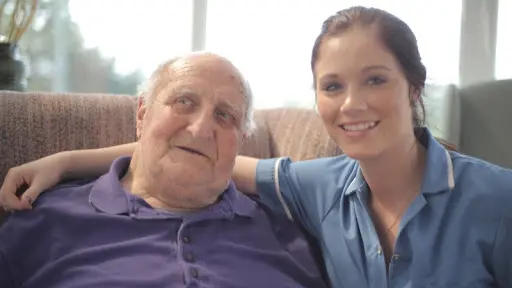
Staff make themselves available to families, answering calls at any time and taking time to discuss residents' needs. Most interactions are described as friendly and patient, though there have been reports of inconsistent approaches to communicating with residents who have dementia.
The home & environment
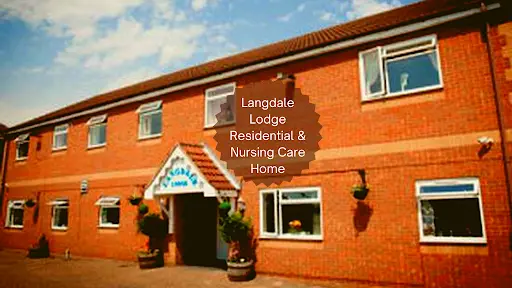
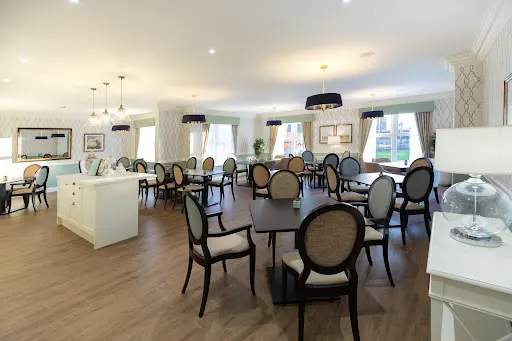
The home maintains good cleanliness standards throughout, with a solid Food Hygiene rating to match. While most aspects of the environment receive positive mentions, there have been some concerns raised about consistency in meal provision and kitchen standards that potential residents might want to discuss during a visit.
“Every family's situation is unique, so visiting Brimington Care Centre yourself will help you decide if it feels right for your loved one.”
DCC does not edit or curate content in this tab. For independently curated information, see The Evidence and DCC Verdict.