Braemar Lodge
At a Glance
The information you need to decide whether this home warrants a closer look.
Residential homes
Staff warmth score
of reviewers answered yes
Good to know
- Registered beds17
- SpecialismsCaring for adults over 65 yrs, Dementia
- Last inspected2023-08-24
Save Braemar Lodge to your shortlist
Keep a running list, add visit notes, and compare homes side-by-side. Free account — it takes a minute.
STAGE 4 — RESEARCHING CARE HOMES
Visit homes. Compare them side by side. Choose with confidence.
Most of us will view care homes the way we view houses, impression, atmosphere, the feeling in the corridor. We go home, try to remember what we saw, and make a permanent decision from a blurred memory.

The DCC shortlist gives every home you visit a structured record: the same twelve questions, answered the same way, every time. When you’re ready to choose, pull any two homes side by side and compare them directly. Same criteria, same evidence, your notes and your scores.
The Evidence
What the review data, the inspection reports, and the dementia-care evidence base tell us about this home.
What families say
Families describe a place where visiting feels natural and easy, with staff who welcome them whenever they need to be there. People notice how the team stays emotionally connected to residents, especially during those final weeks and days.
The eight family priority themes
- Staff warmth55
- Compassion & dignity55
- Cleanliness55
- Activities & engagement50
- Food quality50
- Healthcare55
- Management & leadership55
- Resident happiness55
What inspectors found
Inspected 2023-08-24
Is this home safe?
Is the care effective?
The April 2025 inspection rated this domain Good. No specific findings were published about care plan quality, dementia training content, GP access, medication management, or nutritional support. The home specialises in dementia care, which means staff should have specific training in this area, but the level and content of that training was not described in the published summary. Families cannot assess from the published report alone whether care plans are detailed, regularly reviewed, or genuinely reflective of individual preferences.Is this home caring?
The April 2025 inspection rated this domain Good. No specific observations about staff warmth, dignity in care, use of preferred names, or responses to distress were included in the published summary. No resident or family quotes were available from the inspection text provided. A Good rating in this domain is encouraging, particularly given that caring is the area families most consistently highlight in positive reviews, but the absence of published detail means it cannot be independently verified from this report.Is the home responsive?
The April 2025 inspection rated this domain Good. No specific findings were published about the activity programme, individual engagement, response to complaints, or end-of-life care planning. For a home that specialises in dementia care, the quality and variety of activities, including one-to-one engagement for residents who cannot join groups, is particularly important. The published summary does not allow an assessment of whether activities are tailored to individuals or primarily group-based.Is the home well-led?
The April 2025 inspection rated this domain Good. The home is run by two named individuals, Mrs Saima Raja and Mrs Denise Macedo Dos Santos, with a named registered manager in post. The recovery from a Requires Improvement rating in August 2023 to a Good rating in April 2025 suggests that leadership has addressed whatever concerns were identified previously. However, the published summary provides no detail about what governance improvements were made, how staff are supported, or how the home handles complaints and learning from incidents.
Source: CQC inspection report →
What the evidence base says
The home cares for adults over 65, including those living with dementia. While the home accepts residents with dementia, including advanced Alzheimer's, families should ask about specific approaches and support available for their loved one's particular needs. All areas worth probing directly during a visit.
The DCC Verdict
Our editorial view, built from the three lenses: what families tell us, what inspectors record, and how the home sits against good dementia-care practice.
DCC Family Score
Braemar Lodge holds a current overall Good rating following an April 2025 inspection, but the inspection report provided contains very limited detail across all domains, so scores reflect the positive rating without specific supporting evidence. Families should treat this as a starting point and press the home for specifics on a visit.
Homes in East typically score 68–82.The three-lens summary
What families tell us
Families describe a place where visiting feels natural and easy, with staff who welcome them whenever they need to be there. People notice how the team stays emotionally connected to residents, especially during those final weeks and days.
What inspectors have recorded
The staff show real resilience when things get tough, managing complex care situations while still supporting families through bereavement. Communication seems to flow well, though experiences vary when families raise concerns about care standards.
How it sits against good practice
Sometimes you just need to know that staff will care right to the very end.
Worth a visit
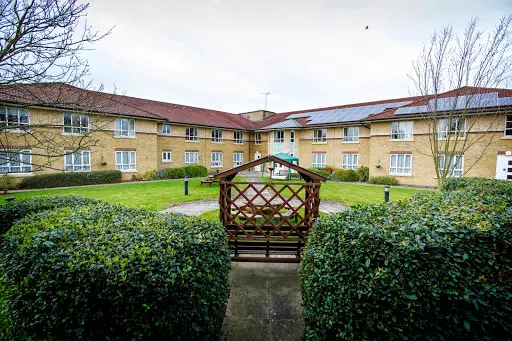
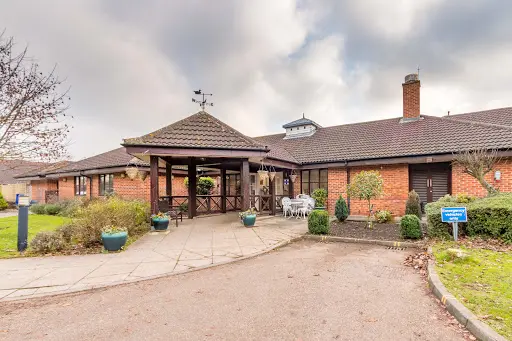
Braemar Lodge Residential Care Home, at 481 Victoria Avenue, Southend-on-Sea, was rated Good overall at its most recent inspection in April 2025, published in June 2025. All five domains, Safe, Effective, Caring, Responsive, and Well-led, received a Good rating. This represents a recovery from a Requires Improvement rating recorded at the August 2023 inspection, which is an encouraging trajectory. The home is a small residential setting with 17 beds, specialising in dementia care and care for adults over 65. The main limitation of this report is that the published inspection summary provided contains very little specific detail: no inspector observations, no resident or family quotes, and no breakdown of what was found in each domain. A Good rating is meaningful, but without knowing what the inspectors actually saw, it is difficult to advise you with confidence on the specifics of daily life here. Before making a decision, visit in person, ask to see the actual staffing rota for the past two weeks, and speak directly to the registered manager about how dementia care is delivered day to day. The questions in the checklist below are a practical starting point.
The three questions to ask when you visitSave this home. Compare it against your shortlist.
Let our analysis show you how Braemar Lodge measures up against the other homes you’re considering. Free account.
In Their Own Words
How Braemar Lodge describes itself — collected from its own website. DCC has not edited or independently verified the content in this tab.
Where families find comfort through life's toughest moments
Braemar Lodge Residential Care Home – Expert Care in Sothend-on-Sea
When facing end-of-life care for someone you love, you need somewhere that understands what really matters. Braemar Lodge Residential Care Home in Southend-on-Sea brings families and residents together during difficult times. The team here knows that small acts of kindness can mean everything when time is precious.
Who they care for
The home cares for adults over 65, including those living with dementia.
While the home accepts residents with dementia, including advanced Alzheimer's, families should ask about specific approaches and support available for their loved one's particular needs.
“Sometimes you just need to know that staff will care right to the very end.”
DCC does not edit or curate content in this tab. For independently curated information, see The Evidence and DCC Verdict.
The DCC Verdict
Our editorial view, built from the three lenses: what families tell us, what inspectors record, and how the home sits against good dementia-care practice.
DCC Family Score
Braemar Lodge holds a current overall Good rating following an April 2025 inspection, but the inspection report provided contains very limited detail across all domains, so scores reflect the positive rating without specific supporting evidence. Families should treat this as a starting point and press the home for specifics on a visit.
Homes in East typically score 68–82.The three-lens summary
What families tell us
Families describe a place where visiting feels natural and easy, with staff who welcome them whenever they need to be there. People notice how the team stays emotionally connected to residents, especially during those final weeks and days.
What inspectors have recorded
The staff show real resilience when things get tough, managing complex care situations while still supporting families through bereavement. Communication seems to flow well, though experiences vary when families raise concerns about care standards.
How it sits against good practice
Sometimes you just need to know that staff will care right to the very end.
Worth a visit
Braemar Lodge Residential Care Home, at 481 Victoria Avenue, Southend-on-Sea, was rated Good overall at its most recent inspection in April 2025, published in June 2025. All five domains, Safe, Effective, Caring, Responsive, and Well-led, received a Good rating. This represents a recovery from a Requires Improvement rating recorded at the August 2023 inspection, which is an encouraging trajectory. The home is a small residential setting with 17 beds, specialising in dementia care and care for adults over 65. The main limitation of this report is that the published inspection summary provided contains very little specific detail: no inspector observations, no resident or family quotes, and no breakdown of what was found in each domain. A Good rating is meaningful, but without knowing what the inspectors actually saw, it is difficult to advise you with confidence on the specifics of daily life here. Before making a decision, visit in person, ask to see the actual staffing rota for the past two weeks, and speak directly to the registered manager about how dementia care is delivered day to day. The questions in the checklist below are a practical starting point.
The three questions to ask when you visitSave this home. Compare it against your shortlist.
Let our analysis show you how Braemar Lodge measures up against the other homes you’re considering. Free account.
In Their Own Words
How Braemar Lodge describes itself — collected from its own website. DCC has not edited or independently verified the content in this tab.
Where families find comfort through life's toughest moments
Braemar Lodge Residential Care Home – Expert Care in Sothend-on-Sea
When facing end-of-life care for someone you love, you need somewhere that understands what really matters. Braemar Lodge Residential Care Home in Southend-on-Sea brings families and residents together during difficult times. The team here knows that small acts of kindness can mean everything when time is precious.
Who they care for
The home cares for adults over 65, including those living with dementia.
While the home accepts residents with dementia, including advanced Alzheimer's, families should ask about specific approaches and support available for their loved one's particular needs.
Management & ethos
The staff show real resilience when things get tough, managing complex care situations while still supporting families through bereavement. Communication seems to flow well, though experiences vary when families raise concerns about care standards.
“Sometimes you just need to know that staff will care right to the very end.”
DCC does not edit or curate content in this tab. For independently curated information, see The Evidence and DCC Verdict.