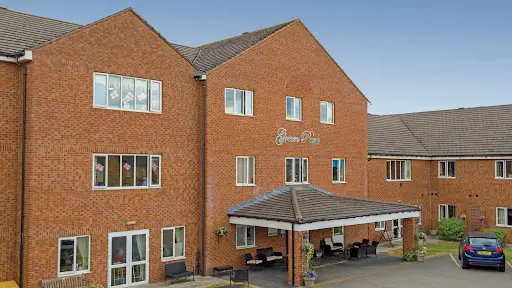
Belong Crewe
At a Glance
The information you need to decide whether this home warrants a closer look.
Nursing homes
Staff warmth score
of reviewers answered yes
Good to know
- Registered beds67
- SpecialismsCaring for adults over 65 yrs, Caring for adults under 65 yrs, Dementia, Mental health conditions, Physical disabilities, Sensory impairment
- Last inspected2017-11-14
Save Belong Crewe to your shortlist
Keep a running list, add visit notes, and compare homes side-by-side. Free account — it takes a minute.
STAGE 4 — RESEARCHING CARE HOMES
Visit homes. Compare them side by side. Choose with confidence.
Most of us will view care homes the way we view houses, impression, atmosphere, the feeling in the corridor. We go home, try to remember what we saw, and make a permanent decision from a blurred memory.

The DCC shortlist gives every home you visit a structured record: the same twelve questions, answered the same way, every time. When you’re ready to choose, pull any two homes side by side and compare them directly. Same criteria, same evidence, your notes and your scores.
The Evidence
What the review data, the inspection reports, and the dementia-care evidence base tell us about this home.
What families say
Families mention how genuinely welcoming the staff are here, from the care teams right through to the café workers. There's a consistent warmth that visitors notice — staff take time to chat and seem to know residents well. The atmosphere feels relaxed rather than institutional.
The eight family priority themes
- Staff warmth85
- Compassion & dignity88
- Cleanliness72
- Activities & engagement85
- Food quality72
- Healthcare82
- Management & leadership90
- Resident happiness82
What inspectors found
Inspected 2017-11-14
Is this home safe?
Is the care effective?
The effective domain was rated Outstanding, meaning inspectors found that people's care, treatment, and support achieved good outcomes and went well beyond what is normally expected. For a home specialising in dementia and complex needs across 67 beds, this is a particularly strong result. An Outstanding effective rating covers the quality and personalisation of care plans, the competence and training of staff, access to healthcare professionals including GPs and specialists, nutritional support, and whether the home uses recognised best practice. The published summary does not reproduce specific examples or quotes from this domain, but the rating itself is a meaningful signal.Is this home caring?
The caring domain was rated Outstanding, the highest possible assessment, covering staff warmth, dignity, respect, privacy, and the promotion of independence. Inspectors award this rating only when they observe consistent, specific evidence that staff treat people as individuals with genuine regard for their preferences and wellbeing. The home serves people with dementia, mental health conditions, and physical disabilities, a population where caring quality has direct impact on day-to-day experience. No quotes from residents or relatives are reproduced in the published summary, which limits the specific detail available, but the Outstanding rating itself represents a strong inspector finding.Is the home responsive?
The responsive domain was rated Outstanding, covering activities, meaningful engagement, individualised care, and end-of-life planning. For a home of 67 beds serving people with dementia and complex needs, an Outstanding responsive rating indicates that inspectors found the home to be adapting its offer to the individual rather than expecting people to fit a standard programme. This typically includes tailored activities, one-to-one engagement for people who cannot join groups, and robust processes for capturing and acting on preferences. The published summary does not reproduce specific examples of activities or engagement, and end-of-life planning detail is not included.Is the home well-led?
The well-led domain was rated Outstanding, the strongest possible assessment of management, culture, governance, and accountability. A named registered manager (Mrs Caroline Anthony) and nominated individual (Mrs Rebecca Louise Woodcock) are recorded. An Outstanding well-led rating means inspectors found that leadership was visible and effective, that staff were supported and empowered, that the home used feedback and incidents to improve, and that the culture of the home was open and positive. This is the domain most closely linked to the quality trajectory of a home over time. The inspection took place in July 2017 and a monitoring review in July 2023 found no reason to change the rating.
Source: CQC inspection report →
What the evidence base says
The home supports people with various needs including dementia, mental health conditions, physical disabilities and sensory impairments. They care for both younger adults under 65 and older residents. The dementia support here focuses on helping people stay as independent as possible. Residents can choose when to join in with activities or when to have quiet time in their own space, with staff available whenever they're needed. All areas worth probing directly during a visit.
The DCC Verdict
Our editorial view, built from the three lenses: what families tell us, what inspectors record, and how the home sits against good dementia-care practice.
DCC Family Score
Belong Crewe Care Village earned an Outstanding overall rating, with four of five domains rated Outstanding. The Family Score of 81 reflects strong evidence of excellent leadership, caring practice, and person-centred responsiveness, tempered by the fact that the published inspection report contains limited specific detail on some family priorities such as food, cleanliness, and night staffing.
Homes in North West typically score 68–82.The three-lens summary
What families tell us
Families mention how genuinely welcoming the staff are here, from the care teams right through to the café workers. There's a consistent warmth that visitors notice — staff take time to chat and seem to know residents well. The atmosphere feels relaxed rather than institutional.
What inspectors have recorded
During the difficult lockdown periods, the team here kept families in the loop with regular updates. They got visiting up and running again as soon as regulations allowed. Staff seem approachable at all levels — families feel comfortable raising questions or concerns when they need to.
How it sits against good practice
It's worth visiting to see if this balance of independence and support would suit your relative.
Worth a visit
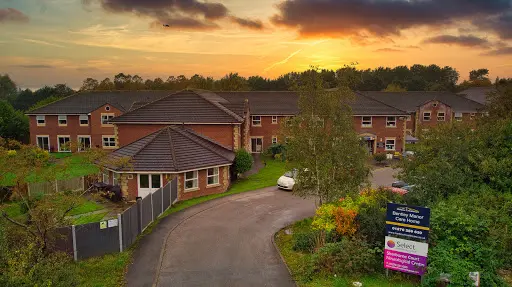
Belong Crewe Care Village, on Brookhouse Drive in Crewe, was rated Outstanding at its inspection in July 2017, with four of five domains assessed as Outstanding and the remaining domain, safe, rated Good. This is the highest rating available and places the home among a small minority of care homes in England to have achieved it. Inspectors found leadership, caring practice, responsiveness to individuals, and the effectiveness of care to be well above the expected standard. The home specialises in dementia, mental health, physical disabilities, and sensory impairment across 67 beds, and its Outstanding ratings across those complex areas represent a significant achievement. The main uncertainty here is the age of the evidence. The inspection took place in July 2017, which means the findings are now approaching eight years old. A review in July 2023 found no reason to change the rating, but that review was based on data rather than a full re-inspection. Leadership, staffing, and culture can change substantially over that timeframe, particularly if the registered manager has moved on. On your visit, ask how long the current manager has been in post, request a copy of the most recent quality audit, and spend time observing how staff interact with residents in corridors and at mealtimes, where the quality of care is most visible.
The three questions to ask when you visitSave this home. Compare it against your shortlist.
Let our analysis show you how Belong Crewe measures up against the other homes you’re considering. Free account.
In Their Own Words
How Belong Crewe describes itself — collected from its own website. DCC has not edited or independently verified the content in this tab.
Where people with dementia keep their independence and dignity
Belong Crewe Care Village – Your Trusted nursing home
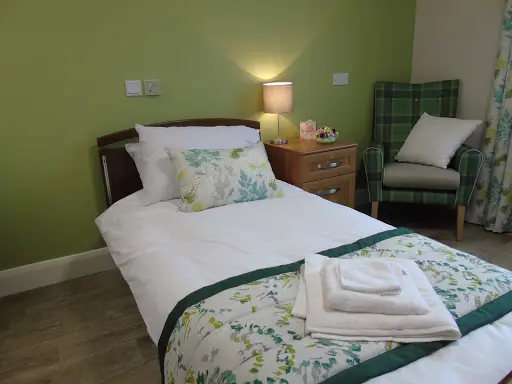
At Belong Crewe Care Village in the North West, families are discovering a different way to support relatives with dementia. The approach here centres on maintaining independence — residents have their own private spaces but can access trained staff whenever they need help, day or night. This balance seems to work well for people who want support without feeling they've lost control of their daily lives.
Who they care for
The home supports people with various needs including dementia, mental health conditions, physical disabilities and sensory impairments. They care for both younger adults under 65 and older residents.
The dementia support here focuses on helping people stay as independent as possible. Residents can choose when to join in with activities or when to have quiet time in their own space, with staff available whenever they're needed.
“It's worth visiting to see if this balance of independence and support would suit your relative.”
DCC does not edit or curate content in this tab. For independently curated information, see The Evidence and DCC Verdict.
The DCC Verdict
Our editorial view, built from the three lenses: what families tell us, what inspectors record, and how the home sits against good dementia-care practice.
DCC Family Score
Belong Crewe Care Village earned an Outstanding overall rating, with four of five domains rated Outstanding. The Family Score of 81 reflects strong evidence of excellent leadership, caring practice, and person-centred responsiveness, tempered by the fact that the published inspection report contains limited specific detail on some family priorities such as food, cleanliness, and night staffing.
Homes in North West typically score 68–82.The three-lens summary
What families tell us
Families mention how genuinely welcoming the staff are here, from the care teams right through to the café workers. There's a consistent warmth that visitors notice — staff take time to chat and seem to know residents well. The atmosphere feels relaxed rather than institutional.
What inspectors have recorded
During the difficult lockdown periods, the team here kept families in the loop with regular updates. They got visiting up and running again as soon as regulations allowed. Staff seem approachable at all levels — families feel comfortable raising questions or concerns when they need to.
How it sits against good practice
It's worth visiting to see if this balance of independence and support would suit your relative.
Worth a visit
Belong Crewe Care Village, on Brookhouse Drive in Crewe, was rated Outstanding at its inspection in July 2017, with four of five domains assessed as Outstanding and the remaining domain, safe, rated Good. This is the highest rating available and places the home among a small minority of care homes in England to have achieved it. Inspectors found leadership, caring practice, responsiveness to individuals, and the effectiveness of care to be well above the expected standard. The home specialises in dementia, mental health, physical disabilities, and sensory impairment across 67 beds, and its Outstanding ratings across those complex areas represent a significant achievement. The main uncertainty here is the age of the evidence. The inspection took place in July 2017, which means the findings are now approaching eight years old. A review in July 2023 found no reason to change the rating, but that review was based on data rather than a full re-inspection. Leadership, staffing, and culture can change substantially over that timeframe, particularly if the registered manager has moved on. On your visit, ask how long the current manager has been in post, request a copy of the most recent quality audit, and spend time observing how staff interact with residents in corridors and at mealtimes, where the quality of care is most visible.
The three questions to ask when you visitSave this home. Compare it against your shortlist.
Let our analysis show you how Belong Crewe measures up against the other homes you’re considering. Free account.
In Their Own Words
How Belong Crewe describes itself — collected from its own website. DCC has not edited or independently verified the content in this tab.
Where people with dementia keep their independence and dignity
Belong Crewe Care Village – Your Trusted nursing home
At Belong Crewe Care Village in the North West, families are discovering a different way to support relatives with dementia. The approach here centres on maintaining independence — residents have their own private spaces but can access trained staff whenever they need help, day or night. This balance seems to work well for people who want support without feeling they've lost control of their daily lives.
Who they care for
The home supports people with various needs including dementia, mental health conditions, physical disabilities and sensory impairments. They care for both younger adults under 65 and older residents.
The dementia support here focuses on helping people stay as independent as possible. Residents can choose when to join in with activities or when to have quiet time in their own space, with staff available whenever they're needed.
Management & ethos
During the difficult lockdown periods, the team here kept families in the loop with regular updates. They got visiting up and running again as soon as regulations allowed. Staff seem approachable at all levels — families feel comfortable raising questions or concerns when they need to.
The home & environment
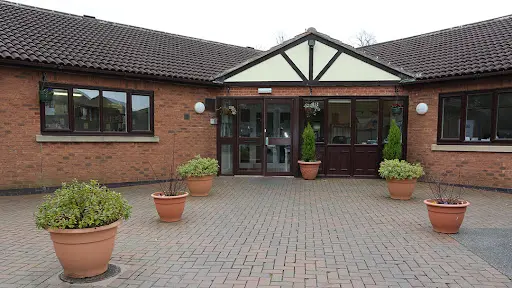
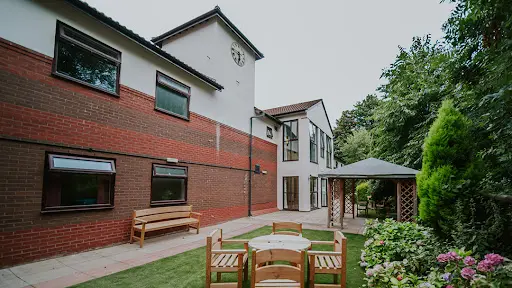
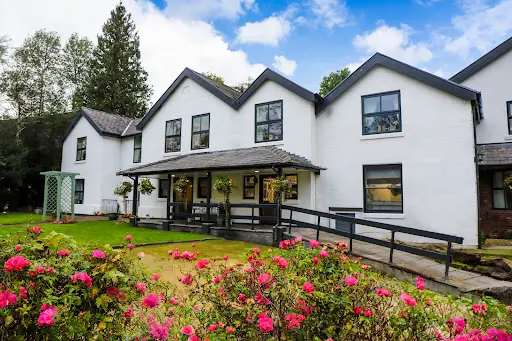
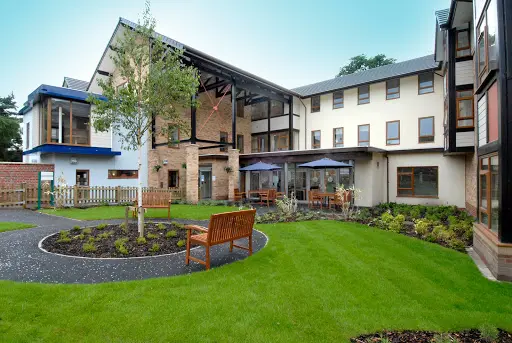
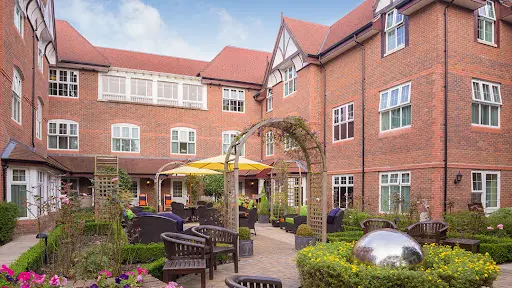
The building stays clean and well-maintained, which families appreciate when they visit. The food gets positive mentions too — proper meals that people actually want to eat. There's a café on site where visitors can grab a coffee and catch up in a normal setting.
“It's worth visiting to see if this balance of independence and support would suit your relative.”
DCC does not edit or curate content in this tab. For independently curated information, see The Evidence and DCC Verdict.