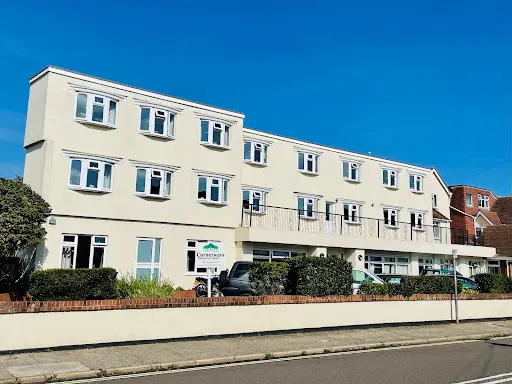
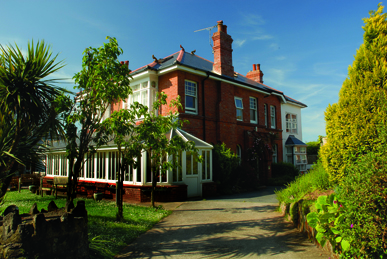
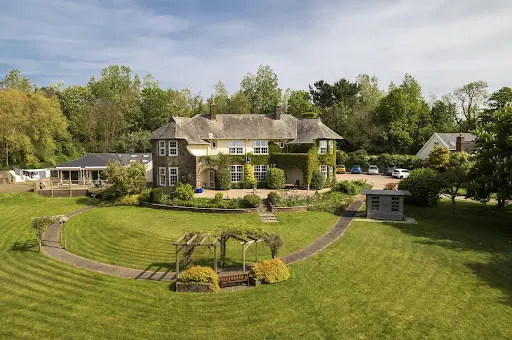
Belmont House
At a Glance
The information you need to decide whether this home warrants a closer look.
Residential homes
Staff warmth score
of reviewers answered yes
Good to know
- Registered beds24
- SpecialismsCaring for adults over 65 yrs, Dementia, Physical disabilities, Sensory impairment
- Last inspected2023-03-09
Save Belmont House to your shortlist
Keep a running list, add visit notes, and compare homes side-by-side. Free account — it takes a minute.
STAGE 4 — RESEARCHING CARE HOMES
Visit homes. Compare them side by side. Choose with confidence.
Most of us will view care homes the way we view houses, impression, atmosphere, the feeling in the corridor. We go home, try to remember what we saw, and make a permanent decision from a blurred memory.

The DCC shortlist gives every home you visit a structured record: the same twelve questions, answered the same way, every time. When you’re ready to choose, pull any two homes side by side and compare them directly. Same criteria, same evidence, your notes and your scores.
The Evidence
What the review data, the inspection reports, and the dementia-care evidence base tell us about this home.
What families say
What comes through in family experiences is how staff remember the little things that matter. They pick up on individual preferences and quietly work them into daily life. People mention seeing their relatives comfortable and content, with some families noting real improvements in health and wellbeing after moving in.
The eight family priority themes
- Staff warmth72
- Compassion & dignity72
- Cleanliness70
- Activities & engagement60
- Food quality55
- Healthcare65
- Management & leadership75
- Resident happiness70
What inspectors found
Inspected 2023-03-09
Is this home safe?
Is the care effective?
The home was rated Good for Effective, covering training, care planning, healthcare access, and food. Dementia is listed as a specialism, which implies staff are expected to have relevant training. The published text does not describe training content, completion rates, care plan review frequency, GP visiting arrangements, or food quality observations. The improvement from the previous Requires Improvement rating suggests effective practice was strengthened since the last inspection.Is this home caring?
The home was rated Good for Caring, the domain that covers staff warmth, dignity, respect, and independence. This is also an improvement from the previous Requires Improvement rating. The published inspection text does not include direct observations of staff interactions, resident quotes, or relative testimony. No specific examples are provided of how staff addressed residents, responded to distress, or supported independence.Is the home responsive?
The home was rated Good for Responsive, covering activities, individual engagement, and end-of-life care. Again, this represents an improvement from the previous rating. The published text provides no specific information about the activity programme, who runs it, how often activities take place, whether one-to-one engagement is available, or how end-of-life care preferences are recorded.Is the home well-led?
The home was rated Good for Well-led, having previously been rated Requires Improvement. A named registered manager, Miss Ellenor Belinda Phillips, and a nominated individual, Mrs Stephanie Ussi, are formally recorded. The improvement across all five domains from the previous inspection is itself evidence of responsive leadership. The published text does not describe the manager's tenure, staff culture, how concerns are raised and addressed, or how families are kept informed.
Source: CQC inspection report →
What the evidence base says
Belmont House supports people over 65 with dementia, physical disabilities and sensory impairments. They're set up to handle the complexities these conditions bring. For those living with dementia, the home's approach centres on understanding each person as an individual. Staff seem skilled at reading non-verbal cues and maintaining routines that help residents feel secure. All areas worth probing directly during a visit.
The DCC Verdict
Our editorial view, built from the three lenses: what families tell us, what inspectors record, and how the home sits against good dementia-care practice.
DCC Family Score
Belmont House Devon has improved from Requires Improvement to Good across all five domains, which is a meaningful and positive shift. However, the published inspection text contains very limited specific detail, so many scores reflect the Good rating rather than rich inspector observations or direct testimony.
Homes in South West typically score 68–82.The three-lens summary
What families tell us
What comes through in family experiences is how staff remember the little things that matter. They pick up on individual preferences and quietly work them into daily life. People mention seeing their relatives comfortable and content, with some families noting real improvements in health and wellbeing after moving in.
What inspectors have recorded
Communication seems to be a real strength here. Families hear from the home through phone calls and emails, keeping them in the loop about their loved one's day-to-day life. Staff appear to know residents well, picking up on needs before they're voiced.
How it sits against good practice
If you're weighing up options in the Brixham area, it might be worth getting in touch to see if their approach fits what you're looking for.
Worth a visit
Belmont House Devon, a 24-bed residential home in Brixham specialising in dementia, physical disabilities, and sensory impairment, was rated Good across all five inspection domains at its inspection on 7 February 2023. This is a meaningful improvement from its previous Requires Improvement rating, and the fact that the home addressed earlier concerns and achieved Good across the board is an encouraging sign of responsive leadership. The home is registered and actively monitored, with a named registered manager and nominated individual in place. The main limitation for families reading this report is that the published inspection text contains very little specific detail: no direct quotes from residents or relatives, no inspector observations of care interactions, and no figures for staffing levels, agency use, or activity programmes. The Good ratings are real and matter, but they tell you a home met the bar rather than painting a picture of daily life. When you visit, ask to see last week's staffing rota to check permanent versus agency cover on nights, watch how staff speak to residents in corridors, and ask specifically what one-to-one activity is available for a resident who cannot join group sessions.
The three questions to ask when you visitSave this home. Compare it against your shortlist.
Let our analysis show you how Belmont House measures up against the other homes you’re considering. Free account.
In Their Own Words
How Belmont House describes itself — collected from its own website. DCC has not edited or independently verified the content in this tab.
Where staff really get to know each resident's world
Dedicated residential home Support in Brixham
When you're looking for dementia care that goes beyond the basics, the details matter. Belmont House in Brixham seems to understand this — families talk about staff who take time to learn what makes their loved ones tick, from favourite foods to daily routines. It's this kind of attention that helps residents feel settled and families feel reassured.
Who they care for
Belmont House supports people over 65 with dementia, physical disabilities and sensory impairments. They're set up to handle the complexities these conditions bring.
For those living with dementia, the home's approach centres on understanding each person as an individual. Staff seem skilled at reading non-verbal cues and maintaining routines that help residents feel secure.
“If you're weighing up options in the Brixham area, it might be worth getting in touch to see if their approach fits what you're looking for.”
DCC does not edit or curate content in this tab. For independently curated information, see The Evidence and DCC Verdict.
The DCC Verdict
Our editorial view, built from the three lenses: what families tell us, what inspectors record, and how the home sits against good dementia-care practice.
DCC Family Score
Belmont House Devon has improved from Requires Improvement to Good across all five domains, which is a meaningful and positive shift. However, the published inspection text contains very limited specific detail, so many scores reflect the Good rating rather than rich inspector observations or direct testimony.
Homes in South West typically score 68–82.The three-lens summary
What families tell us
What comes through in family experiences is how staff remember the little things that matter. They pick up on individual preferences and quietly work them into daily life. People mention seeing their relatives comfortable and content, with some families noting real improvements in health and wellbeing after moving in.
What inspectors have recorded
Communication seems to be a real strength here. Families hear from the home through phone calls and emails, keeping them in the loop about their loved one's day-to-day life. Staff appear to know residents well, picking up on needs before they're voiced.
How it sits against good practice
If you're weighing up options in the Brixham area, it might be worth getting in touch to see if their approach fits what you're looking for.
Worth a visit
Belmont House Devon, a 24-bed residential home in Brixham specialising in dementia, physical disabilities, and sensory impairment, was rated Good across all five inspection domains at its inspection on 7 February 2023. This is a meaningful improvement from its previous Requires Improvement rating, and the fact that the home addressed earlier concerns and achieved Good across the board is an encouraging sign of responsive leadership. The home is registered and actively monitored, with a named registered manager and nominated individual in place. The main limitation for families reading this report is that the published inspection text contains very little specific detail: no direct quotes from residents or relatives, no inspector observations of care interactions, and no figures for staffing levels, agency use, or activity programmes. The Good ratings are real and matter, but they tell you a home met the bar rather than painting a picture of daily life. When you visit, ask to see last week's staffing rota to check permanent versus agency cover on nights, watch how staff speak to residents in corridors, and ask specifically what one-to-one activity is available for a resident who cannot join group sessions.
The three questions to ask when you visitSave this home. Compare it against your shortlist.
Let our analysis show you how Belmont House measures up against the other homes you’re considering. Free account.
In Their Own Words
How Belmont House describes itself — collected from its own website. DCC has not edited or independently verified the content in this tab.
Where staff really get to know each resident's world
Dedicated residential home Support in Brixham
When you're looking for dementia care that goes beyond the basics, the details matter. Belmont House in Brixham seems to understand this — families talk about staff who take time to learn what makes their loved ones tick, from favourite foods to daily routines. It's this kind of attention that helps residents feel settled and families feel reassured.
Who they care for
Belmont House supports people over 65 with dementia, physical disabilities and sensory impairments. They're set up to handle the complexities these conditions bring.
For those living with dementia, the home's approach centres on understanding each person as an individual. Staff seem skilled at reading non-verbal cues and maintaining routines that help residents feel secure.
Management & ethos
Communication seems to be a real strength here. Families hear from the home through phone calls and emails, keeping them in the loop about their loved one's day-to-day life. Staff appear to know residents well, picking up on needs before they're voiced.
The home & environment
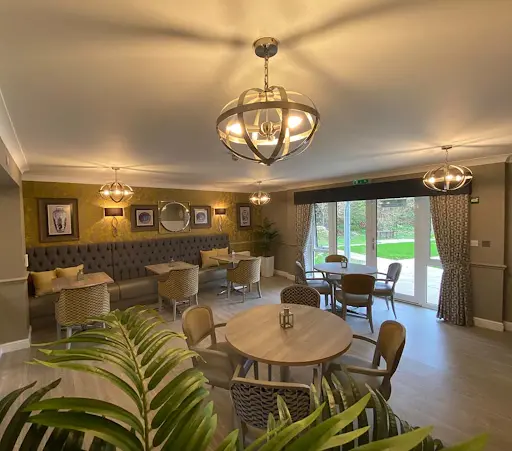
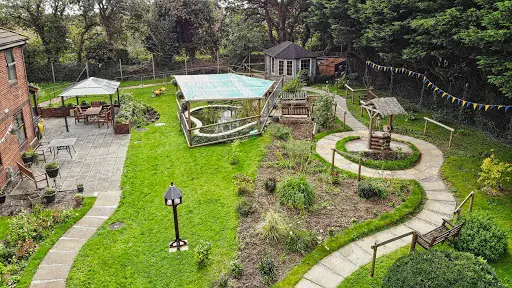
The home keeps things clean and fresh, with cooking smells drifting through that suggest proper meals being prepared. Families appreciate the attention to hygiene, particularly when it comes to keeping everyone safe during difficult times.
“If you're weighing up options in the Brixham area, it might be worth getting in touch to see if their approach fits what you're looking for.”
DCC does not edit or curate content in this tab. For independently curated information, see The Evidence and DCC Verdict.