Austen Court Care Home
At a Glance
The information you need to decide whether this home warrants a closer look.
Nursing homes
Staff warmth score
of reviewers answered yes
Good to know
- Registered beds69
- SpecialismsCaring for adults over 65 yrs, Caring for adults under 65 yrs, Dementia, Physical disabilities, Sensory impairment
- Last inspected2023-08-25
Save Austen Court Care Home to your shortlist
Keep a running list, add visit notes, and compare homes side-by-side. Free account — it takes a minute.
STAGE 4 — RESEARCHING CARE HOMES
Visit homes. Compare them side by side. Choose with confidence.
Most of us will view care homes the way we view houses, impression, atmosphere, the feeling in the corridor. We go home, try to remember what we saw, and make a permanent decision from a blurred memory.

The DCC shortlist gives every home you visit a structured record: the same twelve questions, answered the same way, every time. When you’re ready to choose, pull any two homes side by side and compare them directly. Same criteria, same evidence, your notes and your scores.
The Evidence
What the review data, the inspection reports, and the dementia-care evidence base tell us about this home.
What families say
Relatives describe feeling welcomed during visits, with management keeping them informed about any changes in their loved one's condition. Carers check on residents regularly in their rooms and common spaces, often stopping for a conversation or helping with daily needs without being asked.
The eight family priority themes
- Staff warmth75
- Compassion & dignity78
- Cleanliness60
- Activities & engagement68
- Food quality65
- Healthcare58
- Management & leadership72
- Resident happiness70
What inspectors found
Inspected 2023-08-25
Is this home safe?
Is the care effective?
The Effective domain was rated Good, covering training, care plans, healthcare access, and nutrition. This rating suggests inspectors were satisfied that staff have the knowledge and tools to support the people who live there. The home lists dementia, physical disabilities, and sensory impairment as specialisms, which means effective care should be tailored to a range of complex needs. No specific observations, quotes, or care plan examples were available in the published summary, so the Good rating reflects a general assessment rather than a detailed picture. The home works with people both over and under 65, meaning staff should be equipped to support a wide age range.Is this home caring?
The Caring domain was rated Good, which covers staff warmth, dignity, respect, and how well the home supports independence. This is one of the most important domains for families choosing a home, and a Good rating here suggests inspectors found staff interactions to be broadly positive. No specific inspector observations, resident quotes, or relative testimony were available in the published summary for this report. The rating alone does not tell you whether staff use preferred names, whether they knock before entering rooms, or whether they give people time to make choices. These details matter and are not visible without a visit.Is the home responsive?
The Responsive domain was rated Good, covering activities, engagement, individuality, and how the home responds to changing needs. This suggests inspectors found the home was broadly meeting people's individual needs and offering meaningful occupation. No specific activity schedules, examples of one-to-one engagement, or resident accounts were available in the published summary. The home's specialism in dementia is relevant here because meaningful activity for someone with dementia often looks very different from a group exercise class. Without published detail, it is not possible to say how well the home tailors engagement to individual ability.Is the home well-led?
The Well-Led domain was rated Good, indicating inspectors were satisfied with how the home is managed, how staff are supported, and how governance and accountability work in practice. Two registered managers were named at the time of inspection, alongside a nominated individual from the provider organisation. The home had previously been rated Requires Improvement overall, and the improvement to Good suggests meaningful progress under the current leadership. No specific observations about manager visibility, staff culture, or complaint handling were available in the published summary.
Source: CQC inspection report →
What the evidence base says
The home supports adults of all ages with various needs, including sensory impairments and physical disabilities. They also provide dementia care, adapting their approach to meet each person's individual requirements. For residents with dementia, the team works to establish familiar routines and provide consistent support. The calm atmosphere and regular staff presence help create a reassuring environment. All areas worth probing directly during a visit.
The DCC Verdict
Our editorial view, built from the three lenses: what families tell us, what inspectors record, and how the home sits against good dementia-care practice.
DCC Family Score
Austen Court Care Home scores 72 out of 100, reflecting genuine strengths in how staff treat the people who live there and how the home is led, alongside a real concern in the Safe domain which was rated Requires Improvement at the last inspection. That gap between the caring quality and the safety rating is the most important thing to explore before you decide.
Homes in West Midlands typically score 68–82.The three-lens summary
What families tell us
Relatives describe feeling welcomed during visits, with management keeping them informed about any changes in their loved one's condition. Carers check on residents regularly in their rooms and common spaces, often stopping for a conversation or helping with daily needs without being asked.
What inspectors have recorded
Staff respond quickly when residents need assistance, whether in their rooms or shared spaces. The team maintains regular contact with families, updating them about their relative's wellbeing and any changes in their care needs.
How it sits against good practice
Visiting relatives often comment on seeing their loved ones looking relaxed and content in the communal areas.
Worth a visit
Austen Court Care Home in Evesham was inspected in June 2023 and rated Good overall, an improvement on its previous rating of Requires Improvement. Four of the five inspection domains, Effective, Caring, Responsive, and Well-Led, were rated Good, and the home supports a broad range of needs including dementia, physical disabilities, and sensory impairment across 69 beds. Two registered managers were in post at the time of inspection, which points to an active leadership structure. The most important thing to know before visiting is that the Safe domain was rated Requires Improvement. This means inspectors found gaps in how safety is managed, whether in staffing, medicines, risk assessment, or infection control. The published summary does not give enough detail to know exactly what those gaps were, so you should ask the manager directly what improvements were required and what has changed since August 2023. On your visit, ask to see the current staffing rota, ask how many permanent staff work the night shift, and ask how the home has responded to the safety concerns inspectors raised.
The three questions to ask when you visitSave this home. Compare it against your shortlist.
Let our analysis show you how Austen Court Care Home measures up against the other homes you’re considering. Free account.
In Their Own Words
How Austen Court Care Home describes itself — collected from its own website. DCC has not edited or independently verified the content in this tab.
Modern West Midlands home with spacious rooms and attentive daily care
Nursing home in Evesham: True Peace of Mind
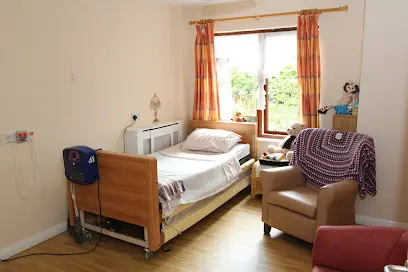
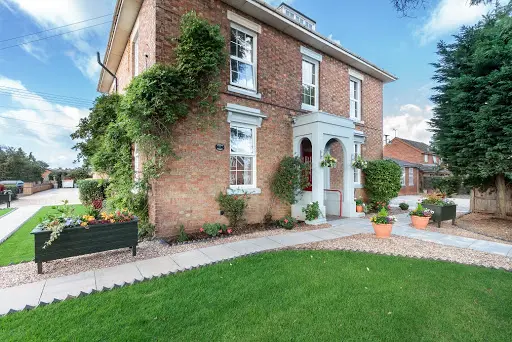
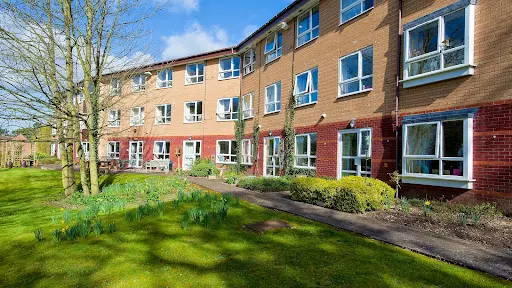
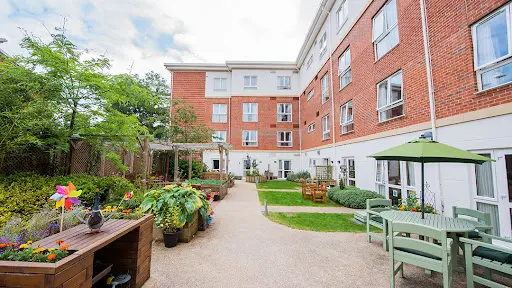
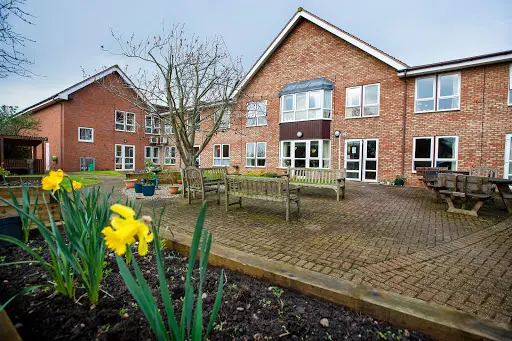
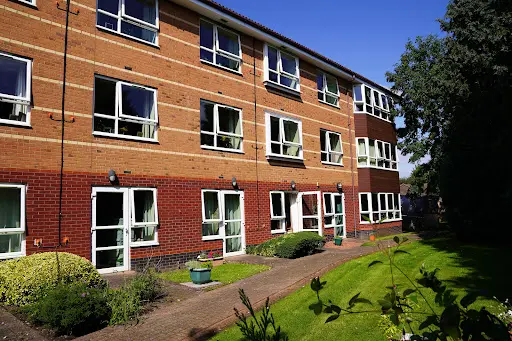
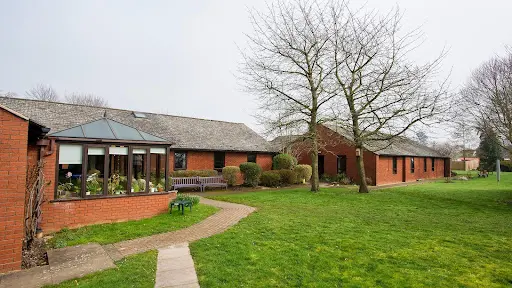
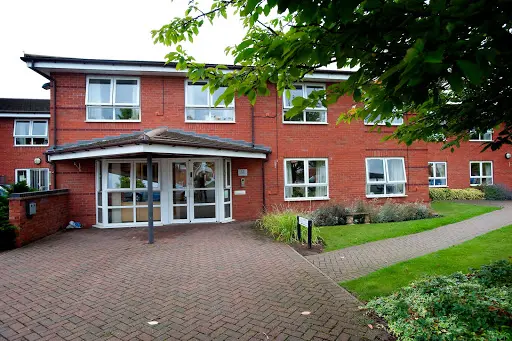
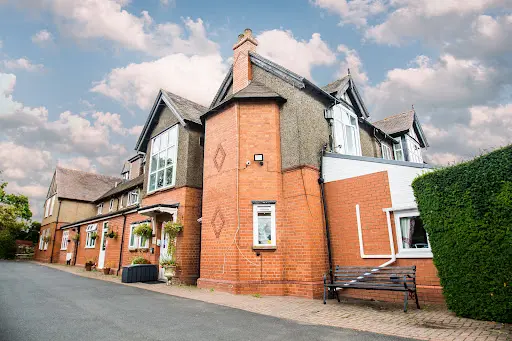
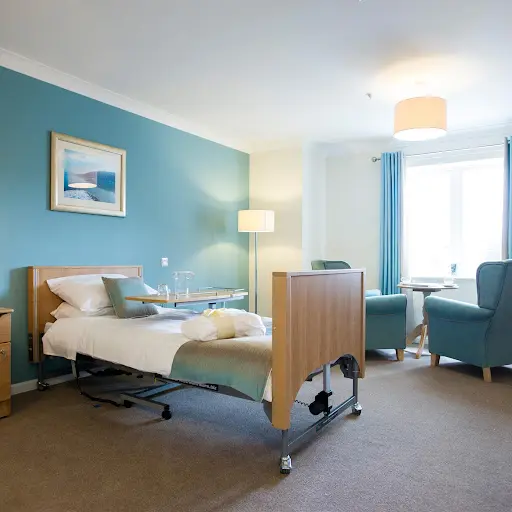
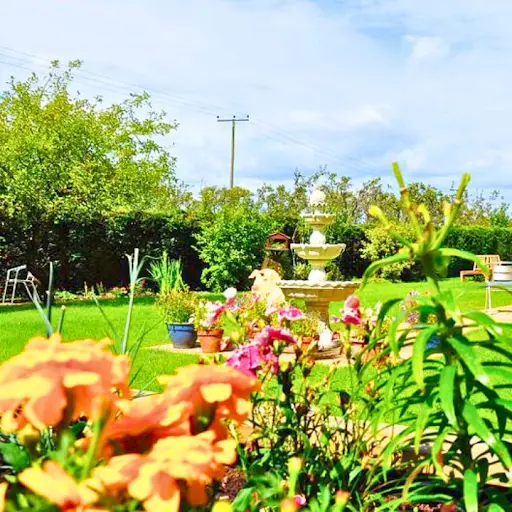
When families first visit Austen Court Care Home in Evesham, they often notice how carers stop to chat with residents throughout the day. This modern facility offers support for people with various needs, including dementia care and physical disabilities. The spacious rooms and well-maintained communal areas create a comfortable environment for both younger and older adults requiring care.
Who they care for
The home supports adults of all ages with various needs, including sensory impairments and physical disabilities. They also provide dementia care, adapting their approach to meet each person's individual requirements.
For residents with dementia, the team works to establish familiar routines and provide consistent support. The calm atmosphere and regular staff presence help create a reassuring environment.
“Visiting relatives often comment on seeing their loved ones looking relaxed and content in the communal areas.”
DCC does not edit or curate content in this tab. For independently curated information, see The Evidence and DCC Verdict.
The DCC Verdict
Our editorial view, built from the three lenses: what families tell us, what inspectors record, and how the home sits against good dementia-care practice.
DCC Family Score
Austen Court Care Home scores 72 out of 100, reflecting genuine strengths in how staff treat the people who live there and how the home is led, alongside a real concern in the Safe domain which was rated Requires Improvement at the last inspection. That gap between the caring quality and the safety rating is the most important thing to explore before you decide.
Homes in West Midlands typically score 68–82.The three-lens summary
What families tell us
Relatives describe feeling welcomed during visits, with management keeping them informed about any changes in their loved one's condition. Carers check on residents regularly in their rooms and common spaces, often stopping for a conversation or helping with daily needs without being asked.
What inspectors have recorded
Staff respond quickly when residents need assistance, whether in their rooms or shared spaces. The team maintains regular contact with families, updating them about their relative's wellbeing and any changes in their care needs.
How it sits against good practice
Visiting relatives often comment on seeing their loved ones looking relaxed and content in the communal areas.
Worth a visit
Austen Court Care Home in Evesham was inspected in June 2023 and rated Good overall, an improvement on its previous rating of Requires Improvement. Four of the five inspection domains, Effective, Caring, Responsive, and Well-Led, were rated Good, and the home supports a broad range of needs including dementia, physical disabilities, and sensory impairment across 69 beds. Two registered managers were in post at the time of inspection, which points to an active leadership structure. The most important thing to know before visiting is that the Safe domain was rated Requires Improvement. This means inspectors found gaps in how safety is managed, whether in staffing, medicines, risk assessment, or infection control. The published summary does not give enough detail to know exactly what those gaps were, so you should ask the manager directly what improvements were required and what has changed since August 2023. On your visit, ask to see the current staffing rota, ask how many permanent staff work the night shift, and ask how the home has responded to the safety concerns inspectors raised.
The three questions to ask when you visitSave this home. Compare it against your shortlist.
Let our analysis show you how Austen Court Care Home measures up against the other homes you’re considering. Free account.
In Their Own Words
How Austen Court Care Home describes itself — collected from its own website. DCC has not edited or independently verified the content in this tab.
Modern West Midlands home with spacious rooms and attentive daily care
Nursing home in Evesham: True Peace of Mind
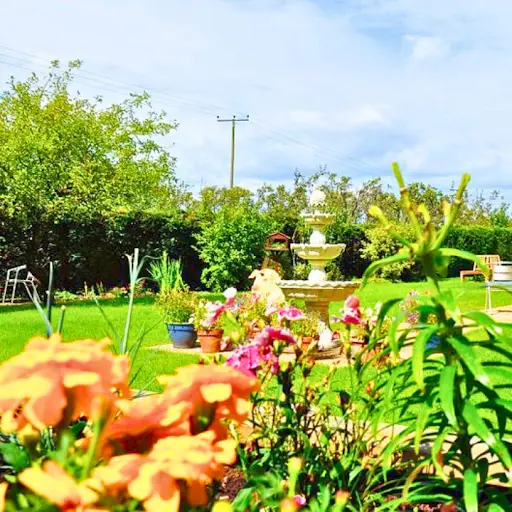
When families first visit Austen Court Care Home in Evesham, they often notice how carers stop to chat with residents throughout the day. This modern facility offers support for people with various needs, including dementia care and physical disabilities. The spacious rooms and well-maintained communal areas create a comfortable environment for both younger and older adults requiring care.
Who they care for
The home supports adults of all ages with various needs, including sensory impairments and physical disabilities. They also provide dementia care, adapting their approach to meet each person's individual requirements.
For residents with dementia, the team works to establish familiar routines and provide consistent support. The calm atmosphere and regular staff presence help create a reassuring environment.
Management & ethos
Staff respond quickly when residents need assistance, whether in their rooms or shared spaces. The team maintains regular contact with families, updating them about their relative's wellbeing and any changes in their care needs.
The home & environment
The in-house kitchen prepares fresh meals daily, with choices available throughout the day that residents seem to enjoy. The modern building features spacious bedrooms and bright communal areas where people can relax comfortably.
“Visiting relatives often comment on seeing their loved ones looking relaxed and content in the communal areas.”
DCC does not edit or curate content in this tab. For independently curated information, see The Evidence and DCC Verdict.