Ashley Grange Care Home – Hartford Care
At a Glance
The information you need to decide whether this home warrants a closer look.
Nursing homes
Staff warmth score
of reviewers answered yes
Good to know
- Registered beds55
- SpecialismsCaring for adults over 65 yrs, Caring for adults under 65 yrs, Dementia, Learning disabilities, Mental health conditions, Physical disabilities, Sensory impairment
- Last inspected2023-01-17
Save Ashley Grange Care Home – Hartford Care to your shortlist
Keep a running list, add visit notes, and compare homes side-by-side. Free account — it takes a minute.
STAGE 4 — RESEARCHING CARE HOMES
Visit homes. Compare them side by side. Choose with confidence.
Most of us will view care homes the way we view houses, impression, atmosphere, the feeling in the corridor. We go home, try to remember what we saw, and make a permanent decision from a blurred memory.

The DCC shortlist gives every home you visit a structured record: the same twelve questions, answered the same way, every time. When you’re ready to choose, pull any two homes side by side and compare them directly. Same criteria, same evidence, your notes and your scores.
The Evidence
What the review data, the inspection reports, and the dementia-care evidence base tell us about this home.
What families say
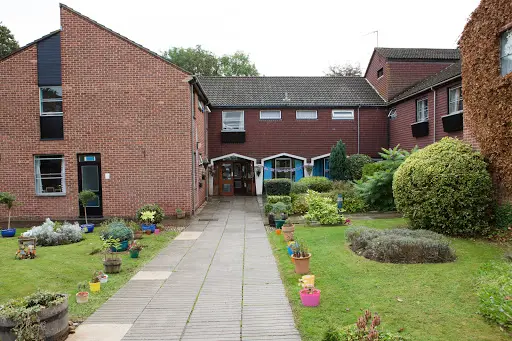
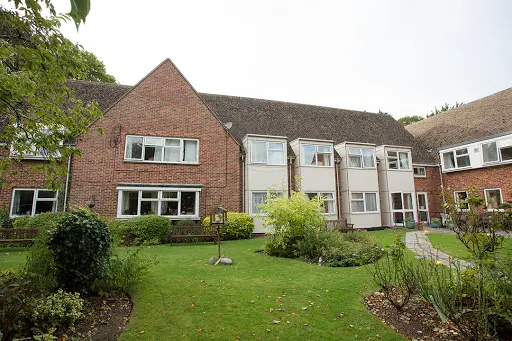
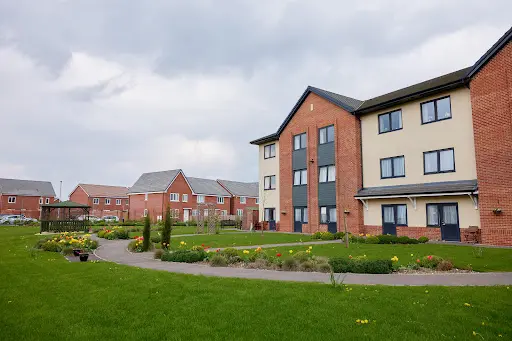
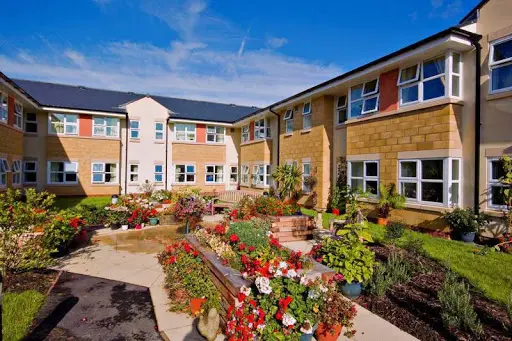
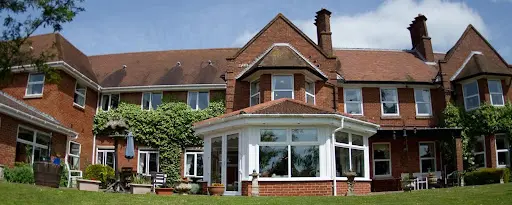
Families describe walking into a setting that feels welcoming rather than clinical, where residents seem genuinely content and engaged in activities throughout the day. The countryside location adds to the sense of calm, with well-maintained grounds providing a peaceful backdrop to daily life.
The eight family priority themes
- Staff warmth72
- Compassion & dignity72
- Cleanliness72
- Activities & engagement68
- Food quality68
- Healthcare72
- Management & leadership74
- Resident happiness70
What inspectors found
Inspected 2023-01-17
Is this home safe?
Is the care effective?
The Effective domain was rated Good at the October 2025 inspection. The home provides nursing care for a wide range of needs including dementia, learning disabilities, mental health conditions, and physical and sensory disabilities. No specific detail is available in the published report about care plan quality, dementia training content, GP access arrangements, or food and nutrition practice.Is this home caring?
The Caring domain was rated Good at the October 2025 inspection. No inspector observations of staff interactions, no resident or family quotes, and no specific examples of practice are included in the available published text. The home supports people with a wide range of conditions, which requires staff to adapt their communication and approach to each individual.Is the home responsive?
The Responsive domain was rated Good at the October 2025 inspection. The home supports a diverse range of needs across multiple specialisms, which requires individualised approaches to activities and daily life. No specific examples of activity provision, one-to-one engagement, or end-of-life care practice are included in the available published text.Is the home well-led?
The Well-led domain was rated Good at the October 2025 inspection. The nominated individual responsible for the home is Mrs Emma Marie Jones. The home has been through a significant quality recovery, moving from Inadequate to Good across all domains. No specific detail about management visibility, staff culture, governance systems, or how the home responds to complaints is included in the available published text.
Source: CQC inspection report →
What the evidence base says
The home provides specialist support for people with sensory impairments, learning disabilities, and mental health conditions alongside dementia care. They welcome both younger adults under 65 and older residents, adapting their approach to suit different needs and life stages. For residents living with dementia, the home focuses on maintaining dignity and quality of life through meaningful activities and patient, understanding care. Families have particularly noted how staff preserve residents' sense of self even as the condition progresses. All areas worth probing directly during a visit.
The DCC Verdict
Our editorial view, built from the three lenses: what families tell us, what inspectors record, and how the home sits against good dementia-care practice.
DCC Family Score
Ashley Grange Nursing Home has moved from Inadequate to a full set of Good ratings across all five domains at its most recent inspection, which is a meaningful recovery. However, the published report text contains very limited specific detail, so scores reflect positive but general evidence rather than rich, observed specifics.
Homes in South West typically score 68–82.The three-lens summary
What families tell us
Families describe walking into a setting that feels welcoming rather than clinical, where residents seem genuinely content and engaged in activities throughout the day. The countryside location adds to the sense of calm, with well-maintained grounds providing a peaceful backdrop to daily life.
What inspectors have recorded
Staff take time to stop and chat properly with residents, responding quickly when help is needed without that rushed feeling you sometimes get in care settings. The manager and administrator are visible presences who set a caring tone, though one family did raise concerns about organisational policies feeling disconnected from the kindness shown by individual carers.
How it sits against good practice
While most families speak warmly of the care their loved ones receive here, it's worth having a detailed chat about communication policies and organisational procedures during your visit.
Worth a visit
Ashley Grange Nursing Home, on Lode Hill in Salisbury, was assessed in October 2025 and rated Good across all five inspection domains, with the report published in December 2025. This follows a previous Inadequate rating, making the improvement significant. The home offers 55 beds and supports people with dementia, learning disabilities, mental health conditions, physical disabilities, and sensory impairments, across both over-65 and under-65 age groups. The main uncertainty here is one of detail rather than direction. The published inspection text is very brief and contains no specific inspector observations, resident or family quotes, or examples of practice in any domain. The Good ratings are real and meaningful, but they cannot tell you what daily life looks and feels like for your mum or dad. Before making a decision, visit in person, ideally at lunchtime or late afternoon when the home is at its busiest, and work through the checklist questions below with the manager. Pay particular attention to night staffing ratios, agency staff use, and how the team supports people with dementia who become distressed.
The three questions to ask when you visitSave this home. Compare it against your shortlist.
Let our analysis show you how Ashley Grange Care Home – Hartford Care measures up against the other homes you’re considering. Free account.
In Their Own Words
How Ashley Grange Care Home – Hartford Care describes itself — collected from its own website. DCC has not edited or independently verified the content in this tab.
Where compassionate care meets countryside tranquillity in Salisbury
Nursing home in Salisbury: True Peace of Mind
When families talk about Ashley Grange Nursing Home in Salisbury, they speak of nurses who sit down for proper chats and a warmth that extends beyond professional duty. This South West care home has built its reputation on creating genuine connections with residents, whether they're living with dementia, physical disabilities, or approaching life's final chapter.
Who they care for
The home provides specialist support for people with sensory impairments, learning disabilities, and mental health conditions alongside dementia care. They welcome both younger adults under 65 and older residents, adapting their approach to suit different needs and life stages.
For residents living with dementia, the home focuses on maintaining dignity and quality of life through meaningful activities and patient, understanding care. Families have particularly noted how staff preserve residents' sense of self even as the condition progresses.
“While most families speak warmly of the care their loved ones receive here, it's worth having a detailed chat about communication policies and organisational procedures during your visit.”
DCC does not edit or curate content in this tab. For independently curated information, see The Evidence and DCC Verdict.
The DCC Verdict
Our editorial view, built from the three lenses: what families tell us, what inspectors record, and how the home sits against good dementia-care practice.
DCC Family Score
Ashley Grange Nursing Home has moved from Inadequate to a full set of Good ratings across all five domains at its most recent inspection, which is a meaningful recovery. However, the published report text contains very limited specific detail, so scores reflect positive but general evidence rather than rich, observed specifics.
Homes in South West typically score 68–82.The three-lens summary
What families tell us
Families describe walking into a setting that feels welcoming rather than clinical, where residents seem genuinely content and engaged in activities throughout the day. The countryside location adds to the sense of calm, with well-maintained grounds providing a peaceful backdrop to daily life.
What inspectors have recorded
Staff take time to stop and chat properly with residents, responding quickly when help is needed without that rushed feeling you sometimes get in care settings. The manager and administrator are visible presences who set a caring tone, though one family did raise concerns about organisational policies feeling disconnected from the kindness shown by individual carers.
How it sits against good practice
While most families speak warmly of the care their loved ones receive here, it's worth having a detailed chat about communication policies and organisational procedures during your visit.
Worth a visit
Ashley Grange Nursing Home, on Lode Hill in Salisbury, was assessed in October 2025 and rated Good across all five inspection domains, with the report published in December 2025. This follows a previous Inadequate rating, making the improvement significant. The home offers 55 beds and supports people with dementia, learning disabilities, mental health conditions, physical disabilities, and sensory impairments, across both over-65 and under-65 age groups. The main uncertainty here is one of detail rather than direction. The published inspection text is very brief and contains no specific inspector observations, resident or family quotes, or examples of practice in any domain. The Good ratings are real and meaningful, but they cannot tell you what daily life looks and feels like for your mum or dad. Before making a decision, visit in person, ideally at lunchtime or late afternoon when the home is at its busiest, and work through the checklist questions below with the manager. Pay particular attention to night staffing ratios, agency staff use, and how the team supports people with dementia who become distressed.
The three questions to ask when you visitSave this home. Compare it against your shortlist.
Let our analysis show you how Ashley Grange Care Home – Hartford Care measures up against the other homes you’re considering. Free account.
In Their Own Words
How Ashley Grange Care Home – Hartford Care describes itself — collected from its own website. DCC has not edited or independently verified the content in this tab.
Where compassionate care meets countryside tranquillity in Salisbury
Nursing home in Salisbury: True Peace of Mind
When families talk about Ashley Grange Nursing Home in Salisbury, they speak of nurses who sit down for proper chats and a warmth that extends beyond professional duty. This South West care home has built its reputation on creating genuine connections with residents, whether they're living with dementia, physical disabilities, or approaching life's final chapter.
Who they care for
The home provides specialist support for people with sensory impairments, learning disabilities, and mental health conditions alongside dementia care. They welcome both younger adults under 65 and older residents, adapting their approach to suit different needs and life stages.
For residents living with dementia, the home focuses on maintaining dignity and quality of life through meaningful activities and patient, understanding care. Families have particularly noted how staff preserve residents' sense of self even as the condition progresses.
Management & ethos
Staff take time to stop and chat properly with residents, responding quickly when help is needed without that rushed feeling you sometimes get in care settings. The manager and administrator are visible presences who set a caring tone, though one family did raise concerns about organisational policies feeling disconnected from the kindness shown by individual carers.
The home & environment
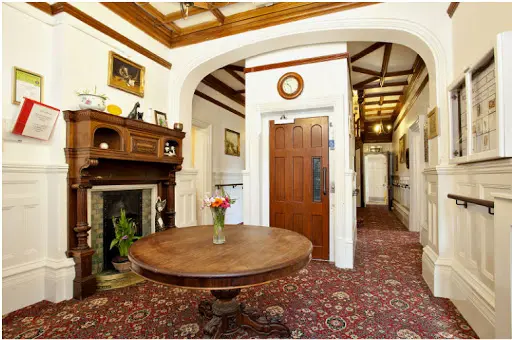
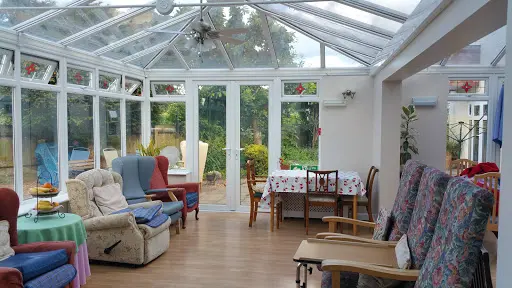
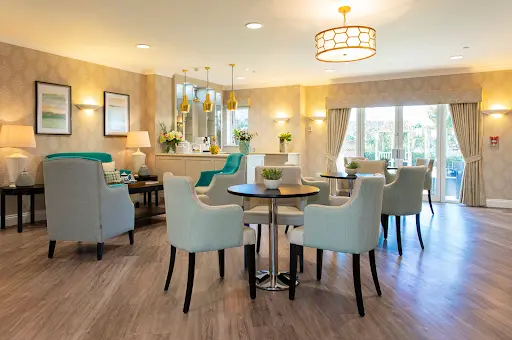
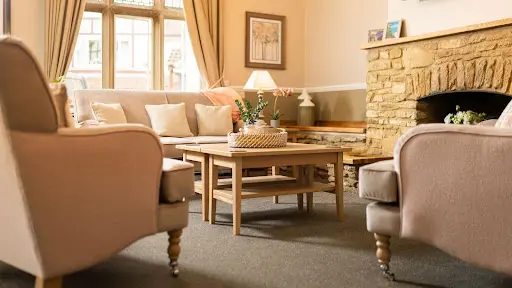
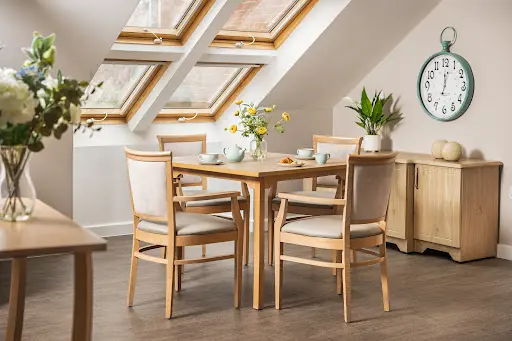
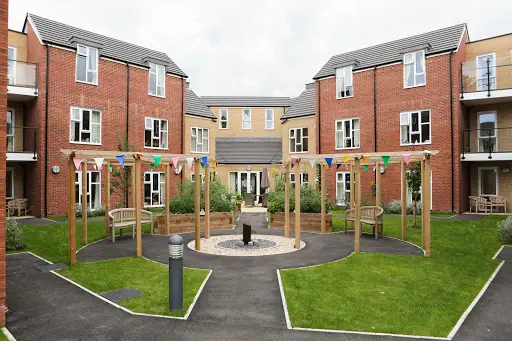
The home maintains a comfortable, homely atmosphere that families appreciate. Good food appears to be a consistent bright spot, and the surroundings are kept clean and pleasant, creating an environment where residents can feel at ease.
“While most families speak warmly of the care their loved ones receive here, it's worth having a detailed chat about communication policies and organisational procedures during your visit.”
DCC does not edit or curate content in this tab. For independently curated information, see The Evidence and DCC Verdict.