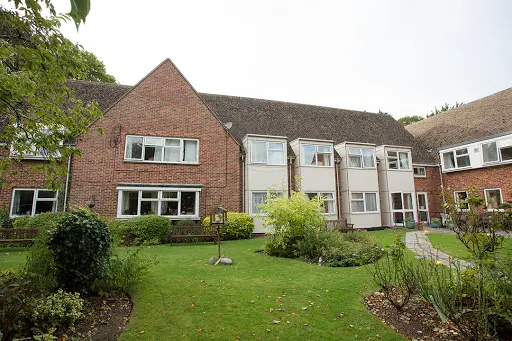
Savernake View Care Home

At a Glance
The information you need to decide whether this home warrants a closer look.
Nursing homes
Staff warmth score
of reviewers answered yes
Good to know
- Registered beds64
- SpecialismsCaring for adults over 65 yrs, Caring for adults under 65 yrs, Dementia
- Last inspected2022-12-31
Save Savernake View Care Home to your shortlist
Keep a running list, add visit notes, and compare homes side-by-side. Free account — it takes a minute.
STAGE 4 — RESEARCHING CARE HOMES
Visit homes. Compare them side by side. Choose with confidence.
Most of us will view care homes the way we view houses, impression, atmosphere, the feeling in the corridor. We go home, try to remember what we saw, and make a permanent decision from a blurred memory.

The DCC shortlist gives every home you visit a structured record: the same twelve questions, answered the same way, every time. When you’re ready to choose, pull any two homes side by side and compare them directly. Same criteria, same evidence, your notes and your scores.
The Evidence
What the review data, the inspection reports, and the dementia-care evidence base tell us about this home.
What families say
Visitors often comment on the authentic warmth they encounter here — staff who remember family members' names and residents who are visibly happy and engaged. The home has a genuine buzz of activity, with residents participating in everything from music sessions to gardening, creating a sense of community that extends beyond basic care routines. People describe finding their loved ones comfortable, well-presented and actively involved in the life of the home.
The eight family priority themes
- Staff warmth72
- Compassion & dignity72
- Cleanliness70
- Activities & engagement65
- Food quality65
- Healthcare70
- Management & leadership75
- Resident happiness70
What inspectors found
Inspected 2022-12-31
Is this home safe?
Is the care effective?
The Effective domain was rated Good at the December 2022 inspection. This covers care planning, dementia training, food quality, and healthcare access including GP involvement. The home lists dementia as a specialism, which means inspectors will have looked at whether training and care approaches are appropriate. No specific detail about the content of dementia training, how often care plans are reviewed, or what the food offer looks like is recorded in the available report text. The Good rating indicates inspectors were satisfied with the overall standard.Is this home caring?
The Caring domain was rated Good at the December 2022 inspection. This is the domain most directly concerned with whether staff treat your parent with warmth, respect, and genuine kindness. The published report text does not include specific inspector observations about staff interactions, resident testimony about how they feel, or examples of dignity being upheld in practice. The Good rating indicates inspectors were satisfied, but the evidence behind that judgment is not visible in the published findings.Is the home responsive?
The Responsive domain was rated Good at the December 2022 inspection. This covers activities, individual engagement, how the home meets changing needs, and end-of-life care planning. The home lists dementia as a specialism, which implies some tailoring of its approach to individual needs. No specific detail about the activities programme, one-to-one engagement, or how the home supports people who cannot participate in group activities is recorded in the published report text.Is the home well-led?
The Well-led domain was rated Good at the December 2022 inspection, and the overall improvement from Requires Improvement to Good is a direct reflection of leadership quality. The home has a named registered manager and a nominated individual recorded in the inspection documents. The improvement trajectory is the most meaningful signal here: it takes active, sustained management effort to move every domain from Requires Improvement to Good. The published report text does not provide detail about how long the current manager has been in post, staff retention, or how the home handles complaints.
Source: CQC inspection report →
What the evidence base says
Savernake View specialises in caring for adults over 65, including those living with dementia, as well as supporting younger adults with care needs. The home has shown capability in managing complex conditions, including providing compassionate end-of-life care. For residents living with dementia, the home provides structured support within its broader community setting. Staff show understanding of how to engage residents meaningfully, using activities and familiar routines to maintain connections and reduce anxiety. All areas worth probing directly during a visit.
The DCC Verdict
Our editorial view, built from the three lenses: what families tell us, what inspectors record, and how the home sits against good dementia-care practice.
DCC Family Score
Savernake View Care Home achieved a Good rating across all five domains at its December 2022 inspection, having improved from a previous Requires Improvement rating. The scores reflect broadly positive but general findings, with limited specific observations, quotes, or detailed evidence available in the published report text.
Homes in South West typically score 68–82.The three-lens summary
What families tell us
Visitors often comment on the authentic warmth they encounter here — staff who remember family members' names and residents who are visibly happy and engaged. The home has a genuine buzz of activity, with residents participating in everything from music sessions to gardening, creating a sense of community that extends beyond basic care routines. People describe finding their loved ones comfortable, well-presented and actively involved in the life of the home.
What inspectors have recorded
The staff team demonstrates a consistent approach to care that goes beyond meeting basic needs — they're known for taking time to understand each resident as an individual. Communication with families is generally strong, particularly during challenging times such as end-of-life care, where the support extends to family members as well as residents. The home maintains good standards of cleanliness and safety while keeping the atmosphere relaxed and homely.
How it sits against good practice
While the admissions process can benefit from clearer communication, the care itself reflects a team who understand that small moments of joy and connection matter just as much as meeting medical needs.
Worth a visit
Savernake View Care Home, in Marlborough, was rated Good across all five inspection domains at its most recent inspection in December 2022, having previously held a Requires Improvement rating. That improvement matters: it tells you that when problems were identified, the management team addressed them. The home offers nursing care alongside personal care and lists dementia as a specialism, and it is registered for up to 64 beds. The main uncertainty here is the limited detail available in the published inspection text. The ratings are genuinely positive, but the report provides very little specific evidence about what daily life looks like for the people who live here. You cannot rely on the rating alone when choosing a dementia nursing home. Visit at a time that has not been arranged in advance, watch how staff talk to your parent in the corridor, ask to see last week's actual staffing rota rather than a template, and find out specifically what happens on the dementia unit after 8pm when the day shift ends.
The three questions to ask when you visitSave this home. Compare it against your shortlist.
Let our analysis show you how Savernake View Care Home measures up against the other homes you’re considering. Free account.
In Their Own Words
How Savernake View Care Home describes itself — collected from its own website. DCC has not edited or independently verified the content in this tab.
Where laughter fills the corridors and residents truly flourish
Savernake View Care Home – Your Trusted nursing home
Walking through Savernake View Care Home in Marlborough, you'll notice something special — residents who are genuinely engaged, comfortable and content with their days. This well-established home has built a reputation for creating an environment where people don't just receive care, they continue living meaningful lives. The combination of attentive staff, thoughtfully designed spaces and a vibrant activities programme helps residents maintain their sense of self while receiving the support they need.
Who they care for
Savernake View specialises in caring for adults over 65, including those living with dementia, as well as supporting younger adults with care needs. The home has shown capability in managing complex conditions, including providing compassionate end-of-life care.
For residents living with dementia, the home provides structured support within its broader community setting. Staff show understanding of how to engage residents meaningfully, using activities and familiar routines to maintain connections and reduce anxiety.
“While the admissions process can benefit from clearer communication, the care itself reflects a team who understand that small moments of joy and connection matter just as much as meeting medical needs.”
DCC does not edit or curate content in this tab. For independently curated information, see The Evidence and DCC Verdict.
The DCC Verdict
Our editorial view, built from the three lenses: what families tell us, what inspectors record, and how the home sits against good dementia-care practice.
DCC Family Score
Savernake View Care Home achieved a Good rating across all five domains at its December 2022 inspection, having improved from a previous Requires Improvement rating. The scores reflect broadly positive but general findings, with limited specific observations, quotes, or detailed evidence available in the published report text.
Homes in South West typically score 68–82.The three-lens summary
What families tell us
Visitors often comment on the authentic warmth they encounter here — staff who remember family members' names and residents who are visibly happy and engaged. The home has a genuine buzz of activity, with residents participating in everything from music sessions to gardening, creating a sense of community that extends beyond basic care routines. People describe finding their loved ones comfortable, well-presented and actively involved in the life of the home.
What inspectors have recorded
The staff team demonstrates a consistent approach to care that goes beyond meeting basic needs — they're known for taking time to understand each resident as an individual. Communication with families is generally strong, particularly during challenging times such as end-of-life care, where the support extends to family members as well as residents. The home maintains good standards of cleanliness and safety while keeping the atmosphere relaxed and homely.
How it sits against good practice
While the admissions process can benefit from clearer communication, the care itself reflects a team who understand that small moments of joy and connection matter just as much as meeting medical needs.
Worth a visit
Savernake View Care Home, in Marlborough, was rated Good across all five inspection domains at its most recent inspection in December 2022, having previously held a Requires Improvement rating. That improvement matters: it tells you that when problems were identified, the management team addressed them. The home offers nursing care alongside personal care and lists dementia as a specialism, and it is registered for up to 64 beds. The main uncertainty here is the limited detail available in the published inspection text. The ratings are genuinely positive, but the report provides very little specific evidence about what daily life looks like for the people who live here. You cannot rely on the rating alone when choosing a dementia nursing home. Visit at a time that has not been arranged in advance, watch how staff talk to your parent in the corridor, ask to see last week's actual staffing rota rather than a template, and find out specifically what happens on the dementia unit after 8pm when the day shift ends.
The three questions to ask when you visitSave this home. Compare it against your shortlist.
Let our analysis show you how Savernake View Care Home measures up against the other homes you’re considering. Free account.
In Their Own Words
How Savernake View Care Home describes itself — collected from its own website. DCC has not edited or independently verified the content in this tab.
Where laughter fills the corridors and residents truly flourish
Savernake View Care Home – Your Trusted nursing home
Walking through Savernake View Care Home in Marlborough, you'll notice something special — residents who are genuinely engaged, comfortable and content with their days. This well-established home has built a reputation for creating an environment where people don't just receive care, they continue living meaningful lives. The combination of attentive staff, thoughtfully designed spaces and a vibrant activities programme helps residents maintain their sense of self while receiving the support they need.
Who they care for
Savernake View specialises in caring for adults over 65, including those living with dementia, as well as supporting younger adults with care needs. The home has shown capability in managing complex conditions, including providing compassionate end-of-life care.
For residents living with dementia, the home provides structured support within its broader community setting. Staff show understanding of how to engage residents meaningfully, using activities and familiar routines to maintain connections and reduce anxiety.
Management & ethos
The staff team demonstrates a consistent approach to care that goes beyond meeting basic needs — they're known for taking time to understand each resident as an individual. Communication with families is generally strong, particularly during challenging times such as end-of-life care, where the support extends to family members as well as residents. The home maintains good standards of cleanliness and safety while keeping the atmosphere relaxed and homely.
The home & environment
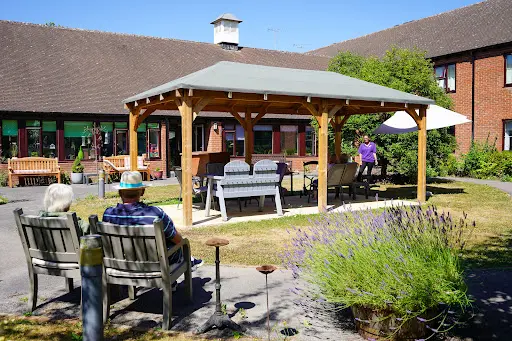
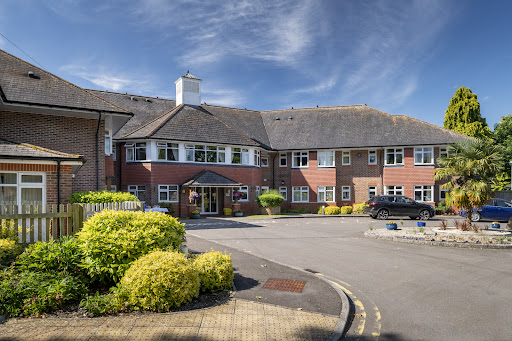
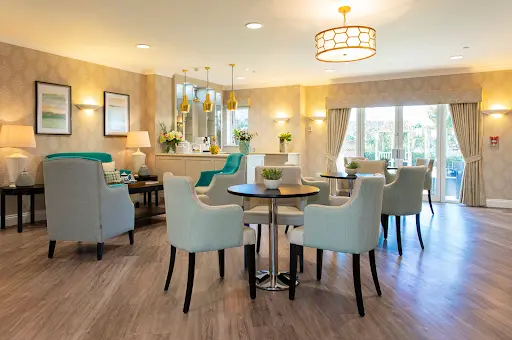
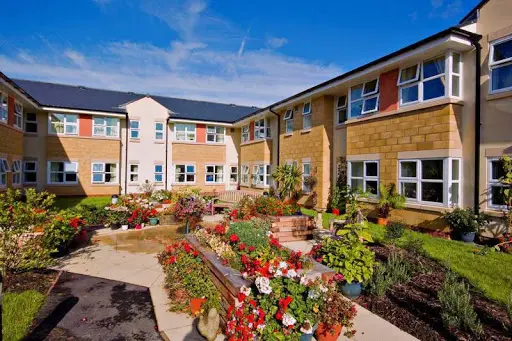
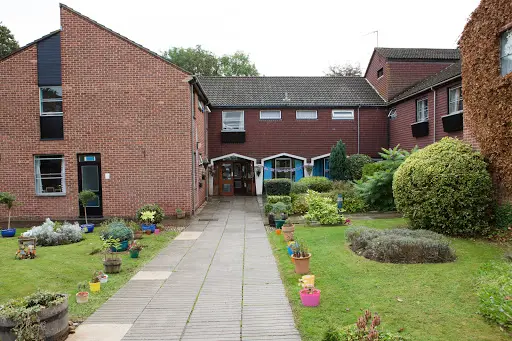
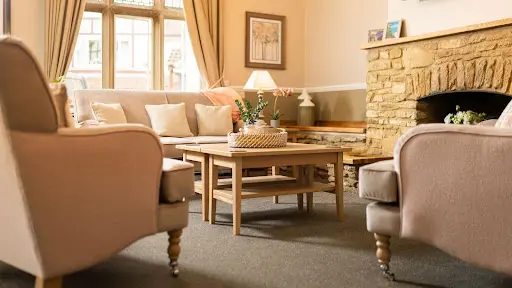
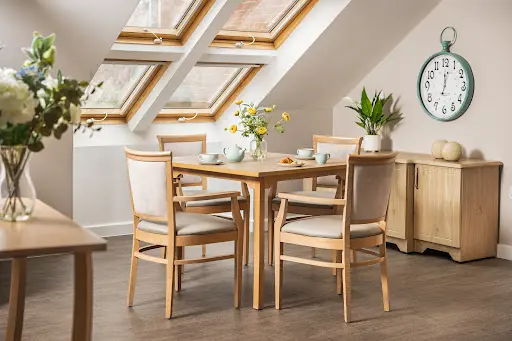
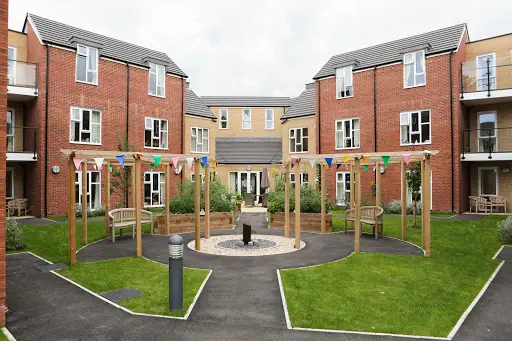
The physical environment strikes a balance between comfort and practicality, with bright, spacious bedrooms and well-maintained communal areas that feel more residential than institutional. There's a dedicated cinema room, a proper salon, and beautiful garden spaces including an orangery where residents can enjoy the outdoors safely. The kitchen produces fresh, home-cooked meals daily, with the aroma of baking often drifting through the corridors.
“While the admissions process can benefit from clearer communication, the care itself reflects a team who understand that small moments of joy and connection matter just as much as meeting medical needs.”
DCC does not edit or curate content in this tab. For independently curated information, see The Evidence and DCC Verdict.