Ferfoot Care Home
At a Glance
The information you need to decide whether this home warrants a closer look.
Residential homes
Staff warmth score
of reviewers answered yes
Good to know
- Registered beds52
- SpecialismsCaring for adults over 65 yrs, Caring for adults under 65 yrs, Dementia
- Last inspected2022-01-18
Save Ferfoot Care Home to your shortlist
Keep a running list, add visit notes, and compare homes side-by-side. Free account — it takes a minute.
STAGE 4 — RESEARCHING CARE HOMES
Visit homes. Compare them side by side. Choose with confidence.
Most of us will view care homes the way we view houses, impression, atmosphere, the feeling in the corridor. We go home, try to remember what we saw, and make a permanent decision from a blurred memory.

The DCC shortlist gives every home you visit a structured record: the same twelve questions, answered the same way, every time. When you’re ready to choose, pull any two homes side by side and compare them directly. Same criteria, same evidence, your notes and your scores.
The Evidence
What the review data, the inspection reports, and the dementia-care evidence base tell us about this home.
What families say
Visitors often comment on the friendly manner of staff here and the way they take time with residents. There's a flexibility in how new residents settle in, with the management adapting their approach to suit different circumstances and needs.
The eight family priority themes
- Staff warmth55
- Compassion & dignity58
- Cleanliness60
- Activities & engagement52
- Food quality52
- Healthcare58
- Management & leadership42
- Resident happiness55
What inspectors found
Inspected 2022-01-18
Is this home safe?
Is the care effective?
The Effective domain was rated Good at the December 2021 inspection. Dementia is listed as a specialism of the home, meaning the home is expected to demonstrate relevant training and care approaches. The published summary does not include specific observations about care plan quality, GP access, medicines management, or the content of dementia training provided to staff. The rating alone confirms a satisfactory level of practice was evidenced during the inspection, but the detail behind that finding is not available in the published report.Is this home caring?
The Caring domain was rated Good at the December 2021 inspection. This is the domain families feel most strongly about, covering staff warmth, dignity, and how residents are treated day to day. The published report does not include direct quotes from residents or relatives, nor specific inspector observations about how staff interacted with people living there. The Good rating means inspectors were satisfied with the evidence seen during the visit, but without supporting detail it is not possible to confirm what that evidence was.Is the home responsive?
The Responsive domain was rated Good at the December 2021 inspection. This domain covers activities, engagement, and how well the home responds to individual needs and preferences. The home lists dementia as a specialism and cares for both adults over 65 and adults under 65, meaning it needs to offer varied and age-appropriate activities. The published report does not include specific examples of activities offered, evidence of individual activity planning, or information about how residents who cannot join group sessions are supported.Is the home well-led?
The Well-led domain was rated Requires Improvement at the December 2021 inspection, the one area where the home did not achieve a Good rating. A registered manager, Mrs Claire Louise Prangle, is named in the report, and a nominated individual, Ms Rachel Harvey, is listed at provider level. The published summary does not explain what specific concerns were identified to produce the Requires Improvement rating, what actions were required of the home, or what timescale was set for improvement. This is a significant gap in publicly available information for families.
Source: CQC inspection report →
What the evidence base says
The home provides care for adults over 65, younger adults with care needs, and people living with dementia. This mixed resident group means the team works with varying needs and conditions. For residents with dementia, the home's person-centred approach means adapting care to individual circumstances. Staff work to understand personal preferences and respond to changing needs. All areas worth probing directly during a visit.
The DCC Verdict
Our editorial view, built from the three lenses: what families tell us, what inspectors record, and how the home sits against good dementia-care practice.
DCC Family Score
Ferfoot Care Home scores 68 out of 100. Most areas were rated Good at the December 2021 inspection, which is a meaningful improvement from the previous Requires Improvement rating, but the Well-led domain remains Requires Improvement and the published report provides limited specific detail for families to assess day-to-day life.
Homes in South West typically score 68–82.The three-lens summary
What families tell us
Visitors often comment on the friendly manner of staff here and the way they take time with residents. There's a flexibility in how new residents settle in, with the management adapting their approach to suit different circumstances and needs.
What inspectors have recorded
Staff are frequently described as attentive to individual needs, taking time to learn personal preferences. Some visitors have observed situations where resident dignity and supervision could be improved, particularly in communal spaces. The team's approach varies, with most interactions described as kind, though consistency appears to fluctuate.
How it sits against good practice
Visiting Ferfoot will give you the clearest sense of whether their approach to individual care fits what you're looking for.
Worth a visit
Ferfoot Care Home, on The Folly in Chippenham, was rated Good overall at its inspection in December 2021, an improvement from a previous Requires Improvement rating. Four of the five domains, Safe, Effective, Caring, and Responsive, were all rated Good. The home supports up to 52 residents, including people living with dementia and adults under 65, and is operated by Aria Healthcare Group. This upward trend is encouraging and suggests the home has addressed earlier concerns. The important caveat is that the Well-led domain remains Requires Improvement, and the published inspection report contains very limited specific detail about what daily life is actually like for your parent. Families considering this home should visit in person, ideally around a mealtime or during an activity session, and ask the manager directly about night staffing numbers, agency staff use, and what actions have been taken to resolve the leadership concerns that kept Well-led below Good. The questions in the checklist above give you a concrete starting point.
The three questions to ask when you visitSave this home. Compare it against your shortlist.
Let our analysis show you how Ferfoot Care Home measures up against the other homes you’re considering. Free account.
In Their Own Words
How Ferfoot Care Home describes itself — collected from its own website. DCC has not edited or independently verified the content in this tab.
Where individual needs shape everyday care in Chippenham
Ferfoot Care Home – Expert Care in Chippenham
Finding the right care home means looking beyond first impressions to understand how a place really works day to day. Ferfoot Care Home in Chippenham supports adults over 65 and younger adults with care needs, including those living with dementia. The home's approach centres on responding to each person's individual preferences and circumstances.
Who they care for
The home provides care for adults over 65, younger adults with care needs, and people living with dementia. This mixed resident group means the team works with varying needs and conditions.
For residents with dementia, the home's person-centred approach means adapting care to individual circumstances. Staff work to understand personal preferences and respond to changing needs.
“Visiting Ferfoot will give you the clearest sense of whether their approach to individual care fits what you're looking for.”
DCC does not edit or curate content in this tab. For independently curated information, see The Evidence and DCC Verdict.
The DCC Verdict
Our editorial view, built from the three lenses: what families tell us, what inspectors record, and how the home sits against good dementia-care practice.
DCC Family Score
Ferfoot Care Home scores 68 out of 100. Most areas were rated Good at the December 2021 inspection, which is a meaningful improvement from the previous Requires Improvement rating, but the Well-led domain remains Requires Improvement and the published report provides limited specific detail for families to assess day-to-day life.
Homes in South West typically score 68–82.The three-lens summary
What families tell us
Visitors often comment on the friendly manner of staff here and the way they take time with residents. There's a flexibility in how new residents settle in, with the management adapting their approach to suit different circumstances and needs.
What inspectors have recorded
Staff are frequently described as attentive to individual needs, taking time to learn personal preferences. Some visitors have observed situations where resident dignity and supervision could be improved, particularly in communal spaces. The team's approach varies, with most interactions described as kind, though consistency appears to fluctuate.
How it sits against good practice
Visiting Ferfoot will give you the clearest sense of whether their approach to individual care fits what you're looking for.
Worth a visit
Ferfoot Care Home, on The Folly in Chippenham, was rated Good overall at its inspection in December 2021, an improvement from a previous Requires Improvement rating. Four of the five domains, Safe, Effective, Caring, and Responsive, were all rated Good. The home supports up to 52 residents, including people living with dementia and adults under 65, and is operated by Aria Healthcare Group. This upward trend is encouraging and suggests the home has addressed earlier concerns. The important caveat is that the Well-led domain remains Requires Improvement, and the published inspection report contains very limited specific detail about what daily life is actually like for your parent. Families considering this home should visit in person, ideally around a mealtime or during an activity session, and ask the manager directly about night staffing numbers, agency staff use, and what actions have been taken to resolve the leadership concerns that kept Well-led below Good. The questions in the checklist above give you a concrete starting point.
The three questions to ask when you visitSave this home. Compare it against your shortlist.
Let our analysis show you how Ferfoot Care Home measures up against the other homes you’re considering. Free account.
In Their Own Words
How Ferfoot Care Home describes itself — collected from its own website. DCC has not edited or independently verified the content in this tab.
Where individual needs shape everyday care in Chippenham
Ferfoot Care Home – Expert Care in Chippenham
Finding the right care home means looking beyond first impressions to understand how a place really works day to day. Ferfoot Care Home in Chippenham supports adults over 65 and younger adults with care needs, including those living with dementia. The home's approach centres on responding to each person's individual preferences and circumstances.
Who they care for
The home provides care for adults over 65, younger adults with care needs, and people living with dementia. This mixed resident group means the team works with varying needs and conditions.
For residents with dementia, the home's person-centred approach means adapting care to individual circumstances. Staff work to understand personal preferences and respond to changing needs.
Management & ethos
Staff are frequently described as attentive to individual needs, taking time to learn personal preferences. Some visitors have observed situations where resident dignity and supervision could be improved, particularly in communal spaces. The team's approach varies, with most interactions described as kind, though consistency appears to fluctuate.
The home & environment
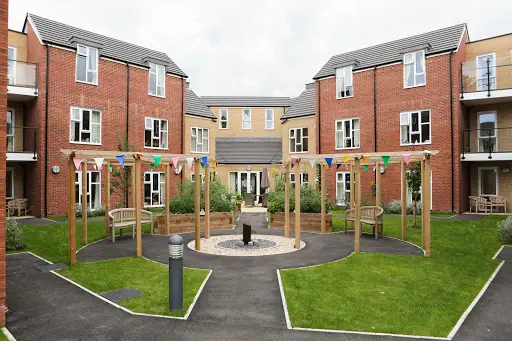
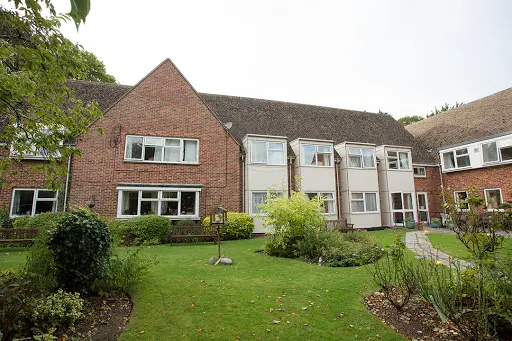
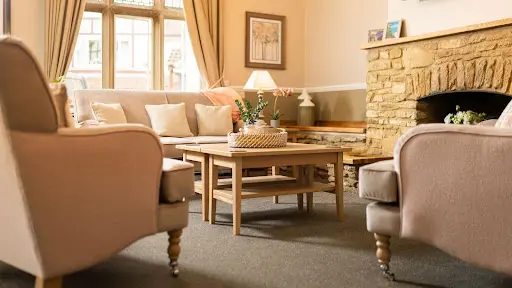
The food service receives mixed feedback — some visitors note well-presented, nutritious meals with snacks and drinks readily available throughout the day, while others find the meals less appealing. However, several visitors have raised concerns about persistent odours in communal areas and the condition of furniture, which appears worn in places.
“Visiting Ferfoot will give you the clearest sense of whether their approach to individual care fits what you're looking for.”
DCC does not edit or curate content in this tab. For independently curated information, see The Evidence and DCC Verdict.