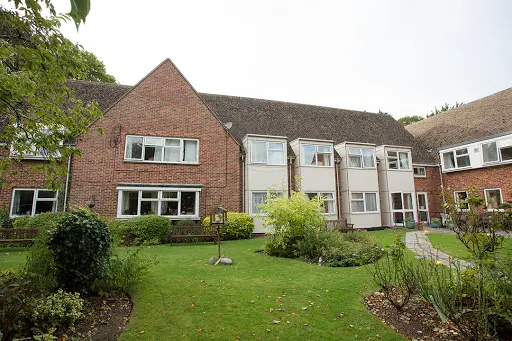
Ridgeway Rise Care Home
At a Glance
The information you need to decide whether this home warrants a closer look.
Nursing homes
Staff warmth score
of reviewers answered yes
Good to know
- Registered beds73
- SpecialismsCaring for adults over 65 yrs, Caring for adults under 65 yrs, Dementia, Mental health conditions, Physical disabilities, Sensory impairment
- Last inspected2020-01-15
Save Ridgeway Rise Care Home to your shortlist
Keep a running list, add visit notes, and compare homes side-by-side. Free account — it takes a minute.
STAGE 4 — RESEARCHING CARE HOMES
Visit homes. Compare them side by side. Choose with confidence.
Most of us will view care homes the way we view houses, impression, atmosphere, the feeling in the corridor. We go home, try to remember what we saw, and make a permanent decision from a blurred memory.

The DCC shortlist gives every home you visit a structured record: the same twelve questions, answered the same way, every time. When you’re ready to choose, pull any two homes side by side and compare them directly. Same criteria, same evidence, your notes and your scores.
The Evidence
What the review data, the inspection reports, and the dementia-care evidence base tell us about this home.
What families say
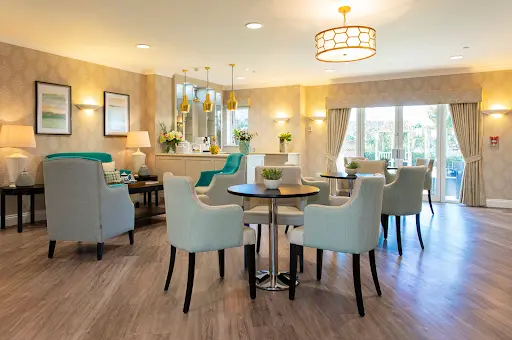
People describe walking into a space that feels more like a well-run hotel than a care facility. The warmth comes through in how staff interact with residents — taking time to chat, responding quickly when needed, and showing genuine kindness in their daily care. Activities here go beyond the usual bingo, with residents tending vegetable gardens, enjoying live entertainment, and celebrating special occasions together.
The eight family priority themes
- Staff warmth55
- Compassion & dignity55
- Cleanliness55
- Activities & engagement50
- Food quality50
- Healthcare55
- Management & leadership60
- Resident happiness55
What inspectors found
Inspected 2020-01-15
Is this home safe?
Is the care effective?
The inspection rated the Effective domain as Good. This domain covers whether staff have the right training, whether care plans reflect individual needs, and whether people have good access to healthcare including GPs, dentists, and specialists. No specific examples of care plan quality, dementia training content, or healthcare access are recorded in the published summary. The home is registered to care for people with dementia, mental health conditions, physical disabilities, and sensory impairments, all of which require distinct skills and care approaches.Is this home caring?
The inspection rated the Caring domain as Good. This domain covers staff warmth, dignity, respect, and whether people are supported to maintain independence. No inspector observations about how staff interact with residents, no quotes from residents or relatives about feeling valued or respected, and no examples of dignity practices such as knocking before entering rooms or using preferred names are included in the published summary. The absence of specific detail here is the most significant gap in the published findings.Is the home responsive?
The inspection rated the Responsive domain as Good. This domain covers whether the home offers meaningful activities, responds to individual preferences, handles complaints well, and plans for end-of-life care. No detail about the activities programme, how individual interests are recorded and acted on, or how end-of-life planning is approached is included in the published summary. The home is registered to care for a wide range of people with different conditions and needs, which makes individual responsiveness particularly important.Is the home well-led?
The inspection rated the Well-led domain as Good, again an improvement from the previous Requires Improvement rating. A named registered manager, Mrs Mirabela Balaci, and a named nominated individual, Mr Christopher David Ridgard, are both confirmed in post. No further detail about management visibility, staff culture, governance systems, or how the home acts on feedback is included in the published summary. The July 2023 monitoring review found no evidence requiring a change to the rating.
Source: CQC inspection report →
What the evidence base says
Ridgeway Rise cares for adults of all ages with varying needs, from sensory impairments and physical disabilities to mental health conditions. The team has particular experience supporting both younger adults under 65 and older residents. For residents living with dementia, the approach focuses on maintaining individuality and dignity. Staff work to understand each person's preferences and adapt activities to different ability levels, ensuring everyone can participate in daily life. All areas worth probing directly during a visit.
The DCC Verdict
Our editorial view, built from the three lenses: what families tell us, what inspectors record, and how the home sits against good dementia-care practice.
DCC Family Score
Ridgeway Rise improved from Requires Improvement to Good across all five inspection domains, which is a meaningful step forward. However, the published inspection report contains very little specific observational detail, so most scores reflect a Good rating with limited evidence rather than strongly confirmed practice.
Homes in South West typically score 68–82.The three-lens summary
What families tell us
People describe walking into a space that feels more like a well-run hotel than a care facility. The warmth comes through in how staff interact with residents — taking time to chat, responding quickly when needed, and showing genuine kindness in their daily care. Activities here go beyond the usual bingo, with residents tending vegetable gardens, enjoying live entertainment, and celebrating special occasions together.
What inspectors have recorded
The managers stay visible and involved, making sure staff have the training and support they need. Families appreciate the clear communication — regular updates about their loved ones, involvement in care planning, and private spaces when difficult conversations are needed. During the pandemic, the whole team pulled together to keep residents safe while finding creative ways to maintain their social connections and mental wellbeing.
How it sits against good practice
What comes through clearly is a place where the small details matter — from how meals are presented to how staff remember what makes each resident smile.
Worth a visit
Ridgeway Rise, at 40 Richardson Road, Swindon, was rated Good across all five inspection domains at its last full inspection in December 2019, published January 2020. Importantly, this represented an improvement from a previous rating of Requires Improvement, which means inspectors found genuine, measurable progress rather than a home simply maintaining the status quo. A monitoring review in July 2023 found no evidence requiring a change to that rating, so the Good rating has been sustained for several years. A named registered manager and nominated individual are confirmed in post, giving a clear accountability structure. The main uncertainty here is that the published inspection summary contains very little specific observational detail. There are no direct quotes from residents or relatives, no inspector observations about daily life, and no specific findings about staffing numbers, food, activities, or dementia care practice. A Good rating matters, but it tells you the home met the threshold, not how it feels to live there. On a visit, ask to see last week's actual staffing rota including nights, ask what dementia training staff have completed in the past 12 months, and spend time in a communal area watching how staff interact with people who are not initiating conversation themselves.
The three questions to ask when you visitSave this home. Compare it against your shortlist.
Let our analysis show you how Ridgeway Rise Care Home measures up against the other homes you’re considering. Free account.
In Their Own Words
How Ridgeway Rise Care Home describes itself — collected from its own website. DCC has not edited or independently verified the content in this tab.
Where respect for individuality shapes every single day of care
Dedicated nursing home Support in Swindon
Families choosing Ridgeway Rise in Swindon often talk about how their loved ones are treated as the unique individuals they've always been. This care home creates an environment where residents maintain their dignity, make their own choices, and participate in life on their terms. Whether someone needs support with physical disabilities, mental health conditions, or dementia, the team here adapts their approach to each person's specific needs.
Who they care for
Ridgeway Rise cares for adults of all ages with varying needs, from sensory impairments and physical disabilities to mental health conditions. The team has particular experience supporting both younger adults under 65 and older residents.
For residents living with dementia, the approach focuses on maintaining individuality and dignity. Staff work to understand each person's preferences and adapt activities to different ability levels, ensuring everyone can participate in daily life.
“What comes through clearly is a place where the small details matter — from how meals are presented to how staff remember what makes each resident smile.”
DCC does not edit or curate content in this tab. For independently curated information, see The Evidence and DCC Verdict.
The DCC Verdict
Our editorial view, built from the three lenses: what families tell us, what inspectors record, and how the home sits against good dementia-care practice.
DCC Family Score
Ridgeway Rise improved from Requires Improvement to Good across all five inspection domains, which is a meaningful step forward. However, the published inspection report contains very little specific observational detail, so most scores reflect a Good rating with limited evidence rather than strongly confirmed practice.
Homes in South West typically score 68–82.The three-lens summary
What families tell us
People describe walking into a space that feels more like a well-run hotel than a care facility. The warmth comes through in how staff interact with residents — taking time to chat, responding quickly when needed, and showing genuine kindness in their daily care. Activities here go beyond the usual bingo, with residents tending vegetable gardens, enjoying live entertainment, and celebrating special occasions together.
What inspectors have recorded
The managers stay visible and involved, making sure staff have the training and support they need. Families appreciate the clear communication — regular updates about their loved ones, involvement in care planning, and private spaces when difficult conversations are needed. During the pandemic, the whole team pulled together to keep residents safe while finding creative ways to maintain their social connections and mental wellbeing.
How it sits against good practice
What comes through clearly is a place where the small details matter — from how meals are presented to how staff remember what makes each resident smile.
Worth a visit
Ridgeway Rise, at 40 Richardson Road, Swindon, was rated Good across all five inspection domains at its last full inspection in December 2019, published January 2020. Importantly, this represented an improvement from a previous rating of Requires Improvement, which means inspectors found genuine, measurable progress rather than a home simply maintaining the status quo. A monitoring review in July 2023 found no evidence requiring a change to that rating, so the Good rating has been sustained for several years. A named registered manager and nominated individual are confirmed in post, giving a clear accountability structure. The main uncertainty here is that the published inspection summary contains very little specific observational detail. There are no direct quotes from residents or relatives, no inspector observations about daily life, and no specific findings about staffing numbers, food, activities, or dementia care practice. A Good rating matters, but it tells you the home met the threshold, not how it feels to live there. On a visit, ask to see last week's actual staffing rota including nights, ask what dementia training staff have completed in the past 12 months, and spend time in a communal area watching how staff interact with people who are not initiating conversation themselves.
The three questions to ask when you visitSave this home. Compare it against your shortlist.
Let our analysis show you how Ridgeway Rise Care Home measures up against the other homes you’re considering. Free account.
In Their Own Words
How Ridgeway Rise Care Home describes itself — collected from its own website. DCC has not edited or independently verified the content in this tab.
Where respect for individuality shapes every single day of care
Dedicated nursing home Support in Swindon
Families choosing Ridgeway Rise in Swindon often talk about how their loved ones are treated as the unique individuals they've always been. This care home creates an environment where residents maintain their dignity, make their own choices, and participate in life on their terms. Whether someone needs support with physical disabilities, mental health conditions, or dementia, the team here adapts their approach to each person's specific needs.
Who they care for
Ridgeway Rise cares for adults of all ages with varying needs, from sensory impairments and physical disabilities to mental health conditions. The team has particular experience supporting both younger adults under 65 and older residents.
For residents living with dementia, the approach focuses on maintaining individuality and dignity. Staff work to understand each person's preferences and adapt activities to different ability levels, ensuring everyone can participate in daily life.
Management & ethos
The managers stay visible and involved, making sure staff have the training and support they need. Families appreciate the clear communication — regular updates about their loved ones, involvement in care planning, and private spaces when difficult conversations are needed. During the pandemic, the whole team pulled together to keep residents safe while finding creative ways to maintain their social connections and mental wellbeing.
The home & environment
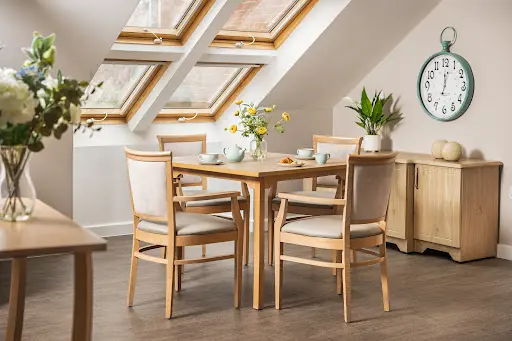
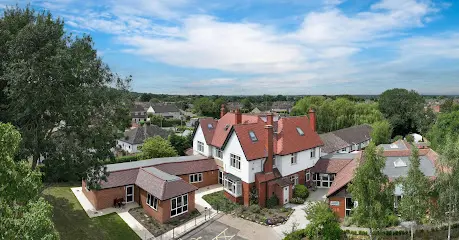
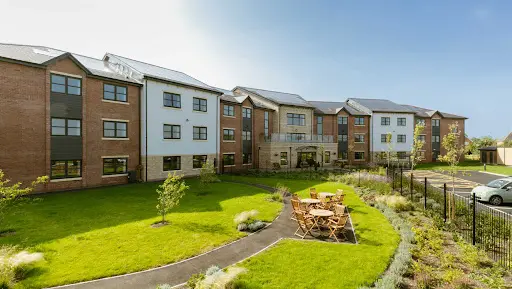
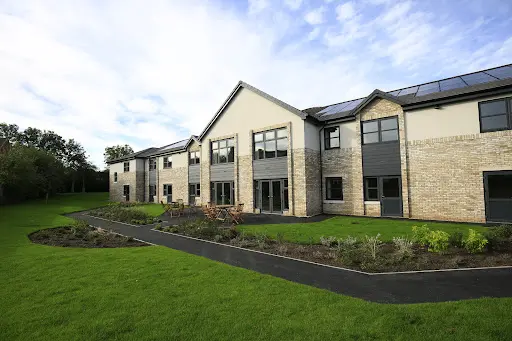
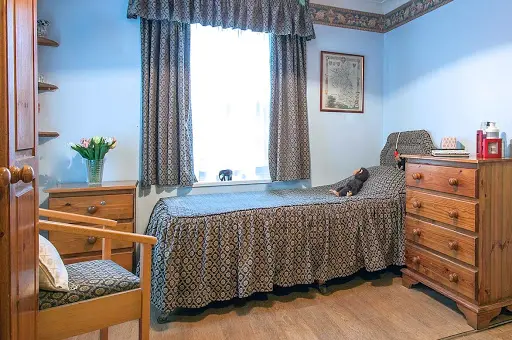
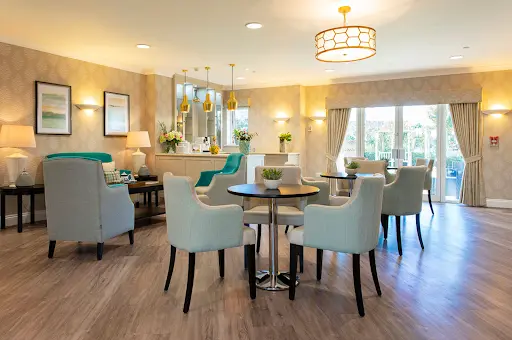
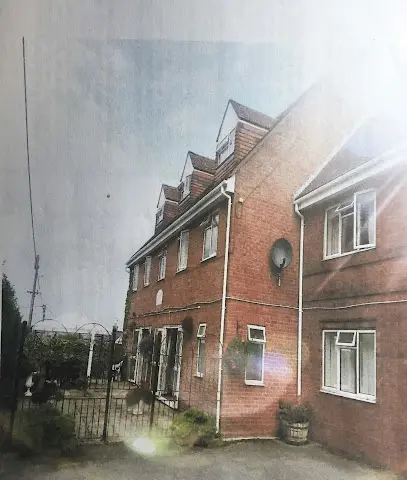
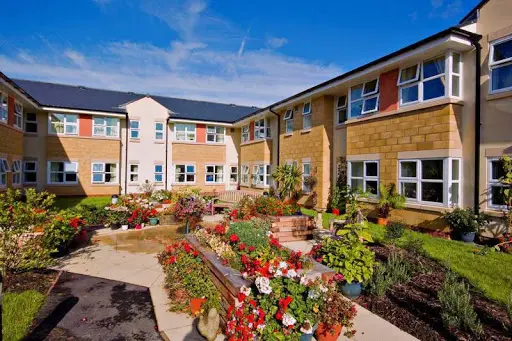
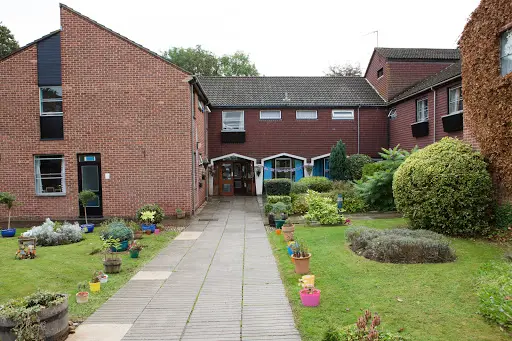
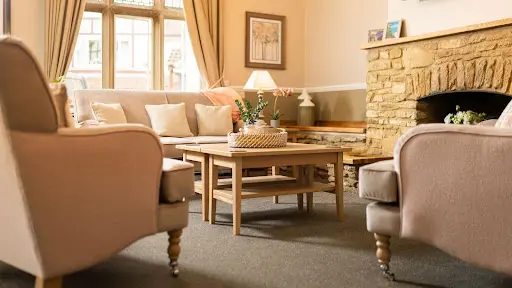
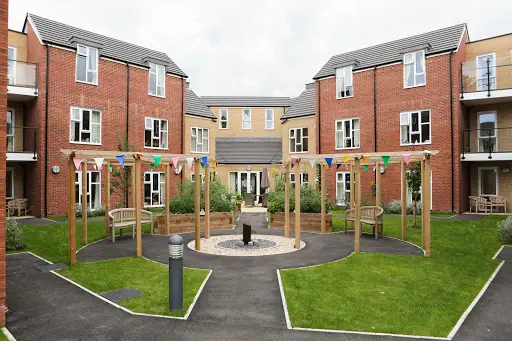
The kitchen team puts real effort into meals, with families comparing the food to restaurant quality. Fresh ingredients get transformed into home-cooked dishes that residents actually look forward to. The building itself stays consistently clean and well-maintained, with spacious rooms and thoughtful decoration throughout. There's good parking for visitors and outdoor spaces where residents can enjoy gardening or just sitting in the fresh air.
“What comes through clearly is a place where the small details matter — from how meals are presented to how staff remember what makes each resident smile.”
DCC does not edit or curate content in this tab. For independently curated information, see The Evidence and DCC Verdict.