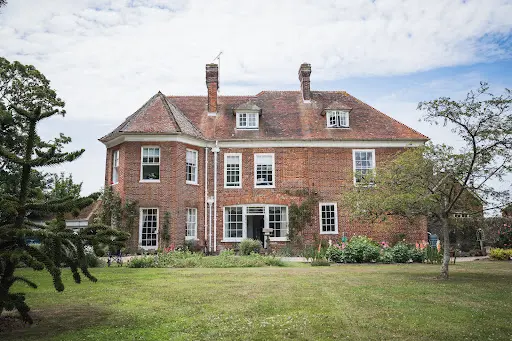
Ashley Gardens Care Home
At a Glance
The information you need to decide whether this home warrants a closer look.
Residential homes
Staff warmth score
of reviewers answered yes
Good to know
- Registered beds47
- SpecialismsCaring for adults over 65 yrs, Dementia, Mental health conditions
- Last inspected2019-06-19
Save Ashley Gardens Care Home to your shortlist
Keep a running list, add visit notes, and compare homes side-by-side. Free account — it takes a minute.
STAGE 4 — RESEARCHING CARE HOMES
Visit homes. Compare them side by side. Choose with confidence.
Most of us will view care homes the way we view houses, impression, atmosphere, the feeling in the corridor. We go home, try to remember what we saw, and make a permanent decision from a blurred memory.

The DCC shortlist gives every home you visit a structured record: the same twelve questions, answered the same way, every time. When you’re ready to choose, pull any two homes side by side and compare them directly. Same criteria, same evidence, your notes and your scores.
The Evidence
What the review data, the inspection reports, and the dementia-care evidence base tell us about this home.
What families say
Families describe genuine warmth from the moment they first make contact. Staff take time to really engage with residents, and there's a structured programme of activities that gives each day meaning and purpose. The atmosphere feels naturally friendly rather than forced, with staff who seem to genuinely enjoy their work.
The eight family priority themes
- Staff warmth72
- Compassion & dignity72
- Cleanliness70
- Activities & engagement60
- Food quality60
- Healthcare68
- Management & leadership72
- Resident happiness68
What inspectors found
Inspected 2019-06-19
Is this home safe?
Is the care effective?
The inspection awarded a Good rating for effectiveness, covering training, care planning, healthcare access, and nutrition. The published report does not include specific observations on any of these areas. There is no mention of dementia training content, care plan review frequency, GP access arrangements, or food quality. The rating indicates that inspectors were satisfied, but the evidence base available to families is very thin.Is this home caring?
The inspection awarded a Good rating for caring, which covers staff warmth, dignity, respect, and support for independence. The published report does not include direct observations of staff interactions, quotes from residents or relatives, or specific examples of how dignity is maintained. The rating tells you inspectors found no significant concerns, but it does not describe what care actually looks and feels like on the floor.Is the home responsive?
The inspection awarded a Good rating for responsiveness, which covers activities, individual engagement, and how well the home adapts to each person's changing needs. The published report does not include any detail on the activities programme, one-to-one engagement for residents who cannot join groups, or how the home responds to complaints and feedback. There is no mention of end-of-life care planning. As with the other domains, the rating confirms the inspection threshold was met, but the detail families need is not in the published report.Is the home well-led?
The inspection awarded a Good rating for well-led, and the report names Mrs Madel De Vera Wrobel as the registered manager and Mr Zulfikar Karmali as the nominated individual. Beyond this, the published report provides no information on the manager's tenure, staff culture, governance processes, or how the home responds to complaints and incidents. The rating indicates that inspectors found the leadership satisfactory, but families will need to form their own view through direct contact.
Source: CQC inspection report →
What the evidence base says
Ashley Gardens specialises in dementia care, mental health conditions, and supporting adults over 65. The team has particular experience helping residents who arrive feeling distressed or unsettled find their equilibrium again. Several families have noticed their loved ones becoming calmer and less tearful after moving here. The combination of consistent routines, understanding staff, and a dementia-friendly environment seems to help residents feel more secure and content. All areas worth probing directly during a visit.
The DCC Verdict
Our editorial view, built from the three lenses: what families tell us, what inspectors record, and how the home sits against good dementia-care practice.
DCC Family Score
Ashley Gardens scores 74 out of 100, reflecting a Good rating across all five inspection domains, but the published report contains very little specific detail, so many scores are based on the inspection outcome rather than direct observations, quotes, or named evidence.
Homes in South East typically score 68–82.The three-lens summary
What families tell us
Families describe genuine warmth from the moment they first make contact. Staff take time to really engage with residents, and there's a structured programme of activities that gives each day meaning and purpose. The atmosphere feels naturally friendly rather than forced, with staff who seem to genuinely enjoy their work.
What inspectors have recorded
The management team stays visible and involved in daily life here. When families raise concerns or suggest adjustments to care plans, they typically see quick responses and real changes. There's a sense that leadership genuinely listens and acts on feedback.
How it sits against good practice
While most families report positive settling-in experiences, it's worth having a detailed conversation about the transition process to ensure it matches your loved one's specific needs.
Worth a visit
Ashley Gardens, on Willoughby Crescent in Eastbourne, was rated Good across all five inspection domains at its most recent assessment in July 2025, published in September 2025. The home is registered for 47 adults over 65, including people living with dementia and people with mental health conditions, and has a named registered manager and nominated individual on record. A stable Good rating is a meaningful baseline: it means inspectors found no significant concerns in safety, care, management, or responsiveness. However, the published report contains almost no specific detail. There are no direct observations of staff interactions, no quotes from your parent's potential neighbours or their families, and no information on staffing ratios, activity provision, food, or the physical environment. A Good rating tells you the floor, not the ceiling. Before making a decision, visit in person during the late morning when activity and care are both visible, ask to see last week's actual staffing rota including nights, and request a conversation with the registered manager about how the home specifically supports people living with dementia.
The three questions to ask when you visitSave this home. Compare it against your shortlist.
Let our analysis show you how Ashley Gardens Care Home measures up against the other homes you’re considering. Free account.
In Their Own Words
How Ashley Gardens Care Home describes itself — collected from its own website. DCC has not edited or independently verified the content in this tab.
Where families find compassionate dementia care that makes a real difference
Dedicated residential home Support in Eastbourne
When someone you love is struggling with dementia, watching them find comfort again feels like everything. Ashley Gardens in Eastbourne has become that turning point for many families. Here, in bright, accessible surroundings designed for easy navigation, residents often show remarkable improvements in their emotional wellbeing after settling in.
Who they care for
Ashley Gardens specialises in dementia care, mental health conditions, and supporting adults over 65. The team has particular experience helping residents who arrive feeling distressed or unsettled find their equilibrium again.
Several families have noticed their loved ones becoming calmer and less tearful after moving here. The combination of consistent routines, understanding staff, and a dementia-friendly environment seems to help residents feel more secure and content.
“While most families report positive settling-in experiences, it's worth having a detailed conversation about the transition process to ensure it matches your loved one's specific needs.”
DCC does not edit or curate content in this tab. For independently curated information, see The Evidence and DCC Verdict.
The DCC Verdict
Our editorial view, built from the three lenses: what families tell us, what inspectors record, and how the home sits against good dementia-care practice.
DCC Family Score
Ashley Gardens scores 74 out of 100, reflecting a Good rating across all five inspection domains, but the published report contains very little specific detail, so many scores are based on the inspection outcome rather than direct observations, quotes, or named evidence.
Homes in South East typically score 68–82.The three-lens summary
What families tell us
Families describe genuine warmth from the moment they first make contact. Staff take time to really engage with residents, and there's a structured programme of activities that gives each day meaning and purpose. The atmosphere feels naturally friendly rather than forced, with staff who seem to genuinely enjoy their work.
What inspectors have recorded
The management team stays visible and involved in daily life here. When families raise concerns or suggest adjustments to care plans, they typically see quick responses and real changes. There's a sense that leadership genuinely listens and acts on feedback.
How it sits against good practice
While most families report positive settling-in experiences, it's worth having a detailed conversation about the transition process to ensure it matches your loved one's specific needs.
Worth a visit
Ashley Gardens, on Willoughby Crescent in Eastbourne, was rated Good across all five inspection domains at its most recent assessment in July 2025, published in September 2025. The home is registered for 47 adults over 65, including people living with dementia and people with mental health conditions, and has a named registered manager and nominated individual on record. A stable Good rating is a meaningful baseline: it means inspectors found no significant concerns in safety, care, management, or responsiveness. However, the published report contains almost no specific detail. There are no direct observations of staff interactions, no quotes from your parent's potential neighbours or their families, and no information on staffing ratios, activity provision, food, or the physical environment. A Good rating tells you the floor, not the ceiling. Before making a decision, visit in person during the late morning when activity and care are both visible, ask to see last week's actual staffing rota including nights, and request a conversation with the registered manager about how the home specifically supports people living with dementia.
The three questions to ask when you visitSave this home. Compare it against your shortlist.
Let our analysis show you how Ashley Gardens Care Home measures up against the other homes you’re considering. Free account.
In Their Own Words
How Ashley Gardens Care Home describes itself — collected from its own website. DCC has not edited or independently verified the content in this tab.
Where families find compassionate dementia care that makes a real difference
Dedicated residential home Support in Eastbourne
When someone you love is struggling with dementia, watching them find comfort again feels like everything. Ashley Gardens in Eastbourne has become that turning point for many families. Here, in bright, accessible surroundings designed for easy navigation, residents often show remarkable improvements in their emotional wellbeing after settling in.
Who they care for
Ashley Gardens specialises in dementia care, mental health conditions, and supporting adults over 65. The team has particular experience helping residents who arrive feeling distressed or unsettled find their equilibrium again.
Several families have noticed their loved ones becoming calmer and less tearful after moving here. The combination of consistent routines, understanding staff, and a dementia-friendly environment seems to help residents feel more secure and content.
Management & ethos
The management team stays visible and involved in daily life here. When families raise concerns or suggest adjustments to care plans, they typically see quick responses and real changes. There's a sense that leadership genuinely listens and acts on feedback.
The home & environment
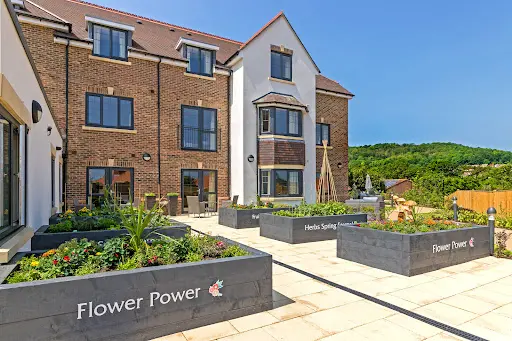
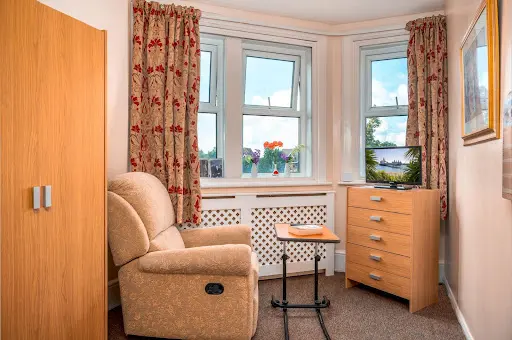
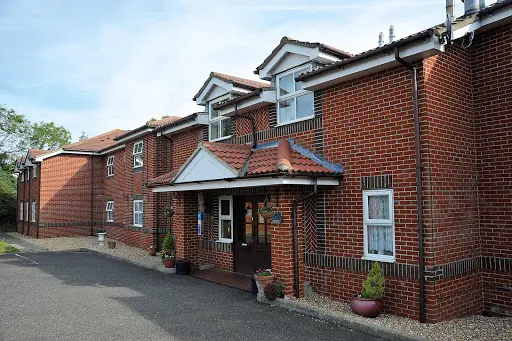
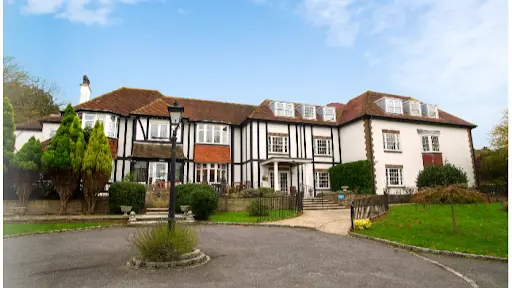
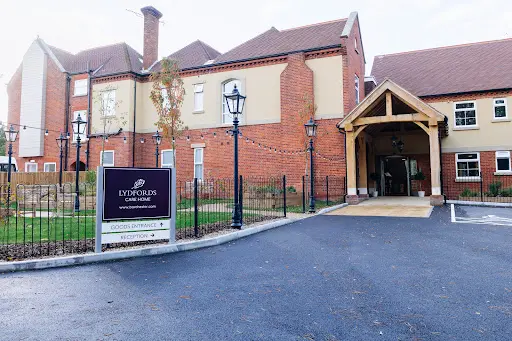
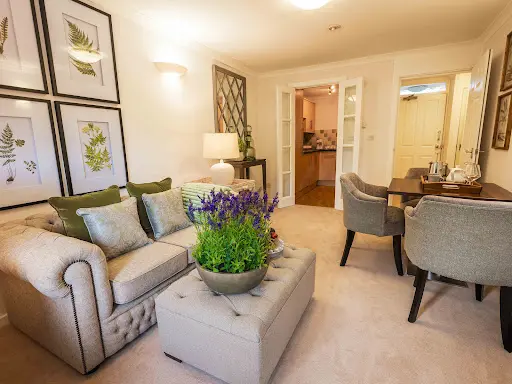
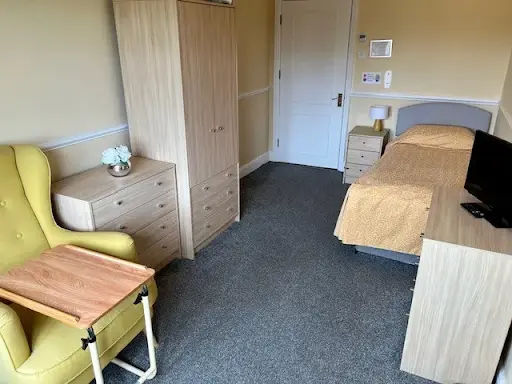
The building itself works well for people living with dementia — wide corridors, no steps to navigate, and plenty of natural light throughout. Everything's been designed with accessibility in mind, making it easier for residents to find their way around independently.
“While most families report positive settling-in experiences, it's worth having a detailed conversation about the transition process to ensure it matches your loved one's specific needs.”
DCC does not edit or curate content in this tab. For independently curated information, see The Evidence and DCC Verdict.