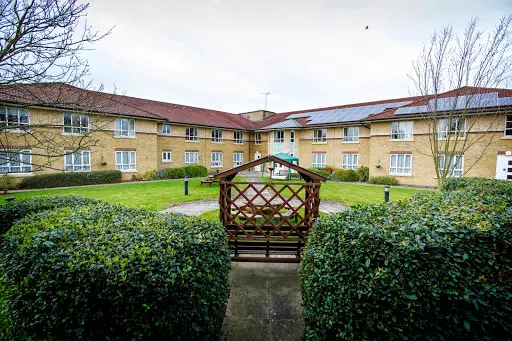
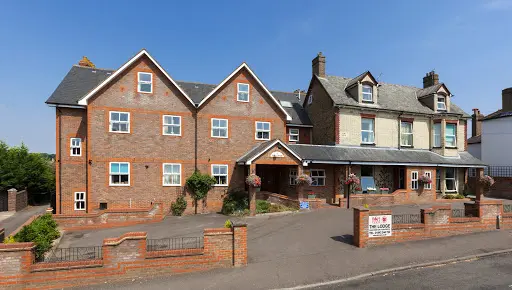
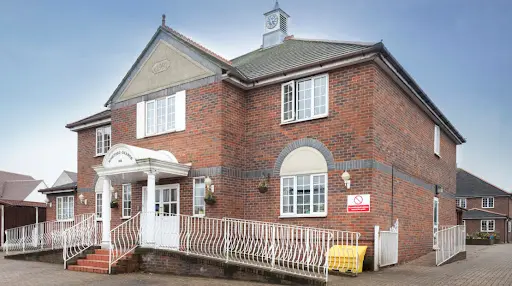
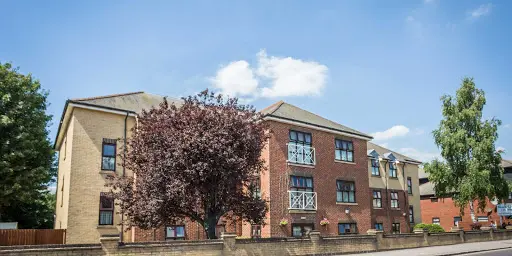
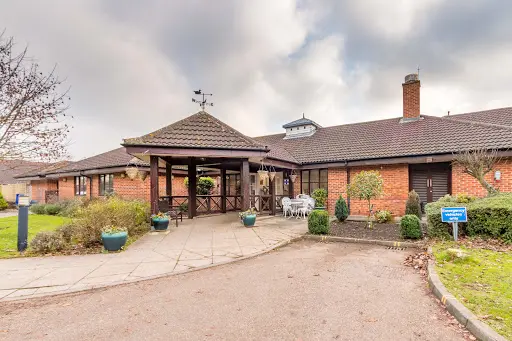
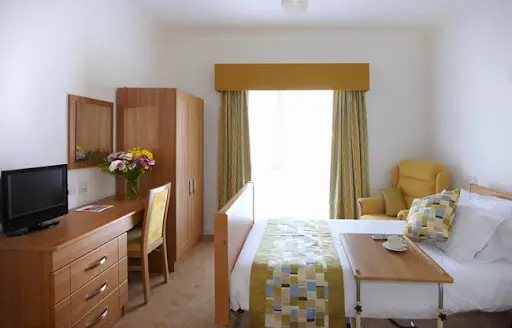
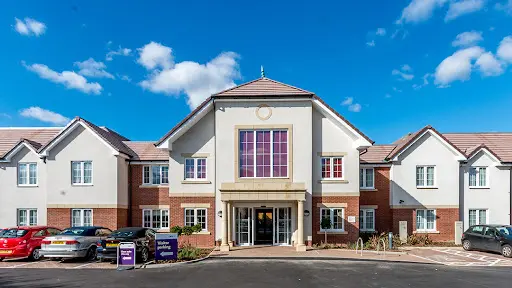
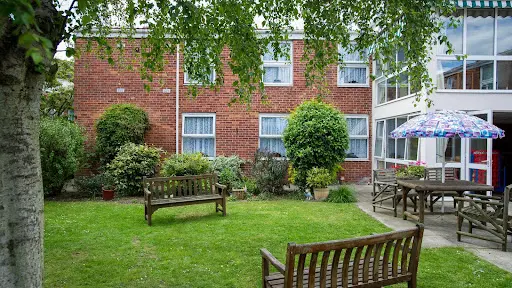
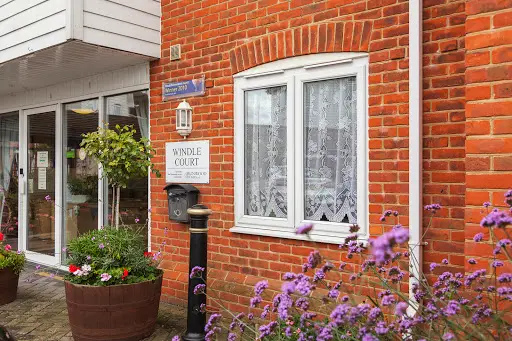
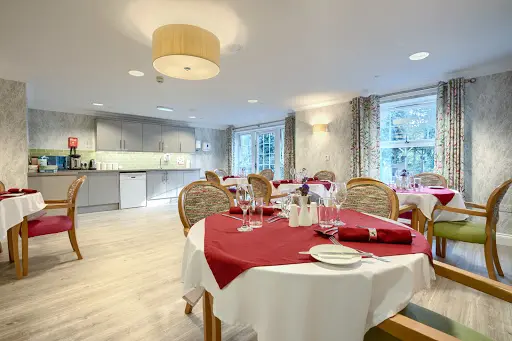
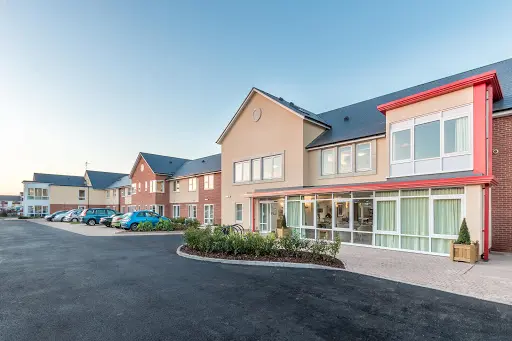
Ashbrook Nursing home
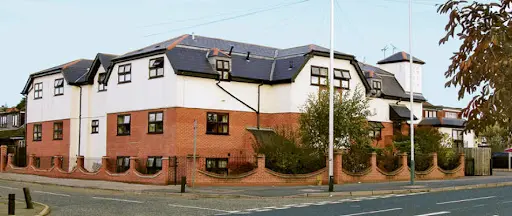
At a Glance
The information you need to decide whether this home warrants a closer look.
Nursing homes
Staff warmth score
of reviewers answered yes
Good to know
- Registered beds70
- SpecialismsCaring for adults over 65 yrs, Dementia
- Last inspected2023-09-05
Save Ashbrook Nursing home to your shortlist
Keep a running list, add visit notes, and compare homes side-by-side. Free account — it takes a minute.
STAGE 4 — RESEARCHING CARE HOMES
Visit homes. Compare them side by side. Choose with confidence.
Most of us will view care homes the way we view houses, impression, atmosphere, the feeling in the corridor. We go home, try to remember what we saw, and make a permanent decision from a blurred memory.

The DCC shortlist gives every home you visit a structured record: the same twelve questions, answered the same way, every time. When you’re ready to choose, pull any two homes side by side and compare them directly. Same criteria, same evidence, your notes and your scores.
The Evidence
What the review data, the inspection reports, and the dementia-care evidence base tell us about this home.
What families say
Families describe activity staff who understand what brings joy to individual residents. Whether through music sessions, gentle exercises, or simply meaningful conversation, the team works to maintain purpose and connection. Some residents who arrived withdrawn have found renewed engagement through these programmes.
The eight family priority themes
- Staff warmth55
- Compassion & dignity60
- Cleanliness55
- Activities & engagement50
- Food quality50
- Healthcare50
- Management & leadership65
- Resident happiness55
What inspectors found
Inspected 2023-09-05
Is this home safe?
Is the care effective?
The Effective domain was rated Good at the July 2023 inspection. This domain covers whether staff have the skills and knowledge to provide good care, whether care plans are based on individuals' needs and preferences, and whether the home works well with GPs and other health professionals. A Good rating here suggests training, care planning, and health oversight are broadly in order. The published findings do not include specific examples of care plan content, dementia training programmes, or GP access arrangements, so the detail behind the rating is not available here.Is this home caring?
The Caring domain was rated Good at the July 2023 inspection. Inspectors assess this domain by observing staff interactions, speaking with residents and relatives, and reviewing how dignity, privacy, and independence are upheld in daily life. A Good rating indicates that staff are broadly kind and respectful in their approach. The published summary does not include specific observations, quotes from residents or relatives, or examples of how staff support independence for people with dementia. The evidence behind this rating therefore cannot be independently assessed from the information available here.Is the home responsive?
The Responsive domain was rated Good at the July 2023 inspection. This domain covers whether care is tailored to individual needs, whether people have access to meaningful activities, and whether the home handles complaints appropriately. A Good rating here suggests the home is broadly meeting individuals' needs and responding when things go wrong. The published findings do not include detail about the activities programme, how one-to-one engagement is provided for people who cannot join group activities, or how individual preferences shape daily routines.Is the home well-led?
The Well-led domain was rated Good at the July 2023 inspection. The home is run by Onetree Estates Limited, with Ms Kulvinder Kaur as registered manager and Mr Jayanti Mohanlal Patel as nominated individual. A Good rating in this domain indicates that inspectors found effective oversight, a positive culture, and processes to monitor and improve quality. The home's improvement from its previous Requires Improvement overall rating suggests that leadership has driven real change. The published summary does not include specific details about how the manager is experienced by staff and residents, or how governance processes operate in practice.
Source: CQC inspection report →
What the evidence base says
The home provides dementia care alongside general nursing for older adults. Their activity programme forms a central part of daily life, helping residents maintain social connections and mental stimulation. For residents with dementia, the structured activity schedule provides routine and purpose. Staff work to find activities that match individual abilities and interests, adapting as needs change. All areas worth probing directly during a visit.
The DCC Verdict
Our editorial view, built from the three lenses: what families tell us, what inspectors record, and how the home sits against good dementia-care practice.
DCC Family Score
Ashbrook Nursing Home scores 72 out of 100 on the Family Score, reflecting genuine improvement from its previous Requires Improvement rating, but the continued safety concerns mean several areas remain unverified or lacking specific detail from this inspection.
Homes in London typically score 68–82.The three-lens summary
What families tell us
Families describe activity staff who understand what brings joy to individual residents. Whether through music sessions, gentle exercises, or simply meaningful conversation, the team works to maintain purpose and connection. Some residents who arrived withdrawn have found renewed engagement through these programmes.
What inspectors have recorded
How it sits against good practice
Before making any decisions, check the current CQC rating and arrange a personal visit to see if Ashbrook meets your family's needs.
Worth a visit
Ashbrook Nursing Home, at 217-219 Chase Cross Road, Romford, was rated Good overall at its inspection on 26 July 2023 (published 5 September 2023). This represents a meaningful improvement from its previous Requires Improvement rating. Inspectors rated Effective, Caring, Responsive, and Well-led as Good, suggesting the home has made real progress in the quality of care it provides, the culture among staff, and the oversight by management. The important caveat is that Safe remains rated Requires Improvement. This means inspectors found concerns in at least one area covering staffing, medicines, falls, infection control, or risk management, and those concerns had not been fully resolved at the time of inspection. The published findings available here do not include the full narrative detail that would tell you exactly what those concerns were. Before visiting, request a copy of the full inspection report from the home and ask the manager to walk you through what was found in the Safe domain and what has changed since. On your visit, pay particular attention to how quickly staff respond when someone needs help, how many people are on duty after 8pm, and how much of the rota is covered by permanent staff rather than agency carers.
The three questions to ask when you visitSave this home. Compare it against your shortlist.
Let our analysis show you how Ashbrook Nursing home measures up against the other homes you’re considering. Free account.
In Their Own Words
How Ashbrook Nursing home describes itself — collected from its own website. DCC has not edited or independently verified the content in this tab.
Activities bring light to residents managing dementia in Romford
Dedicated nursing home Support in Romford
When depression or isolation threatens to overwhelm, the right activities can make all the difference. Ashbrook Nursing Home in Romford focuses on keeping residents engaged and connected through structured programmes. The home cares for adults over 65, with particular experience supporting those living with dementia.
Who they care for
The home provides dementia care alongside general nursing for older adults. Their activity programme forms a central part of daily life, helping residents maintain social connections and mental stimulation.
For residents with dementia, the structured activity schedule provides routine and purpose. Staff work to find activities that match individual abilities and interests, adapting as needs change.
“Before making any decisions, check the current CQC rating and arrange a personal visit to see if Ashbrook meets your family's needs.”
DCC does not edit or curate content in this tab. For independently curated information, see The Evidence and DCC Verdict.
The DCC Verdict
Our editorial view, built from the three lenses: what families tell us, what inspectors record, and how the home sits against good dementia-care practice.
DCC Family Score
Ashbrook Nursing Home scores 72 out of 100 on the Family Score, reflecting genuine improvement from its previous Requires Improvement rating, but the continued safety concerns mean several areas remain unverified or lacking specific detail from this inspection.
Homes in London typically score 68–82.The three-lens summary
What families tell us
Families describe activity staff who understand what brings joy to individual residents. Whether through music sessions, gentle exercises, or simply meaningful conversation, the team works to maintain purpose and connection. Some residents who arrived withdrawn have found renewed engagement through these programmes.
What inspectors have recorded
How it sits against good practice
Before making any decisions, check the current CQC rating and arrange a personal visit to see if Ashbrook meets your family's needs.
Worth a visit
Ashbrook Nursing Home, at 217-219 Chase Cross Road, Romford, was rated Good overall at its inspection on 26 July 2023 (published 5 September 2023). This represents a meaningful improvement from its previous Requires Improvement rating. Inspectors rated Effective, Caring, Responsive, and Well-led as Good, suggesting the home has made real progress in the quality of care it provides, the culture among staff, and the oversight by management. The important caveat is that Safe remains rated Requires Improvement. This means inspectors found concerns in at least one area covering staffing, medicines, falls, infection control, or risk management, and those concerns had not been fully resolved at the time of inspection. The published findings available here do not include the full narrative detail that would tell you exactly what those concerns were. Before visiting, request a copy of the full inspection report from the home and ask the manager to walk you through what was found in the Safe domain and what has changed since. On your visit, pay particular attention to how quickly staff respond when someone needs help, how many people are on duty after 8pm, and how much of the rota is covered by permanent staff rather than agency carers.
The three questions to ask when you visitSave this home. Compare it against your shortlist.
Let our analysis show you how Ashbrook Nursing home measures up against the other homes you’re considering. Free account.
In Their Own Words
How Ashbrook Nursing home describes itself — collected from its own website. DCC has not edited or independently verified the content in this tab.
Activities bring light to residents managing dementia in Romford
Dedicated nursing home Support in Romford
When depression or isolation threatens to overwhelm, the right activities can make all the difference. Ashbrook Nursing Home in Romford focuses on keeping residents engaged and connected through structured programmes. The home cares for adults over 65, with particular experience supporting those living with dementia.
Who they care for
The home provides dementia care alongside general nursing for older adults. Their activity programme forms a central part of daily life, helping residents maintain social connections and mental stimulation.
For residents with dementia, the structured activity schedule provides routine and purpose. Staff work to find activities that match individual abilities and interests, adapting as needs change.
“Before making any decisions, check the current CQC rating and arrange a personal visit to see if Ashbrook meets your family's needs.”
DCC does not edit or curate content in this tab. For independently curated information, see The Evidence and DCC Verdict.