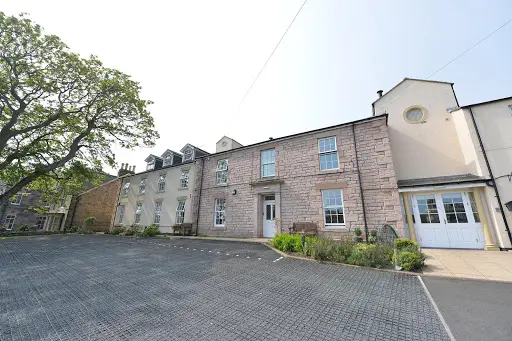
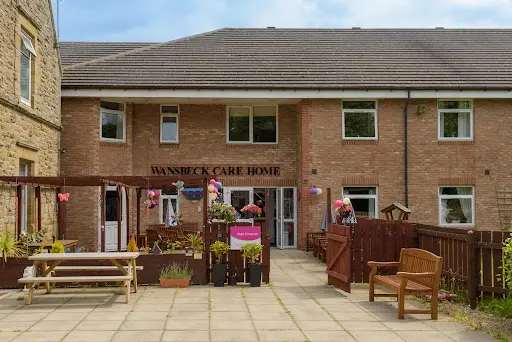
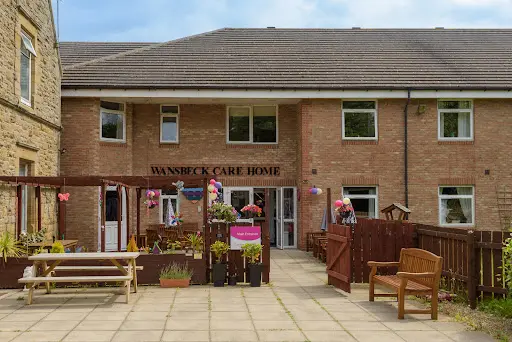
Albury House

At a Glance
The information you need to decide whether this home warrants a closer look.
Residential homes
Staff warmth score
of reviewers answered yes
Good to know
- Registered beds12
- SpecialismsCaring for adults over 65 yrs, Dementia
- Last inspected2024-01-23
Save Albury House to your shortlist
Keep a running list, add visit notes, and compare homes side-by-side. Free account — it takes a minute.
STAGE 4 — RESEARCHING CARE HOMES
Visit homes. Compare them side by side. Choose with confidence.
Most of us will view care homes the way we view houses, impression, atmosphere, the feeling in the corridor. We go home, try to remember what we saw, and make a permanent decision from a blurred memory.

The DCC shortlist gives every home you visit a structured record: the same twelve questions, answered the same way, every time. When you’re ready to choose, pull any two homes side by side and compare them directly. Same criteria, same evidence, your notes and your scores.
The Evidence
What the review data, the inspection reports, and the dementia-care evidence base tell us about this home.
What families say
The eight family priority themes
- Staff warmth35
- Compassion & dignity35
- Cleanliness40
- Activities & engagement35
- Food quality35
- Healthcare35
- Management & leadership35
- Resident happiness35
What inspectors found
Inspected 2024-01-23
Is this home safe?
Is the care effective?
The January 2024 inspection did not assign a domain rating to Effective, so we have no official evidence about the quality of care planning, dementia training, healthcare access, or food at Albury House from that report. The home specialises in dementia care for people over 65, making effective practice in these areas especially important. The February 2025 assessment rated Effective as Good, which is a positive signal, but without access to the full report we cannot verify what specific evidence underpinned that rating.Is this home caring?
No domain rating for Caring was assigned at the January 2024 inspection, and we have no specific inspector observations, resident testimony, or family quotes from that report to draw on. The February 2025 assessment rated Caring as Good. Albury House is a small home with 12 beds, which can create conditions for closer, more personal relationships between staff and the people they support — but small size alone does not guarantee warm or person-centred care.Is the home responsive?
The January 2024 inspection did not assign a domain rating to Responsive, and no specific evidence about activities, individual engagement, or end-of-life planning is available from that report. The February 2025 assessment rated Responsive as Good. With 12 beds and a dementia specialism, the home is small enough that truly individualised, person-led activity should be achievable — but whether that is happening in practice is not something we can confirm from the available official evidence.Is the home well-led?
The January 2024 inspection did not assign a domain rating to Well-led, and we have no specific evidence about management culture, governance, or staff experience from that report. The home is operated and managed by Mr and Mrs A G Burn, who are both registered as managers — an unusual arrangement that could mean strong, consistent leadership or could indicate governance complexity worth exploring. The February 2025 assessment rated Well-led as Good, which is encouraging, but the detail behind that rating is not available to us.
Source: CQC inspection report →
What the evidence base says
The team at Albury House focuses on caring for people over 65, with particular experience in dementia support. They're set up to provide the long-term care that many families need as dementia progresses. As a home specialising in dementia care, Albury House understands the changing needs that come with memory loss. Their approach centres on creating stability and continuity for residents who may find change particularly challenging. All areas worth probing directly during a visit.
The DCC Verdict
Our editorial view, built from the three lenses: what families tell us, what inspectors record, and how the home sits against good dementia-care practice.
DCC Family Score
Albury House received a Requires Improvement rating at its January 2024 inspection, representing a decline from its previous Good rating. The inspection report provided to us contains insufficient detail across all domains to score individual themes with confidence, meaning this score reflects the seriousness of a declined rating rather than specific evidence of poor care in any one area.
Homes in North East typically score 68–82.Worth a visit
Albury House is a small, 12-bed residential home in Berwick Upon Tweed, specialising in care for people over 65, including those living with dementia. At its last published inspection on 23 January 2024, the home was rated Requires Improvement overall — a decline from its previous Good rating. Crucially, none of the five individual domains (safe, effective, caring, responsive, well-led) received a domain-level rating at this inspection, which means we cannot tell you from the official record exactly where the concerns lay or what was found to be working well. There is a significant further complication: a more recent assessment was carried out in February 2025 and published in June 2025, which rated the home Good across all five domains. This is a meaningful improvement and suggests the issues identified in January 2024 may have been addressed — but the full detail of that newer report was not available to us for this analysis. For you as a family, this situation means caution is warranted alongside genuine grounds for optimism. A Requires Improvement rating that has apparently recovered to Good within roughly a year can indicate a home that identified problems and acted decisively — or it can mask ongoing fragility. Before visiting, ask the registered managers — Mr and Mrs Burn — to walk you through specifically what was found to require improvement in January 2024 and what changes were made. On your visit, pay particular attention to how staff interact with your parent in unscripted moments: in corridors, at mealtimes, when someone is distressed. With only 12 beds and a specialist dementia focus, the quality of individual relationships between staff and your parent matters enormously. Ask directly: how many permanent staff are on the dementia unit after 8pm, and how often do agency staff cover shifts?
The three questions to ask when you visitSave this home. Compare it against your shortlist.
Let our analysis show you how Albury House measures up against the other homes you’re considering. Free account.
In Their Own Words
How Albury House describes itself — collected from its own website. DCC has not edited or independently verified the content in this tab.
Long-term dementia care in historic Berwick Upon Tweed
Albury House – Expert Care in Berwick Upon Tweed
When you're looking for dementia care in the far north of England, Albury House sits right in the heart of Berwick Upon Tweed. This care home specialises in supporting people over 65 who are living with dementia, offering the kind of sustained care that helps families feel settled. The historic border town setting gives residents connection to a real community.
Who they care for
The team at Albury House focuses on caring for people over 65, with particular experience in dementia support. They're set up to provide the long-term care that many families need as dementia progresses.
As a home specialising in dementia care, Albury House understands the changing needs that come with memory loss. Their approach centres on creating stability and continuity for residents who may find change particularly challenging.
“If you'd like to see how Albury House approaches dementia care, arranging a visit will give you the clearest picture of what they offer.”
DCC does not edit or curate content in this tab. For independently curated information, see The Evidence and DCC Verdict.
The DCC Verdict
Our editorial view, built from the three lenses: what families tell us, what inspectors record, and how the home sits against good dementia-care practice.
DCC Family Score
Albury House received a Requires Improvement rating at its January 2024 inspection, representing a decline from its previous Good rating. The inspection report provided to us contains insufficient detail across all domains to score individual themes with confidence, meaning this score reflects the seriousness of a declined rating rather than specific evidence of poor care in any one area.
Homes in North East typically score 68–82.Worth a visit
Albury House is a small, 12-bed residential home in Berwick Upon Tweed, specialising in care for people over 65, including those living with dementia. At its last published inspection on 23 January 2024, the home was rated Requires Improvement overall — a decline from its previous Good rating. Crucially, none of the five individual domains (safe, effective, caring, responsive, well-led) received a domain-level rating at this inspection, which means we cannot tell you from the official record exactly where the concerns lay or what was found to be working well. There is a significant further complication: a more recent assessment was carried out in February 2025 and published in June 2025, which rated the home Good across all five domains. This is a meaningful improvement and suggests the issues identified in January 2024 may have been addressed — but the full detail of that newer report was not available to us for this analysis. For you as a family, this situation means caution is warranted alongside genuine grounds for optimism. A Requires Improvement rating that has apparently recovered to Good within roughly a year can indicate a home that identified problems and acted decisively — or it can mask ongoing fragility. Before visiting, ask the registered managers — Mr and Mrs Burn — to walk you through specifically what was found to require improvement in January 2024 and what changes were made. On your visit, pay particular attention to how staff interact with your parent in unscripted moments: in corridors, at mealtimes, when someone is distressed. With only 12 beds and a specialist dementia focus, the quality of individual relationships between staff and your parent matters enormously. Ask directly: how many permanent staff are on the dementia unit after 8pm, and how often do agency staff cover shifts?
The three questions to ask when you visitSave this home. Compare it against your shortlist.
Let our analysis show you how Albury House measures up against the other homes you’re considering. Free account.
In Their Own Words
How Albury House describes itself — collected from its own website. DCC has not edited or independently verified the content in this tab.
Long-term dementia care in historic Berwick Upon Tweed
Albury House – Expert Care in Berwick Upon Tweed
When you're looking for dementia care in the far north of England, Albury House sits right in the heart of Berwick Upon Tweed. This care home specialises in supporting people over 65 who are living with dementia, offering the kind of sustained care that helps families feel settled. The historic border town setting gives residents connection to a real community.
Who they care for
The team at Albury House focuses on caring for people over 65, with particular experience in dementia support. They're set up to provide the long-term care that many families need as dementia progresses.
As a home specialising in dementia care, Albury House understands the changing needs that come with memory loss. Their approach centres on creating stability and continuity for residents who may find change particularly challenging.
“If you'd like to see how Albury House approaches dementia care, arranging a visit will give you the clearest picture of what they offer.”
DCC does not edit or curate content in this tab. For independently curated information, see The Evidence and DCC Verdict.