Barchester – Woodhorn Park Care Home
At a Glance
The information you need to decide whether this home warrants a closer look.
Residential homes
Staff warmth score
of reviewers answered yes
Good to know
- Registered beds61
- SpecialismsCaring for adults over 65 yrs, Dementia
- Last inspected2023-02-18
Save Barchester – Woodhorn Park Care Home to your shortlist
Keep a running list, add visit notes, and compare homes side-by-side. Free account — it takes a minute.
STAGE 4 — RESEARCHING CARE HOMES
Visit homes. Compare them side by side. Choose with confidence.
Most of us will view care homes the way we view houses, impression, atmosphere, the feeling in the corridor. We go home, try to remember what we saw, and make a permanent decision from a blurred memory.

The DCC shortlist gives every home you visit a structured record: the same twelve questions, answered the same way, every time. When you’re ready to choose, pull any two homes side by side and compare them directly. Same criteria, same evidence, your notes and your scores.
The Evidence
What the review data, the inspection reports, and the dementia-care evidence base tell us about this home.
What families say
People talk about seeing their relatives smile again here — joining in conversations, making friends, even sharing jokes with staff. The team takes time to learn about each person's life story and interests during those first crucial weeks. Residents describe feeling genuinely comfortable, with staff who chat naturally rather than just rushing through tasks.
The eight family priority themes
- Staff warmth72
- Compassion & dignity72
- Cleanliness70
- Activities & engagement65
- Food quality65
- Healthcare68
- Management & leadership74
- Resident happiness70
What inspectors found
Inspected 2023-02-18
Is this home safe?
Is the care effective?
The effective domain was rated Good at the January 2023 inspection. This domain covers care planning, staff training, healthcare access, and nutrition. The home lists dementia as a specialism, which means inspectors will have looked at whether staff have appropriate dementia-specific training and whether care plans reflect the individual needs of people living with dementia. No specific detail about training content, GP access frequency, care plan quality, or food provision is available in the published text provided.Is this home caring?
The caring domain was rated Good at the January 2023 inspection. This domain covers staff warmth, dignity, respect, and whether people are treated as individuals. Inspectors would have observed staff interactions, spoken to residents and relatives, and checked whether people's privacy was respected. The home improved from Requires Improvement to Good, meaning caring practices were judged to have improved since the previous inspection. No specific quotes, observations, or examples are available in the published text provided.Is the home responsive?
The responsive domain was rated Good at the January 2023 inspection. This domain covers whether people have access to meaningful activities, whether individual preferences are reflected in daily life, and whether complaints are handled properly. For a 61-bed home with a dementia specialism, this includes how the home supports people who can no longer engage in group activities independently. No specific information about the activity programme, individual engagement, or complaints handling is available in the published text provided.Is the home well-led?
The well-led domain was rated Good at the January 2023 inspection, improving from the previous Requires Improvement rating. A named registered manager, Mrs Emma Margaret Saunders, is in post, and a nominated individual, Mr Dominic Jude Kay, is registered with the regulator. The home is operated by Barchester Healthcare Homes Limited, a large national provider. The improvement across all five domains in a single inspection cycle suggests the management team responded effectively to previous findings. No specific detail about management visibility, staff culture, or governance processes is available in the published text.
Source: CQC inspection report →
What the evidence base says
The home cares for people over 65, with particular experience supporting those living with dementia. For residents with dementia, the team focuses on maintaining connections and identity. They work to understand each person's unique history and preferences, helping preserve those crucial links to who they've always been. All areas worth probing directly during a visit.
The DCC Verdict
Our editorial view, built from the three lenses: what families tell us, what inspectors record, and how the home sits against good dementia-care practice.
DCC Family Score
Woodhorn Park received a Good rating across all five inspection domains in January 2023, an improvement from its previous Requires Improvement rating. The published inspection text provided to us is limited in specific detail, so scores reflect the confirmed rating improvement and domain outcomes rather than granular observed evidence.
Homes in North East typically score 68–82.The three-lens summary
What families tell us
People talk about seeing their relatives smile again here — joining in conversations, making friends, even sharing jokes with staff. The team takes time to learn about each person's life story and interests during those first crucial weeks. Residents describe feeling genuinely comfortable, with staff who chat naturally rather than just rushing through tasks.
What inspectors have recorded
Staff here seem to understand that small gestures matter — sitting down for a proper chat, remembering personal preferences, being patient when things take time. Families describe feeling genuinely welcomed and included in their relative's care. The team adapts well as people's needs change, without making anyone feel like a burden.
How it sits against good practice
Sometimes the right place reveals itself in unexpected ways — in a laugh shared over tea, or simply in seeing someone you love feel genuinely at home again.
Worth a visit
Woodhorn Park, on Woodhorn Road in Ashington, was rated Good across all five inspection domains at its inspection in January 2023, with the report published in February 2023. This is a meaningful result because the home had previously been rated Requires Improvement, meaning inspectors found sufficient improvements to lift every domain to Good in a single inspection cycle. The home is registered for 61 beds and specialises in dementia care and care for adults over 65, and it is run by Barchester Healthcare Homes Limited with a named registered manager in post. The main limitation for you as a family making a decision is that the published inspection text provided contains very limited specific detail. Ratings confirm that standards were met, but the report as available here does not include inspector observations, resident or relative quotes, or specifics about staffing ratios, activity programmes, or food quality. This means you should treat the Good rating as a strong foundation but visit the home yourself, ask to see last week's actual staffing rota, ask how many permanent staff work the dementia unit overnight, and request an example of a completed care plan to judge how well it reflects an individual person rather than a template.
The three questions to ask when you visitSave this home. Compare it against your shortlist.
Let our analysis show you how Barchester – Woodhorn Park Care Home measures up against the other homes you’re considering. Free account.
In Their Own Words
How Barchester – Woodhorn Park Care Home describes itself — collected from its own website. DCC has not edited or independently verified the content in this tab.
Where residents rediscover friendship and purpose in later life
Compassionate Care in Ashington at Woodhorn Park
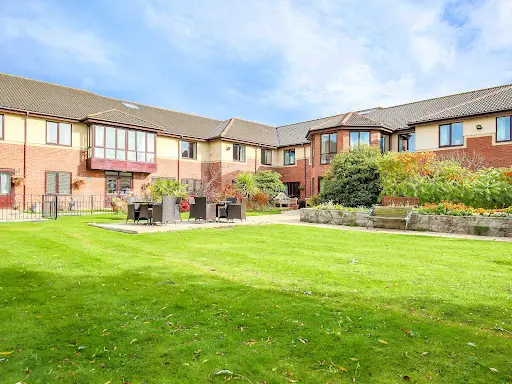
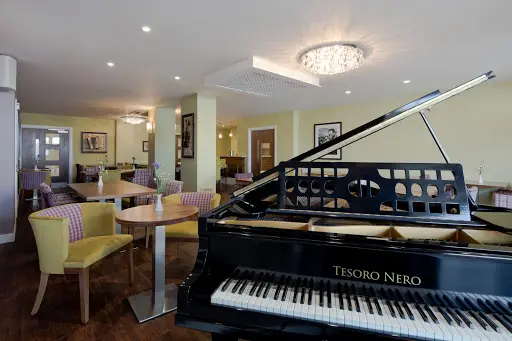
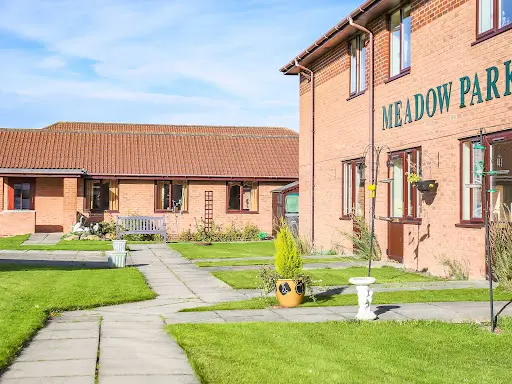
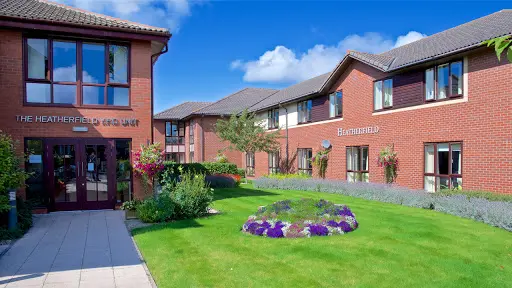
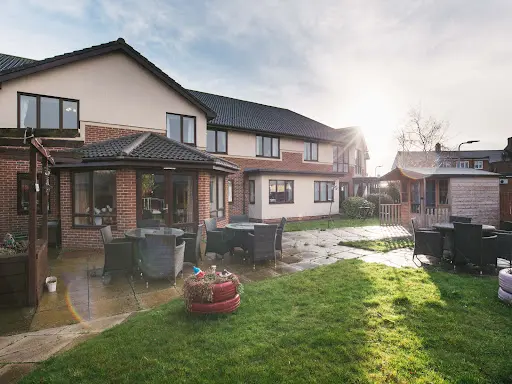
Families visiting Woodhorn Park in Ashington often comment on the bright, spacious feel of the place — more like a comfortable hotel than what they'd imagined. The care home specialises in supporting people over 65, including those living with dementia, and many residents seem to settle in surprisingly quickly. Located in the heart of the North East, it's become a real community for those who call it home.
Who they care for
The home cares for people over 65, with particular experience supporting those living with dementia.
For residents with dementia, the team focuses on maintaining connections and identity. They work to understand each person's unique history and preferences, helping preserve those crucial links to who they've always been.
“Sometimes the right place reveals itself in unexpected ways — in a laugh shared over tea, or simply in seeing someone you love feel genuinely at home again.”
DCC does not edit or curate content in this tab. For independently curated information, see The Evidence and DCC Verdict.
The DCC Verdict
Our editorial view, built from the three lenses: what families tell us, what inspectors record, and how the home sits against good dementia-care practice.
DCC Family Score
Woodhorn Park received a Good rating across all five inspection domains in January 2023, an improvement from its previous Requires Improvement rating. The published inspection text provided to us is limited in specific detail, so scores reflect the confirmed rating improvement and domain outcomes rather than granular observed evidence.
Homes in North East typically score 68–82.The three-lens summary
What families tell us
People talk about seeing their relatives smile again here — joining in conversations, making friends, even sharing jokes with staff. The team takes time to learn about each person's life story and interests during those first crucial weeks. Residents describe feeling genuinely comfortable, with staff who chat naturally rather than just rushing through tasks.
What inspectors have recorded
Staff here seem to understand that small gestures matter — sitting down for a proper chat, remembering personal preferences, being patient when things take time. Families describe feeling genuinely welcomed and included in their relative's care. The team adapts well as people's needs change, without making anyone feel like a burden.
How it sits against good practice
Sometimes the right place reveals itself in unexpected ways — in a laugh shared over tea, or simply in seeing someone you love feel genuinely at home again.
Worth a visit
Woodhorn Park, on Woodhorn Road in Ashington, was rated Good across all five inspection domains at its inspection in January 2023, with the report published in February 2023. This is a meaningful result because the home had previously been rated Requires Improvement, meaning inspectors found sufficient improvements to lift every domain to Good in a single inspection cycle. The home is registered for 61 beds and specialises in dementia care and care for adults over 65, and it is run by Barchester Healthcare Homes Limited with a named registered manager in post. The main limitation for you as a family making a decision is that the published inspection text provided contains very limited specific detail. Ratings confirm that standards were met, but the report as available here does not include inspector observations, resident or relative quotes, or specifics about staffing ratios, activity programmes, or food quality. This means you should treat the Good rating as a strong foundation but visit the home yourself, ask to see last week's actual staffing rota, ask how many permanent staff work the dementia unit overnight, and request an example of a completed care plan to judge how well it reflects an individual person rather than a template.
The three questions to ask when you visitSave this home. Compare it against your shortlist.
Let our analysis show you how Barchester – Woodhorn Park Care Home measures up against the other homes you’re considering. Free account.
In Their Own Words
How Barchester – Woodhorn Park Care Home describes itself — collected from its own website. DCC has not edited or independently verified the content in this tab.
Where residents rediscover friendship and purpose in later life
Compassionate Care in Ashington at Woodhorn Park
Families visiting Woodhorn Park in Ashington often comment on the bright, spacious feel of the place — more like a comfortable hotel than what they'd imagined. The care home specialises in supporting people over 65, including those living with dementia, and many residents seem to settle in surprisingly quickly. Located in the heart of the North East, it's become a real community for those who call it home.
Who they care for
The home cares for people over 65, with particular experience supporting those living with dementia.
For residents with dementia, the team focuses on maintaining connections and identity. They work to understand each person's unique history and preferences, helping preserve those crucial links to who they've always been.
Management & ethos
Staff here seem to understand that small gestures matter — sitting down for a proper chat, remembering personal preferences, being patient when things take time. Families describe feeling genuinely welcomed and included in their relative's care. The team adapts well as people's needs change, without making anyone feel like a burden.
The home & environment
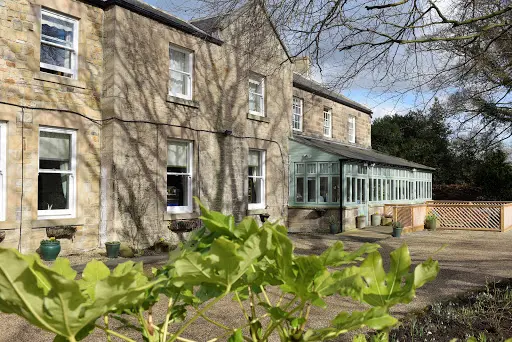
The building itself helps people feel at ease, with plenty of natural light and space to move around comfortably. Residents speak warmly about the food, and families notice their loved ones looking well-presented and cared for. There's mention of a visiting hairdresser too, which adds that touch of normal life that matters so much.
“Sometimes the right place reveals itself in unexpected ways — in a laugh shared over tea, or simply in seeing someone you love feel genuinely at home again.”
DCC does not edit or curate content in this tab. For independently curated information, see The Evidence and DCC Verdict.