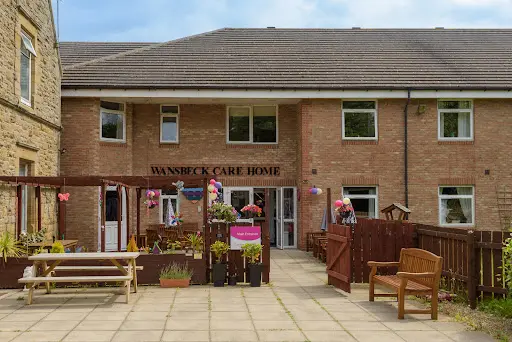
Heatherdale Residential Care Home

At a Glance
The information you need to decide whether this home warrants a closer look.
Residential homes
Staff warmth score
of reviewers answered yes
Good to know
- Registered beds36
- SpecialismsCaring for adults over 65 yrs, Dementia
- Last inspected2019-09-04
Save Heatherdale Residential Care Home to your shortlist
Keep a running list, add visit notes, and compare homes side-by-side. Free account — it takes a minute.
STAGE 4 — RESEARCHING CARE HOMES
Visit homes. Compare them side by side. Choose with confidence.
Most of us will view care homes the way we view houses, impression, atmosphere, the feeling in the corridor. We go home, try to remember what we saw, and make a permanent decision from a blurred memory.

The DCC shortlist gives every home you visit a structured record: the same twelve questions, answered the same way, every time. When you’re ready to choose, pull any two homes side by side and compare them directly. Same criteria, same evidence, your notes and your scores.
The Evidence
What the review data, the inspection reports, and the dementia-care evidence base tell us about this home.
What families say
Families describe walking into an atmosphere where residents are actively engaged in life, not just cared for. The home runs regular activities and entertainment that residents genuinely seem to enjoy, with staff putting real effort into making each day interesting. Whether it's a quiet chat in the garden or joining in with group activities, there's a feeling that residents are living their lives, not just passing time.
The eight family priority themes
- Staff warmth72
- Compassion & dignity72
- Cleanliness72
- Activities & engagement65
- Food quality65
- Healthcare70
- Management & leadership74
- Resident happiness70
What inspectors found
Inspected 2019-09-04
Is this home safe?
Is the care effective?
The July 2025 inspection rated the Effective domain as Good. The home holds a dementia specialism registration, indicating a formal requirement to demonstrate relevant care practices. The published report does not provide specific detail on care plan quality, GP access arrangements, dementia training content, nutrition and hydration monitoring, or how the home supports residents with complex health needs. A named registered manager, Mrs Allison Moore, is in post.Is this home caring?
The July 2025 inspection rated the Caring domain as Good. The home specialises in dementia care for older adults. The published report does not include specific inspector observations about staff interactions, use of preferred names, pacing of care, responses to distress, or how dignity and independence are maintained. No resident or family quotes are recorded in the available findings.Is the home responsive?
The July 2025 inspection rated the Responsive domain as Good. The home is registered to meet the needs of people living with dementia and older adults in a residential setting. The published report does not include specific detail about the activities programme, how individual interests and life histories are incorporated into daily life, end-of-life planning, or how the home responds to complaints and feedback. No specific examples of responsive practice are recorded in the available findings.Is the home well-led?
The July 2025 inspection rated the Well-led domain as Good. Mrs Allison Moore is the named registered manager, and Mrs Susan Margaret McKinney is the nominated individual for Wellburn Care Homes Limited. The home has been inspected four times. The published report does not provide specific detail about management visibility, staff culture, governance systems, how the home learns from incidents, or how it involves residents and families in decisions.
Source: CQC inspection report →
What the evidence base says
Heatherdale provides residential care for adults over 65, including those living with dementia. The home also offers respite care, giving families a break while ensuring their loved ones receive consistent, quality support. For residents with dementia, staff demonstrate understanding of how to support complex needs while maintaining each person's dignity. The structured daily activities and consistent staffing help create the routine and familiarity that can be so important for those living with memory loss. All areas worth probing directly during a visit.
The DCC Verdict
Our editorial view, built from the three lenses: what families tell us, what inspectors record, and how the home sits against good dementia-care practice.
DCC Family Score
Heatherdale Residential Home received a Good rating across all five inspection domains in July 2025, which is a positive foundation. However, the published report contains very limited specific detail, so most scores reflect a confirmed Good rating rather than rich observed evidence.
Homes in North East typically score 68–82.The three-lens summary
What families tell us
Families describe walking into an atmosphere where residents are actively engaged in life, not just cared for. The home runs regular activities and entertainment that residents genuinely seem to enjoy, with staff putting real effort into making each day interesting. Whether it's a quiet chat in the garden or joining in with group activities, there's a feeling that residents are living their lives, not just passing time.
What inspectors have recorded
The manager has created a culture where staff show genuine care for residents' wellbeing, responding thoughtfully to individual needs — even complex ones. Families mention feeling welcomed themselves, with staff willing to accommodate special requests for visits or family gatherings. When residents reach the end of their lives, families describe compassionate support that allows their loved ones to remain in familiar surroundings with dignity.
How it sits against good practice
Sometimes the best recommendation comes from families who've been through the whole journey — from that first anxious visit to knowing their loved one was cared for right to the end.
Worth a visit
Heatherdale Residential Home, in South Broomhill near Morpeth, was rated Good across all five inspection domains at its most recent assessment in July 2025, with the report published in August 2025. The home is registered for 36 beds and specialises in residential care for adults over 65, including people living with dementia. It is run by Wellburn Care Homes Limited, with a named registered manager in post. A Good rating across every domain is a genuinely positive finding and places this home in the upper half of care homes nationally. The significant limitation here is that the published report contains very little specific detail beyond the ratings themselves. There are no inspector observations, no resident or family quotes, and no description of what good practice looks like day to day in this home. That makes it difficult to assess what life would actually be like for your parent. Before making a decision, visit the home and use the checklist questions below: ask about night staffing numbers, agency staff use, dementia-specific training, and what the activity programme looks like on a Tuesday evening or a Sunday afternoon. A Good rating is reassuring, but your own visit will tell you more than the published findings can.
The three questions to ask when you visitSave this home. Compare it against your shortlist.
Let our analysis show you how Heatherdale Residential Care Home measures up against the other homes you’re considering. Free account.
In Their Own Words
How Heatherdale Residential Care Home describes itself — collected from its own website. DCC has not edited or independently verified the content in this tab.
Where devoted staff make each day meaningful for residents
Residential home in Morpeth: True Peace of Mind
Families searching for residential care in Morpeth often find themselves drawn to Heatherdale Residential Home, where the quality of daily life goes well beyond basic care needs. What sets this home apart isn't just the pleasant surroundings or the structured activities — it's the way staff genuinely connect with each resident as an individual. From morning routines to evening entertainment, there's a sense that everyone here matters.
Who they care for
Heatherdale provides residential care for adults over 65, including those living with dementia. The home also offers respite care, giving families a break while ensuring their loved ones receive consistent, quality support.
For residents with dementia, staff demonstrate understanding of how to support complex needs while maintaining each person's dignity. The structured daily activities and consistent staffing help create the routine and familiarity that can be so important for those living with memory loss.
“Sometimes the best recommendation comes from families who've been through the whole journey — from that first anxious visit to knowing their loved one was cared for right to the end.”
DCC does not edit or curate content in this tab. For independently curated information, see The Evidence and DCC Verdict.
The DCC Verdict
Our editorial view, built from the three lenses: what families tell us, what inspectors record, and how the home sits against good dementia-care practice.
DCC Family Score
Heatherdale Residential Home received a Good rating across all five inspection domains in July 2025, which is a positive foundation. However, the published report contains very limited specific detail, so most scores reflect a confirmed Good rating rather than rich observed evidence.
Homes in North East typically score 68–82.The three-lens summary
What families tell us
Families describe walking into an atmosphere where residents are actively engaged in life, not just cared for. The home runs regular activities and entertainment that residents genuinely seem to enjoy, with staff putting real effort into making each day interesting. Whether it's a quiet chat in the garden or joining in with group activities, there's a feeling that residents are living their lives, not just passing time.
What inspectors have recorded
The manager has created a culture where staff show genuine care for residents' wellbeing, responding thoughtfully to individual needs — even complex ones. Families mention feeling welcomed themselves, with staff willing to accommodate special requests for visits or family gatherings. When residents reach the end of their lives, families describe compassionate support that allows their loved ones to remain in familiar surroundings with dignity.
How it sits against good practice
Sometimes the best recommendation comes from families who've been through the whole journey — from that first anxious visit to knowing their loved one was cared for right to the end.
Worth a visit
Heatherdale Residential Home, in South Broomhill near Morpeth, was rated Good across all five inspection domains at its most recent assessment in July 2025, with the report published in August 2025. The home is registered for 36 beds and specialises in residential care for adults over 65, including people living with dementia. It is run by Wellburn Care Homes Limited, with a named registered manager in post. A Good rating across every domain is a genuinely positive finding and places this home in the upper half of care homes nationally. The significant limitation here is that the published report contains very little specific detail beyond the ratings themselves. There are no inspector observations, no resident or family quotes, and no description of what good practice looks like day to day in this home. That makes it difficult to assess what life would actually be like for your parent. Before making a decision, visit the home and use the checklist questions below: ask about night staffing numbers, agency staff use, dementia-specific training, and what the activity programme looks like on a Tuesday evening or a Sunday afternoon. A Good rating is reassuring, but your own visit will tell you more than the published findings can.
The three questions to ask when you visitSave this home. Compare it against your shortlist.
Let our analysis show you how Heatherdale Residential Care Home measures up against the other homes you’re considering. Free account.
In Their Own Words
How Heatherdale Residential Care Home describes itself — collected from its own website. DCC has not edited or independently verified the content in this tab.
Where devoted staff make each day meaningful for residents
Residential home in Morpeth: True Peace of Mind
Families searching for residential care in Morpeth often find themselves drawn to Heatherdale Residential Home, where the quality of daily life goes well beyond basic care needs. What sets this home apart isn't just the pleasant surroundings or the structured activities — it's the way staff genuinely connect with each resident as an individual. From morning routines to evening entertainment, there's a sense that everyone here matters.
Who they care for
Heatherdale provides residential care for adults over 65, including those living with dementia. The home also offers respite care, giving families a break while ensuring their loved ones receive consistent, quality support.
For residents with dementia, staff demonstrate understanding of how to support complex needs while maintaining each person's dignity. The structured daily activities and consistent staffing help create the routine and familiarity that can be so important for those living with memory loss.
Management & ethos
The manager has created a culture where staff show genuine care for residents' wellbeing, responding thoughtfully to individual needs — even complex ones. Families mention feeling welcomed themselves, with staff willing to accommodate special requests for visits or family gatherings. When residents reach the end of their lives, families describe compassionate support that allows their loved ones to remain in familiar surroundings with dignity.
The home & environment
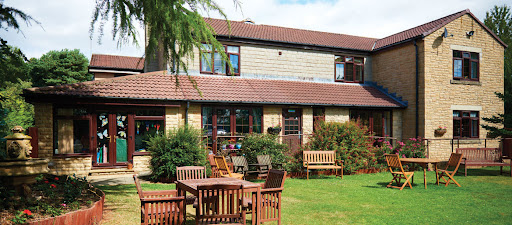
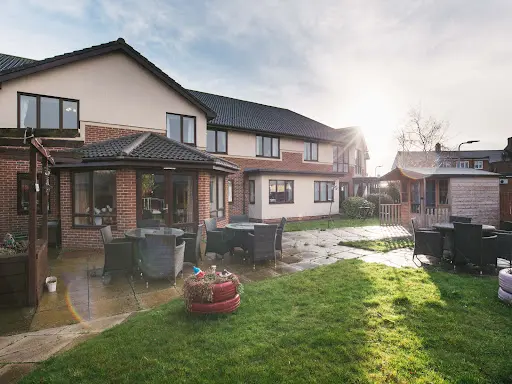
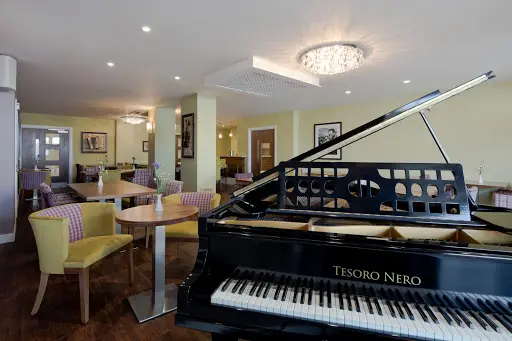
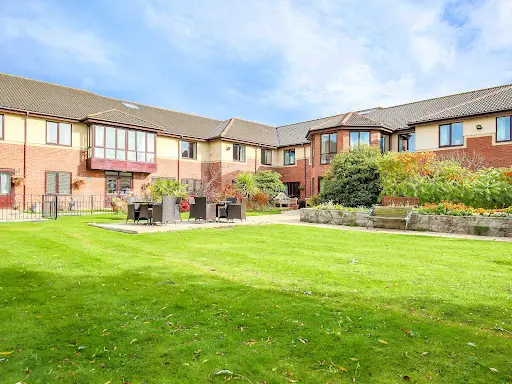
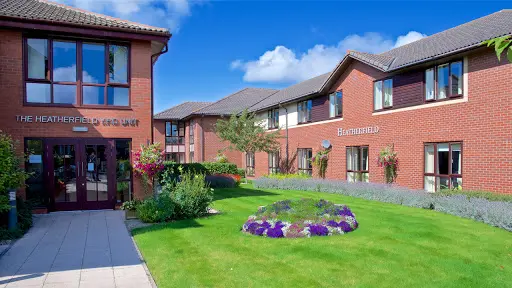
The home maintains clean, comfortable spaces throughout, with pleasant communal areas where residents can gather or find a quiet corner when they prefer. Gardens provide outdoor space for those who enjoy fresh air, and the furnishings throughout create a welcoming environment. Some rooms come with en-suite facilities, adding that extra touch of privacy and comfort.
“Sometimes the best recommendation comes from families who've been through the whole journey — from that first anxious visit to knowing their loved one was cared for right to the end.”
DCC does not edit or curate content in this tab. For independently curated information, see The Evidence and DCC Verdict.