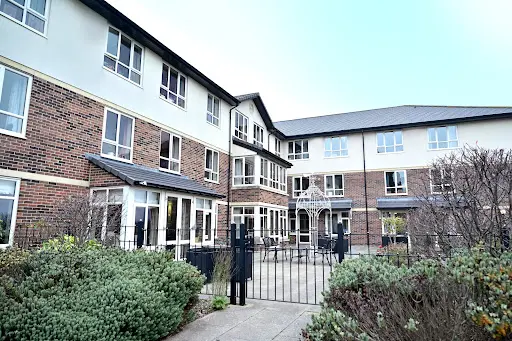
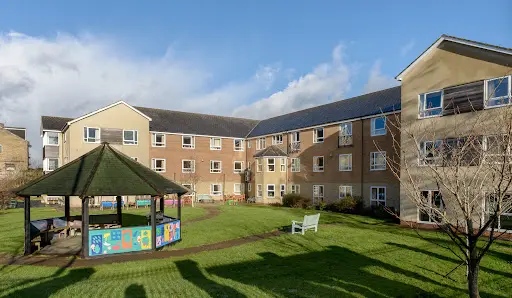
Abbeydale Residential Home

At a Glance
The information you need to decide whether this home warrants a closer look.
Residential homes
Staff warmth score
of reviewers answered yes
Good to know
- Registered beds36
- SpecialismsCaring for adults over 65 yrs, Dementia, Physical disabilities, Sensory impairment
- Last inspected2021-03-09
Save Abbeydale Residential Home to your shortlist
Keep a running list, add visit notes, and compare homes side-by-side. Free account — it takes a minute.
STAGE 4 — RESEARCHING CARE HOMES
Visit homes. Compare them side by side. Choose with confidence.
Most of us will view care homes the way we view houses, impression, atmosphere, the feeling in the corridor. We go home, try to remember what we saw, and make a permanent decision from a blurred memory.

The DCC shortlist gives every home you visit a structured record: the same twelve questions, answered the same way, every time. When you’re ready to choose, pull any two homes side by side and compare them directly. Same criteria, same evidence, your notes and your scores.
The Evidence
What the review data, the inspection reports, and the dementia-care evidence base tell us about this home.
What families say
Visitors often comment on the welcoming feel when they first arrive. Staff take time to engage with both residents and their families, creating an atmosphere where people feel heard and valued.
The eight family priority themes
- Staff warmth88
- Compassion & dignity90
- Cleanliness72
- Activities & engagement85
- Food quality65
- Healthcare70
- Management & leadership88
- Resident happiness82
What inspectors found
Inspected 2021-03-09
Is this home safe?
Is the care effective?
The Effective domain was rated Good at the February 2021 inspection. Dementia is listed as a specialism, which suggests that staff training in dementia care is expected and should be evidenced. The Effective rating covers care planning, healthcare access, nutrition, and staff knowledge. The published summary does not provide specific detail on GP visiting frequency, dementia training content, or how food quality and dietary needs are managed.Is this home caring?
The Caring domain was rated Outstanding, the highest grade available. Inspectors award this rating only when they find specific, consistent evidence of kindness, compassion, dignity, and respect in practice across the whole service. This was one of three Outstanding domain ratings for Abbeydale. The home supports people with dementia, physical disabilities, and sensory impairments, which makes genuine person-led care particularly important. The published summary does not include verbatim quotes from residents or relatives, but the Outstanding grade itself reflects positive testimony gathered during the inspection.Is the home responsive?
The Responsive domain was rated Outstanding. This rating requires inspectors to find that the home meets each person's individual needs in a tailored way, including activities, engagement, and end-of-life planning. For a home specialising in dementia, an Outstanding Responsive rating suggests that staff understand how to engage people who may not be able to express their preferences verbally. The published summary does not detail the specific activities on offer or how one-to-one engagement is provided for people who cannot join group sessions.Is the home well-led?
The Well-led domain was rated Outstanding. Named leadership is clearly in place, with Francesca Dey as registered manager and Catherine Dey as nominated individual. An Outstanding Well-led rating requires inspectors to find a positive, open culture, robust governance systems, and evidence that the home learns from incidents, complaints, and feedback. The home improved from Good to Outstanding between inspections, which suggests a positive trajectory under the current leadership team.
Source: CQC inspection report →
What the evidence base says
The home cares for adults over 65, including those living with dementia, physical disabilities, and sensory impairments. For residents with dementia, the consistent routines and familiar faces help create stability. The staff's patient, responsive approach supports residents as their needs change. All areas worth probing directly during a visit.
The DCC Verdict
Our editorial view, built from the three lenses: what families tell us, what inspectors record, and how the home sits against good dementia-care practice.
DCC Family Score
Abbeydale Residential Care Home earned an Outstanding overall rating, with particularly strong evidence of kind, respectful care and a responsive, well-led service. Scores for food quality and healthcare are more cautious because the published inspection text does not contain specific detail on those themes.
Homes in Yorkshire & Humberside typically score 68–82.The three-lens summary
What families tell us
Visitors often comment on the welcoming feel when they first arrive. Staff take time to engage with both residents and their families, creating an atmosphere where people feel heard and valued.
What inspectors have recorded
Staff are consistently described as responsive and willing to help with whatever residents need. There's a sense of availability here — when families have questions or residents need support, someone is there to provide it.
How it sits against good practice
Sometimes the best care homes are the ones that simply do things properly, day after day.
Worth a visit
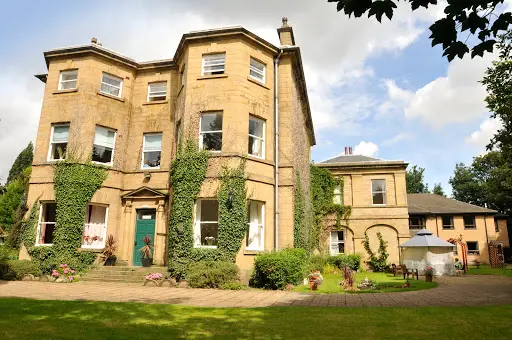
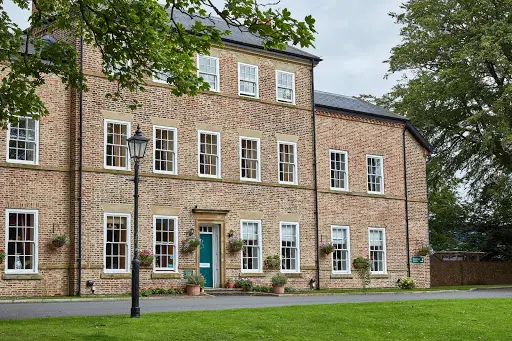
Abbeydale Residential Care Home, on Grove Road in Ilkley, was rated Outstanding at its inspection in February 2021, improving from a Good rating at its previous inspection. Inspectors found the strongest evidence in the Caring, Responsive, and Well-led domains, all three of which reached Outstanding. The Safe and Effective domains were rated Good. Named, stable management is in post, and the Outstanding Caring rating is one of the most meaningful signals for families: inspectors award it only when they find consistent, specific evidence of kindness, dignity, and respect in practice, not just in policy. The main uncertainty here is the age of the inspection. The findings are from February 2021, over four years ago, and a 2023 monitoring review found no reason to change the rating but did not involve a full re-inspection. Care homes can change significantly over that period, particularly in staffing. On a visit, ask the manager how long she has been in post, how many permanent staff work the dementia unit, and what night staffing looks like for 36 residents. Observe whether staff use your parent's preferred name, move without hurry, and respond calmly to anyone who seems unsettled. Those small details tell you more than any rating.
The three questions to ask when you visitSave this home. Compare it against your shortlist.
Let our analysis show you how Abbeydale Residential Home measures up against the other homes you’re considering. Free account.
In Their Own Words
How Abbeydale Residential Home describes itself — collected from its own website. DCC has not edited or independently verified the content in this tab.
Where cleanliness and good food create a welcoming Yorkshire home
Compassionate Care in Ilkley at Abbeydale Residential Care Home
Finding somewhere that gets the basics right matters when you're looking for care. Abbeydale Residential Care Home in Ilkley has built its reputation on consistency — the kind of place where families notice how clean everything is, where meals are something to look forward to, and where staff are genuinely available when needed.
Who they care for
The home cares for adults over 65, including those living with dementia, physical disabilities, and sensory impairments.
For residents with dementia, the consistent routines and familiar faces help create stability. The staff's patient, responsive approach supports residents as their needs change.
“Sometimes the best care homes are the ones that simply do things properly, day after day.”
DCC does not edit or curate content in this tab. For independently curated information, see The Evidence and DCC Verdict.
The DCC Verdict
Our editorial view, built from the three lenses: what families tell us, what inspectors record, and how the home sits against good dementia-care practice.
DCC Family Score
Abbeydale Residential Care Home earned an Outstanding overall rating, with particularly strong evidence of kind, respectful care and a responsive, well-led service. Scores for food quality and healthcare are more cautious because the published inspection text does not contain specific detail on those themes.
Homes in Yorkshire & Humberside typically score 68–82.The three-lens summary
What families tell us
Visitors often comment on the welcoming feel when they first arrive. Staff take time to engage with both residents and their families, creating an atmosphere where people feel heard and valued.
What inspectors have recorded
Staff are consistently described as responsive and willing to help with whatever residents need. There's a sense of availability here — when families have questions or residents need support, someone is there to provide it.
How it sits against good practice
Sometimes the best care homes are the ones that simply do things properly, day after day.
Worth a visit
Abbeydale Residential Care Home, on Grove Road in Ilkley, was rated Outstanding at its inspection in February 2021, improving from a Good rating at its previous inspection. Inspectors found the strongest evidence in the Caring, Responsive, and Well-led domains, all three of which reached Outstanding. The Safe and Effective domains were rated Good. Named, stable management is in post, and the Outstanding Caring rating is one of the most meaningful signals for families: inspectors award it only when they find consistent, specific evidence of kindness, dignity, and respect in practice, not just in policy. The main uncertainty here is the age of the inspection. The findings are from February 2021, over four years ago, and a 2023 monitoring review found no reason to change the rating but did not involve a full re-inspection. Care homes can change significantly over that period, particularly in staffing. On a visit, ask the manager how long she has been in post, how many permanent staff work the dementia unit, and what night staffing looks like for 36 residents. Observe whether staff use your parent's preferred name, move without hurry, and respond calmly to anyone who seems unsettled. Those small details tell you more than any rating.
The three questions to ask when you visitSave this home. Compare it against your shortlist.
Let our analysis show you how Abbeydale Residential Home measures up against the other homes you’re considering. Free account.
In Their Own Words
How Abbeydale Residential Home describes itself — collected from its own website. DCC has not edited or independently verified the content in this tab.
Where cleanliness and good food create a welcoming Yorkshire home
Compassionate Care in Ilkley at Abbeydale Residential Care Home
Finding somewhere that gets the basics right matters when you're looking for care. Abbeydale Residential Care Home in Ilkley has built its reputation on consistency — the kind of place where families notice how clean everything is, where meals are something to look forward to, and where staff are genuinely available when needed.
Who they care for
The home cares for adults over 65, including those living with dementia, physical disabilities, and sensory impairments.
For residents with dementia, the consistent routines and familiar faces help create stability. The staff's patient, responsive approach supports residents as their needs change.
Management & ethos
Staff are consistently described as responsive and willing to help with whatever residents need. There's a sense of availability here — when families have questions or residents need support, someone is there to provide it.
The home & environment
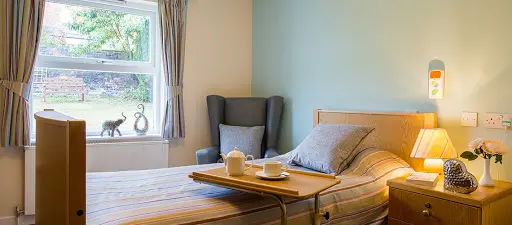
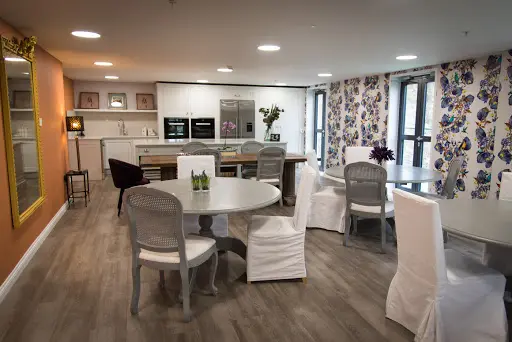
The home maintains high standards of cleanliness throughout, something families particularly appreciate. Food quality stands out too — one family member who visited regularly over three years specifically highlighted how good the meals are.
“Sometimes the best care homes are the ones that simply do things properly, day after day.”
DCC does not edit or curate content in this tab. For independently curated information, see The Evidence and DCC Verdict.