Whittingham House Residential Home
At a Glance
The information you need to decide whether this home warrants a closer look.
Residential homes
Staff warmth score
of reviewers answered yes
Good to know
- Registered beds70
- SpecialismsCaring for adults over 65 yrs, Caring for adults under 65 yrs, Dementia
- Last inspected2023-07-14
Save Whittingham House Residential Home to your shortlist
Keep a running list, add visit notes, and compare homes side-by-side. Free account — it takes a minute.
STAGE 4 — RESEARCHING CARE HOMES
Visit homes. Compare them side by side. Choose with confidence.
Most of us will view care homes the way we view houses, impression, atmosphere, the feeling in the corridor. We go home, try to remember what we saw, and make a permanent decision from a blurred memory.

The DCC shortlist gives every home you visit a structured record: the same twelve questions, answered the same way, every time. When you’re ready to choose, pull any two homes side by side and compare them directly. Same criteria, same evidence, your notes and your scores.
The Evidence
What the review data, the inspection reports, and the dementia-care evidence base tell us about this home.
What families say
Families talk about walking into a genuinely welcoming atmosphere where staff respond quickly to requests and stay engaged throughout visits. The home runs regular outings and themed celebrations — from Easter gatherings to Mother's Day events — that keep residents connected to the rhythms of life. People mention how clean and pleasant the surroundings feel, creating a sense of settled comfort.
The eight family priority themes
- Staff warmth35
- Compassion & dignity35
- Cleanliness40
- Activities & engagement30
- Food quality35
- Healthcare35
- Management & leadership30
- Resident happiness30
What inspectors found
Inspected 2023-07-14
Is this home safe?
Is the care effective?
No domain-level rating for Effective was recorded for the July 2023 inspection in the data available. The November 2024 inspection rated Effective as Good, but the supporting detail from that report is not available here. There is no information in the published findings about care plan quality, dementia training, GP access, food provision, or how the home monitors and responds to changes in people's health. The gap in information is significant for a home that lists dementia as a specialism, as effective dementia care requires specific and demonstrable knowledge, not just general good intentions.Is this home caring?
No domain-level rating for Caring was recorded for the July 2023 inspection in the data available. The November 2024 inspection rated Caring as Good. There are no inspector observations, resident quotes, or relative testimonies available from either inspection in the text provided for this analysis. This means there is no evidence base here to tell you how staff speak to the people who live in the home, whether residents appear settled and content, or whether dignity is upheld during personal care routines.Is the home responsive?
No domain-level rating for Responsive was recorded for the July 2023 inspection in the data available. The November 2024 inspection rated Responsive as Good. The inspection text provided contains no information about the activities programme, how individual preferences are identified, what happens for people who cannot participate in group activities, or how the home responds to complaints. For a 70-bed home with a dementia specialism, the absence of any specific detail here is a significant gap in the evidence available to families.Is the home well-led?
Whittingham House is run by Strathmore Care and has a named registered manager. The home received an Inadequate overall rating in July 2023, which represents a serious decline from a previous Good rating. The November 2024 inspection rated Well-led as Good. No detail is available in the inspection text provided about the culture within the home, staff morale, how the manager engages with residents and families, or what governance systems are in place. The trajectory from Good to Inadequate and back to Good in a relatively short period raises legitimate questions about stability that the available evidence cannot resolve.
Source: CQC inspection report →
What the evidence base says
The home cares for adults both under and over 65, with particular expertise in dementia support. Families report seeing genuine stability in relatives with vascular dementia and Alzheimer's — from better medication routines to improved nutrition and calmer behaviour. The consistent staff approach seems to make a real difference for residents navigating these conditions. All areas worth probing directly during a visit.
The DCC Verdict
Our editorial view, built from the three lenses: what families tell us, what inspectors record, and how the home sits against good dementia-care practice.
DCC Family Score
Whittingham House received an Inadequate overall rating at its July 2023 inspection, having previously been rated Good. The scores reflect an almost complete absence of specific positive evidence across all eight family themes: the published inspection text provides no direct observations, resident testimony, or confirmed good practice to draw on.
Homes in East typically score 68–82.The three-lens summary
What families tell us
Families talk about walking into a genuinely welcoming atmosphere where staff respond quickly to requests and stay engaged throughout visits. The home runs regular outings and themed celebrations — from Easter gatherings to Mother's Day events — that keep residents connected to the rhythms of life. People mention how clean and pleasant the surroundings feel, creating a sense of settled comfort.
What inspectors have recorded
What stands out is how the team keeps families connected through regular emails, photos and video updates. Relatives feel properly informed about their loved one's daily life and get invited to family events at the home. During difficult times, including end-of-life care, families have found the staff handle these moments with real compassion.
How it sits against good practice
For families facing these difficult decisions, hearing from others who've walked this path can bring some clarity.
Worth a visit
Whittingham House, on Whittingham Avenue in Southend-on-Sea, was rated Inadequate at its most recent inspection in July 2023, a significant decline from its previous rating of Good. The home is registered for up to 70 people and specialises in dementia care, care for adults over 65, and care for adults under 65. Importantly, the inspection report text available for this analysis contains almost no specific findings: no direct observations by inspectors, no resident or relative testimony, and no detail about what was working or failing in any of the five quality domains. This makes it impossible to give you a meaningful picture of day-to-day life at the home from inspection evidence alone. A more recent assessment dated November 2024 is noted, with a published report in December 2024 rating the home Good across all domains, but that later report's detail was not available for this analysis. The Inadequate rating from July 2023 is the most serious outcome an inspection can produce and should be treated seriously, even if the home has since been re-rated. Before visiting, request a copy of the December 2024 report directly from the home and read it in full. On your visit, ask the registered manager what specific changes were made between July 2023 and November 2024 to address the concerns that led to the Inadequate rating. Ask to see evidence of those changes, such as updated care plans, staffing rotas, training records, and the most recent complaint log. The gap between a former Good rating, an Inadequate, and a return to Good in roughly 16 months is an unusual trajectory that deserves a direct, honest conversation.
The three questions to ask when you visitSave this home. Compare it against your shortlist.
Let our analysis show you how Whittingham House Residential Home measures up against the other homes you’re considering. Free account.
In Their Own Words
How Whittingham House Residential Home describes itself — collected from its own website. DCC has not edited or independently verified the content in this tab.
Where compassionate staff help families navigate dementia together
Whittingham House – Your Trusted residential home
When dementia changes everything, finding the right support feels overwhelming. At Whittingham House in Southend On Sea, families describe discovering a team who truly understand this journey. Here, residents with conditions like vascular dementia and Alzheimer's find stability through consistent routines and engaged care.
Who they care for
The home cares for adults both under and over 65, with particular expertise in dementia support.
Families report seeing genuine stability in relatives with vascular dementia and Alzheimer's — from better medication routines to improved nutrition and calmer behaviour. The consistent staff approach seems to make a real difference for residents navigating these conditions.
“For families facing these difficult decisions, hearing from others who've walked this path can bring some clarity.”
DCC does not edit or curate content in this tab. For independently curated information, see The Evidence and DCC Verdict.
The DCC Verdict
Our editorial view, built from the three lenses: what families tell us, what inspectors record, and how the home sits against good dementia-care practice.
DCC Family Score
Whittingham House received an Inadequate overall rating at its July 2023 inspection, having previously been rated Good. The scores reflect an almost complete absence of specific positive evidence across all eight family themes: the published inspection text provides no direct observations, resident testimony, or confirmed good practice to draw on.
Homes in East typically score 68–82.The three-lens summary
What families tell us
Families talk about walking into a genuinely welcoming atmosphere where staff respond quickly to requests and stay engaged throughout visits. The home runs regular outings and themed celebrations — from Easter gatherings to Mother's Day events — that keep residents connected to the rhythms of life. People mention how clean and pleasant the surroundings feel, creating a sense of settled comfort.
What inspectors have recorded
What stands out is how the team keeps families connected through regular emails, photos and video updates. Relatives feel properly informed about their loved one's daily life and get invited to family events at the home. During difficult times, including end-of-life care, families have found the staff handle these moments with real compassion.
How it sits against good practice
For families facing these difficult decisions, hearing from others who've walked this path can bring some clarity.
Worth a visit
Whittingham House, on Whittingham Avenue in Southend-on-Sea, was rated Inadequate at its most recent inspection in July 2023, a significant decline from its previous rating of Good. The home is registered for up to 70 people and specialises in dementia care, care for adults over 65, and care for adults under 65. Importantly, the inspection report text available for this analysis contains almost no specific findings: no direct observations by inspectors, no resident or relative testimony, and no detail about what was working or failing in any of the five quality domains. This makes it impossible to give you a meaningful picture of day-to-day life at the home from inspection evidence alone. A more recent assessment dated November 2024 is noted, with a published report in December 2024 rating the home Good across all domains, but that later report's detail was not available for this analysis. The Inadequate rating from July 2023 is the most serious outcome an inspection can produce and should be treated seriously, even if the home has since been re-rated. Before visiting, request a copy of the December 2024 report directly from the home and read it in full. On your visit, ask the registered manager what specific changes were made between July 2023 and November 2024 to address the concerns that led to the Inadequate rating. Ask to see evidence of those changes, such as updated care plans, staffing rotas, training records, and the most recent complaint log. The gap between a former Good rating, an Inadequate, and a return to Good in roughly 16 months is an unusual trajectory that deserves a direct, honest conversation.
The three questions to ask when you visitSave this home. Compare it against your shortlist.
Let our analysis show you how Whittingham House Residential Home measures up against the other homes you’re considering. Free account.
In Their Own Words
How Whittingham House Residential Home describes itself — collected from its own website. DCC has not edited or independently verified the content in this tab.
Where compassionate staff help families navigate dementia together
Whittingham House – Your Trusted residential home
When dementia changes everything, finding the right support feels overwhelming. At Whittingham House in Southend On Sea, families describe discovering a team who truly understand this journey. Here, residents with conditions like vascular dementia and Alzheimer's find stability through consistent routines and engaged care.
Who they care for
The home cares for adults both under and over 65, with particular expertise in dementia support.
Families report seeing genuine stability in relatives with vascular dementia and Alzheimer's — from better medication routines to improved nutrition and calmer behaviour. The consistent staff approach seems to make a real difference for residents navigating these conditions.
Management & ethos
What stands out is how the team keeps families connected through regular emails, photos and video updates. Relatives feel properly informed about their loved one's daily life and get invited to family events at the home. During difficult times, including end-of-life care, families have found the staff handle these moments with real compassion.
The home & environment
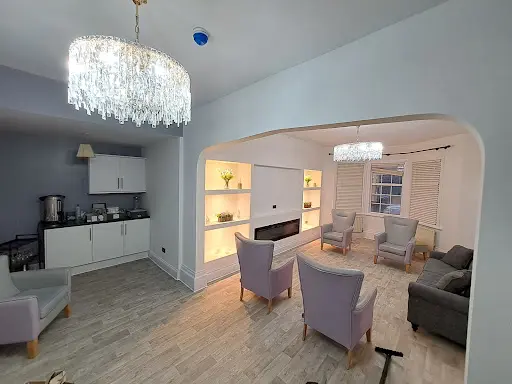
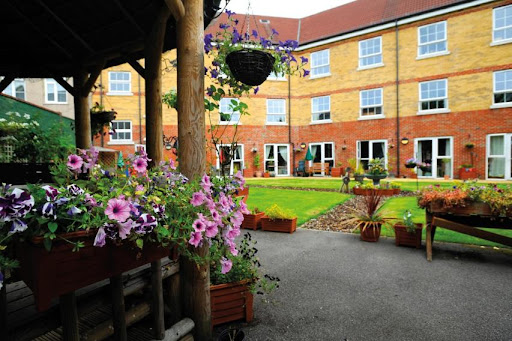
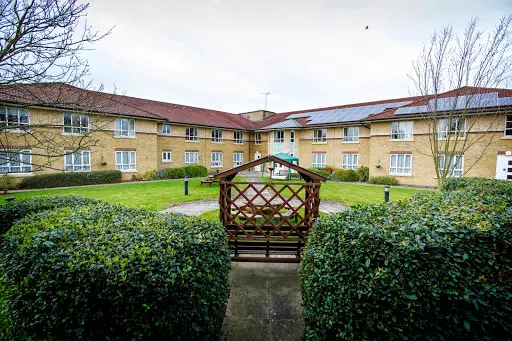
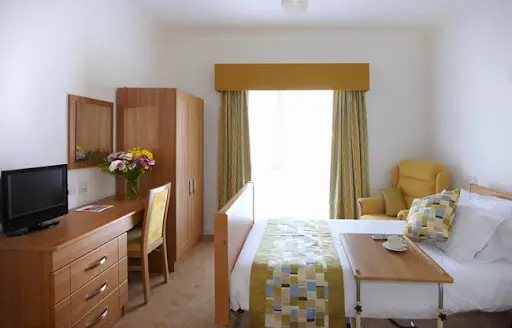
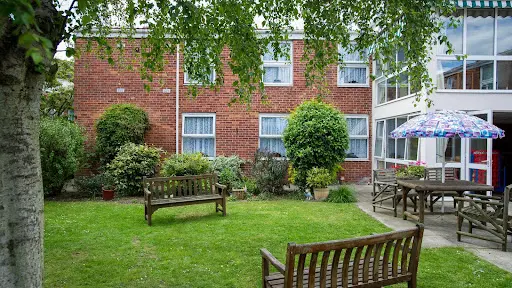
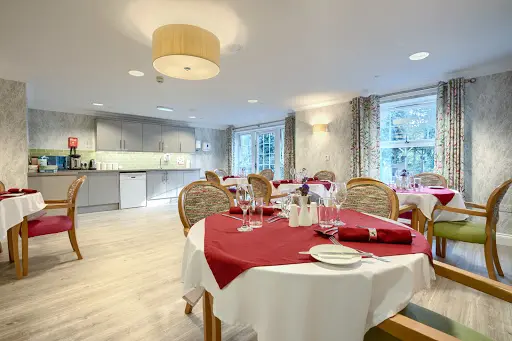
The food gets specific praise from both residents and families for its quality and variety. The home maintains consistently clean, pleasant surroundings that families appreciate during visits.
“For families facing these difficult decisions, hearing from others who've walked this path can bring some clarity.”
DCC does not edit or curate content in this tab. For independently curated information, see The Evidence and DCC Verdict.