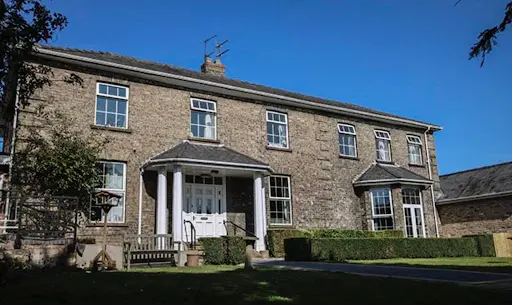
Westerlands Care Centre

At a Glance
The information you need to decide whether this home warrants a closer look.
Residential homes
Staff warmth score
of reviewers answered yes
Good to know
- Registered beds62
- SpecialismsCaring for adults over 65 yrs, Caring for adults under 65 yrs, Dementia, Physical disabilities, Sensory impairment
- Last inspected2023-07-01
Save Westerlands Care Centre to your shortlist
Keep a running list, add visit notes, and compare homes side-by-side. Free account — it takes a minute.
STAGE 4 — RESEARCHING CARE HOMES
Visit homes. Compare them side by side. Choose with confidence.
Most of us will view care homes the way we view houses, impression, atmosphere, the feeling in the corridor. We go home, try to remember what we saw, and make a permanent decision from a blurred memory.

The DCC shortlist gives every home you visit a structured record: the same twelve questions, answered the same way, every time. When you’re ready to choose, pull any two homes side by side and compare them directly. Same criteria, same evidence, your notes and your scores.
The Evidence
What the review data, the inspection reports, and the dementia-care evidence base tell us about this home.
What families say
Relatives describe how staff recognise each resident's unique personality and sense of humour, even during serious illness. Families appreciate the flexible visiting arrangements and the way multi-generational gatherings are welcomed, creating opportunities for grandchildren and extended family to stay connected.
The eight family priority themes
- Staff warmth72
- Compassion & dignity72
- Cleanliness72
- Activities & engagement65
- Food quality62
- Healthcare68
- Management & leadership75
- Resident happiness70
What inspectors found
Inspected 2023-07-01
Is this home safe?
Is the care effective?
The Effective domain was rated Good, covering training, care planning, healthcare access, nutrition, and the use of evidence-based approaches. The home specialises in dementia, physical disabilities, and sensory impairment, meaning staff should be trained across a range of complex needs. No detail is provided in the published text about the content of dementia training, how care plans are constructed or reviewed, or how meals are managed for people with swallowing difficulties or specific dietary needs.Is this home caring?
The Caring domain was rated Good, which covers how staff treat the people who live in the home: their warmth, the pace of care, dignity in personal care, use of preferred names, and response to distress. The published inspection text does not include direct observations of staff interactions, quotes from residents, or specific examples of dignified or compassionate practice. The Good rating indicates inspectors were satisfied with what they observed, but the detail behind that judgement is not available in the published text.Is the home responsive?
The Responsive domain was rated Good, covering activities, individual engagement, how the home handles complaints, and whether care is tailored to the person rather than the rota. The home supports people with dementia, physical disabilities, and sensory impairments, each of which requires a different approach to meaningful activity. No specific information about the activities programme, individual engagement for people who cannot join groups, or how the home handles feedback is included in the published inspection text.Is the home well-led?
The Well-led domain was rated Good, and the home improved from a previous Requires Improvement rating across all domains. There is a named registered manager, Mrs Lauren Marie Knight, and a nominated individual, Mrs Diane Smith. The home is run by Prime Life Limited. Good Practice evidence consistently links leadership stability to quality trajectory, and the fact that the home has improved its overall rating is a positive indicator. No detail is provided about manager tenure, staff turnover, how the home handles complaints, or whether staff feel able to raise concerns.
Source: CQC inspection report →
What the evidence base says
The home specialises in caring for people with dementia, physical disabilities, and sensory impairments. They support both younger adults under 65 and older residents, with particular strength in rehabilitation programmes. Staff show understanding of how dementia affects each person differently, working to maintain dignity and respond to individual needs throughout the progression of the condition. The team has experience supporting residents through all stages of dementia. All areas worth probing directly during a visit.
The DCC Verdict
Our editorial view, built from the three lenses: what families tell us, what inspectors record, and how the home sits against good dementia-care practice.
DCC Family Score
Westerlands Care Village improved from Requires Improvement to a Good rating across all five inspection domains, which is a meaningful positive step. However, the published inspection text provides limited specific detail, so many scores reflect the rating rather than direct evidence from observations or testimony.
Homes in Yorkshire & Humberside typically score 68–82.The three-lens summary
What families tell us
Relatives describe how staff recognise each resident's unique personality and sense of humour, even during serious illness. Families appreciate the flexible visiting arrangements and the way multi-generational gatherings are welcomed, creating opportunities for grandchildren and extended family to stay connected.
What inspectors have recorded
The nursing team receives consistent praise from families for their clinical skills and professional approach to care. Some families have raised concerns about communication, particularly around significant health changes, and the home has worked with regulators to address these issues.
How it sits against good practice
If you're considering Westerlands for someone who needs skilled nursing care or rehabilitation support, visiting will help you understand their approach.
Worth a visit
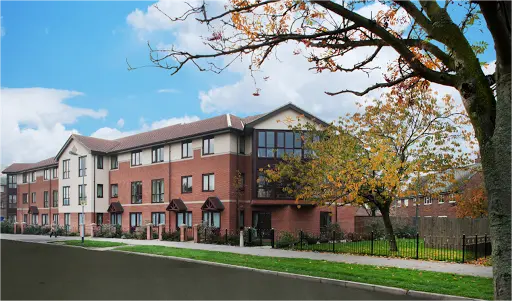
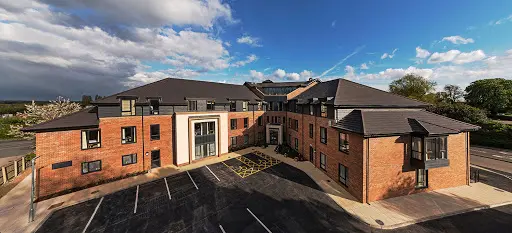
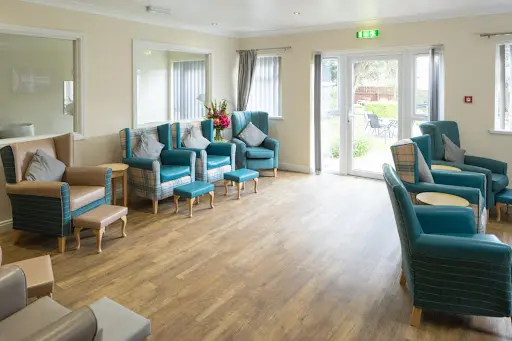
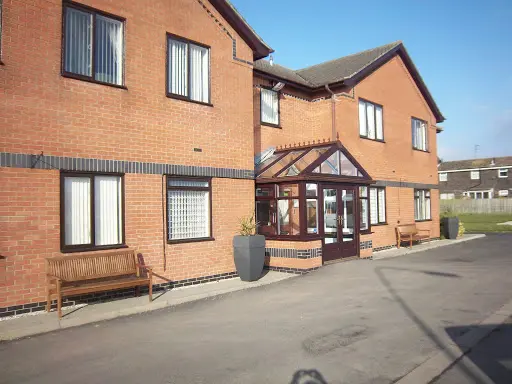
Westerlands Care Village, on Elloughton Road near Brough, was inspected in June 2023 and rated Good across all five domains: Safe, Effective, Caring, Responsive, and Well-led. This is a significant improvement from its previous rating of Requires Improvement, which signals genuine progress under the current management team. The home is registered to care for up to 62 people, including those living with dementia, physical disabilities, and sensory impairments, and it has a named registered manager in post. The main limitation of this report is that the published inspection text is brief and contains very little specific detail, such as direct observations, staff-to-resident ratios, or quotes from people living in the home or their families. The Good rating gives a reassuring baseline, but it cannot tell you how warm the atmosphere feels day to day, whether your parent would have enough to do, or how the night shift is staffed. Before you visit, prepare specific questions: ask to see last week's actual staffing rota, ask what activities happen on a Tuesday afternoon, and spend time in a communal area to see how staff interact with the people living there.
The three questions to ask when you visitSave this home. Compare it against your shortlist.
Let our analysis show you how Westerlands Care Centre measures up against the other homes you’re considering. Free account.
In Their Own Words
How Westerlands Care Centre describes itself — collected from its own website. DCC has not edited or independently verified the content in this tab.
Skilled nursing care with strong rehabilitation focus in rural Yorkshire
Westerlands Care Village – Your Trusted residential home
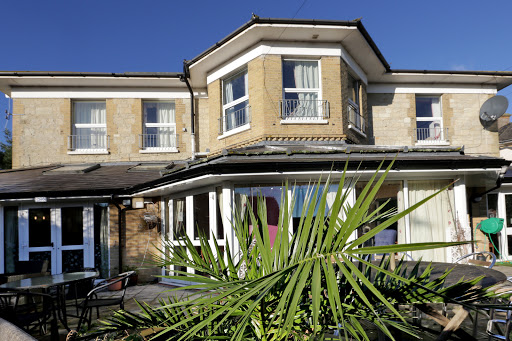
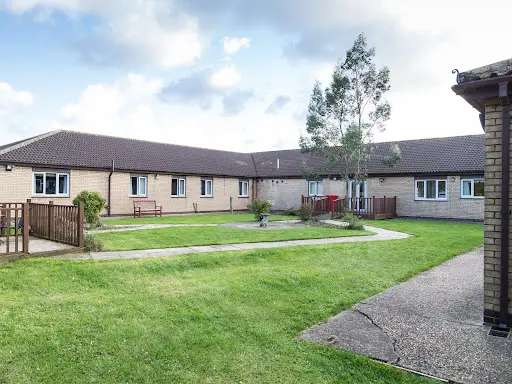
Families choosing Westerlands Care Village near Brough often mention the clinical expertise of the nursing team, particularly when supporting residents through rehabilitation or complex health needs. Set in the Yorkshire countryside, this care village provides specialist support for people with dementia, physical disabilities, and sensory impairments. The home welcomes both younger adults under 65 and older residents.
Who they care for
The home specialises in caring for people with dementia, physical disabilities, and sensory impairments. They support both younger adults under 65 and older residents, with particular strength in rehabilitation programmes.
Staff show understanding of how dementia affects each person differently, working to maintain dignity and respond to individual needs throughout the progression of the condition. The team has experience supporting residents through all stages of dementia.
“If you're considering Westerlands for someone who needs skilled nursing care or rehabilitation support, visiting will help you understand their approach.”
DCC does not edit or curate content in this tab. For independently curated information, see The Evidence and DCC Verdict.
The DCC Verdict
Our editorial view, built from the three lenses: what families tell us, what inspectors record, and how the home sits against good dementia-care practice.
DCC Family Score
Westerlands Care Village improved from Requires Improvement to a Good rating across all five inspection domains, which is a meaningful positive step. However, the published inspection text provides limited specific detail, so many scores reflect the rating rather than direct evidence from observations or testimony.
Homes in Yorkshire & Humberside typically score 68–82.The three-lens summary
What families tell us
Relatives describe how staff recognise each resident's unique personality and sense of humour, even during serious illness. Families appreciate the flexible visiting arrangements and the way multi-generational gatherings are welcomed, creating opportunities for grandchildren and extended family to stay connected.
What inspectors have recorded
The nursing team receives consistent praise from families for their clinical skills and professional approach to care. Some families have raised concerns about communication, particularly around significant health changes, and the home has worked with regulators to address these issues.
How it sits against good practice
If you're considering Westerlands for someone who needs skilled nursing care or rehabilitation support, visiting will help you understand their approach.
Worth a visit
Westerlands Care Village, on Elloughton Road near Brough, was inspected in June 2023 and rated Good across all five domains: Safe, Effective, Caring, Responsive, and Well-led. This is a significant improvement from its previous rating of Requires Improvement, which signals genuine progress under the current management team. The home is registered to care for up to 62 people, including those living with dementia, physical disabilities, and sensory impairments, and it has a named registered manager in post. The main limitation of this report is that the published inspection text is brief and contains very little specific detail, such as direct observations, staff-to-resident ratios, or quotes from people living in the home or their families. The Good rating gives a reassuring baseline, but it cannot tell you how warm the atmosphere feels day to day, whether your parent would have enough to do, or how the night shift is staffed. Before you visit, prepare specific questions: ask to see last week's actual staffing rota, ask what activities happen on a Tuesday afternoon, and spend time in a communal area to see how staff interact with the people living there.
The three questions to ask when you visitSave this home. Compare it against your shortlist.
Let our analysis show you how Westerlands Care Centre measures up against the other homes you’re considering. Free account.
In Their Own Words
How Westerlands Care Centre describes itself — collected from its own website. DCC has not edited or independently verified the content in this tab.
Skilled nursing care with strong rehabilitation focus in rural Yorkshire
Westerlands Care Village – Your Trusted residential home
Families choosing Westerlands Care Village near Brough often mention the clinical expertise of the nursing team, particularly when supporting residents through rehabilitation or complex health needs. Set in the Yorkshire countryside, this care village provides specialist support for people with dementia, physical disabilities, and sensory impairments. The home welcomes both younger adults under 65 and older residents.
Who they care for
The home specialises in caring for people with dementia, physical disabilities, and sensory impairments. They support both younger adults under 65 and older residents, with particular strength in rehabilitation programmes.
Staff show understanding of how dementia affects each person differently, working to maintain dignity and respond to individual needs throughout the progression of the condition. The team has experience supporting residents through all stages of dementia.
Management & ethos
The nursing team receives consistent praise from families for their clinical skills and professional approach to care. Some families have raised concerns about communication, particularly around significant health changes, and the home has worked with regulators to address these issues.
“If you're considering Westerlands for someone who needs skilled nursing care or rehabilitation support, visiting will help you understand their approach.”
DCC does not edit or curate content in this tab. For independently curated information, see The Evidence and DCC Verdict.