Thomas Colledge House
At a Glance
The information you need to decide whether this home warrants a closer look.
Residential homes
Staff warmth score
of reviewers answered yes
Good to know
- Registered beds24
- SpecialismsCaring for adults over 65 yrs, Caring for adults under 65 yrs, Dementia, Mental health conditions, Physical disabilities, Sensory impairment
- Last inspected2023-10-19
Save Thomas Colledge House to your shortlist
Keep a running list, add visit notes, and compare homes side-by-side. Free account — it takes a minute.
STAGE 4 — RESEARCHING CARE HOMES
Visit homes. Compare them side by side. Choose with confidence.
Most of us will view care homes the way we view houses, impression, atmosphere, the feeling in the corridor. We go home, try to remember what we saw, and make a permanent decision from a blurred memory.

The DCC shortlist gives every home you visit a structured record: the same twelve questions, answered the same way, every time. When you’re ready to choose, pull any two homes side by side and compare them directly. Same criteria, same evidence, your notes and your scores.
The Evidence
What the review data, the inspection reports, and the dementia-care evidence base tell us about this home.
What families say
Families describe finding real comfort here during some of life's toughest times. The staff bring a natural kindness that helps residents feel valued and understood, particularly through the challenges of terminal illness or advancing dementia.
The eight family priority themes
- Staff warmth72
- Compassion & dignity72
- Cleanliness68
- Activities & engagement62
- Food quality60
- Healthcare65
- Management & leadership74
- Resident happiness68
What inspectors found
Inspected 2023-10-19
Is this home safe?
Is the care effective?
The Effective domain was rated Good, suggesting inspectors were satisfied with training, care planning, healthcare access, and how the home uses information to support people well. The home lists dementia as a specialism, which implies a particular responsibility to demonstrate dementia-specific training and care. No specific examples of care plan quality, GP access arrangements, or staff training content are reproduced in the available published text. Food quality, which falls within this domain, is also unaddressed in the summary.Is this home caring?
The Caring domain received a Good rating, which covers warmth of staff interactions, dignity, respect, and how well the home supports people's independence. Staff warmth and compassion are the two highest-weighted themes in our family review data, accounting for over 55% of what families tell us matters most. No direct quotes from residents or relatives are reproduced in the available inspection summary, which limits how confidently we can describe what the day-to-day experience felt like to inspectors. The improvement from Requires Improvement suggests the home addressed prior concerns about how care was delivered.Is the home responsive?
The Responsive domain was rated Good, indicating inspectors were satisfied with how well the home tailored its care to individuals, offered meaningful activities, and responded to complaints and changing needs. The home supports people with a range of conditions including dementia, mental health conditions, and sensory impairments, which demands a genuinely individualised approach to activities and engagement. No specific examples of activity programmes, individual engagement, or complaint outcomes are available in the published summary. End-of-life planning is also not addressed in the available text.Is the home well-led?
The Well-led domain was rated Good, and the home's overall improvement from Requires Improvement to Good across all domains is the clearest evidence that leadership has functioned effectively. The home is run by Derbyshire County Council with a named Nominated Individual. No specific observations about the manager's tenure, visibility on the floor, staff culture, or how the home handles complaints are reproduced in the available published text. It is also important to note that this home was deregistered in February 2026, which raises questions about the stability of the service beyond the inspection date.
Source: CQC inspection report →
What the evidence base says
The home welcomes people with sensory impairments, physical disabilities, and mental health conditions alongside their dementia care. They support younger adults under 65 as well as older residents. Their approach to dementia focuses on maintaining each person's dignity through every stage of their condition. Staff work to keep residents feeling content and respected, whether they're newly diagnosed or in later stages. All areas worth probing directly during a visit.
The DCC Verdict
Our editorial view, built from the three lenses: what families tell us, what inspectors record, and how the home sits against good dementia-care practice.
DCC Family Score
Thomas Colledge House achieved a solid Good rating across all five domains after previously requiring improvement, which is a meaningful step forward — but the inspection report contains limited specific observations, quotes, or detailed evidence to push scores higher with confidence.
Homes in East Midlands typically score 68–82.The three-lens summary
What families tell us
Families describe finding real comfort here during some of life's toughest times. The staff bring a natural kindness that helps residents feel valued and understood, particularly through the challenges of terminal illness or advancing dementia.
What inspectors have recorded
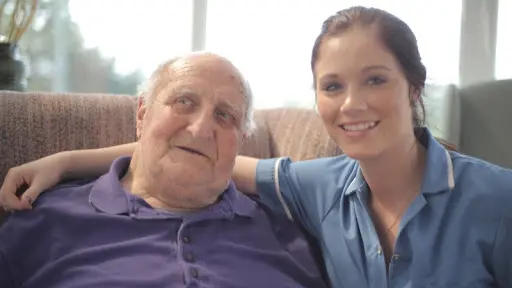
Staff here seem to genuinely care about both residents and their visitors. They notice when family members need support too, especially during difficult visits, and take time to check everyone feels looked after.
How it sits against good practice
Getting to know Thomas Colledge House properly means seeing it for yourself and meeting the team who make it what it is.
Worth a visit
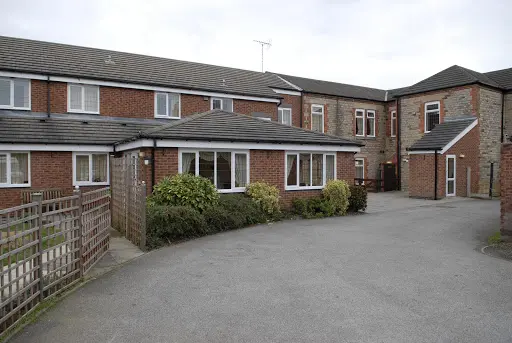
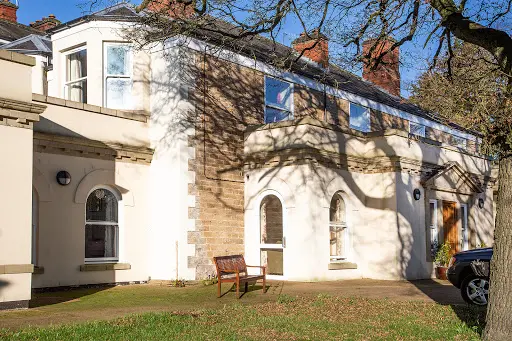
Thomas Colledge House Care Home, run by Derbyshire County Council on Oxcroft Lane in Chesterfield, was rated Good across all five inspection domains in September 2023 — a genuine improvement from a previous Requires Improvement rating. That improvement matters: it tells you the home identified its weaknesses and addressed them to a standard that satisfied inspectors. For a 24-bed home supporting people with dementia, mental health conditions, and physical disabilities, a clean Good across the board is a positive baseline. However, the published inspection summary contains very limited specific detail — no direct quotes from residents or families, no named observations about staff behaviour, food, activities, or the physical environment are reproduced in the available text. This means the Family Score sits in the low-70s rather than higher: the rating is reassuring but the evidence behind it is thin for families trying to make a detailed comparison. Crucially, this home was deregistered in February 2026, meaning it is no longer operating. Before drawing any conclusions, confirm the home's current status directly. If you are considering a home with similar characteristics, use the checklist questions in this report as your starting point for any visit.
The three questions to ask when you visitSave this home. Compare it against your shortlist.
Let our analysis show you how Thomas Colledge House measures up against the other homes you’re considering. Free account.
In Their Own Words
How Thomas Colledge House describes itself — collected from its own website. DCC has not edited or independently verified the content in this tab.
Where dignity and kindness shape every single day
Thomas Colledge House Care Home – Expert Care in Chesterfield
When families need thoughtful dementia care in Chesterfield, Thomas Colledge House Care Home offers something that matters deeply — staff who understand that small moments of genuine warmth make all the difference. This East Midlands home specialises in supporting people with dementia, mental health conditions, and sensory impairments, caring for adults both under and over 65.
Who they care for
The home welcomes people with sensory impairments, physical disabilities, and mental health conditions alongside their dementia care. They support younger adults under 65 as well as older residents.
Their approach to dementia focuses on maintaining each person's dignity through every stage of their condition. Staff work to keep residents feeling content and respected, whether they're newly diagnosed or in later stages.
“Getting to know Thomas Colledge House properly means seeing it for yourself and meeting the team who make it what it is.”
DCC does not edit or curate content in this tab. For independently curated information, see The Evidence and DCC Verdict.
The DCC Verdict
Our editorial view, built from the three lenses: what families tell us, what inspectors record, and how the home sits against good dementia-care practice.
DCC Family Score
Thomas Colledge House achieved a solid Good rating across all five domains after previously requiring improvement, which is a meaningful step forward — but the inspection report contains limited specific observations, quotes, or detailed evidence to push scores higher with confidence.
Homes in East Midlands typically score 68–82.The three-lens summary
What families tell us
Families describe finding real comfort here during some of life's toughest times. The staff bring a natural kindness that helps residents feel valued and understood, particularly through the challenges of terminal illness or advancing dementia.
What inspectors have recorded
Staff here seem to genuinely care about both residents and their visitors. They notice when family members need support too, especially during difficult visits, and take time to check everyone feels looked after.
How it sits against good practice
Getting to know Thomas Colledge House properly means seeing it for yourself and meeting the team who make it what it is.
Worth a visit
Thomas Colledge House Care Home, run by Derbyshire County Council on Oxcroft Lane in Chesterfield, was rated Good across all five inspection domains in September 2023 — a genuine improvement from a previous Requires Improvement rating. That improvement matters: it tells you the home identified its weaknesses and addressed them to a standard that satisfied inspectors. For a 24-bed home supporting people with dementia, mental health conditions, and physical disabilities, a clean Good across the board is a positive baseline. However, the published inspection summary contains very limited specific detail — no direct quotes from residents or families, no named observations about staff behaviour, food, activities, or the physical environment are reproduced in the available text. This means the Family Score sits in the low-70s rather than higher: the rating is reassuring but the evidence behind it is thin for families trying to make a detailed comparison. Crucially, this home was deregistered in February 2026, meaning it is no longer operating. Before drawing any conclusions, confirm the home's current status directly. If you are considering a home with similar characteristics, use the checklist questions in this report as your starting point for any visit.
The three questions to ask when you visitSave this home. Compare it against your shortlist.
Let our analysis show you how Thomas Colledge House measures up against the other homes you’re considering. Free account.
In Their Own Words
How Thomas Colledge House describes itself — collected from its own website. DCC has not edited or independently verified the content in this tab.
Where dignity and kindness shape every single day
Thomas Colledge House Care Home – Expert Care in Chesterfield
When families need thoughtful dementia care in Chesterfield, Thomas Colledge House Care Home offers something that matters deeply — staff who understand that small moments of genuine warmth make all the difference. This East Midlands home specialises in supporting people with dementia, mental health conditions, and sensory impairments, caring for adults both under and over 65.
Who they care for
The home welcomes people with sensory impairments, physical disabilities, and mental health conditions alongside their dementia care. They support younger adults under 65 as well as older residents.
Their approach to dementia focuses on maintaining each person's dignity through every stage of their condition. Staff work to keep residents feeling content and respected, whether they're newly diagnosed or in later stages.
Management & ethos
Staff here seem to genuinely care about both residents and their visitors. They notice when family members need support too, especially during difficult visits, and take time to check everyone feels looked after.
The home & environment
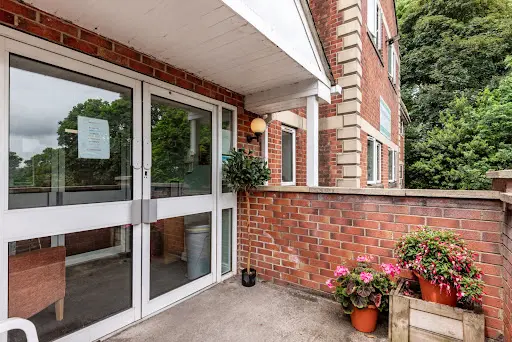
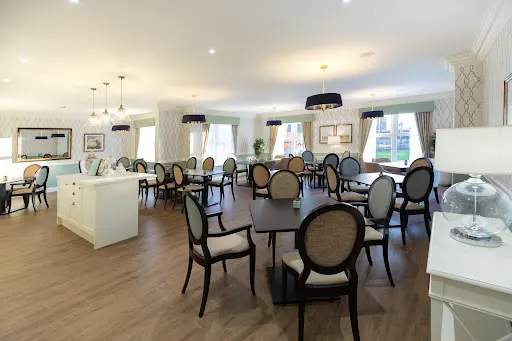
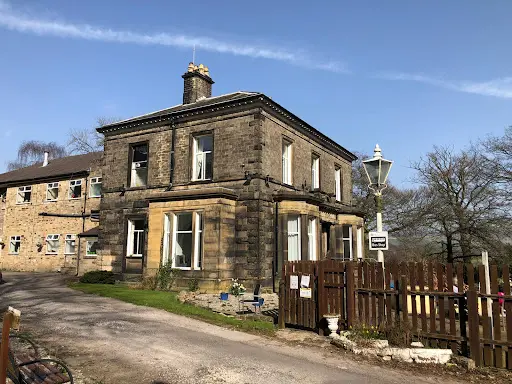
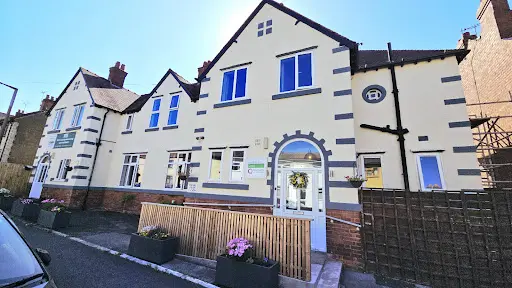
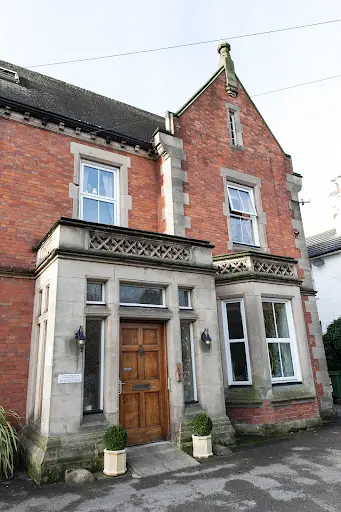
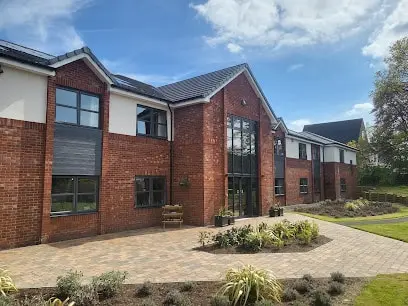
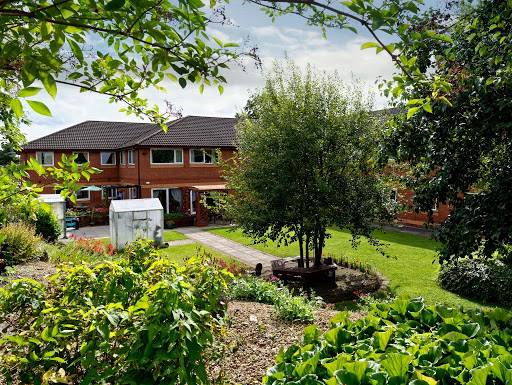
The home stays bright and spotlessly clean, with private bathroom facilities giving residents their own space when they need it. Living areas feel fresh and well-kept, creating pleasant surroundings for daily life.
“Getting to know Thomas Colledge House properly means seeing it for yourself and meeting the team who make it what it is.”
DCC does not edit or curate content in this tab. For independently curated information, see The Evidence and DCC Verdict.