The Rowans Care Home
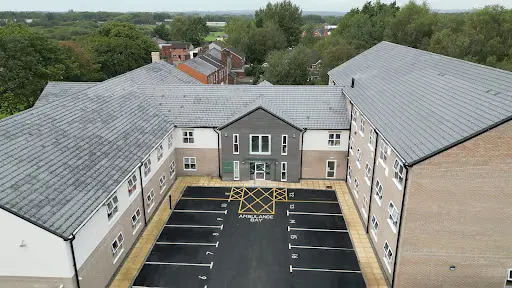
At a Glance
The information you need to decide whether this home warrants a closer look.
Nursing homes
Staff warmth score
of reviewers answered yes
Good to know
- Registered beds66
- SpecialismsCaring for adults over 65 yrs, Caring for adults under 65 yrs, Dementia, Mental health conditions, Physical disabilities, Sensory impairment
- Last inspected2025-01-22
Save The Rowans Care Home to your shortlist
Keep a running list, add visit notes, and compare homes side-by-side. Free account — it takes a minute.
STAGE 4 — RESEARCHING CARE HOMES
Visit homes. Compare them side by side. Choose with confidence.
Most of us will view care homes the way we view houses, impression, atmosphere, the feeling in the corridor. We go home, try to remember what we saw, and make a permanent decision from a blurred memory.

The DCC shortlist gives every home you visit a structured record: the same twelve questions, answered the same way, every time. When you’re ready to choose, pull any two homes side by side and compare them directly. Same criteria, same evidence, your notes and your scores.
The Evidence
What the review data, the inspection reports, and the dementia-care evidence base tell us about this home.
What families say
Families describe feeling genuinely welcomed when they visit, with staff taking time to engage with both residents and their relatives. The team's approachable nature seems to help put people at ease during what can be difficult transitions.
The eight family priority themes
- Staff warmth85
- Compassion & dignity88
- Cleanliness70
- Activities & engagement70
- Food quality65
- Healthcare70
- Management & leadership85
- Resident happiness75
What inspectors found
Inspected 2025-01-22 Report published 2025-01-22
Is this home safe?
Is the care effective?
Inspectors rated Effective as Good at the January 2025 assessment. This domain covers how well the home uses its knowledge and skills to deliver care, including training, care planning, healthcare access, and nutrition. A Good rating indicates the required standard was met. No detailed narrative observations, care plan examples, or training records are available in the published findings to give a more granular picture.Is this home caring?
Inspectors rated Caring as Outstanding at the January 2025 assessment. This is the highest possible rating and is awarded to fewer than one in twenty care homes in England. The Caring domain covers how staff treat people: warmth, dignity, respect, privacy, and support for independence. An Outstanding rating in this domain means inspectors found compelling, specific evidence that staff go beyond compliance and genuinely connect with the people they care for. The detailed observations and testimony that supported this rating are not reproduced in the available report text.Is the home responsive?
Inspectors rated Responsive as Good at the January 2025 assessment. This domain covers whether the home tailors its care to individual needs, provides meaningful activities, supports independence, and plans appropriately for end of life. A Good rating indicates the required standard was met across these areas. The home supports a range of needs including dementia, mental health conditions, physical disabilities, and sensory impairments, which means the activity programme and individual engagement approaches need to be genuinely flexible.Is the home well-led?
Inspectors rated Well-led as Outstanding at the January 2025 assessment. This domain covers the quality of management, governance, culture, and accountability. An Outstanding Well-led rating means inspectors found evidence of a culture that consistently learns, empowers staff, and drives improvement. The registered manager is named as Mr Christopher Paul Durnan, with Ms Samantha Crawley as the nominated individual for the operating organisation, EQ Care Group Limited. The detailed findings behind this rating are not reproduced in the available report text.
Source: CQC inspection report →
What the evidence base says
The Rowans provides specialist support for people with dementia, mental health conditions, physical disabilities, and sensory impairments. The home cares for both younger adults under 65 and older adults. The home's dementia care has been recognised at national level, reaching finalist status in awards for complex dementia support. This suggests the team is developing thoughtful approaches to supporting people through more challenging aspects of living with dementia. All areas worth probing directly during a visit.
The DCC Verdict
Our editorial view, built from the three lenses: what families tell us, what inspectors record, and how the home sits against good dementia-care practice.
DCC Family Score
The Rowans earned an Outstanding overall rating, with inspectors singling out Caring and Well-led as exceptional. The score reflects genuine strength in the areas families care about most, tempered by the limited narrative detail available in the published findings, which means some important questions remain for you to ask on a visit.
Homes in North West typically score 68–82.The three-lens summary
What families tell us
Families describe feeling genuinely welcomed when they visit, with staff taking time to engage with both residents and their relatives. The team's approachable nature seems to help put people at ease during what can be difficult transitions.
What inspectors have recorded
The care team at The Rowans appears particularly responsive to residents' needs, with families noting how staff stay engaged and attentive. There's mention of the home working closely with local healthcare teams when managing complex cases.
How it sits against good practice
If you're looking for specialist care in Wigan, particularly for complex needs, The Rowans could be worth exploring further.
Worth a visit
The Rowans Care Home on Bickershaw Lane in Wigan was rated Outstanding at its assessment in January 2025, with inspectors awarding Outstanding in both Caring and Well-led, and Good across Safe, Effective, and Responsive. An Outstanding Caring rating is rare: fewer than five percent of care homes in England achieve it, and it directly reflects the warmth, dignity, and respect that families tell us matter most. The home is registered to support people with dementia, mental health conditions, physical disabilities, and sensory impairments, and cares for both younger adults and older adults across 66 beds. The published report narrative is limited, which means there is less specific inspector observation and direct testimony available than families would ideally want to read. The headline ratings are a strong signal, but they are not a substitute for your own visit. When you go, pay particular attention to how staff interact with your parent in unplanned moments, in corridors, at mealtimes, and when someone is distressed. Ask the manager directly about staffing levels on nights, agency use, and how families are kept informed. The Outstanding Well-led rating suggests the home has strong governance, but leadership quality is best confirmed by meeting the registered manager in person.
The three questions to ask when you visitSave this home. Compare it against your shortlist.
Let our analysis show you how The Rowans Care Home measures up against the other homes you’re considering. Free account.
In Their Own Words
How The Rowans Care Home describes itself — collected from its own website. DCC has not edited or independently verified the content in this tab.
Where specialist care meets genuine warmth in Wigan
Nursing home in Wigan: True Peace of Mind
The Rowans Care Home in Wigan brings together experienced staff and thoughtful support for people with complex needs. This care home has caught the attention of national award panels for their work with dementia, while families speak warmly about the welcome they receive. Set in the heart of Wigan, The Rowans focuses on creating a supportive environment for residents with various care needs.
Who they care for
The Rowans provides specialist support for people with dementia, mental health conditions, physical disabilities, and sensory impairments. The home cares for both younger adults under 65 and older adults.
The home's dementia care has been recognised at national level, reaching finalist status in awards for complex dementia support. This suggests the team is developing thoughtful approaches to supporting people through more challenging aspects of living with dementia.
“If you're looking for specialist care in Wigan, particularly for complex needs, The Rowans could be worth exploring further.”
DCC does not edit or curate content in this tab. For independently curated information, see The Evidence and DCC Verdict.
The DCC Verdict
Our editorial view, built from the three lenses: what families tell us, what inspectors record, and how the home sits against good dementia-care practice.
DCC Family Score
The Rowans earned an Outstanding overall rating, with inspectors singling out Caring and Well-led as exceptional. The score reflects genuine strength in the areas families care about most, tempered by the limited narrative detail available in the published findings, which means some important questions remain for you to ask on a visit.
Homes in North West typically score 68–82.The three-lens summary
What families tell us
Families describe feeling genuinely welcomed when they visit, with staff taking time to engage with both residents and their relatives. The team's approachable nature seems to help put people at ease during what can be difficult transitions.
What inspectors have recorded
The care team at The Rowans appears particularly responsive to residents' needs, with families noting how staff stay engaged and attentive. There's mention of the home working closely with local healthcare teams when managing complex cases.
How it sits against good practice
If you're looking for specialist care in Wigan, particularly for complex needs, The Rowans could be worth exploring further.
Worth a visit
The Rowans Care Home on Bickershaw Lane in Wigan was rated Outstanding at its assessment in January 2025, with inspectors awarding Outstanding in both Caring and Well-led, and Good across Safe, Effective, and Responsive. An Outstanding Caring rating is rare: fewer than five percent of care homes in England achieve it, and it directly reflects the warmth, dignity, and respect that families tell us matter most. The home is registered to support people with dementia, mental health conditions, physical disabilities, and sensory impairments, and cares for both younger adults and older adults across 66 beds. The published report narrative is limited, which means there is less specific inspector observation and direct testimony available than families would ideally want to read. The headline ratings are a strong signal, but they are not a substitute for your own visit. When you go, pay particular attention to how staff interact with your parent in unplanned moments, in corridors, at mealtimes, and when someone is distressed. Ask the manager directly about staffing levels on nights, agency use, and how families are kept informed. The Outstanding Well-led rating suggests the home has strong governance, but leadership quality is best confirmed by meeting the registered manager in person.
The three questions to ask when you visitSave this home. Compare it against your shortlist.
Let our analysis show you how The Rowans Care Home measures up against the other homes you’re considering. Free account.
In Their Own Words
How The Rowans Care Home describes itself — collected from its own website. DCC has not edited or independently verified the content in this tab.
Where specialist care meets genuine warmth in Wigan
Nursing home in Wigan: True Peace of Mind
The Rowans Care Home in Wigan brings together experienced staff and thoughtful support for people with complex needs. This care home has caught the attention of national award panels for their work with dementia, while families speak warmly about the welcome they receive. Set in the heart of Wigan, The Rowans focuses on creating a supportive environment for residents with various care needs.
Who they care for
The Rowans provides specialist support for people with dementia, mental health conditions, physical disabilities, and sensory impairments. The home cares for both younger adults under 65 and older adults.
The home's dementia care has been recognised at national level, reaching finalist status in awards for complex dementia support. This suggests the team is developing thoughtful approaches to supporting people through more challenging aspects of living with dementia.
Management & ethos
The care team at The Rowans appears particularly responsive to residents' needs, with families noting how staff stay engaged and attentive. There's mention of the home working closely with local healthcare teams when managing complex cases.
“If you're looking for specialist care in Wigan, particularly for complex needs, The Rowans could be worth exploring further.”
DCC does not edit or curate content in this tab. For independently curated information, see The Evidence and DCC Verdict.