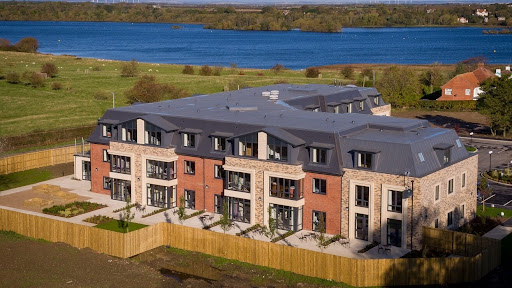
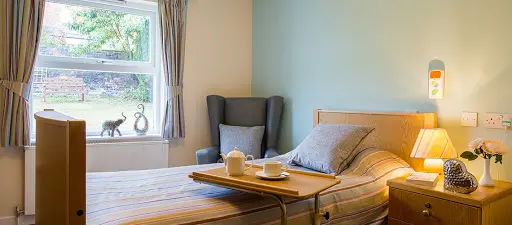
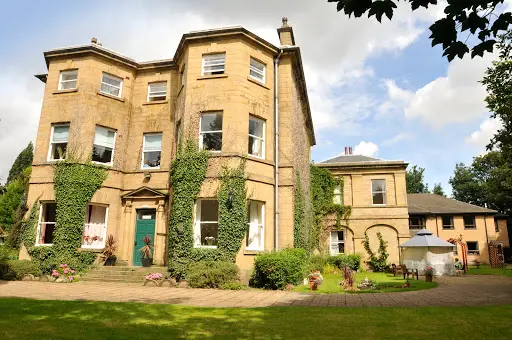
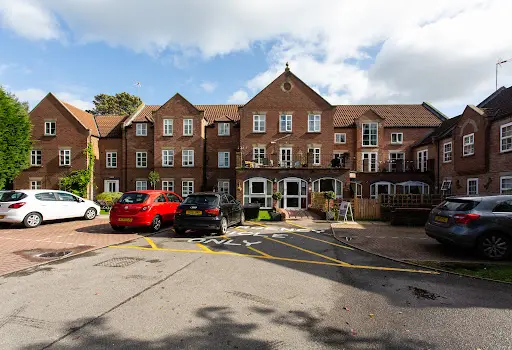
The Park Residential Care Home
At a Glance
The information you need to decide whether this home warrants a closer look.
Residential homes
Staff warmth score
of reviewers answered yes
Good to know
- Registered beds35
- SpecialismsCaring for adults over 65 yrs, Caring for adults under 65 yrs, Dementia, Mental health conditions
- Last inspected2020-05-06
Save The Park Residential Care Home to your shortlist
Keep a running list, add visit notes, and compare homes side-by-side. Free account — it takes a minute.
STAGE 4 — RESEARCHING CARE HOMES
Visit homes. Compare them side by side. Choose with confidence.
Most of us will view care homes the way we view houses, impression, atmosphere, the feeling in the corridor. We go home, try to remember what we saw, and make a permanent decision from a blurred memory.

The DCC shortlist gives every home you visit a structured record: the same twelve questions, answered the same way, every time. When you’re ready to choose, pull any two homes side by side and compare them directly. Same criteria, same evidence, your notes and your scores.
The Evidence
What the review data, the inspection reports, and the dementia-care evidence base tell us about this home.
What families say
Reviewers often mention how staff take time with residents, answering questions patiently and providing emotional support through difficult days. Several families have watched their relatives settle and flourish, with noticeable improvements in stability and contentment over time.
The eight family priority themes
- Staff warmth72
- Compassion & dignity72
- Cleanliness65
- Activities & engagement68
- Food quality60
- Healthcare82
- Management & leadership88
- Resident happiness72
What inspectors found
Inspected 2020-05-06
Is this home safe?
Is the care effective?
The Effective domain was rated Outstanding at the March 2020 inspection, the highest possible rating. This covers training, care planning, healthcare access, nutrition, and how well staff understand and meet individual needs. Achieving Outstanding in this domain requires inspectors to find specific, demonstrable evidence of best practice rather than simply adequate compliance. The home lists dementia as a specialism, and the Outstanding rating implies that dementia-specific training and care planning were assessed positively. The published summary does not include specific examples of care plan content, training programmes, or healthcare arrangements.Is this home caring?
The Caring domain was rated Good at the March 2020 inspection, covering staff warmth, dignity, respect, and support for independence. A Good rating means inspectors were satisfied with what they observed, but did not find the level of specific, outstanding practice required for the highest rating. The published summary contains no direct quotes from residents or relatives and no specific observations about how staff interact with people day to day. The home's dementia and mental health specialisms mean that the quality of moment-to-moment staff interaction matters enormously for people who may not be able to articulate their own experience.Is the home responsive?
The Responsive domain was rated Good at the March 2020 inspection, covering activities, engagement, individuality, and how well the home responds to changing needs. A Good rating indicates inspectors found satisfactory evidence of personalised responses and a range of activities. The home supports residents with dementia and mental health conditions, making meaningful daily engagement especially important. No specific activities are described in the published summary, and there is no mention of whether one-to-one engagement is available for residents who cannot participate in group activities.Is the home well-led?
The Well-led domain was rated Outstanding at the March 2020 inspection, the highest possible rating and the area of greatest strength for this home. The home has two registered managers (Mrs Zoe Gay Hara and Mrs Yvonne Hird) and a nominated individual (Mr John Paul Weldrick), indicating a clear and stable leadership structure. Outstanding Well-led ratings require inspectors to find strong evidence of a positive culture, effective governance, learning from incidents, and staff who feel empowered to speak up. The published summary does not include specific examples of what made leadership Outstanding, but the rating itself is a meaningful signal.
Source: CQC inspection report →
What the evidence base says
The home welcomes younger adults alongside older residents, with particular experience supporting people with dementia and mental health conditions. Staff show patience and understanding with residents experiencing dementia, helping them navigate daily challenges. The team focuses on maintaining stability and supporting gradual improvements where possible. All areas worth probing directly during a visit.
The DCC Verdict
Our editorial view, built from the three lenses: what families tell us, what inspectors record, and how the home sits against good dementia-care practice.
DCC Family Score
The Park scored strongly on management and healthcare, reflecting its Outstanding ratings in those areas, but several family-facing themes such as food, cleanliness, and activities lack specific inspector detail in the published report, pulling the overall score below what a fully evidenced Outstanding home would achieve.
Homes in Yorkshire & Humberside typically score 68–82.The three-lens summary
What families tell us
Reviewers often mention how staff take time with residents, answering questions patiently and providing emotional support through difficult days. Several families have watched their relatives settle and flourish, with noticeable improvements in stability and contentment over time.
What inspectors have recorded
Communication experiences differ between families. While some praise the attentive approach to resident care, others have raised concerns about staffing levels affecting activities and outings. It's worth asking about current staffing arrangements and how the home ensures consistent care delivery.
How it sits against good practice
Every care journey looks different, and asking the right questions during your visit will help you understand if this is the right fit for your family.
Worth a visit
The Park Residential Care Home, on Cliff Road in Hornsea, was rated Outstanding at its inspection in March 2020, improving from a previous Good rating. Inspectors awarded Outstanding to both the Effective and Well-led domains, meaning they found evidence of exemplary practice in areas such as training, care planning, healthcare access, and management. The Safe, Caring, and Responsive domains were all rated Good, indicating solid and satisfactory performance across safety, staff warmth, activities, and responsiveness to individuals. The main uncertainty here is that the published inspection summary contains very little specific detail: no direct quotes from residents or relatives, no observed examples of staff interactions, and no description of the food, environment, or daily activities. The Outstanding rating is a genuine strength and should give you confidence, but the inspection is now over four years old (March 2020), so conditions may have changed. When you visit, ask to see last week's actual staffing rota (not the template), find out how many staff are on duty overnight, and ask the manager how care plans are reviewed and whether families are invited to contribute.
The three questions to ask when you visitSave this home. Compare it against your shortlist.
Let our analysis show you how The Park Residential Care Home measures up against the other homes you’re considering. Free account.
In Their Own Words
How The Park Residential Care Home describes itself — collected from its own website. DCC has not edited or independently verified the content in this tab.
Where patience meets progress in East Yorkshire care
Compassionate Care in Hornsea at The Park Residential Care Home
Finding the right balance between professional care and genuine warmth can transform a difficult transition. The Park Residential Care Home in Hornsea supports adults of all ages, including those living with dementia and mental health conditions. Families describe seeing real improvements in their loved ones' wellbeing here, though experiences vary.
Who they care for
The home welcomes younger adults alongside older residents, with particular experience supporting people with dementia and mental health conditions.
Staff show patience and understanding with residents experiencing dementia, helping them navigate daily challenges. The team focuses on maintaining stability and supporting gradual improvements where possible.
“Every care journey looks different, and asking the right questions during your visit will help you understand if this is the right fit for your family.”
DCC does not edit or curate content in this tab. For independently curated information, see The Evidence and DCC Verdict.
The DCC Verdict
Our editorial view, built from the three lenses: what families tell us, what inspectors record, and how the home sits against good dementia-care practice.
DCC Family Score
The Park scored strongly on management and healthcare, reflecting its Outstanding ratings in those areas, but several family-facing themes such as food, cleanliness, and activities lack specific inspector detail in the published report, pulling the overall score below what a fully evidenced Outstanding home would achieve.
Homes in Yorkshire & Humberside typically score 68–82.The three-lens summary
What families tell us
Reviewers often mention how staff take time with residents, answering questions patiently and providing emotional support through difficult days. Several families have watched their relatives settle and flourish, with noticeable improvements in stability and contentment over time.
What inspectors have recorded
Communication experiences differ between families. While some praise the attentive approach to resident care, others have raised concerns about staffing levels affecting activities and outings. It's worth asking about current staffing arrangements and how the home ensures consistent care delivery.
How it sits against good practice
Every care journey looks different, and asking the right questions during your visit will help you understand if this is the right fit for your family.
Worth a visit
The Park Residential Care Home, on Cliff Road in Hornsea, was rated Outstanding at its inspection in March 2020, improving from a previous Good rating. Inspectors awarded Outstanding to both the Effective and Well-led domains, meaning they found evidence of exemplary practice in areas such as training, care planning, healthcare access, and management. The Safe, Caring, and Responsive domains were all rated Good, indicating solid and satisfactory performance across safety, staff warmth, activities, and responsiveness to individuals. The main uncertainty here is that the published inspection summary contains very little specific detail: no direct quotes from residents or relatives, no observed examples of staff interactions, and no description of the food, environment, or daily activities. The Outstanding rating is a genuine strength and should give you confidence, but the inspection is now over four years old (March 2020), so conditions may have changed. When you visit, ask to see last week's actual staffing rota (not the template), find out how many staff are on duty overnight, and ask the manager how care plans are reviewed and whether families are invited to contribute.
The three questions to ask when you visitSave this home. Compare it against your shortlist.
Let our analysis show you how The Park Residential Care Home measures up against the other homes you’re considering. Free account.
In Their Own Words
How The Park Residential Care Home describes itself — collected from its own website. DCC has not edited or independently verified the content in this tab.
Where patience meets progress in East Yorkshire care
Compassionate Care in Hornsea at The Park Residential Care Home
Finding the right balance between professional care and genuine warmth can transform a difficult transition. The Park Residential Care Home in Hornsea supports adults of all ages, including those living with dementia and mental health conditions. Families describe seeing real improvements in their loved ones' wellbeing here, though experiences vary.
Who they care for
The home welcomes younger adults alongside older residents, with particular experience supporting people with dementia and mental health conditions.
Staff show patience and understanding with residents experiencing dementia, helping them navigate daily challenges. The team focuses on maintaining stability and supporting gradual improvements where possible.
Management & ethos
Communication experiences differ between families. While some praise the attentive approach to resident care, others have raised concerns about staffing levels affecting activities and outings. It's worth asking about current staffing arrangements and how the home ensures consistent care delivery.
The home & environment
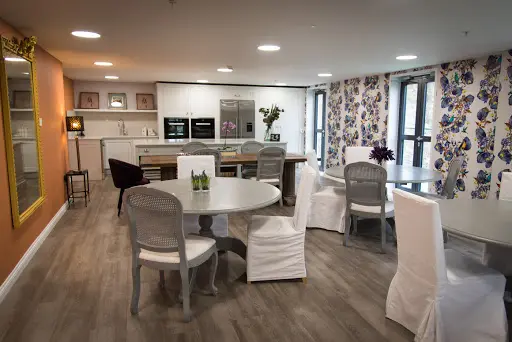
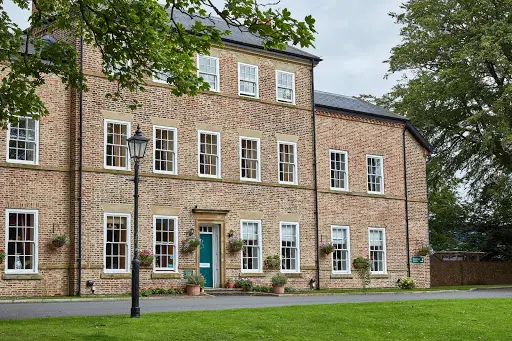
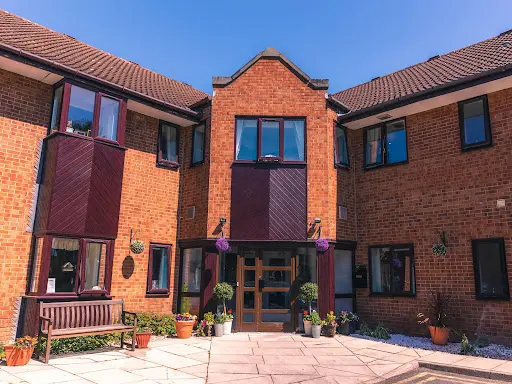
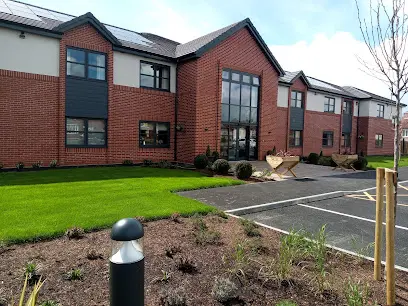
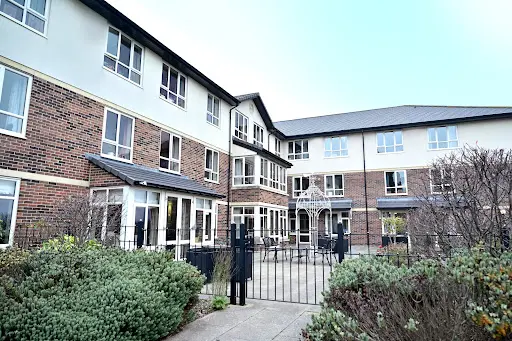
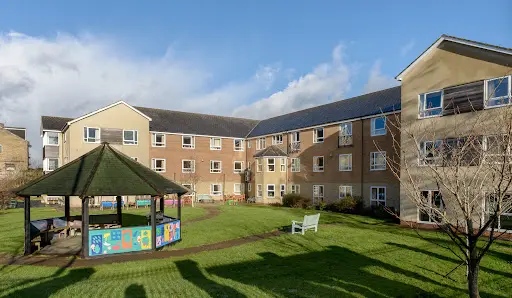
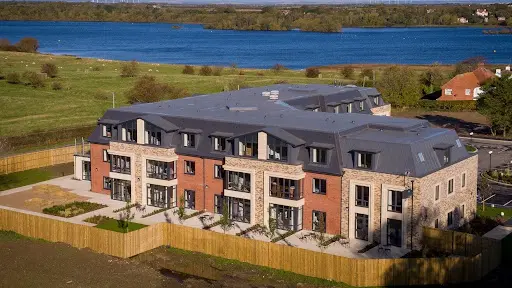
The building itself draws positive comments from visitors, who find the environment pleasant and well-maintained. The physical space seems to contribute to residents' comfort.
“Every care journey looks different, and asking the right questions during your visit will help you understand if this is the right fit for your family.”
DCC does not edit or curate content in this tab. For independently curated information, see The Evidence and DCC Verdict.