Meadowgate Intermediate Care Centre

At a Glance
The information you need to decide whether this home warrants a closer look.
Residential homes, Rehabilitation (illness/injury)
Staff warmth score
of reviewers answered yes
Good to know
- Registered beds40
- SpecialismsCaring for adults over 65 yrs, Caring for adults under 65 yrs, Dementia, Physical disabilities, Sensory impairment
- Last inspected2021-06-02
Save Meadowgate Intermediate Care Centre to your shortlist
Keep a running list, add visit notes, and compare homes side-by-side. Free account — it takes a minute.
STAGE 4 — RESEARCHING CARE HOMES
Visit homes. Compare them side by side. Choose with confidence.
Most of us will view care homes the way we view houses, impression, atmosphere, the feeling in the corridor. We go home, try to remember what we saw, and make a permanent decision from a blurred memory.

The DCC shortlist gives every home you visit a structured record: the same twelve questions, answered the same way, every time. When you’re ready to choose, pull any two homes side by side and compare them directly. Same criteria, same evidence, your notes and your scores.
The Evidence
What the review data, the inspection reports, and the dementia-care evidence base tell us about this home.
What families say
People describe feeling genuinely cared for during their stays here. Families talk about seeing real progress in their relatives' recovery and rehabilitation. The atmosphere seems to encourage independence while providing the right level of support when needed.
The eight family priority themes
- Staff warmth70
- Compassion & dignity70
- Cleanliness65
- Activities & engagement65
- Food quality60
- Healthcare80
- Management & leadership72
- Resident happiness68
What inspectors found
Inspected 2021-06-02
Is this home safe?
Is the care effective?
The Effective domain was rated Outstanding — the highest possible rating — at the May 2021 inspection. This is a significant finding. Outstanding in Effective typically requires inspectors to find strong, specific evidence of individualised care planning, good health outcomes, regular GP and specialist access, meaningful dementia training, and food and hydration that genuinely meets residents' needs. The home lists dementia as a core specialism. The published summary does not reproduce the specific evidence underpinning this rating, but the rating itself is credible and meaningful.Is this home caring?
The Caring domain was rated Good at the May 2021 inspection. This means inspectors were satisfied that staff treated residents with dignity and respect, and that people's independence was promoted where possible. The published summary does not include specific observations of staff interactions, resident quotes about how they felt treated, or examples of privacy being maintained. A Good rating in Caring is positive, but without the detail, it is difficult to know what inspectors specifically observed.Is the home responsive?
The Responsive domain was rated Good at the May 2021 inspection. This indicates inspectors were satisfied that the home was meeting individual needs, offering meaningful activities, and had processes in place for responding to complaints and end-of-life care. The home supports people with dementia, physical disabilities and sensory impairment — a complex mix of needs that requires genuinely responsive, tailored care. No specific activity examples, complaint outcomes, or individual stories are available in the published summary.Is the home well-led?
The Well-led domain was rated Good at the May 2021 inspection. Two registered managers are named — Jodie Ann Dunn and Lisa Jane Mussett — alongside a nominated individual, suggesting a structured leadership and accountability arrangement. The home is run by Redcar & Cleveland Borough Council. A monitoring review in July 2023 found no reason to change the rating. No specific examples of leadership culture, staff feedback mechanisms, or governance processes are described in the published summary.
Source: CQC inspection report →
What the evidence base says
The home cares for adults both under and over 65, including those with physical disabilities and sensory impairments. They provide respite care and rehabilitation support. For those living with dementia, the team understands how to provide specialist support during respite stays. They work with families to maintain routines and ensure continuity of care. All areas worth probing directly during a visit.
The DCC Verdict
Our editorial view, built from the three lenses: what families tell us, what inspectors record, and how the home sits against good dementia-care practice.
DCC Family Score
The Meadowgate Centre scores well on healthcare and management, reflecting its Outstanding rating for Effective care, but the limited inspection detail available means many areas cannot be fully assessed from the published report alone.
Homes in North East typically score 68–82.The three-lens summary
What families tell us
People describe feeling genuinely cared for during their stays here. Families talk about seeing real progress in their relatives' recovery and rehabilitation. The atmosphere seems to encourage independence while providing the right level of support when needed.
What inspectors have recorded
The management team works closely with families to create care plans that actually make a difference. They're described as approachable and collaborative, taking time to understand what each person needs to recover or enjoy their respite stay.
How it sits against good practice
It's worth visiting to see if their approach to short-term care could work for your situation.
Worth a visit
The Meadowgate Centre, run by Redcar & Cleveland Borough Council in Middlesbrough, was inspected in May 2021 and rated Good overall — with one standout area. Its Effective domain was rated Outstanding, meaning inspectors found strong evidence that the home knows what it is doing when it comes to care planning, healthcare access, and outcomes for residents. The remaining four domains — Safe, Caring, Responsive and Well-led — were all rated Good. A monitoring review in July 2023 found no reason to change those ratings, so they remain current as of that date. The home cares for adults living with dementia, physical disabilities and sensory impairment, across 40 beds. The honest limitation here is that the published inspection summary provides very little specific detail — no direct quotes from residents or families, no named examples of care in action, and no specifics on staffing ratios, food, activities or the environment. The Outstanding Effective rating is genuinely significant and worth exploring further, but you cannot rely on that headline alone to answer the questions that matter most for your parent's daily life. On your visit, ask to see a care plan from start to review, ask what dementia training staff have completed and who delivered it, and spend time in the communal areas at a mealtime to see how staff interact with residents when they think no one official is watching.
The three questions to ask when you visitSave this home. Compare it against your shortlist.
Let our analysis show you how Meadowgate Intermediate Care Centre measures up against the other homes you’re considering. Free account.
In Their Own Words
How Meadowgate Intermediate Care Centre describes itself — collected from its own website. DCC has not edited or independently verified the content in this tab.
Where recovery happens with real care and attention
Residential home,rehabilitation (illness/injury) in Middlesborough: True Peace of Mind
Families choosing The Meadowgate Centre in Middlesborough often need specialist support during challenging times. Whether someone's recovering from hospital or their carer needs a break, this home focuses on helping people get back to their best. They work with adults of all ages, including those living with dementia, physical disabilities, and sensory impairments.
Who they care for
The home cares for adults both under and over 65, including those with physical disabilities and sensory impairments. They provide respite care and rehabilitation support.
For those living with dementia, the team understands how to provide specialist support during respite stays. They work with families to maintain routines and ensure continuity of care.
“It's worth visiting to see if their approach to short-term care could work for your situation.”
DCC does not edit or curate content in this tab. For independently curated information, see The Evidence and DCC Verdict.
The DCC Verdict
Our editorial view, built from the three lenses: what families tell us, what inspectors record, and how the home sits against good dementia-care practice.
DCC Family Score
The Meadowgate Centre scores well on healthcare and management, reflecting its Outstanding rating for Effective care, but the limited inspection detail available means many areas cannot be fully assessed from the published report alone.
Homes in North East typically score 68–82.The three-lens summary
What families tell us
People describe feeling genuinely cared for during their stays here. Families talk about seeing real progress in their relatives' recovery and rehabilitation. The atmosphere seems to encourage independence while providing the right level of support when needed.
What inspectors have recorded
The management team works closely with families to create care plans that actually make a difference. They're described as approachable and collaborative, taking time to understand what each person needs to recover or enjoy their respite stay.
How it sits against good practice
It's worth visiting to see if their approach to short-term care could work for your situation.
Worth a visit
The Meadowgate Centre, run by Redcar & Cleveland Borough Council in Middlesbrough, was inspected in May 2021 and rated Good overall — with one standout area. Its Effective domain was rated Outstanding, meaning inspectors found strong evidence that the home knows what it is doing when it comes to care planning, healthcare access, and outcomes for residents. The remaining four domains — Safe, Caring, Responsive and Well-led — were all rated Good. A monitoring review in July 2023 found no reason to change those ratings, so they remain current as of that date. The home cares for adults living with dementia, physical disabilities and sensory impairment, across 40 beds. The honest limitation here is that the published inspection summary provides very little specific detail — no direct quotes from residents or families, no named examples of care in action, and no specifics on staffing ratios, food, activities or the environment. The Outstanding Effective rating is genuinely significant and worth exploring further, but you cannot rely on that headline alone to answer the questions that matter most for your parent's daily life. On your visit, ask to see a care plan from start to review, ask what dementia training staff have completed and who delivered it, and spend time in the communal areas at a mealtime to see how staff interact with residents when they think no one official is watching.
The three questions to ask when you visitSave this home. Compare it against your shortlist.
Let our analysis show you how Meadowgate Intermediate Care Centre measures up against the other homes you’re considering. Free account.
In Their Own Words
How Meadowgate Intermediate Care Centre describes itself — collected from its own website. DCC has not edited or independently verified the content in this tab.
Where recovery happens with real care and attention
Residential home,rehabilitation (illness/injury) in Middlesborough: True Peace of Mind
Families choosing The Meadowgate Centre in Middlesborough often need specialist support during challenging times. Whether someone's recovering from hospital or their carer needs a break, this home focuses on helping people get back to their best. They work with adults of all ages, including those living with dementia, physical disabilities, and sensory impairments.
Who they care for
The home cares for adults both under and over 65, including those with physical disabilities and sensory impairments. They provide respite care and rehabilitation support.
For those living with dementia, the team understands how to provide specialist support during respite stays. They work with families to maintain routines and ensure continuity of care.
Management & ethos
The management team works closely with families to create care plans that actually make a difference. They're described as approachable and collaborative, taking time to understand what each person needs to recover or enjoy their respite stay.
The home & environment
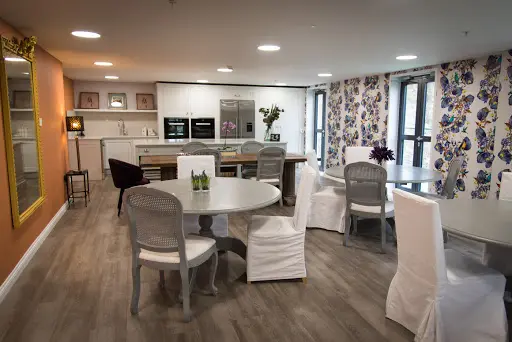
The kitchen team prepares home-made meals and works around specific dietary needs without fuss. Visitors consistently mention the cleanliness throughout the home and how well-presented the rooms are. There's mention of social activities like Fish Friday, which sounds like it brings people together.
“It's worth visiting to see if their approach to short-term care could work for your situation.”
DCC does not edit or curate content in this tab. For independently curated information, see The Evidence and DCC Verdict.