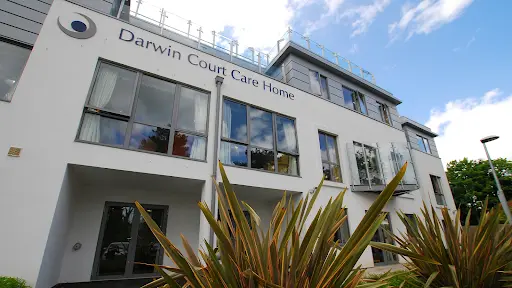
The Hermitage Residential Home

At a Glance
The information you need to decide whether this home warrants a closer look.
Residential homes
Staff warmth score
of reviewers answered yes
Good to know
- Registered beds30
- SpecialismsCaring for adults over 65 yrs, Dementia, Mental health conditions
- Last inspected2023-03-01
Save The Hermitage Residential Home to your shortlist
Keep a running list, add visit notes, and compare homes side-by-side. Free account — it takes a minute.
STAGE 4 — RESEARCHING CARE HOMES
Visit homes. Compare them side by side. Choose with confidence.
Most of us will view care homes the way we view houses, impression, atmosphere, the feeling in the corridor. We go home, try to remember what we saw, and make a permanent decision from a blurred memory.

The DCC shortlist gives every home you visit a structured record: the same twelve questions, answered the same way, every time. When you’re ready to choose, pull any two homes side by side and compare them directly. Same criteria, same evidence, your notes and your scores.
The Evidence
What the review data, the inspection reports, and the dementia-care evidence base tell us about this home.
What families say
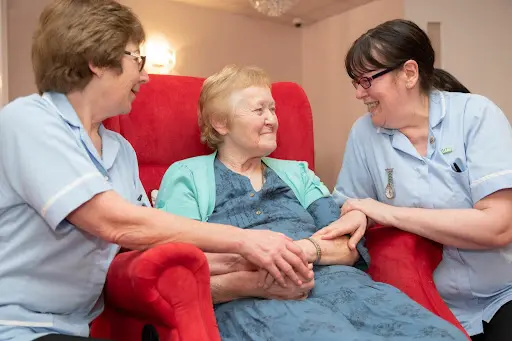
Families mention that staff here are willing to help and stay proactive about resident needs. The care team seems to understand that small things matter — responding promptly when someone needs assistance or just wants a chat.
The eight family priority themes
- Staff warmth72
- Compassion & dignity70
- Cleanliness65
- Activities & engagement42
- Food quality55
- Healthcare65
- Management & leadership70
- Resident happiness62
What inspectors found
Inspected 2023-03-01
Is this home safe?
Is the care effective?
The Effective domain was rated Good, indicating inspectors were satisfied that staff had the skills and knowledge to meet residents' needs, that care planning was in place, and that residents' health was being monitored appropriately. The home specialises in dementia and mental health conditions, which requires specific training. Food and nutrition also fall within this domain, and the Good rating suggests basic standards were met. Specific detail about training content, care plan review cycles, or GP access frequency is not available in the published summary.Is this home caring?
The Caring domain was rated Good, which is the domain families typically weight most heavily. Inspectors would have observed interactions between staff and residents and assessed whether dignity, respect, and independence were being upheld during the January 2023 visit. The published summary does not include direct quotes from residents or family members, which limits the specificity of what can be said. The home's specialisms in dementia and mental health mean caring practices need to go beyond verbal communication.Is the home responsive?
The Responsive domain was rated Requires Improvement — the only domain that did not reach Good. This is the area covering how well the home tailors its care to individuals, including activities, engagement, and responsiveness to personal preferences. This is a significant concern for a home that specialises in dementia care, where meaningful occupation and stimulation are not optional extras but a core part of managing wellbeing. The published inspection summary does not detail what specific shortfalls were identified, which makes it difficult to assess how serious the gaps are or what has been done to address them since the inspection.Is the home well-led?
The Well-led domain was rated Good, with a named registered manager (Ms Priya Lisa Hathi) and a nominated individual in place. The home is operated by Sonic Platinum Ltd. Given the home's trajectory from Inadequate to Good, the current management team has overseen a meaningful improvement in practice. A Good Well-led rating indicates inspectors were satisfied that governance systems, staff oversight, and accountability processes were functioning. The published summary does not detail the manager's tenure, staff retention rates, or specific examples of how the home learns from incidents.
Source: CQC inspection report →
What the evidence base says
The home cares for people over 65 with dementia and mental health conditions. Their team works with residents who need support with daily living while managing these complex conditions. While The Hermitage specialises in dementia care, specific details about their approach aren't widely shared. They support residents living with dementia alongside their general care for older adults. All areas worth probing directly during a visit.
The DCC Verdict
Our editorial view, built from the three lenses: what families tell us, what inspectors record, and how the home sits against good dementia-care practice.
DCC Family Score
The Hermitage Care Home scores solidly in areas families care most about — staff kindness and dignity — but the Requires Improvement in Responsive drags the overall score down, particularly around activities and engagement where specific evidence is thin.
Homes in West Midlands typically score 68–82.The three-lens summary
What families tell us
Families mention that staff here are willing to help and stay proactive about resident needs. The care team seems to understand that small things matter — responding promptly when someone needs assistance or just wants a chat.
What inspectors have recorded
How it sits against good practice
If you're considering care options in Uttoxeter, visiting The Hermitage could help you understand how their team might support your family member.
Worth a visit
The Hermitage Care Home, on Holly Road in Uttoxeter, was inspected in January 2023 and rated Good overall — a significant improvement from a previous Inadequate rating. The home, which has 30 beds and specialises in dementia, mental health conditions, and care for older adults, performed well across Safety, Effectiveness, Caring, and Well-led. This trajectory of improvement is meaningful: homes that move from Inadequate to Good have typically made real operational changes, and that effort matters for your parent. The one area that did not reach Good was Responsive — the domain that covers whether your parent will have a life here: activities, individuality, engagement, and how well the home adapts to each person's preferences. This is a gap that deserves direct scrutiny on any visit. Ask to see the activity schedule, ask what happens on quiet days, and find out how staff engage residents who cannot join group activities — particularly important given the dementia specialism. The inspection report summary available does not include direct quotes from residents or families, so you will need to seek those out yourself on a visit or through recent family reviews.
The three questions to ask when you visitSave this home. Compare it against your shortlist.
Let our analysis show you how The Hermitage Residential Home measures up against the other homes you’re considering. Free account.
In Their Own Words
How The Hermitage Residential Home describes itself — collected from its own website. DCC has not edited or independently verified the content in this tab.
Responsive staff focus on keeping residents comfortable in Uttoxeter
The Hermitage Care Home – Your Trusted residential home
When you're looking for care in Uttoxeter, finding a team that responds quickly to your loved one's needs matters. The Hermitage Care Home supports older adults with dementia and mental health conditions, with staff who stay alert to what residents need throughout the day. Located in the West Midlands, this home focuses on creating a clean, well-maintained environment where people feel looked after.
Who they care for
The home cares for people over 65 with dementia and mental health conditions. Their team works with residents who need support with daily living while managing these complex conditions.
While The Hermitage specialises in dementia care, specific details about their approach aren't widely shared. They support residents living with dementia alongside their general care for older adults.
“If you're considering care options in Uttoxeter, visiting The Hermitage could help you understand how their team might support your family member.”
DCC does not edit or curate content in this tab. For independently curated information, see The Evidence and DCC Verdict.
The DCC Verdict
Our editorial view, built from the three lenses: what families tell us, what inspectors record, and how the home sits against good dementia-care practice.
DCC Family Score
The Hermitage Care Home scores solidly in areas families care most about — staff kindness and dignity — but the Requires Improvement in Responsive drags the overall score down, particularly around activities and engagement where specific evidence is thin.
Homes in West Midlands typically score 68–82.The three-lens summary
What families tell us
Families mention that staff here are willing to help and stay proactive about resident needs. The care team seems to understand that small things matter — responding promptly when someone needs assistance or just wants a chat.
What inspectors have recorded
How it sits against good practice
If you're considering care options in Uttoxeter, visiting The Hermitage could help you understand how their team might support your family member.
Worth a visit
The Hermitage Care Home, on Holly Road in Uttoxeter, was inspected in January 2023 and rated Good overall — a significant improvement from a previous Inadequate rating. The home, which has 30 beds and specialises in dementia, mental health conditions, and care for older adults, performed well across Safety, Effectiveness, Caring, and Well-led. This trajectory of improvement is meaningful: homes that move from Inadequate to Good have typically made real operational changes, and that effort matters for your parent. The one area that did not reach Good was Responsive — the domain that covers whether your parent will have a life here: activities, individuality, engagement, and how well the home adapts to each person's preferences. This is a gap that deserves direct scrutiny on any visit. Ask to see the activity schedule, ask what happens on quiet days, and find out how staff engage residents who cannot join group activities — particularly important given the dementia specialism. The inspection report summary available does not include direct quotes from residents or families, so you will need to seek those out yourself on a visit or through recent family reviews.
The three questions to ask when you visitSave this home. Compare it against your shortlist.
Let our analysis show you how The Hermitage Residential Home measures up against the other homes you’re considering. Free account.
In Their Own Words
How The Hermitage Residential Home describes itself — collected from its own website. DCC has not edited or independently verified the content in this tab.
Responsive staff focus on keeping residents comfortable in Uttoxeter
The Hermitage Care Home – Your Trusted residential home
When you're looking for care in Uttoxeter, finding a team that responds quickly to your loved one's needs matters. The Hermitage Care Home supports older adults with dementia and mental health conditions, with staff who stay alert to what residents need throughout the day. Located in the West Midlands, this home focuses on creating a clean, well-maintained environment where people feel looked after.
Who they care for
The home cares for people over 65 with dementia and mental health conditions. Their team works with residents who need support with daily living while managing these complex conditions.
While The Hermitage specialises in dementia care, specific details about their approach aren't widely shared. They support residents living with dementia alongside their general care for older adults.
The home & environment
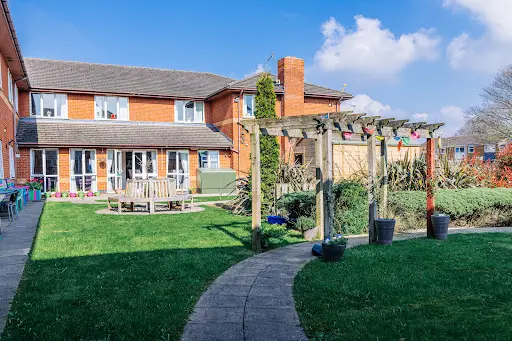
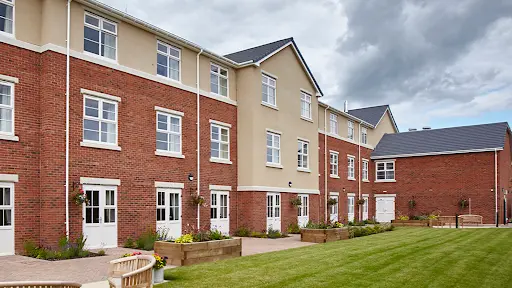
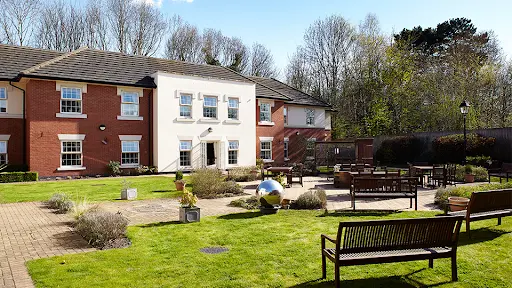
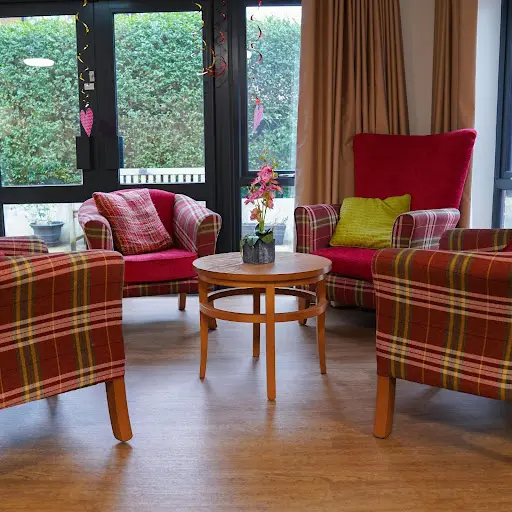
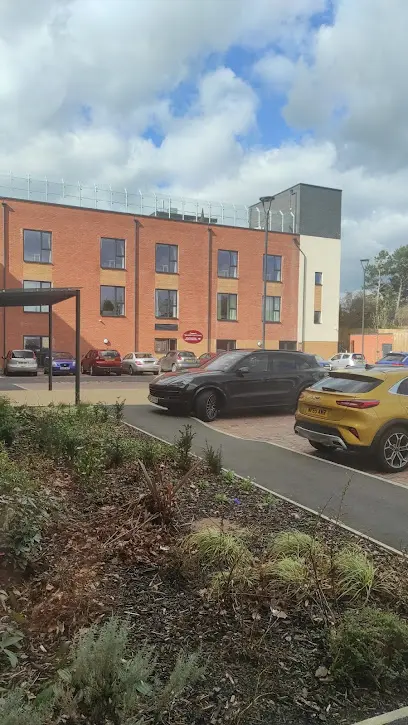
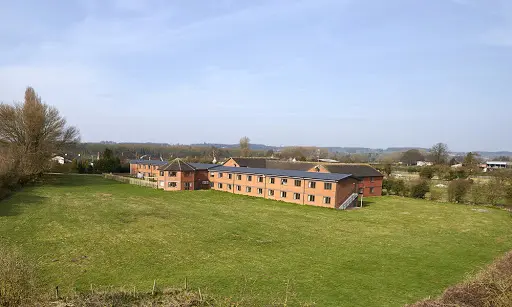
The home maintains clean, well-kept spaces throughout the building. While we don't have specific details about outdoor areas or activity spaces, the overall environment appears tidy and cared for.
“If you're considering care options in Uttoxeter, visiting The Hermitage could help you understand how their team might support your family member.”
DCC does not edit or curate content in this tab. For independently curated information, see The Evidence and DCC Verdict.