The Firs Care Centre
At a Glance
The information you need to decide whether this home warrants a closer look.
Nursing homes
Staff warmth score
of reviewers answered yes
Good to know
- Registered beds40
- SpecialismsCaring for adults over 65 yrs, Caring for adults under 65 yrs, Dementia, Physical disabilities, Sensory impairment
- Last inspected2022-06-16
Save The Firs Care Centre to your shortlist
Keep a running list, add visit notes, and compare homes side-by-side. Free account — it takes a minute.
STAGE 4 — RESEARCHING CARE HOMES
Visit homes. Compare them side by side. Choose with confidence.
Most of us will view care homes the way we view houses, impression, atmosphere, the feeling in the corridor. We go home, try to remember what we saw, and make a permanent decision from a blurred memory.

The DCC shortlist gives every home you visit a structured record: the same twelve questions, answered the same way, every time. When you’re ready to choose, pull any two homes side by side and compare them directly. Same criteria, same evidence, your notes and your scores.
The Evidence
What the review data, the inspection reports, and the dementia-care evidence base tell us about this home.
What families say
The eight family priority themes
- Staff warmth72
- Compassion & dignity72
- Cleanliness70
- Activities & engagement65
- Food quality65
- Healthcare70
- Management & leadership75
- Resident happiness68
What inspectors found
Inspected 2022-06-16
Is this home safe?
Is the care effective?
The Effective domain was rated Good at the inspection on 1 July 2025. The home lists dementia as a specialism alongside physical disabilities and sensory impairment, which implies staff should have relevant training across a range of needs. The published summary does not describe the content or frequency of staff training, how care plans are written or reviewed, how GP access is arranged, or how food quality and dietary needs are managed. These are all components of an Effective rating that the available text does not illuminate.Is this home caring?
The Caring domain was rated Good at the inspection on 1 July 2025. The published summary does not include direct inspector observations of staff interactions, resident testimony about how they are treated, or descriptions of how privacy and dignity are maintained in practice. The Good rating implies inspectors were satisfied with what they observed, but the available text offers no specifics about preferred names, unhurried care, response to distress, or how individual preferences are honoured.Is the home responsive?
The Responsive domain was rated Good at the inspection on 1 July 2025. The home's registered specialisms include dementia, physical disabilities, and sensory impairment, suggesting it aims to meet a range of individual needs. The published summary does not describe the activities programme, how the home supports people who cannot join group activities, how end-of-life wishes are recorded, or how complaints are handled. These are all components of a Responsive rating that would help families make a more informed comparison.Is the home well-led?
The Well-led domain was rated Good at the inspection on 1 July 2025, representing an improvement from a previous Requires Improvement rating. Two registered managers are named: Mrs Helen Elizabeth Grigg and Mr Mircea Nicolae Ciobanu, who is also the nominated individual. The published summary does not describe how visible the managers are to residents and families, how staff are supported and empowered to raise concerns, or what specific governance structures are in place. The improvement trend is the most substantive public signal available.
Source: CQC inspection report →
What the evidence base says
The Firs provides specialist support for people with sensory impairments and physical disabilities, alongside their dementia care services. They're equipped to care for adults across different age groups, from those under 65 through to older residents. For residents living with dementia, The Firs maintains consistent staffing to help ensure safety and familiarity. Their team works with families to provide appropriate support as needs change. All areas worth probing directly during a visit.
The DCC Verdict
Our editorial view, built from the three lenses: what families tell us, what inspectors record, and how the home sits against good dementia-care practice.
DCC Family Score
The Firs Care Centre scores 73 out of 100, reflecting a home that has made genuine progress from Requires Improvement to Good across all five inspection domains, but where the published report provides limited specific detail, observations, or resident testimony to push confidence higher.
Homes in South West typically score 68–82.Worth a visit
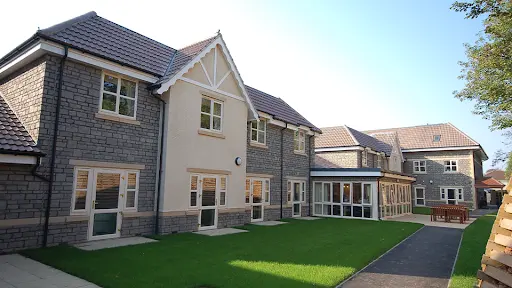
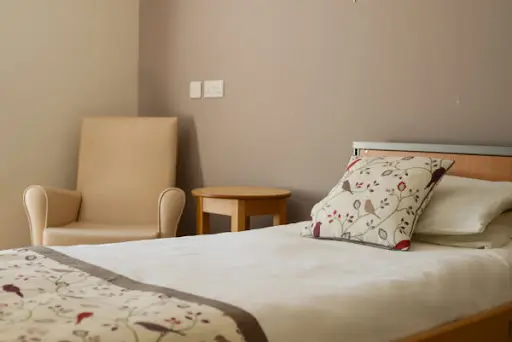
The Firs Care Centre, at 251 Staplegrove Road in Taunton, was rated Good at its most recent inspection on 1 July 2025, with that report published on 8 September 2025. Inspectors rated the home Good in all five domains: Safe, Effective, Caring, Responsive, and Well-led. Crucially, this represents an improvement from a previous Requires Improvement rating, which tells you that the leadership has identified problems and addressed them. The home is a 40-bed nursing home with specialisms in dementia, physical disabilities, and sensory impairment, and it has two registered managers named on the public record. The honest limitation of this report is that the published inspection summary contains very little specific detail: no direct observations of staff interactions, no resident or family quotes, and no concrete descriptions of food, activities, or the physical environment. A Good rating is genuinely meaningful, particularly after a previous Requires Improvement, but it does not answer the questions you most need answered before choosing this home. When you visit, ask to see last week's actual staffing rota (not the template), find out how many staff are on duty overnight for 40 beds, ask what dementia-specific training all staff complete, and watch how staff interact with residents in corridors and at mealtimes. Those observations will tell you more than any rating.
The three questions to ask when you visitSave this home. Compare it against your shortlist.
Let our analysis show you how The Firs Care Centre measures up against the other homes you’re considering. Free account.
In Their Own Words
How The Firs Care Centre describes itself — collected from its own website. DCC has not edited or independently verified the content in this tab.
Specialist care in Taunton with consistent, friendly staff presence
The Firs – Expert Care in Taunton
When you're looking for specialist care that covers a wide range of needs, The Firs Care Centre in Taunton offers support for residents with sensory impairments, physical disabilities, and dementia. This South West care home welcomes both younger adults under 65 and older residents, creating a diverse community. The centre has built its approach around maintaining appropriate staffing levels to keep residents safe and well-supported.
Who they care for
The Firs provides specialist support for people with sensory impairments and physical disabilities, alongside their dementia care services. They're equipped to care for adults across different age groups, from those under 65 through to older residents.
For residents living with dementia, The Firs maintains consistent staffing to help ensure safety and familiarity. Their team works with families to provide appropriate support as needs change.
“You're welcome to visit The Firs to see their specialist facilities and meet the team who could be caring for your loved one.”
DCC does not edit or curate content in this tab. For independently curated information, see The Evidence and DCC Verdict.
The DCC Verdict
Our editorial view, built from the three lenses: what families tell us, what inspectors record, and how the home sits against good dementia-care practice.
DCC Family Score
The Firs Care Centre scores 73 out of 100, reflecting a home that has made genuine progress from Requires Improvement to Good across all five inspection domains, but where the published report provides limited specific detail, observations, or resident testimony to push confidence higher.
Homes in South West typically score 68–82.Worth a visit
The Firs Care Centre, at 251 Staplegrove Road in Taunton, was rated Good at its most recent inspection on 1 July 2025, with that report published on 8 September 2025. Inspectors rated the home Good in all five domains: Safe, Effective, Caring, Responsive, and Well-led. Crucially, this represents an improvement from a previous Requires Improvement rating, which tells you that the leadership has identified problems and addressed them. The home is a 40-bed nursing home with specialisms in dementia, physical disabilities, and sensory impairment, and it has two registered managers named on the public record. The honest limitation of this report is that the published inspection summary contains very little specific detail: no direct observations of staff interactions, no resident or family quotes, and no concrete descriptions of food, activities, or the physical environment. A Good rating is genuinely meaningful, particularly after a previous Requires Improvement, but it does not answer the questions you most need answered before choosing this home. When you visit, ask to see last week's actual staffing rota (not the template), find out how many staff are on duty overnight for 40 beds, ask what dementia-specific training all staff complete, and watch how staff interact with residents in corridors and at mealtimes. Those observations will tell you more than any rating.
The three questions to ask when you visitSave this home. Compare it against your shortlist.
Let our analysis show you how The Firs Care Centre measures up against the other homes you’re considering. Free account.
In Their Own Words
How The Firs Care Centre describes itself — collected from its own website. DCC has not edited or independently verified the content in this tab.
Specialist care in Taunton with consistent, friendly staff presence
The Firs – Expert Care in Taunton
When you're looking for specialist care that covers a wide range of needs, The Firs Care Centre in Taunton offers support for residents with sensory impairments, physical disabilities, and dementia. This South West care home welcomes both younger adults under 65 and older residents, creating a diverse community. The centre has built its approach around maintaining appropriate staffing levels to keep residents safe and well-supported.
Who they care for
The Firs provides specialist support for people with sensory impairments and physical disabilities, alongside their dementia care services. They're equipped to care for adults across different age groups, from those under 65 through to older residents.
For residents living with dementia, The Firs maintains consistent staffing to help ensure safety and familiarity. Their team works with families to provide appropriate support as needs change.
“You're welcome to visit The Firs to see their specialist facilities and meet the team who could be caring for your loved one.”
DCC does not edit or curate content in this tab. For independently curated information, see The Evidence and DCC Verdict.