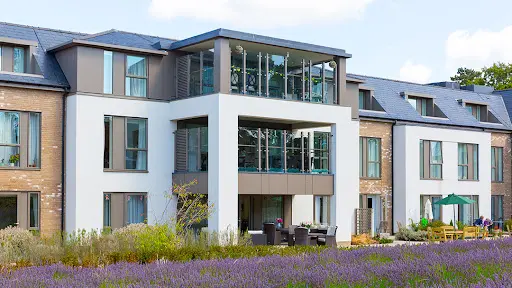
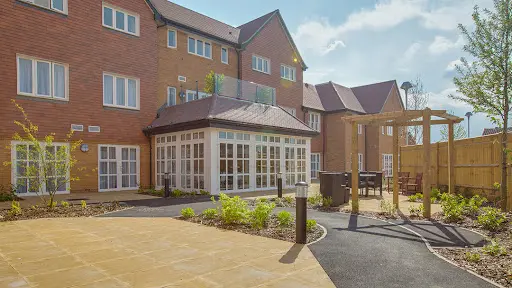
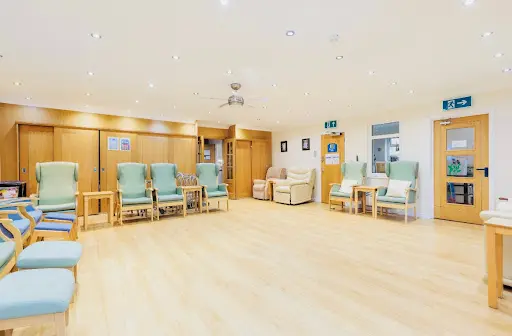
Carshalton Nursing Home
At a Glance
The information you need to decide whether this home warrants a closer look.
Nursing homes
Staff warmth score
of reviewers answered yes
Good to know
- Registered beds33
- SpecialismsCaring for adults over 65 yrs, Caring for adults under 65 yrs, Dementia, Mental health conditions, Physical disabilities
- Last inspected2022-07-22
Save Carshalton Nursing Home to your shortlist
Keep a running list, add visit notes, and compare homes side-by-side. Free account — it takes a minute.
STAGE 4 — RESEARCHING CARE HOMES
Visit homes. Compare them side by side. Choose with confidence.
Most of us will view care homes the way we view houses, impression, atmosphere, the feeling in the corridor. We go home, try to remember what we saw, and make a permanent decision from a blurred memory.

The DCC shortlist gives every home you visit a structured record: the same twelve questions, answered the same way, every time. When you’re ready to choose, pull any two homes side by side and compare them directly. Same criteria, same evidence, your notes and your scores.
The Evidence
What the review data, the inspection reports, and the dementia-care evidence base tell us about this home.
What families say
Families talk about how staff help residents settle in, particularly those with dementia who might struggle with change. The team seems to understand that patience and consistency make all the difference when someone's adjusting to their new surroundings.
The eight family priority themes
- Staff warmth72
- Compassion & dignity72
- Cleanliness70
- Activities & engagement65
- Food quality65
- Healthcare70
- Management & leadership72
- Resident happiness70
What inspectors found
Inspected 2022-07-22
Is this home safe?
Is the care effective?
The Effective domain was rated Good at the July 2025 inspection. The published report does not provide specific detail about care plan quality, how often plans are reviewed, whether families are involved in reviews, or what dementia training staff have completed. The home is registered for a wide range of conditions including dementia, mental health conditions, and physical disabilities, which requires a broad and well-maintained training offer. No detail about GP access, medication reviews, or nutrition monitoring is included in the published findings.Is this home caring?
The Caring domain was rated Good at the July 2025 inspection. The published report contains no specific observational detail about how staff interact with residents, whether residents are addressed by preferred names, how staff respond to distress, or how dignity is maintained during personal care. No resident or relative quotes are recorded in the published findings available for this report. Given that the home supports people with dementia and mental health conditions, the quality of non-verbal communication and unhurried interaction is particularly important.Is the home responsive?
The Responsive domain was rated Good at the July 2025 inspection. The published report does not include specific detail about the activities programme, how activities are tailored to individuals with dementia or physical disabilities, or whether one-to-one engagement is available for residents who cannot join group activities. No information about how the home responds to individual preferences, complaints, or changing needs is provided in the published findings. The home's range of specialisms suggests a diverse resident group with significantly different needs.Is the home well-led?
The Well-led domain was rated Good at the July 2025 inspection, which is the domain most directly linked to the improvement from Inadequate. Mr Robert Kluz is named as Registered Manager and Mr Praveen Modha as Nominated Individual. The published report does not include detail about how long the current manager has been in post, what changes were made to achieve the improvement, or how the management team supports staff to speak up. No information about governance processes, audit cycles, or how the home responds to complaints is provided in the published findings.
Source: CQC inspection report →
What the evidence base says
The home cares for adults over and under 65, including those with dementia, mental health conditions and physical disabilities. The team shows particular skill in supporting residents with dementia through settling-in periods. Staff work with challenging behaviours calmly, maintaining consistent approaches that help build trust. All areas worth probing directly during a visit.
The DCC Verdict
Our editorial view, built from the three lenses: what families tell us, what inspectors record, and how the home sits against good dementia-care practice.
DCC Family Score
Surrey Oaks Nursing Home has moved from Inadequate to a full set of Good ratings across all five domains at its most recent inspection, which is a meaningful improvement. However, the published report contains very limited specific detail, so scores reflect the positive rating trajectory rather than rich, verified observational evidence.
Homes in London typically score 68–82.The three-lens summary
What families tell us
Families talk about how staff help residents settle in, particularly those with dementia who might struggle with change. The team seems to understand that patience and consistency make all the difference when someone's adjusting to their new surroundings.
What inspectors have recorded
What stands out is how the care team maintains their approach over time. Families describe staff who stay calm when dealing with challenging behaviour, using the same patient methods that help residents feel secure.
How it sits against good practice
It's worth visiting to see how the team works and whether their patient approach would suit your loved one.
Worth a visit
Surrey Oaks Nursing Home, at 28 Salisbury Road, Carshalton, was assessed in July 2025 and achieved a Good rating across all five inspection domains: Safe, Effective, Caring, Responsive, and Well-led. This is a genuinely significant change from the previous Inadequate rating, and the direction of travel is encouraging. The home is a 33-bed nursing home registered for dementia, mental health conditions, and physical disabilities, and has a named registered manager in post. The main uncertainty here is that the published inspection report contains very little specific detail about what inspectors actually observed, so it is not possible to verify what day-to-day care looks like for your mum or dad. Before committing to this home, visit at a time that includes a mealtime or a handover, ask to see last week's actual staffing rota (counting permanent and agency names separately on night shifts), and ask how many staff are on duty overnight for the 33 residents. Given the home's recent history, understanding what has changed and how leadership has been strengthened is an important conversation to have with the registered manager directly.
The three questions to ask when you visitSave this home. Compare it against your shortlist.
Let our analysis show you how Carshalton Nursing Home measures up against the other homes you’re considering. Free account.
In Their Own Words
How Carshalton Nursing Home describes itself — collected from its own website. DCC has not edited or independently verified the content in this tab.
Patient dementia care that helps residents settle into their new routine
Nursing home in Carshalton: True Peace of Mind
When someone you love needs specialist dementia care, finding the right approach matters more than fancy facilities. Surrey Oaks Nursing Home in Carshalton focuses on what really counts — helping residents with dementia feel secure through consistent, patient support. While the building itself is older, families describe a care team that understands how to work with challenging behaviours and support people through difficult transitions.
Who they care for
The home cares for adults over and under 65, including those with dementia, mental health conditions and physical disabilities.
The team shows particular skill in supporting residents with dementia through settling-in periods. Staff work with challenging behaviours calmly, maintaining consistent approaches that help build trust.
“It's worth visiting to see how the team works and whether their patient approach would suit your loved one.”
DCC does not edit or curate content in this tab. For independently curated information, see The Evidence and DCC Verdict.
The DCC Verdict
Our editorial view, built from the three lenses: what families tell us, what inspectors record, and how the home sits against good dementia-care practice.
DCC Family Score
Surrey Oaks Nursing Home has moved from Inadequate to a full set of Good ratings across all five domains at its most recent inspection, which is a meaningful improvement. However, the published report contains very limited specific detail, so scores reflect the positive rating trajectory rather than rich, verified observational evidence.
Homes in London typically score 68–82.The three-lens summary
What families tell us
Families talk about how staff help residents settle in, particularly those with dementia who might struggle with change. The team seems to understand that patience and consistency make all the difference when someone's adjusting to their new surroundings.
What inspectors have recorded
What stands out is how the care team maintains their approach over time. Families describe staff who stay calm when dealing with challenging behaviour, using the same patient methods that help residents feel secure.
How it sits against good practice
It's worth visiting to see how the team works and whether their patient approach would suit your loved one.
Worth a visit
Surrey Oaks Nursing Home, at 28 Salisbury Road, Carshalton, was assessed in July 2025 and achieved a Good rating across all five inspection domains: Safe, Effective, Caring, Responsive, and Well-led. This is a genuinely significant change from the previous Inadequate rating, and the direction of travel is encouraging. The home is a 33-bed nursing home registered for dementia, mental health conditions, and physical disabilities, and has a named registered manager in post. The main uncertainty here is that the published inspection report contains very little specific detail about what inspectors actually observed, so it is not possible to verify what day-to-day care looks like for your mum or dad. Before committing to this home, visit at a time that includes a mealtime or a handover, ask to see last week's actual staffing rota (counting permanent and agency names separately on night shifts), and ask how many staff are on duty overnight for the 33 residents. Given the home's recent history, understanding what has changed and how leadership has been strengthened is an important conversation to have with the registered manager directly.
The three questions to ask when you visitSave this home. Compare it against your shortlist.
Let our analysis show you how Carshalton Nursing Home measures up against the other homes you’re considering. Free account.
In Their Own Words
How Carshalton Nursing Home describes itself — collected from its own website. DCC has not edited or independently verified the content in this tab.
Patient dementia care that helps residents settle into their new routine
Nursing home in Carshalton: True Peace of Mind
When someone you love needs specialist dementia care, finding the right approach matters more than fancy facilities. Surrey Oaks Nursing Home in Carshalton focuses on what really counts — helping residents with dementia feel secure through consistent, patient support. While the building itself is older, families describe a care team that understands how to work with challenging behaviours and support people through difficult transitions.
Who they care for
The home cares for adults over and under 65, including those with dementia, mental health conditions and physical disabilities.
The team shows particular skill in supporting residents with dementia through settling-in periods. Staff work with challenging behaviours calmly, maintaining consistent approaches that help build trust.
Management & ethos
What stands out is how the care team maintains their approach over time. Families describe staff who stay calm when dealing with challenging behaviour, using the same patient methods that help residents feel secure.
The home & environment
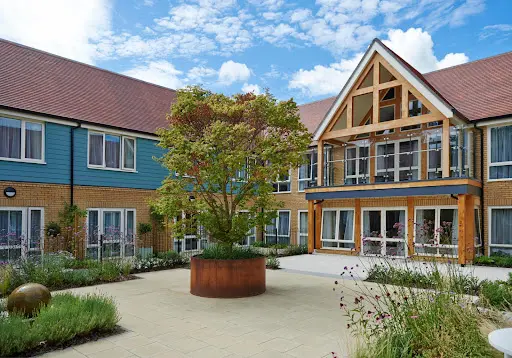
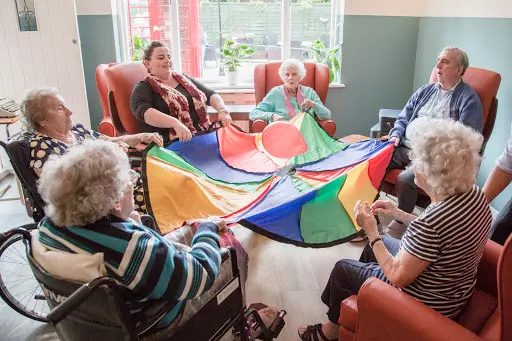
The kitchen prepares all meals on-site, with families mentioning the food tastes good. There's a programme of activities designed to suit residents with different mobility levels, keeping people engaged throughout the day.
“It's worth visiting to see how the team works and whether their patient approach would suit your loved one.”
DCC does not edit or curate content in this tab. For independently curated information, see The Evidence and DCC Verdict.