Lavender Oaks Care Home
At a Glance
The information you need to decide whether this home warrants a closer look.
Nursing homes
Staff warmth score
of reviewers answered yes
Good to know
- Registered beds75
- SpecialismsCaring for adults over 65 yrs, Caring for adults under 65 yrs, Dementia
- Last inspected2021-07-22
Save Lavender Oaks Care Home to your shortlist
Keep a running list, add visit notes, and compare homes side-by-side. Free account — it takes a minute.
STAGE 4 — RESEARCHING CARE HOMES
Visit homes. Compare them side by side. Choose with confidence.
Most of us will view care homes the way we view houses, impression, atmosphere, the feeling in the corridor. We go home, try to remember what we saw, and make a permanent decision from a blurred memory.

The DCC shortlist gives every home you visit a structured record: the same twelve questions, answered the same way, every time. When you’re ready to choose, pull any two homes side by side and compare them directly. Same criteria, same evidence, your notes and your scores.
The Evidence
What the review data, the inspection reports, and the dementia-care evidence base tell us about this home.
What families say
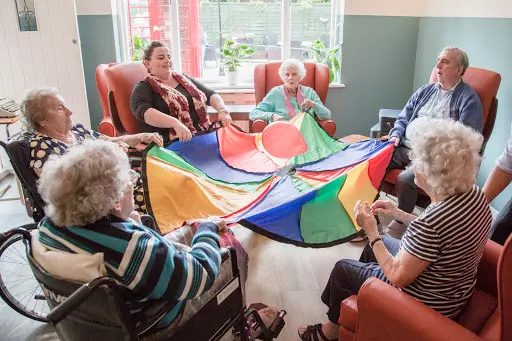
What strikes visitors most is how approachable the staff are throughout the home. Team members take time to chat with residents and families, creating an atmosphere where people feel heard and valued. The activities programme keeps days full and social, with coordinators who spot chances for spontaneous fun alongside the regular schedule.
The eight family priority themes
- Staff warmth72
- Compassion & dignity72
- Cleanliness72
- Activities & engagement65
- Food quality65
- Healthcare72
- Management & leadership74
- Resident happiness70
What inspectors found
Inspected 2021-07-22
Is this home safe?
Is the care effective?
The Effective domain was rated Good at the June 2021 inspection. This domain covers care planning, staff training, healthcare access, and nutritional care. The home holds dementia as a registered specialism, which means inspectors would have considered whether dementia-specific practice meets expected standards. No specific detail about training content, care plan quality, or GP access arrangements is included in the published summary. The improvement from Requires Improvement suggests that earlier gaps in effectiveness have been addressed.Is this home caring?
The Caring domain was rated Good at the June 2021 inspection. This domain covers staff warmth, dignity, respect, privacy, and independence. The home achieved this rating after a previous Requires Improvement, which indicates the inspection team found clear evidence of improvement in how staff interact with the people who live there. The published summary does not include specific observations about how staff address residents, whether doors are knocked before entry, or how staff respond to distress. No resident or family quotes are included in the published report.Is the home responsive?
The Responsive domain was rated Good at the June 2021 inspection. This domain covers activities, individuality, engagement, and end-of-life care. The published report does not describe the activities programme, give examples of how the home tailors engagement to individual residents, or discuss end-of-life planning. The home holds dementia as a specialism, so inspectors would have considered whether people with dementia are supported to engage meaningfully rather than simply being kept safe. No specific detail is available in the published summary.Is the home well-led?
The Well-led domain was rated Good at the June 2021 inspection, completing a full Good profile across all five domains. The registered manager is named as Mr Peter Robert Haysom, and the nominated individual is Mrs Lisa Sharon Soper. The improvement from Requires Improvement to Good across all domains suggests that leadership has been effective in identifying and addressing problems. The published summary does not include detail about how the manager is known to staff and residents, how complaints are handled, or what governance structures are in place.
Source: CQC inspection report →
What the evidence base says
The home cares for adults both over and under 65, including those living with dementia. While the home welcomes residents with dementia, families considering this option should visit to discuss how the home would meet their loved one's specific needs. Some aspects of the dementia provision have worked well for residents, though the home may find it challenging to support those with more complex presentations. All areas worth probing directly during a visit.
The DCC Verdict
Our editorial view, built from the three lenses: what families tell us, what inspectors record, and how the home sits against good dementia-care practice.
DCC Family Score
Lavender Oaks Care Home scores 73 out of 100, reflecting a solid Good rating achieved across all five inspection domains after a previous Requires Improvement rating. The score is held back by limited specific detail in the published report on activities, food, and family communication.
Homes in London typically score 68–82.The three-lens summary
What families tell us
What strikes visitors most is how approachable the staff are throughout the home. Team members take time to chat with residents and families, creating an atmosphere where people feel heard and valued. The activities programme keeps days full and social, with coordinators who spot chances for spontaneous fun alongside the regular schedule.
What inspectors have recorded
Staff show genuine care for residents' wellbeing, with many families noting how team members go beyond just completing tasks. The general manager keeps an open-door approach, making themselves available for informal chats when concerns arise. This personal investment shows particularly in end-of-life care, where staff handle difficult times with real sensitivity.
How it sits against good practice
For many residents, Lavender Oaks has become a place where they've found both comfort and community in their later years.
Worth a visit
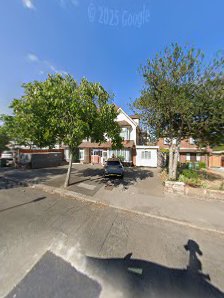
Lavender Oaks Care Home, at 4 Metcalfe Avenue in Carshalton, was rated Good at its most recent inspection in June 2021, with Good ratings across all five domains: safe, effective, caring, responsive, and well-led. This is a meaningful improvement from its previous Requires Improvement rating and suggests the leadership team responded effectively to earlier concerns. The home is registered for 75 beds and holds dementia as a specialism alongside nursing care for adults of all ages. The main limitation of this report is that the published summary is brief and does not include specific observations, resident quotes, or family testimony to illustrate what daily life looks like. A Good rating tells you the inspector was satisfied; it does not tell you what your dad's Tuesday afternoon will feel like. When you visit, focus on what you can observe directly: whether staff greet your parent by name, whether the building smells clean and feels calm, and whether there is someone clearly in charge and visible on the floor. Ask to see the dementia unit specifically, request last week's staffing rota, and find out how many agency staff covered shifts in the past month.
The three questions to ask when you visitSave this home. Compare it against your shortlist.
Let our analysis show you how Lavender Oaks Care Home measures up against the other homes you’re considering. Free account.
In Their Own Words
How Lavender Oaks Care Home describes itself — collected from its own website. DCC has not edited or independently verified the content in this tab.
Spacious Surrey home where residents find comfort and companionship
Compassionate Care in Carshalton at Lavender Oaks Care Home
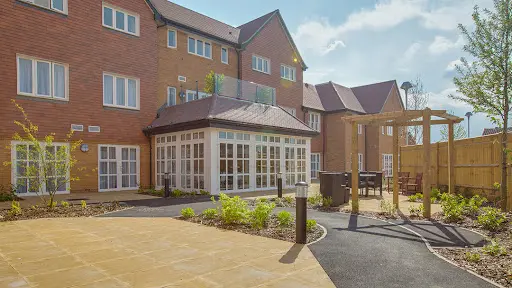
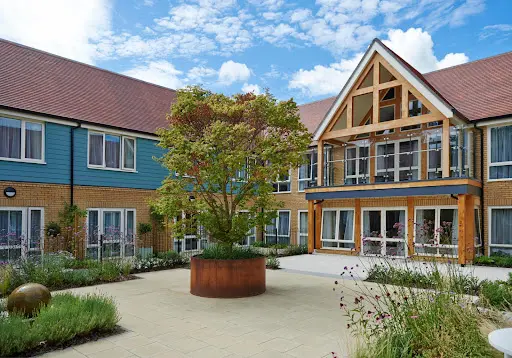
When families visit Lavender Oaks Care Home in Carshalton, they often comment on how content their loved ones seem. This established care home has built its reputation on creating a warm environment where residents feel genuinely comfortable. The spacious building and well-kept grounds give everyone room to breathe, while the friendly atmosphere helps new residents settle in quickly.
Who they care for
The home cares for adults both over and under 65, including those living with dementia.
While the home welcomes residents with dementia, families considering this option should visit to discuss how the home would meet their loved one's specific needs. Some aspects of the dementia provision have worked well for residents, though the home may find it challenging to support those with more complex presentations.
“For many residents, Lavender Oaks has become a place where they've found both comfort and community in their later years.”
DCC does not edit or curate content in this tab. For independently curated information, see The Evidence and DCC Verdict.
The DCC Verdict
Our editorial view, built from the three lenses: what families tell us, what inspectors record, and how the home sits against good dementia-care practice.
DCC Family Score
Lavender Oaks Care Home scores 73 out of 100, reflecting a solid Good rating achieved across all five inspection domains after a previous Requires Improvement rating. The score is held back by limited specific detail in the published report on activities, food, and family communication.
Homes in London typically score 68–82.The three-lens summary
What families tell us
What strikes visitors most is how approachable the staff are throughout the home. Team members take time to chat with residents and families, creating an atmosphere where people feel heard and valued. The activities programme keeps days full and social, with coordinators who spot chances for spontaneous fun alongside the regular schedule.
What inspectors have recorded
Staff show genuine care for residents' wellbeing, with many families noting how team members go beyond just completing tasks. The general manager keeps an open-door approach, making themselves available for informal chats when concerns arise. This personal investment shows particularly in end-of-life care, where staff handle difficult times with real sensitivity.
How it sits against good practice
For many residents, Lavender Oaks has become a place where they've found both comfort and community in their later years.
Worth a visit
Lavender Oaks Care Home, at 4 Metcalfe Avenue in Carshalton, was rated Good at its most recent inspection in June 2021, with Good ratings across all five domains: safe, effective, caring, responsive, and well-led. This is a meaningful improvement from its previous Requires Improvement rating and suggests the leadership team responded effectively to earlier concerns. The home is registered for 75 beds and holds dementia as a specialism alongside nursing care for adults of all ages. The main limitation of this report is that the published summary is brief and does not include specific observations, resident quotes, or family testimony to illustrate what daily life looks like. A Good rating tells you the inspector was satisfied; it does not tell you what your dad's Tuesday afternoon will feel like. When you visit, focus on what you can observe directly: whether staff greet your parent by name, whether the building smells clean and feels calm, and whether there is someone clearly in charge and visible on the floor. Ask to see the dementia unit specifically, request last week's staffing rota, and find out how many agency staff covered shifts in the past month.
The three questions to ask when you visitSave this home. Compare it against your shortlist.
Let our analysis show you how Lavender Oaks Care Home measures up against the other homes you’re considering. Free account.
In Their Own Words
How Lavender Oaks Care Home describes itself — collected from its own website. DCC has not edited or independently verified the content in this tab.
Spacious Surrey home where residents find comfort and companionship
Compassionate Care in Carshalton at Lavender Oaks Care Home
When families visit Lavender Oaks Care Home in Carshalton, they often comment on how content their loved ones seem. This established care home has built its reputation on creating a warm environment where residents feel genuinely comfortable. The spacious building and well-kept grounds give everyone room to breathe, while the friendly atmosphere helps new residents settle in quickly.
Who they care for
The home cares for adults both over and under 65, including those living with dementia.
While the home welcomes residents with dementia, families considering this option should visit to discuss how the home would meet their loved one's specific needs. Some aspects of the dementia provision have worked well for residents, though the home may find it challenging to support those with more complex presentations.
Management & ethos
Staff show genuine care for residents' wellbeing, with many families noting how team members go beyond just completing tasks. The general manager keeps an open-door approach, making themselves available for informal chats when concerns arise. This personal investment shows particularly in end-of-life care, where staff handle difficult times with real sensitivity.
The home & environment
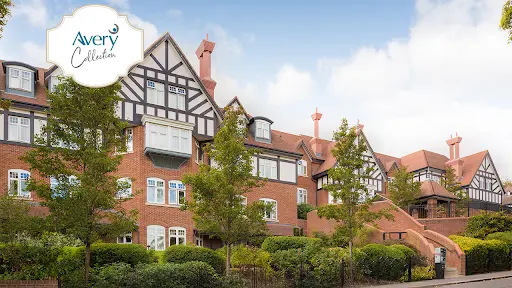
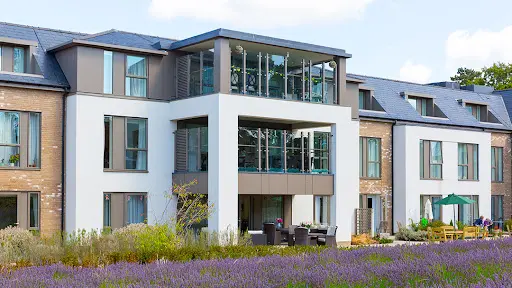
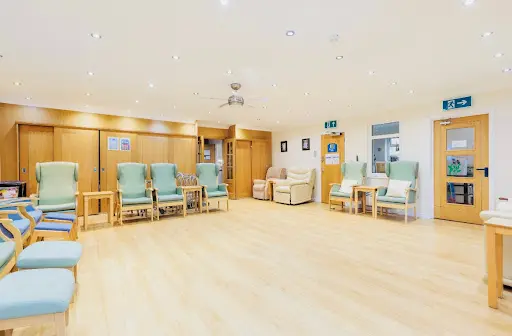
The home feels bright and spacious, with attractive communal areas and grounds that residents enjoy. Everything is kept clean and well-decorated, creating surroundings that feel more like a comfortable hotel than an institution. The variety of spaces means residents can find somewhere that suits their mood, whether they want company or quiet time.
“For many residents, Lavender Oaks has become a place where they've found both comfort and community in their later years.”
DCC does not edit or curate content in this tab. For independently curated information, see The Evidence and DCC Verdict.