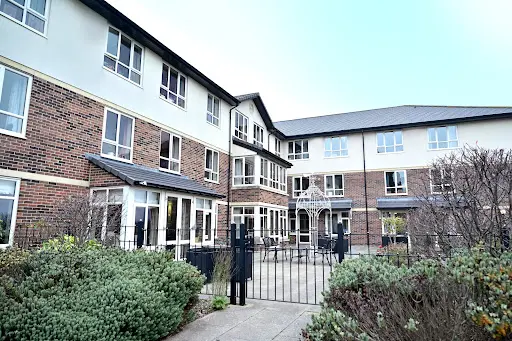
Stockingate EMI

At a Glance
The information you need to decide whether this home warrants a closer look.
Residential homes
Staff warmth score
of reviewers answered yes
Good to know
- Registered beds25
- SpecialismsCaring for adults over 65 yrs, Dementia
- Last inspected2022-11-17
Save Stockingate EMI to your shortlist
Keep a running list, add visit notes, and compare homes side-by-side. Free account — it takes a minute.
STAGE 4 — RESEARCHING CARE HOMES
Visit homes. Compare them side by side. Choose with confidence.
Most of us will view care homes the way we view houses, impression, atmosphere, the feeling in the corridor. We go home, try to remember what we saw, and make a permanent decision from a blurred memory.

The DCC shortlist gives every home you visit a structured record: the same twelve questions, answered the same way, every time. When you’re ready to choose, pull any two homes side by side and compare them directly. Same criteria, same evidence, your notes and your scores.
The Evidence
What the review data, the inspection reports, and the dementia-care evidence base tell us about this home.
What families say
The eight family priority themes
- Staff warmth65
- Compassion & dignity70
- Cleanliness50
- Activities & engagement45
- Food quality50
- Healthcare45
- Management & leadership45
- Resident happiness55
What inspectors found
Inspected 2022-11-17
Is this home safe?
Is the care effective?
The Effective domain was rated Requires Improvement at the November 2025 inspection. This domain covers whether staff have the right training, whether care plans are detailed and up to date, whether healthcare needs are met, and whether food and nutrition are managed well. The published summary does not specify which aspects of Effectiveness were found to be lacking. For a home specialising in dementia care, training in dementia-specific approaches and the quality of individual care plans are especially important markers of effectiveness.Is this home caring?
The Caring domain was the only domain rated Good at the November 2025 inspection. This domain covers whether staff treat people with kindness, whether privacy and dignity are respected, and whether residents are supported to maintain their independence where possible. A Good rating here means inspectors were satisfied that the way staff interacted with residents met the standard expected. The published summary does not include specific observations or quotes to illustrate what this looked like in practice.Is the home responsive?
The Responsive domain was rated Requires Improvement at the November 2025 inspection. This domain covers whether the home responds to each person's individual needs and preferences, whether activities are meaningful and varied, and whether end-of-life care is planned and compassionate. The published summary does not detail the specific concerns found. For a dementia specialist home, responsiveness to individual needs, including providing engagement for people who cannot join group activities, is a key quality marker.Is the home well-led?
The Well-Led domain was rated Requires Improvement at the November 2025 inspection. The registered manager is Miss Carly Tighe and the nominated individual is Mr Stephen Smith of Care Homes UK Ltd. A Requires Improvement rating in Well-Led means inspectors found that governance, oversight, or the culture of the home was not meeting the required standard. The published summary does not specify the precise concerns. The home's overall rating improved from a previous Requires Improvement to Good at this inspection, but the Well-Led domain's Requires Improvement rating raises questions about the sustainability of that improvement.
Source: CQC inspection report →
What the evidence base says
The team at Stockingate specialises in supporting older adults, with particular experience caring for people living with dementia. For those with dementia, the home provides specialised residential care tailored to individual needs. The team works to create a supportive environment for residents navigating memory challenges. All areas worth probing directly during a visit.
The DCC Verdict
Our editorial view, built from the three lenses: what families tell us, what inspectors record, and how the home sits against good dementia-care practice.
DCC Family Score
Stockingate Residential Home scores 52 out of 100 on the DCC Family Score. The single Good rating in Caring lifts the score, but four domains rated Requires Improvement at the most recent inspection mean there are real gaps Sarah should probe before making a decision.
Homes in Yorkshire & Humberside typically score 68–82.Worth a visit
Stockingate Residential Home at 61 Stockingate, Pontefract was assessed in November 2025, with the report published in February 2026. The overall rating improved to Good compared with a previous Requires Improvement rating, which shows some positive direction of travel. However, only the Caring domain was rated Good. The remaining four domains, Safe, Effective, Responsive, and Well-Led, were all rated Requires Improvement, meaning inspectors found significant gaps in safety, training and care planning, activities and responsiveness to individual needs, and leadership and governance. The gap between the Good headline and the four Requires Improvement domain ratings is the most important thing to understand before visiting. A Good Caring rating tells you that staff were observed to treat your parent with kindness and respect, which matters enormously. But Requires Improvement in Safe and Effective means the inspection identified concerns that could affect your parent's physical wellbeing and the quality of their care planning. On a visit, ask the manager to explain specifically what the inspection found in each of those four domains and what has changed since November 2025. Ask to see the improvement plan and evidence of progress. The home is small at 25 beds, which can support a more personal feel, but the number of domains requiring improvement means this home needs careful scrutiny before a decision is made.
The three questions to ask when you visitSave this home. Compare it against your shortlist.
Let our analysis show you how Stockingate EMI measures up against the other homes you’re considering. Free account.
In Their Own Words
How Stockingate EMI describes itself — collected from its own website. DCC has not edited or independently verified the content in this tab.
Caring for older adults in the heart of Pontefract
Dedicated residential home Support in Pontefract
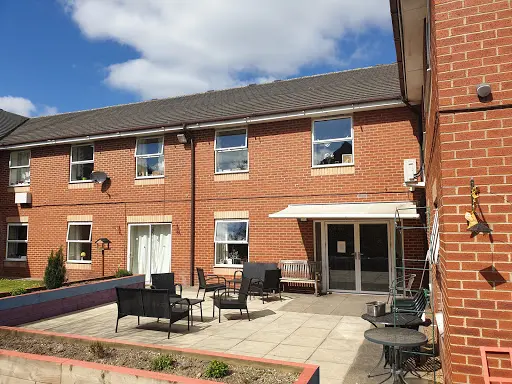
Stockingate Residential Home provides residential care for older adults in Pontefract, Yorkshire & Humberside. The home offers support for people aged 65 and over, including those living with dementia. Located in this historic West Yorkshire market town, the home has cared for some residents over extended periods.
Who they care for
The team at Stockingate specialises in supporting older adults, with particular experience caring for people living with dementia.
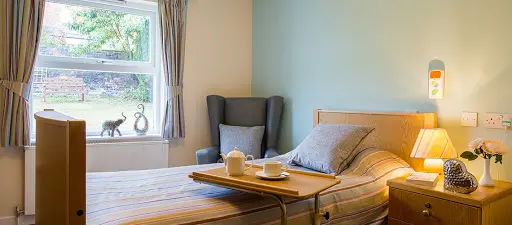
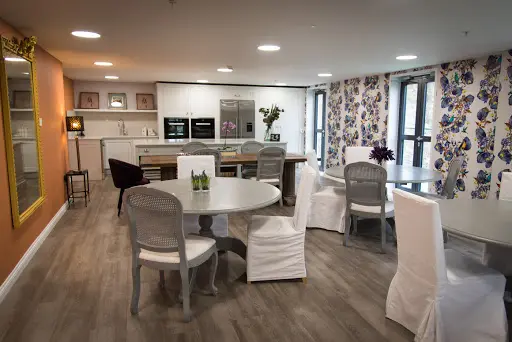
For those with dementia, the home provides specialised residential care tailored to individual needs. The team works to create a supportive environment for residents navigating memory challenges.
“To learn more about the care available at Stockingate, arranging a visit can help you get a feel for the home and meet the team.”
DCC does not edit or curate content in this tab. For independently curated information, see The Evidence and DCC Verdict.
The DCC Verdict
Our editorial view, built from the three lenses: what families tell us, what inspectors record, and how the home sits against good dementia-care practice.
DCC Family Score
Stockingate Residential Home scores 52 out of 100 on the DCC Family Score. The single Good rating in Caring lifts the score, but four domains rated Requires Improvement at the most recent inspection mean there are real gaps Sarah should probe before making a decision.
Homes in Yorkshire & Humberside typically score 68–82.Worth a visit
Stockingate Residential Home at 61 Stockingate, Pontefract was assessed in November 2025, with the report published in February 2026. The overall rating improved to Good compared with a previous Requires Improvement rating, which shows some positive direction of travel. However, only the Caring domain was rated Good. The remaining four domains, Safe, Effective, Responsive, and Well-Led, were all rated Requires Improvement, meaning inspectors found significant gaps in safety, training and care planning, activities and responsiveness to individual needs, and leadership and governance. The gap between the Good headline and the four Requires Improvement domain ratings is the most important thing to understand before visiting. A Good Caring rating tells you that staff were observed to treat your parent with kindness and respect, which matters enormously. But Requires Improvement in Safe and Effective means the inspection identified concerns that could affect your parent's physical wellbeing and the quality of their care planning. On a visit, ask the manager to explain specifically what the inspection found in each of those four domains and what has changed since November 2025. Ask to see the improvement plan and evidence of progress. The home is small at 25 beds, which can support a more personal feel, but the number of domains requiring improvement means this home needs careful scrutiny before a decision is made.
The three questions to ask when you visitSave this home. Compare it against your shortlist.
Let our analysis show you how Stockingate EMI measures up against the other homes you’re considering. Free account.
In Their Own Words
How Stockingate EMI describes itself — collected from its own website. DCC has not edited or independently verified the content in this tab.
Caring for older adults in the heart of Pontefract
Dedicated residential home Support in Pontefract
Stockingate Residential Home provides residential care for older adults in Pontefract, Yorkshire & Humberside. The home offers support for people aged 65 and over, including those living with dementia. Located in this historic West Yorkshire market town, the home has cared for some residents over extended periods.
Who they care for
The team at Stockingate specialises in supporting older adults, with particular experience caring for people living with dementia.
For those with dementia, the home provides specialised residential care tailored to individual needs. The team works to create a supportive environment for residents navigating memory challenges.
“To learn more about the care available at Stockingate, arranging a visit can help you get a feel for the home and meet the team.”
DCC does not edit or curate content in this tab. For independently curated information, see The Evidence and DCC Verdict.