St Ives Lodge
At a Glance
The information you need to decide whether this home warrants a closer look.
Residential homes
Staff warmth score
of reviewers answered yes
Good to know
- Registered beds36
- SpecialismsCaring for adults over 65 yrs, Caring for adults under 65 yrs, Dementia, Mental health conditions, Physical disabilities, Sensory impairment
- Last inspected2017-12-16
Save St Ives Lodge to your shortlist
Keep a running list, add visit notes, and compare homes side-by-side. Free account — it takes a minute.
STAGE 4 — RESEARCHING CARE HOMES
Visit homes. Compare them side by side. Choose with confidence.
Most of us will view care homes the way we view houses, impression, atmosphere, the feeling in the corridor. We go home, try to remember what we saw, and make a permanent decision from a blurred memory.

The DCC shortlist gives every home you visit a structured record: the same twelve questions, answered the same way, every time. When you’re ready to choose, pull any two homes side by side and compare them directly. Same criteria, same evidence, your notes and your scores.
The Evidence
What the review data, the inspection reports, and the dementia-care evidence base tell us about this home.
What families say
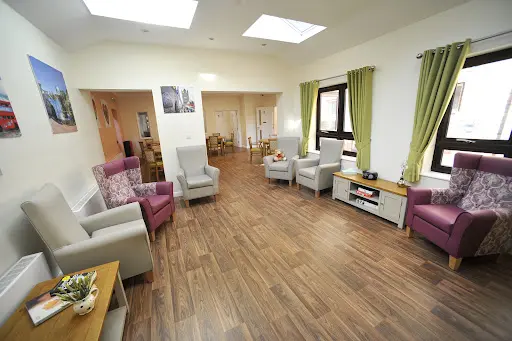
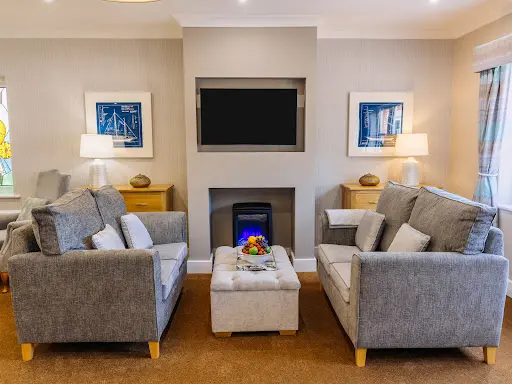
Families describe finding a genuinely welcoming atmosphere here. The conservatory and day spaces create natural gathering spots where residents spend time together, while staff bring warmth alongside their professional approach.
The eight family priority themes
- Staff warmth55
- Compassion & dignity55
- Cleanliness55
- Activities & engagement50
- Food quality50
- Healthcare50
- Management & leadership60
- Resident happiness55
What inspectors found
Inspected 2017-12-16
Is this home safe?
Is the care effective?
The Effective domain was rated Good at the last full inspection. This domain covers training, care planning, nutrition, healthcare access, and whether care meets each person's individual needs. The published report includes no specific evidence on any of these areas: no mention of care plan quality, GP access arrangements, dementia training content, or how food and hydration needs are managed. The rating alone is the only information available.Is this home caring?
The Caring domain was rated Good at the last full inspection. This domain covers how staff treat residents: whether they are kind, unhurried, respectful of privacy and dignity, and responsive to individual needs. The published report contains no inspector observations of staff interactions, no resident or family quotes, and no specific examples of caring practice. The Good rating indicates inspectors were satisfied, but without supporting detail the basis for that judgement is not visible.Is the home responsive?
The Responsive domain was rated Good at the last full inspection. This domain covers whether the home adapts its care to each person's individual needs, offers meaningful activities, handles complaints well, and plans for end of life. The published report provides no detail on any of these areas. There is no description of the activities programme, no evidence of how individual preferences are recorded or acted on, and no mention of end-of-life care planning.Is the home well-led?
The Well-led domain was rated Good at the last full inspection. Ms Maureen Minnie Lewis is both the registered manager and the nominated individual, meaning she carries full operational and regulatory responsibility for the home. This single line of accountability is clearly recorded. The published report contains no further detail about management visibility, staff culture, quality monitoring systems, or how the home handles complaints and concerns.
Source: CQC inspection report →
What the evidence base says
The home supports residents across a wide age range, including adults under 65, with expertise spanning dementia, mental health conditions, physical disabilities and sensory impairments. For residents living with dementia, the team brings professional expertise to this specialized area of care. Staff understand the complexities involved and work to support each person's individual journey. All areas worth probing directly during a visit.
The DCC Verdict
Our editorial view, built from the three lenses: what families tell us, what inspectors record, and how the home sits against good dementia-care practice.
DCC Family Score
St Ives Lodge holds a Good rating across all five domains, but the published inspection report contains very little specific detail: no direct observations, no resident or family quotes, and no supporting evidence beyond the rating itself. The score of 72 reflects a genuine Good rating that cannot be fully verified from the published text alone.
Homes in London typically score 68–82.The three-lens summary
What families tell us
Families describe finding a genuinely welcoming atmosphere here. The conservatory and day spaces create natural gathering spots where residents spend time together, while staff bring warmth alongside their professional approach.
What inspectors have recorded
What stands out here is how staff combine clinical competence with genuine emotional investment in each resident. Families speak of professionals who bring real expertise to complex care needs while maintaining the human connection that matters so much.
How it sits against good practice
If you're looking for somewhere that combines clinical skill with heartfelt care, it's worth arranging a visit to see if St Ives Lodge feels right for your family.
Worth a visit
St Ives Lodge Residential Care Home, at 25-29 The Drive, Chingford, London, holds a Good rating across all five inspection domains: Safe, Effective, Caring, Responsive, and Well-led. The rating was confirmed as current following a desk-based review in July 2023, and the registered manager, Ms Maureen Minnie Lewis, holds both operational and regulatory responsibility, which provides a clear line of accountability. The home supports 36 residents and specialises in dementia, mental health conditions, physical disabilities, and sensory impairment. The main uncertainty here is that the published inspection report is very thin on specific evidence. There are no direct observations from inspectors, no quotes from residents or relatives, and no supporting detail behind any of the five Good ratings. A Good rating is genuinely meaningful, but without supporting evidence you cannot know whether the home is at the strong end of Good or just above the threshold. Before deciding, visit in person, ask to see the actual staffing rota for a recent week, ask what dementia-specific training staff have completed, and spend time in the communal areas to observe how staff interact with residents who are not prompted.
The three questions to ask when you visitSave this home. Compare it against your shortlist.
Let our analysis show you how St Ives Lodge measures up against the other homes you’re considering. Free account.
In Their Own Words
How St Ives Lodge describes itself — collected from its own website. DCC has not edited or independently verified the content in this tab.
Where clinical expertise meets genuine emotional care
St Ives Lodge Residential Care Home – Your Trusted residential home
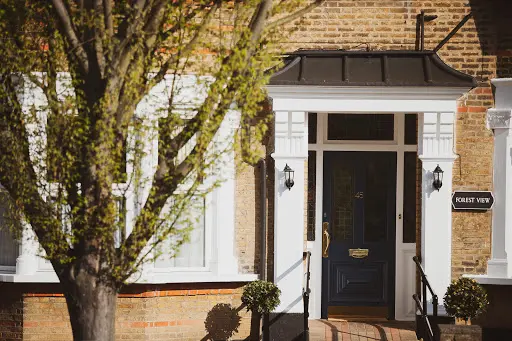
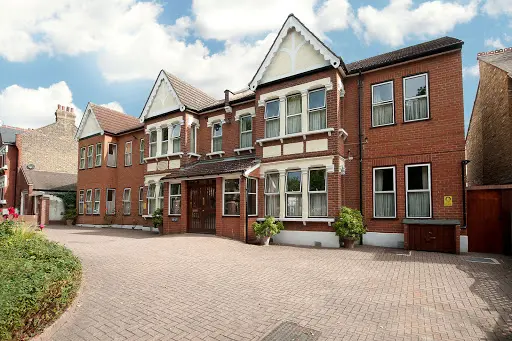
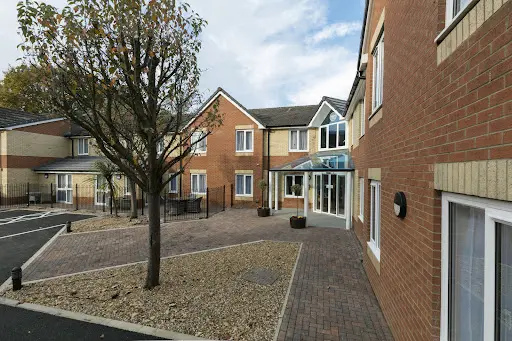
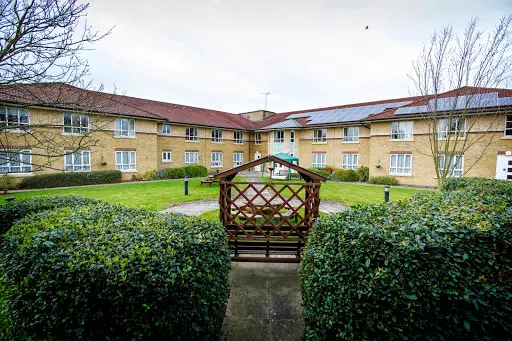
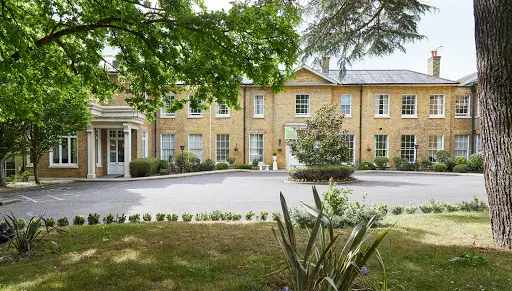
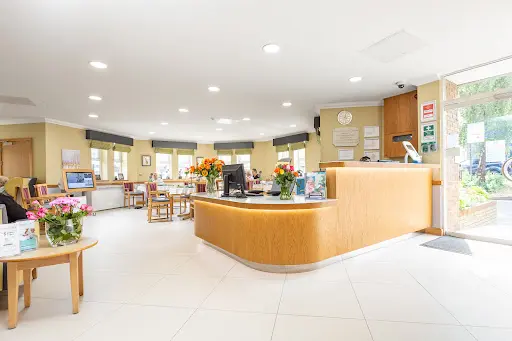
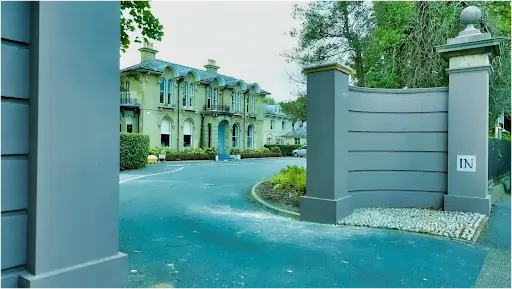
Finding the right support for complex care needs requires both professional skill and real compassion. St Ives Lodge Residential Care Home in London brings together clinical expertise with the kind of emotional attentiveness that makes all the difference. Set within a Victorian building with light-filled communal spaces, this home specializes in supporting residents with varied and challenging needs.
Who they care for
The home supports residents across a wide age range, including adults under 65, with expertise spanning dementia, mental health conditions, physical disabilities and sensory impairments.
For residents living with dementia, the team brings professional expertise to this specialized area of care. Staff understand the complexities involved and work to support each person's individual journey.
“If you're looking for somewhere that combines clinical skill with heartfelt care, it's worth arranging a visit to see if St Ives Lodge feels right for your family.”
DCC does not edit or curate content in this tab. For independently curated information, see The Evidence and DCC Verdict.
The DCC Verdict
Our editorial view, built from the three lenses: what families tell us, what inspectors record, and how the home sits against good dementia-care practice.
DCC Family Score
St Ives Lodge holds a Good rating across all five domains, but the published inspection report contains very little specific detail: no direct observations, no resident or family quotes, and no supporting evidence beyond the rating itself. The score of 72 reflects a genuine Good rating that cannot be fully verified from the published text alone.
Homes in London typically score 68–82.The three-lens summary
What families tell us
Families describe finding a genuinely welcoming atmosphere here. The conservatory and day spaces create natural gathering spots where residents spend time together, while staff bring warmth alongside their professional approach.
What inspectors have recorded
What stands out here is how staff combine clinical competence with genuine emotional investment in each resident. Families speak of professionals who bring real expertise to complex care needs while maintaining the human connection that matters so much.
How it sits against good practice
If you're looking for somewhere that combines clinical skill with heartfelt care, it's worth arranging a visit to see if St Ives Lodge feels right for your family.
Worth a visit
St Ives Lodge Residential Care Home, at 25-29 The Drive, Chingford, London, holds a Good rating across all five inspection domains: Safe, Effective, Caring, Responsive, and Well-led. The rating was confirmed as current following a desk-based review in July 2023, and the registered manager, Ms Maureen Minnie Lewis, holds both operational and regulatory responsibility, which provides a clear line of accountability. The home supports 36 residents and specialises in dementia, mental health conditions, physical disabilities, and sensory impairment. The main uncertainty here is that the published inspection report is very thin on specific evidence. There are no direct observations from inspectors, no quotes from residents or relatives, and no supporting detail behind any of the five Good ratings. A Good rating is genuinely meaningful, but without supporting evidence you cannot know whether the home is at the strong end of Good or just above the threshold. Before deciding, visit in person, ask to see the actual staffing rota for a recent week, ask what dementia-specific training staff have completed, and spend time in the communal areas to observe how staff interact with residents who are not prompted.
The three questions to ask when you visitSave this home. Compare it against your shortlist.
Let our analysis show you how St Ives Lodge measures up against the other homes you’re considering. Free account.
In Their Own Words
How St Ives Lodge describes itself — collected from its own website. DCC has not edited or independently verified the content in this tab.
Where clinical expertise meets genuine emotional care
St Ives Lodge Residential Care Home – Your Trusted residential home
Finding the right support for complex care needs requires both professional skill and real compassion. St Ives Lodge Residential Care Home in London brings together clinical expertise with the kind of emotional attentiveness that makes all the difference. Set within a Victorian building with light-filled communal spaces, this home specializes in supporting residents with varied and challenging needs.
Who they care for
The home supports residents across a wide age range, including adults under 65, with expertise spanning dementia, mental health conditions, physical disabilities and sensory impairments.
For residents living with dementia, the team brings professional expertise to this specialized area of care. Staff understand the complexities involved and work to support each person's individual journey.
Management & ethos
What stands out here is how staff combine clinical competence with genuine emotional investment in each resident. Families speak of professionals who bring real expertise to complex care needs while maintaining the human connection that matters so much.
The home & environment
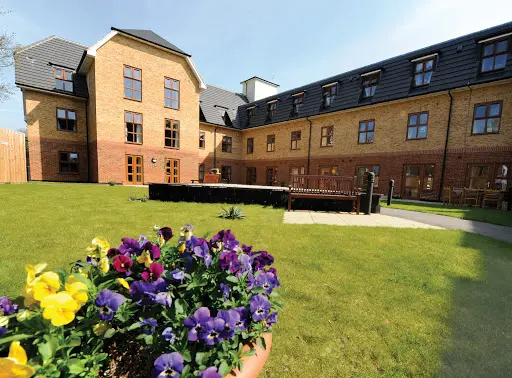
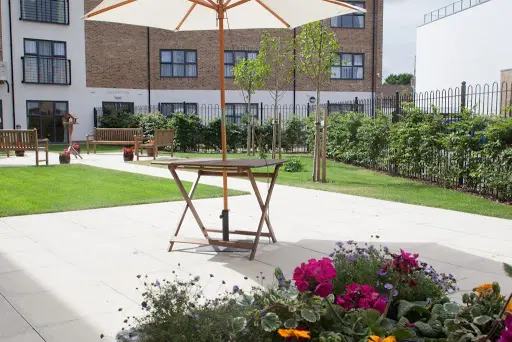
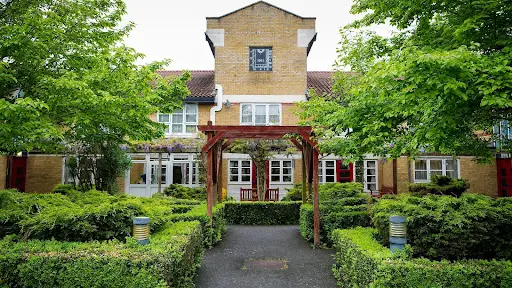
The Victorian architecture gives character to the home, with bright, airy communal areas and a conservatory where residents gather for meals and activities. While the period features mean some corridors are narrower than in modern buildings, the light-filled social spaces create pleasant environments for daily life.
“If you're looking for somewhere that combines clinical skill with heartfelt care, it's worth arranging a visit to see if St Ives Lodge feels right for your family.”
DCC does not edit or curate content in this tab. For independently curated information, see The Evidence and DCC Verdict.