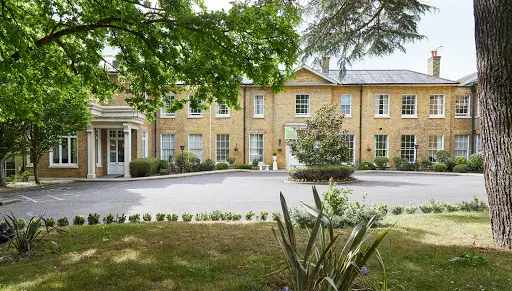
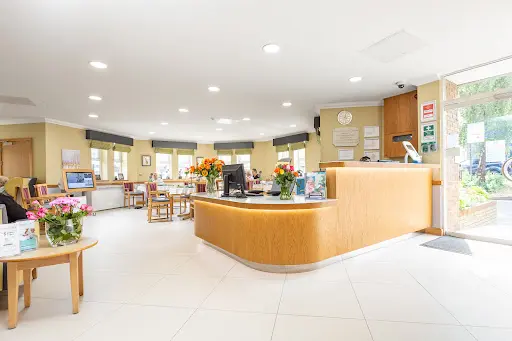
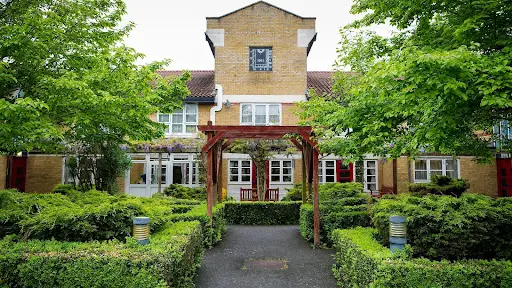
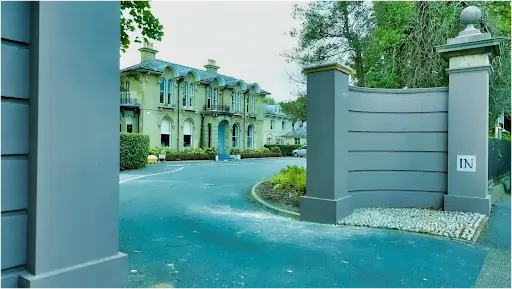
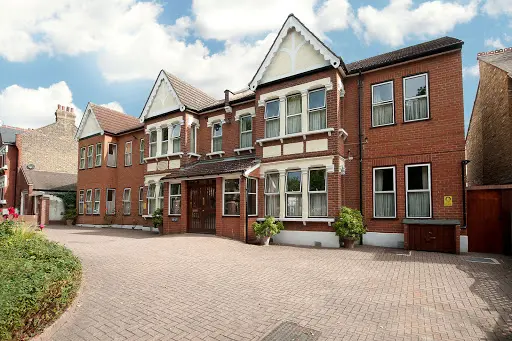
St Francis Care Home
At a Glance
The information you need to decide whether this home warrants a closer look.
Residential homes
Staff warmth score
of reviewers answered yes
Good to know
- Registered beds39
- SpecialismsCaring for adults over 65 yrs, Dementia
- Last inspected2020-01-23
Save St Francis Care Home to your shortlist
Keep a running list, add visit notes, and compare homes side-by-side. Free account — it takes a minute.
STAGE 4 — RESEARCHING CARE HOMES
Visit homes. Compare them side by side. Choose with confidence.
Most of us will view care homes the way we view houses, impression, atmosphere, the feeling in the corridor. We go home, try to remember what we saw, and make a permanent decision from a blurred memory.

The DCC shortlist gives every home you visit a structured record: the same twelve questions, answered the same way, every time. When you’re ready to choose, pull any two homes side by side and compare them directly. Same criteria, same evidence, your notes and your scores.
The Evidence
What the review data, the inspection reports, and the dementia-care evidence base tell us about this home.
What families say
Families talk about feeling genuinely welcomed when they visit, with staff taking time to support them through what can be an emotional journey. The atmosphere feels warm rather than clinical, and relatives mention being able to visit frequently without feeling like they're intruding.
The eight family priority themes
- Staff warmth55
- Compassion & dignity55
- Cleanliness55
- Activities & engagement50
- Food quality50
- Healthcare50
- Management & leadership60
- Resident happiness55
What inspectors found
Inspected 2020-01-23
Is this home safe?
Is the care effective?
The Effective domain was rated Good at the last inspection. This domain covers training, care planning, nutrition and hydration, and access to healthcare professionals including GPs. The published report does not describe specific training programmes, care plan content, or how the home manages residents' health needs. The home lists dementia as a specialism, which implies some level of specialist training, but the published text provides no detail.Is this home caring?
The Caring domain was rated Good at the last inspection. This covers how staff treat residents: whether they are kind and respectful, whether privacy and dignity are upheld, and whether residents are supported to maintain their independence where possible. The published report does not include any inspector observations of staff interactions, and no resident or family quotes are recorded. The Good rating indicates that inspectors were satisfied, but the basis for that satisfaction is not described.Is the home responsive?
The Responsive domain was rated Good at the last inspection. This covers activities, engagement, and whether the home responds to residents as individuals rather than as a group. It also covers complaint handling and end-of-life care. The published report does not describe any specific activities, activity staffing levels, or individual engagement arrangements. No information about complaints or end-of-life planning is included.Is the home well-led?
The Well-led domain was rated Good at the last inspection, improving from Requires Improvement at the previous inspection. The home is run by Brownlow Enterprises Limited. The registered manager is Miss Sharmila Rai, and the nominated individual is Mr Liam James Heneghan. The published report does not describe management visibility, staff culture, governance arrangements, or how the home learns from incidents. The named leadership structure is confirmed, but no further detail is available.
Source: CQC inspection report →
What the evidence base says
St Francis specializes in dementia care and supporting adults over 65. The home has developed its approach specifically around the changing needs that come with dementia. The team understands that dementia affects each person differently and at different speeds. Staff adapt their support as residents' needs change, maintaining dignity and respect throughout each stage of the journey. All areas worth probing directly during a visit.
The DCC Verdict
Our editorial view, built from the three lenses: what families tell us, what inspectors record, and how the home sits against good dementia-care practice.
DCC Family Score
St Francis Residential Care Home holds a Good rating across all five inspection domains, which is a meaningful improvement from its previous Requires Improvement rating. However, the published inspection text contains very little specific detail, so most scores sit in the mid-range: the Good rating is confirmed, but the evidence behind it is thin.
Homes in London typically score 68–82.The three-lens summary
What families tell us
Families talk about feeling genuinely welcomed when they visit, with staff taking time to support them through what can be an emotional journey. The atmosphere feels warm rather than clinical, and relatives mention being able to visit frequently without feeling like they're intruding.
What inspectors have recorded
Staff work hard across every level of the home to support residents' wellbeing. The team shows particular skill in responding to changing dementia needs with both respect and compassion, adjusting their approach as each person's condition develops.
How it sits against good practice
For families facing difficult decisions about dementia care, St Francis offers a reassuring combination of practical expertise and genuine compassion.
Worth a visit
St Francis Residential Care Home, on Falmouth Avenue in London E4, was rated Good across all five inspection domains at its last inspection in January 2020, with the full report published in February 2021. This is a genuine improvement: the home previously held a Requires Improvement rating, and achieving Good across every domain is a meaningful step forward. The home is registered for 39 beds and lists dementia care as a specialism, alongside care for adults over 65. The main limitation for families reading this report is that the published inspection text contains almost no specific detail. There are no inspector observations, no resident or family quotes, and no description of what the inspectors actually saw or heard inside the home. The Good rating itself is reassuring, but it tells you little about what daily life looks like for your parent. Before visiting, prepare a list of specific questions: ask about night staffing numbers, agency staff usage, how often care plans are reviewed, and how the home keeps families informed. The last inspection was in January 2020, which means the published findings are now several years old. Ask the manager whether an inspection has taken place since then and what has changed.
The three questions to ask when you visitSave this home. Compare it against your shortlist.
Let our analysis show you how St Francis Care Home measures up against the other homes you’re considering. Free account.
In Their Own Words
How St Francis Care Home describes itself — collected from its own website. DCC has not edited or independently verified the content in this tab.
A bright London home where dementia care adapts with real compassion
Residential home in London: True Peace of Mind
When dementia changes how someone experiences the world, families need to know their loved one will be treated with genuine respect and understanding. St Francis Residential Care Home in London has built its approach around adapting to each resident's changing needs. The team here recognizes that good dementia care means staying flexible and responsive as conditions evolve.
Who they care for
St Francis specializes in dementia care and supporting adults over 65. The home has developed its approach specifically around the changing needs that come with dementia.
The team understands that dementia affects each person differently and at different speeds. Staff adapt their support as residents' needs change, maintaining dignity and respect throughout each stage of the journey.
“For families facing difficult decisions about dementia care, St Francis offers a reassuring combination of practical expertise and genuine compassion.”
DCC does not edit or curate content in this tab. For independently curated information, see The Evidence and DCC Verdict.
The DCC Verdict
Our editorial view, built from the three lenses: what families tell us, what inspectors record, and how the home sits against good dementia-care practice.
DCC Family Score
St Francis Residential Care Home holds a Good rating across all five inspection domains, which is a meaningful improvement from its previous Requires Improvement rating. However, the published inspection text contains very little specific detail, so most scores sit in the mid-range: the Good rating is confirmed, but the evidence behind it is thin.
Homes in London typically score 68–82.The three-lens summary
What families tell us
Families talk about feeling genuinely welcomed when they visit, with staff taking time to support them through what can be an emotional journey. The atmosphere feels warm rather than clinical, and relatives mention being able to visit frequently without feeling like they're intruding.
What inspectors have recorded
Staff work hard across every level of the home to support residents' wellbeing. The team shows particular skill in responding to changing dementia needs with both respect and compassion, adjusting their approach as each person's condition develops.
How it sits against good practice
For families facing difficult decisions about dementia care, St Francis offers a reassuring combination of practical expertise and genuine compassion.
Worth a visit
St Francis Residential Care Home, on Falmouth Avenue in London E4, was rated Good across all five inspection domains at its last inspection in January 2020, with the full report published in February 2021. This is a genuine improvement: the home previously held a Requires Improvement rating, and achieving Good across every domain is a meaningful step forward. The home is registered for 39 beds and lists dementia care as a specialism, alongside care for adults over 65. The main limitation for families reading this report is that the published inspection text contains almost no specific detail. There are no inspector observations, no resident or family quotes, and no description of what the inspectors actually saw or heard inside the home. The Good rating itself is reassuring, but it tells you little about what daily life looks like for your parent. Before visiting, prepare a list of specific questions: ask about night staffing numbers, agency staff usage, how often care plans are reviewed, and how the home keeps families informed. The last inspection was in January 2020, which means the published findings are now several years old. Ask the manager whether an inspection has taken place since then and what has changed.
The three questions to ask when you visitSave this home. Compare it against your shortlist.
Let our analysis show you how St Francis Care Home measures up against the other homes you’re considering. Free account.
In Their Own Words
How St Francis Care Home describes itself — collected from its own website. DCC has not edited or independently verified the content in this tab.
A bright London home where dementia care adapts with real compassion
Residential home in London: True Peace of Mind
When dementia changes how someone experiences the world, families need to know their loved one will be treated with genuine respect and understanding. St Francis Residential Care Home in London has built its approach around adapting to each resident's changing needs. The team here recognizes that good dementia care means staying flexible and responsive as conditions evolve.
Who they care for
St Francis specializes in dementia care and supporting adults over 65. The home has developed its approach specifically around the changing needs that come with dementia.
The team understands that dementia affects each person differently and at different speeds. Staff adapt their support as residents' needs change, maintaining dignity and respect throughout each stage of the journey.
Management & ethos
Staff work hard across every level of the home to support residents' wellbeing. The team shows particular skill in responding to changing dementia needs with both respect and compassion, adjusting their approach as each person's condition develops.
The home & environment
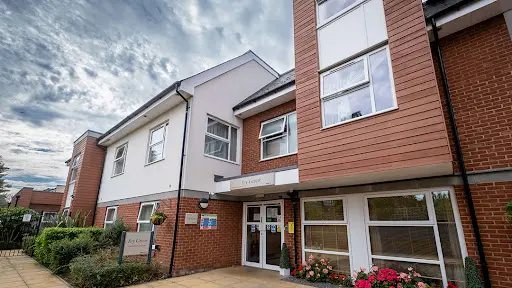
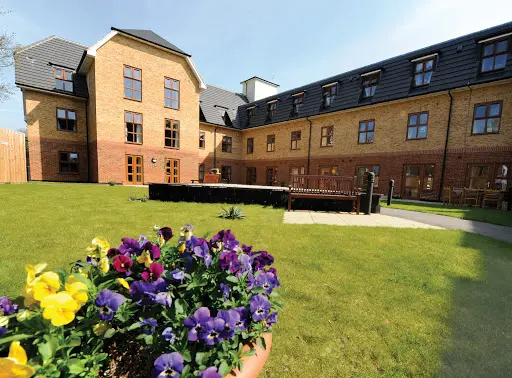
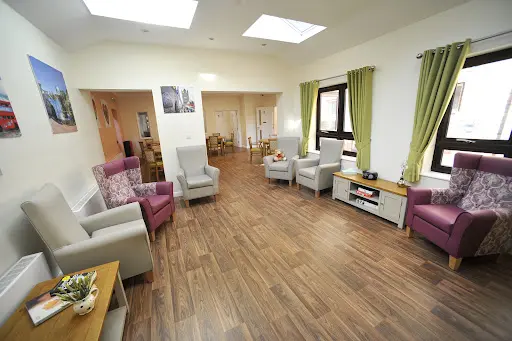
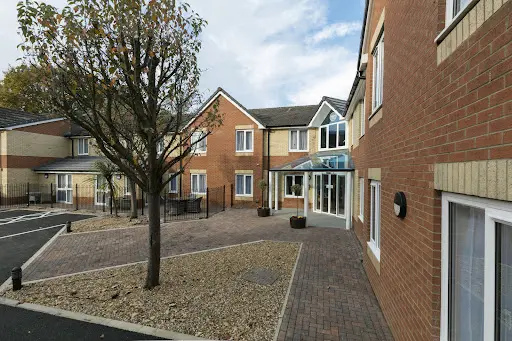
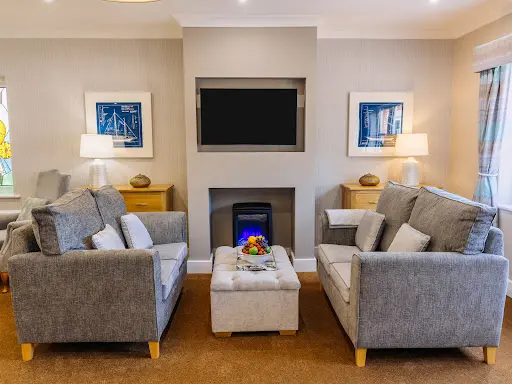
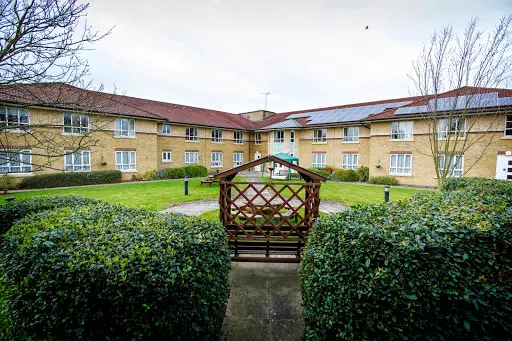
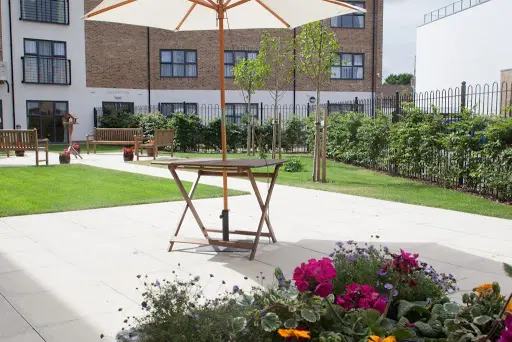
The home keeps everything spotlessly clean, with rooms that families describe as smart and filled with natural light. Food gets particular praise for its quality. While residents are able, the team encourages them to join in activities and outings that help maintain connections with the wider community.
“For families facing difficult decisions about dementia care, St Francis offers a reassuring combination of practical expertise and genuine compassion.”
DCC does not edit or curate content in this tab. For independently curated information, see The Evidence and DCC Verdict.