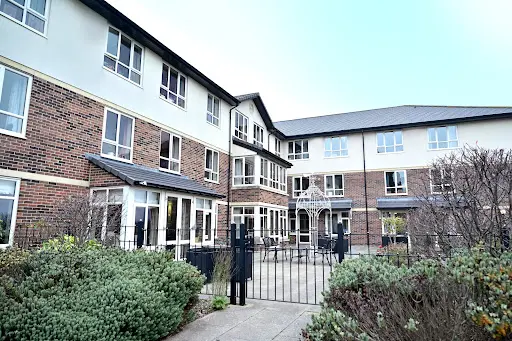
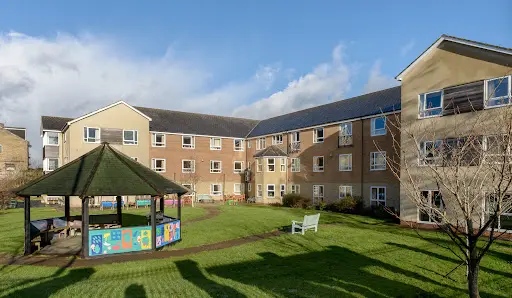
Spring House

At a Glance
The information you need to decide whether this home warrants a closer look.
Residential homes
Staff warmth score
of reviewers answered yes
Good to know
- Registered beds21
- SpecialismsCaring for adults over 65 yrs, Caring for adults under 65 yrs, Dementia
- Last inspected2021-12-31
Save Spring House to your shortlist
Keep a running list, add visit notes, and compare homes side-by-side. Free account — it takes a minute.
STAGE 4 — RESEARCHING CARE HOMES
Visit homes. Compare them side by side. Choose with confidence.
Most of us will view care homes the way we view houses, impression, atmosphere, the feeling in the corridor. We go home, try to remember what we saw, and make a permanent decision from a blurred memory.

The DCC shortlist gives every home you visit a structured record: the same twelve questions, answered the same way, every time. When you’re ready to choose, pull any two homes side by side and compare them directly. Same criteria, same evidence, your notes and your scores.
The Evidence
What the review data, the inspection reports, and the dementia-care evidence base tell us about this home.
What families say
The reception families receive here seems to make a real difference. Visitors mention being offered refreshments and feeling welcomed right away. One family member has noticed their relative seems content in their new surroundings.
The eight family priority themes
- Staff warmth72
- Compassion & dignity72
- Cleanliness68
- Activities & engagement55
- Food quality55
- Healthcare65
- Management & leadership75
- Resident happiness65
What inspectors found
Inspected 2021-12-31
Is this home safe?
Is the care effective?
The home received a Good rating for Effective at the November 2021 inspection. Effective covers whether staff have the right training, whether care plans are detailed and up to date, whether residents have regular access to GPs and other health professionals, and whether food meets individual needs. The published summary does not reproduce specific findings in any of these areas. Dementia is listed as a registered specialism, which means inspectors will have assessed whether staff training and care planning are appropriate for people living with dementia, though the detail of that assessment is not available.Is this home caring?
Spring House received a Good rating for Caring at the November 2021 inspection. This domain covers whether staff treat people with warmth and respect, whether residents are addressed by their preferred names, whether personal care is carried out with dignity, and whether people's independence is supported. The published summary does not include direct quotes from residents or relatives, and no specific inspector observations about staff interactions are reproduced. The rating itself indicates that inspectors were satisfied with what they observed, but the detail is not available for independent verification.Is the home responsive?
The home received a Good rating for Responsive at the November 2021 inspection. Responsive covers whether the home tailors activities and daily routines to individual preferences, whether people who cannot join group activities are supported with one-to-one engagement, and whether there are clear processes for managing complaints and end-of-life wishes. The published summary provides no specific detail about the activity programme, individual engagement, or complaints handling. Dementia is listed as a specialism, which means inspectors will have considered whether the home responds appropriately to the specific and changing needs of people living with dementia.Is the home well-led?
The home received a Good rating for Well-led at the November 2021 inspection, having previously been rated Requires Improvement. Two registered managers are named in the inspection record: Mrs Amy Louise Burgess and Mr John Paul Weldrick, with Mr Weldrick also listed as the nominated individual. The presence of two named managers in a 21-bed home is worth clarifying, as it raises practical questions about who is accountable day to day and how leadership is divided. The improvement from Requires Improvement to Good in this domain is the most significant finding available, suggesting that governance and accountability were strengthened between inspections.
Source: CQC inspection report →
What the evidence base says
Spring House provides residential care for adults over 65, and also welcomes younger adults who need support. The home has experience caring for people living with dementia. For those living with dementia, Spring House offers specialized support. The team understands the unique challenges families face when a loved one has dementia, and they work to create an environment where residents feel secure. All areas worth probing directly during a visit.
The DCC Verdict
Our editorial view, built from the three lenses: what families tell us, what inspectors record, and how the home sits against good dementia-care practice.
DCC Family Score
Spring House scores 71 out of 100, reflecting a genuine improvement from a previous Requires Improvement rating to a clean set of Good ratings across all five inspection areas. The score is held back by limited specific detail in the published report, meaning several areas cannot be independently verified without visiting the home or speaking to the manager directly.
Homes in Yorkshire & Humberside typically score 68–82.The three-lens summary
What families tell us
The reception families receive here seems to make a real difference. Visitors mention being offered refreshments and feeling welcomed right away. One family member has noticed their relative seems content in their new surroundings.
What inspectors have recorded
How it sits against good practice
Getting a feel for Spring House in person could help you decide if it's the right place for your loved one.
Worth a visit
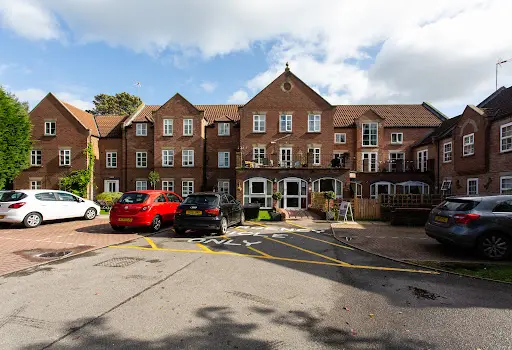
Spring House Residential Care Home, at 21 Eastbourne Road in Hornsea, was rated Good across all five inspection domains at its last inspection in November 2021. Crucially, this represents an improvement: the home had previously been rated Requires Improvement, and achieving a clean sweep of Good ratings shows that leadership identified and addressed the earlier problems. The home is registered for 21 beds and lists dementia as a specialism alongside care for adults over and under 65. The honest limitation of this report is that the published inspection summary provides very little specific detail about day-to-day life for your parent. Inspectors clearly found enough to rate everything Good, but families cannot verify the warmth of staff interactions, the quality of food, the activity programme, or night staffing levels from what is publicly available. The inspection also took place in late 2021, which means it is now over three years old. Before you make a decision, visit the home in person, ask to see the current staffing rota and last month's activity log, and speak directly to the registered managers about what has changed since the previous Requires Improvement rating.
The three questions to ask when you visitSave this home. Compare it against your shortlist.
Let our analysis show you how Spring House measures up against the other homes you’re considering. Free account.
In Their Own Words
How Spring House describes itself — collected from its own website. DCC has not edited or independently verified the content in this tab.
A warm welcome awaits in this Hornsea care home
Spring House Residential Care Home – Your Trusted residential home
When families first step through the doors at Spring House Residential Care Home in Hornsea, they're greeted with genuine warmth. Staff here understand that choosing a care home is never easy, and they take time to put visitors at ease from the very start.
Who they care for
Spring House provides residential care for adults over 65, and also welcomes younger adults who need support. The home has experience caring for people living with dementia.
For those living with dementia, Spring House offers specialized support. The team understands the unique challenges families face when a loved one has dementia, and they work to create an environment where residents feel secure.
“Getting a feel for Spring House in person could help you decide if it's the right place for your loved one.”
DCC does not edit or curate content in this tab. For independently curated information, see The Evidence and DCC Verdict.
The DCC Verdict
Our editorial view, built from the three lenses: what families tell us, what inspectors record, and how the home sits against good dementia-care practice.
DCC Family Score
Spring House scores 71 out of 100, reflecting a genuine improvement from a previous Requires Improvement rating to a clean set of Good ratings across all five inspection areas. The score is held back by limited specific detail in the published report, meaning several areas cannot be independently verified without visiting the home or speaking to the manager directly.
Homes in Yorkshire & Humberside typically score 68–82.The three-lens summary
What families tell us
The reception families receive here seems to make a real difference. Visitors mention being offered refreshments and feeling welcomed right away. One family member has noticed their relative seems content in their new surroundings.
What inspectors have recorded
How it sits against good practice
Getting a feel for Spring House in person could help you decide if it's the right place for your loved one.
Worth a visit
Spring House Residential Care Home, at 21 Eastbourne Road in Hornsea, was rated Good across all five inspection domains at its last inspection in November 2021. Crucially, this represents an improvement: the home had previously been rated Requires Improvement, and achieving a clean sweep of Good ratings shows that leadership identified and addressed the earlier problems. The home is registered for 21 beds and lists dementia as a specialism alongside care for adults over and under 65. The honest limitation of this report is that the published inspection summary provides very little specific detail about day-to-day life for your parent. Inspectors clearly found enough to rate everything Good, but families cannot verify the warmth of staff interactions, the quality of food, the activity programme, or night staffing levels from what is publicly available. The inspection also took place in late 2021, which means it is now over three years old. Before you make a decision, visit the home in person, ask to see the current staffing rota and last month's activity log, and speak directly to the registered managers about what has changed since the previous Requires Improvement rating.
The three questions to ask when you visitSave this home. Compare it against your shortlist.
Let our analysis show you how Spring House measures up against the other homes you’re considering. Free account.
In Their Own Words
How Spring House describes itself — collected from its own website. DCC has not edited or independently verified the content in this tab.
A warm welcome awaits in this Hornsea care home
Spring House Residential Care Home – Your Trusted residential home
When families first step through the doors at Spring House Residential Care Home in Hornsea, they're greeted with genuine warmth. Staff here understand that choosing a care home is never easy, and they take time to put visitors at ease from the very start.
Who they care for
Spring House provides residential care for adults over 65, and also welcomes younger adults who need support. The home has experience caring for people living with dementia.
For those living with dementia, Spring House offers specialized support. The team understands the unique challenges families face when a loved one has dementia, and they work to create an environment where residents feel secure.
The home & environment
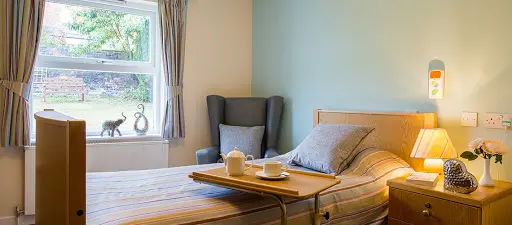
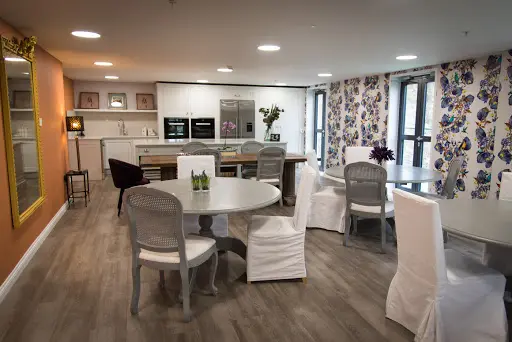
The communal areas at Spring House are kept clean and warm, creating comfortable spaces where residents can spend their days.
“Getting a feel for Spring House in person could help you decide if it's the right place for your loved one.”
DCC does not edit or curate content in this tab. For independently curated information, see The Evidence and DCC Verdict.