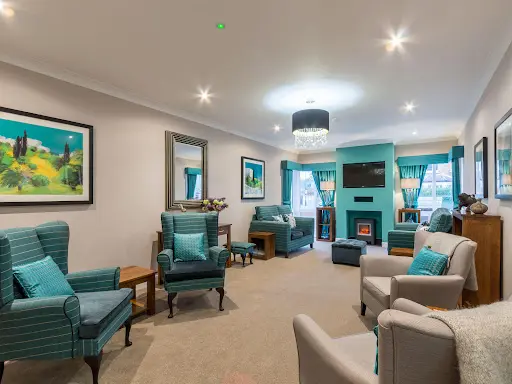
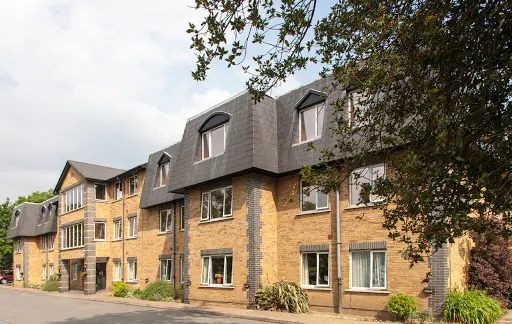
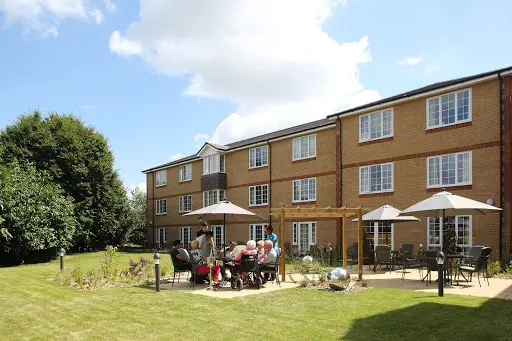
Sandbanks Resource Centre
At a Glance
The information you need to decide whether this home warrants a closer look.
Residential homes, Rehabilitation (illness/injury)
Staff warmth score
of reviewers answered yes
Good to know
- Registered beds62
- SpecialismsCaring for adults over 65 yrs, Caring for adults under 65 yrs, Dementia, Physical disabilities
- Last inspected2019-03-21
Save Sandbanks Resource Centre to your shortlist
Keep a running list, add visit notes, and compare homes side-by-side. Free account — it takes a minute.
STAGE 4 — RESEARCHING CARE HOMES
Visit homes. Compare them side by side. Choose with confidence.
Most of us will view care homes the way we view houses, impression, atmosphere, the feeling in the corridor. We go home, try to remember what we saw, and make a permanent decision from a blurred memory.

The DCC shortlist gives every home you visit a structured record: the same twelve questions, answered the same way, every time. When you’re ready to choose, pull any two homes side by side and compare them directly. Same criteria, same evidence, your notes and your scores.
The Evidence
What the review data, the inspection reports, and the dementia-care evidence base tell us about this home.
What families say
The eight family priority themes
- Staff warmth72
- Compassion & dignity72
- Cleanliness68
- Activities & engagement65
- Food quality62
- Healthcare60
- Management & leadership75
- Resident happiness70
What inspectors found
Inspected 2019-03-21
Is this home safe?
Is the care effective?
The Effective domain was rated Good at the August 2024 inspection. This domain covers care planning, staff training, healthcare access, nutrition, and how well the home uses information to support each person. A Good rating here indicates inspectors were satisfied that the home broadly meets the required standard across these areas. However, the published summary does not include specific observations, examples, or staff training details, so the evidence is positive but general rather than specific.Is this home caring?
The Caring domain was rated Good at the August 2024 inspection. This domain covers staff warmth, dignity, respect, and whether the people living here are treated as individuals. A Good rating indicates inspectors were satisfied with the quality of interactions they observed. The published summary does not include direct observations or quotes from residents or relatives, so it is not possible to confirm specific behaviours such as use of preferred names, unhurried pace, or response to distress from the report alone.Is the home responsive?
The Responsive domain was rated Good at the August 2024 inspection. This covers whether the home tailors its care to individuals, provides meaningful activities, supports independence, and plans appropriately for end of life. A Good rating here is positive, particularly for a home that supports people with dementia and physical disabilities, where responsiveness to individual needs is especially important. As with other domains, the published summary does not provide specific examples of activities, individual adjustments, or end-of-life arrangements.Is the home well-led?
The Well-led domain was rated Good at the August 2024 inspection, up from the previous Requires Improvement rating overall. The home has a named registered manager, Mrs Dian Angela Sampson, and a nominated individual, Mrs Sue Witcher. This leadership structure being in place and named is a positive indicator. A Good rating in Well-led suggests inspectors found a functioning governance structure, a supportive culture for staff, and evidence that the home is accountable and learning. Specific details about manager visibility, staff feedback mechanisms, or how incidents are reviewed are not included in the published summary.
Source: CQC inspection report →
What the evidence base says
The centre supports adults of all ages who need help with physical disabilities or are living with dementia. They provide personal care assistance and structured day programmes designed to help people stay active and engaged. For those living with dementia, the centre offers specialised day support that helps maintain routines and social connections. Their programmes are designed to provide stimulation and companionship in a safe, structured environment. All areas worth probing directly during a visit.
The DCC Verdict
Our editorial view, built from the three lenses: what families tell us, what inspectors record, and how the home sits against good dementia-care practice.
DCC Family Score
Sandbanks Resource Centre scores 72 out of 100, reflecting a broadly positive inspection with Good ratings across most areas, but a Requires Improvement in Safe means there are unresolved concerns that families should ask about directly before making a decision.
Homes in London typically score 68–82.Worth a visit
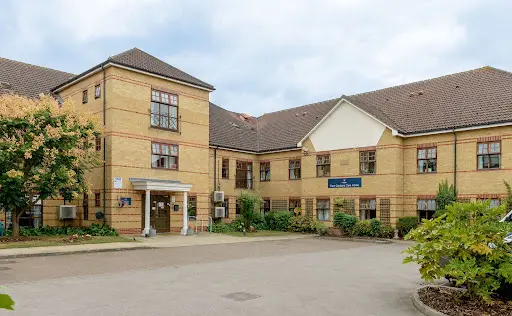
Sandbanks Resource Centre, on Beattie Close in Feltham, was assessed in August 2024 with the report published in January 2025. Inspectors rated the home Good overall, with Good ratings in Effective, Caring, Responsive, and Well-led. This is a meaningful improvement from its previous rating of Requires Improvement, and it suggests the leadership team has addressed earlier concerns in most areas. The home is run by the London Borough of Hounslow and supports 62 people, including adults living with dementia and those with physical disabilities. The one area that still carries a Requires Improvement rating is Safe. This matters. It means inspectors found something in safety, which could relate to staffing, medicines, risk management, or infection control, that was not yet meeting the standard required. The published summary does not specify the detail, so before you visit, contact the home and ask the manager directly: what was identified as Requires Improvement in the Safe domain, what has been done since the August 2024 inspection, and what evidence can they share? On your visit, ask to see the current staffing rota for a typical weekday and a weekend night shift, and count how many permanent staff names appear compared with agency cover.
The three questions to ask when you visitSave this home. Compare it against your shortlist.
Let our analysis show you how Sandbanks Resource Centre measures up against the other homes you’re considering. Free account.
In Their Own Words
How Sandbanks Resource Centre describes itself — collected from its own website. DCC has not edited or independently verified the content in this tab.
Day support centre helping adults live independently in Feltham
Dedicated residential home,rehabilitation (illness/injury) Support in Feltham
Sandbanks Resource Centre in Feltham provides day support for adults with physical disabilities and dementia. The centre works with people under and over 65, offering structured activities and personal care support throughout the day. As a resource centre rather than a residential home, it focuses on helping people maintain their independence while receiving the care they need.
Who they care for
The centre supports adults of all ages who need help with physical disabilities or are living with dementia. They provide personal care assistance and structured day programmes designed to help people stay active and engaged.
For those living with dementia, the centre offers specialised day support that helps maintain routines and social connections. Their programmes are designed to provide stimulation and companionship in a safe, structured environment.
“If you're looking for day support in Feltham, it's worth arranging a visit to see if their approach fits your family's needs.”
DCC does not edit or curate content in this tab. For independently curated information, see The Evidence and DCC Verdict.
The DCC Verdict
Our editorial view, built from the three lenses: what families tell us, what inspectors record, and how the home sits against good dementia-care practice.
DCC Family Score
Sandbanks Resource Centre scores 72 out of 100, reflecting a broadly positive inspection with Good ratings across most areas, but a Requires Improvement in Safe means there are unresolved concerns that families should ask about directly before making a decision.
Homes in London typically score 68–82.Worth a visit
Sandbanks Resource Centre, on Beattie Close in Feltham, was assessed in August 2024 with the report published in January 2025. Inspectors rated the home Good overall, with Good ratings in Effective, Caring, Responsive, and Well-led. This is a meaningful improvement from its previous rating of Requires Improvement, and it suggests the leadership team has addressed earlier concerns in most areas. The home is run by the London Borough of Hounslow and supports 62 people, including adults living with dementia and those with physical disabilities. The one area that still carries a Requires Improvement rating is Safe. This matters. It means inspectors found something in safety, which could relate to staffing, medicines, risk management, or infection control, that was not yet meeting the standard required. The published summary does not specify the detail, so before you visit, contact the home and ask the manager directly: what was identified as Requires Improvement in the Safe domain, what has been done since the August 2024 inspection, and what evidence can they share? On your visit, ask to see the current staffing rota for a typical weekday and a weekend night shift, and count how many permanent staff names appear compared with agency cover.
The three questions to ask when you visitSave this home. Compare it against your shortlist.
Let our analysis show you how Sandbanks Resource Centre measures up against the other homes you’re considering. Free account.
In Their Own Words
How Sandbanks Resource Centre describes itself — collected from its own website. DCC has not edited or independently verified the content in this tab.
Day support centre helping adults live independently in Feltham
Dedicated residential home,rehabilitation (illness/injury) Support in Feltham
Sandbanks Resource Centre in Feltham provides day support for adults with physical disabilities and dementia. The centre works with people under and over 65, offering structured activities and personal care support throughout the day. As a resource centre rather than a residential home, it focuses on helping people maintain their independence while receiving the care they need.
Who they care for
The centre supports adults of all ages who need help with physical disabilities or are living with dementia. They provide personal care assistance and structured day programmes designed to help people stay active and engaged.
For those living with dementia, the centre offers specialised day support that helps maintain routines and social connections. Their programmes are designed to provide stimulation and companionship in a safe, structured environment.
“If you're looking for day support in Feltham, it's worth arranging a visit to see if their approach fits your family's needs.”
DCC does not edit or curate content in this tab. For independently curated information, see The Evidence and DCC Verdict.