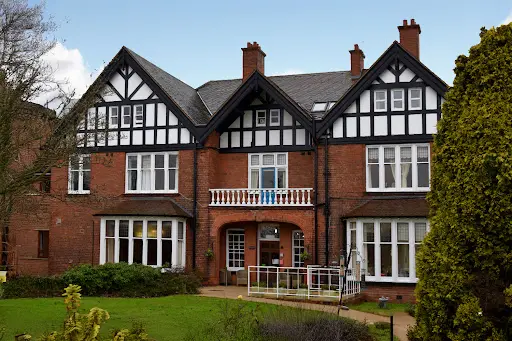
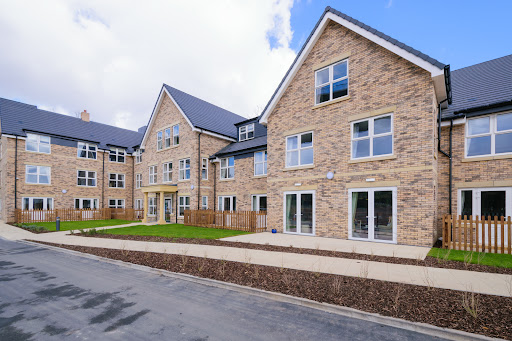
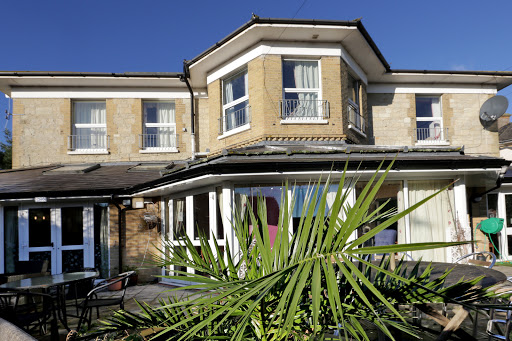
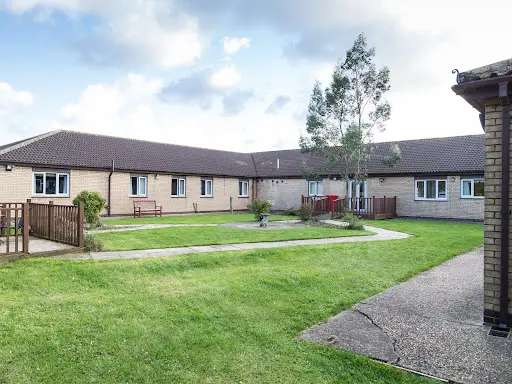
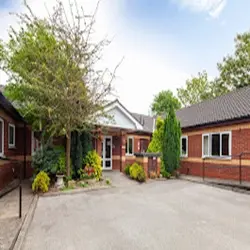
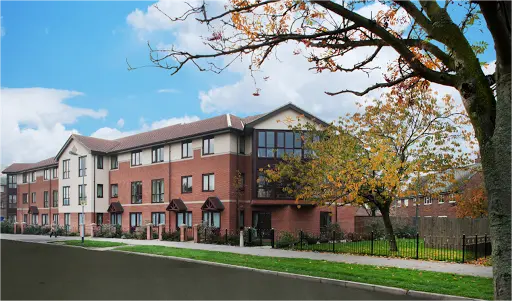
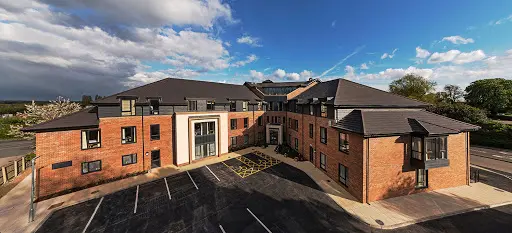
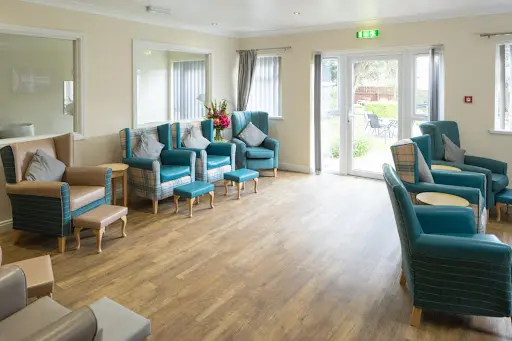
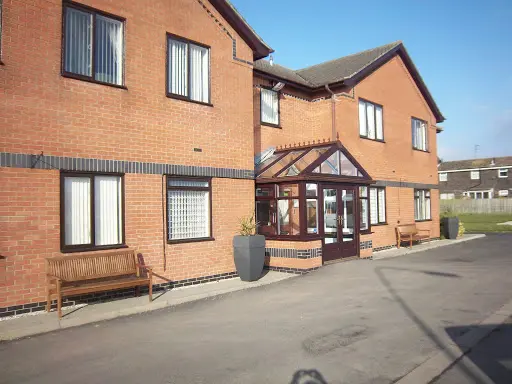
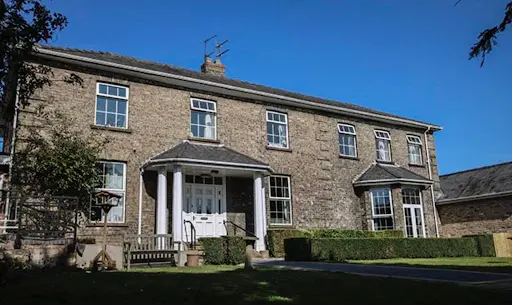
Rosewood Lodge
At a Glance
The information you need to decide whether this home warrants a closer look.
Residential homes
Staff warmth score
of reviewers answered yes
Good to know
- Registered beds20
- SpecialismsCaring for adults over 65 yrs, Dementia
- Last inspected2018-11-16
Save Rosewood Lodge to your shortlist
Keep a running list, add visit notes, and compare homes side-by-side. Free account — it takes a minute.
STAGE 4 — RESEARCHING CARE HOMES
Visit homes. Compare them side by side. Choose with confidence.
Most of us will view care homes the way we view houses, impression, atmosphere, the feeling in the corridor. We go home, try to remember what we saw, and make a permanent decision from a blurred memory.

The DCC shortlist gives every home you visit a structured record: the same twelve questions, answered the same way, every time. When you’re ready to choose, pull any two homes side by side and compare them directly. Same criteria, same evidence, your notes and your scores.
The Evidence
What the review data, the inspection reports, and the dementia-care evidence base tell us about this home.
What families say
Families talk about carers who strike just the right balance — gentle when residents need comfort, encouraging when they need motivation. There's real warmth in how the team interacts with everyone, and relatives appreciate being able to visit at times that work for them.
The eight family priority themes
- Staff warmth55
- Compassion & dignity55
- Cleanliness55
- Activities & engagement50
- Food quality50
- Healthcare52
- Management & leadership60
- Resident happiness52
What inspectors found
Inspected 2018-11-16
Is this home safe?
Is the care effective?
Rosewood Lodge was rated Good for effectiveness at its November 2018 inspection. The published text does not describe care plan content, GP access arrangements, medication management, or the nature of dementia training provided to staff. The home is registered as a specialist dementia provider, which means it should be able to evidence specific training and care approaches, but these are not described in the available findings. No concerns about effectiveness were identified during the July 2023 monitoring review.Is this home caring?
Rosewood Lodge was rated Good for caring at its November 2018 inspection. The published findings do not include descriptions of staff interactions, observations about dignity and privacy, or quotes from residents or relatives about how they are treated. Staff warmth and compassion are the themes families mention most in our review data, accounting for over half of positive reviews, but there is no inspection-recorded evidence here to confirm or describe what caring looks like at Rosewood Lodge in practice.Is the home responsive?
Rosewood Lodge was rated Good for responsiveness at its November 2018 inspection. The published text does not describe the activities programme, how the home supports individual preferences, or how end-of-life care is approached. As a registered dementia specialist, the home should be able to show how it adapts care and activities for people at different stages of dementia, including those who cannot participate in group activities, but this is not documented in the available findings.Is the home well-led?
Rosewood Lodge was rated Good for being well-led at its November 2018 inspection. A named registered manager, Mrs Victoria Maria Tyler, is confirmed as being in post. The home is owned and operated by Mr Jagath Nanda Kumar Adikaram and Mrs Antonia Adikaram. The published findings do not describe the management culture, how staff are supported, how complaints are handled, or how the home uses feedback to improve. The July 2023 monitoring review found no evidence of concerns.
Source: CQC inspection report →
What the evidence base says
Rosewood Lodge provides residential care for people over 65, including those living with dementia. The home welcomes residents with dementia as part of their wider care community. Staff understand the importance of maintaining routines and encouraging residents to stay engaged with daily life. All areas worth probing directly during a visit.
The DCC Verdict
Our editorial view, built from the three lenses: what families tell us, what inspectors record, and how the home sits against good dementia-care practice.
DCC Family Score
Rosewood Lodge holds a Good rating across all five inspection domains, but the published inspection text contains very little specific detail, meaning scores reflect confirmed ratings rather than rich observational evidence. The 68 out of 100 family score reflects a home that has passed official scrutiny but where families will need to gather much of the detail themselves on a visit.
Homes in Yorkshire & Humberside typically score 68–82.The three-lens summary
What families tell us
Families talk about carers who strike just the right balance — gentle when residents need comfort, encouraging when they need motivation. There's real warmth in how the team interacts with everyone, and relatives appreciate being able to visit at times that work for them.
What inspectors have recorded
The team keeps families well informed about their loved ones' health and daily life. Regular updates mean relatives feel connected even when they can't visit, and the staff work hard to help residents stay as independent as possible — encouraging them to dress themselves and spend time with others rather than staying in their rooms.
How it sits against good practice
If you're looking for residential care in Hessle, why not arrange a visit to see how the team at Rosewood Lodge approach daily life?
Worth a visit
Rosewood Lodge Residential Home, at 4 Southfield in Hessle, was rated Good across all five inspection domains at its last full inspection in November 2018. A monitoring review carried out in July 2023 found no evidence to suggest the rating needs to change. The home is registered for 20 beds, cares for adults over 65, and specialises in dementia. A named registered manager, Mrs Victoria Maria Tyler, is confirmed as being in post. The key limitation for families considering this home is that the published inspection text contains almost no specific observational detail: no staff interaction descriptions, no resident or family quotes, no activity examples, no mealtimes observations. A Good rating is a meaningful baseline, but it tells you the home met the standard at that point in time rather than painting a picture of daily life. The last physical inspection was in November 2018, which is now several years ago. Before deciding, visit in person, ideally unannounced or at a mealtime, and work through the questions in the checklist below. Pay particular attention to night staffing numbers, agency staff usage, and how the home supports residents living with dementia on a one-to-one basis.
The three questions to ask when you visitSave this home. Compare it against your shortlist.
Let our analysis show you how Rosewood Lodge measures up against the other homes you’re considering. Free account.
In Their Own Words
How Rosewood Lodge describes itself — collected from its own website. DCC has not edited or independently verified the content in this tab.
Where kindness meets everyday care in Hessle
Rosewood Lodge Residential Home – Your Trusted residential home
Rosewood Lodge Residential Home in Hessle brings together warm, attentive carers with a focus on keeping residents active and connected. The team here understands that small moments matter — whether that's encouraging someone to join others in the lounge or making sure families feel welcomed whenever they visit. It's residential care that values both independence and companionship.
Who they care for
Rosewood Lodge provides residential care for people over 65, including those living with dementia.
The home welcomes residents with dementia as part of their wider care community. Staff understand the importance of maintaining routines and encouraging residents to stay engaged with daily life.
“If you're looking for residential care in Hessle, why not arrange a visit to see how the team at Rosewood Lodge approach daily life?”
DCC does not edit or curate content in this tab. For independently curated information, see The Evidence and DCC Verdict.
The DCC Verdict
Our editorial view, built from the three lenses: what families tell us, what inspectors record, and how the home sits against good dementia-care practice.
DCC Family Score
Rosewood Lodge holds a Good rating across all five inspection domains, but the published inspection text contains very little specific detail, meaning scores reflect confirmed ratings rather than rich observational evidence. The 68 out of 100 family score reflects a home that has passed official scrutiny but where families will need to gather much of the detail themselves on a visit.
Homes in Yorkshire & Humberside typically score 68–82.The three-lens summary
What families tell us
Families talk about carers who strike just the right balance — gentle when residents need comfort, encouraging when they need motivation. There's real warmth in how the team interacts with everyone, and relatives appreciate being able to visit at times that work for them.
What inspectors have recorded
The team keeps families well informed about their loved ones' health and daily life. Regular updates mean relatives feel connected even when they can't visit, and the staff work hard to help residents stay as independent as possible — encouraging them to dress themselves and spend time with others rather than staying in their rooms.
How it sits against good practice
If you're looking for residential care in Hessle, why not arrange a visit to see how the team at Rosewood Lodge approach daily life?
Worth a visit
Rosewood Lodge Residential Home, at 4 Southfield in Hessle, was rated Good across all five inspection domains at its last full inspection in November 2018. A monitoring review carried out in July 2023 found no evidence to suggest the rating needs to change. The home is registered for 20 beds, cares for adults over 65, and specialises in dementia. A named registered manager, Mrs Victoria Maria Tyler, is confirmed as being in post. The key limitation for families considering this home is that the published inspection text contains almost no specific observational detail: no staff interaction descriptions, no resident or family quotes, no activity examples, no mealtimes observations. A Good rating is a meaningful baseline, but it tells you the home met the standard at that point in time rather than painting a picture of daily life. The last physical inspection was in November 2018, which is now several years ago. Before deciding, visit in person, ideally unannounced or at a mealtime, and work through the questions in the checklist below. Pay particular attention to night staffing numbers, agency staff usage, and how the home supports residents living with dementia on a one-to-one basis.
The three questions to ask when you visitSave this home. Compare it against your shortlist.
Let our analysis show you how Rosewood Lodge measures up against the other homes you’re considering. Free account.
In Their Own Words
How Rosewood Lodge describes itself — collected from its own website. DCC has not edited or independently verified the content in this tab.
Where kindness meets everyday care in Hessle
Rosewood Lodge Residential Home – Your Trusted residential home
Rosewood Lodge Residential Home in Hessle brings together warm, attentive carers with a focus on keeping residents active and connected. The team here understands that small moments matter — whether that's encouraging someone to join others in the lounge or making sure families feel welcomed whenever they visit. It's residential care that values both independence and companionship.
Who they care for
Rosewood Lodge provides residential care for people over 65, including those living with dementia.
The home welcomes residents with dementia as part of their wider care community. Staff understand the importance of maintaining routines and encouraging residents to stay engaged with daily life.
Management & ethos
The team keeps families well informed about their loved ones' health and daily life. Regular updates mean relatives feel connected even when they can't visit, and the staff work hard to help residents stay as independent as possible — encouraging them to dress themselves and spend time with others rather than staying in their rooms.
“If you're looking for residential care in Hessle, why not arrange a visit to see how the team at Rosewood Lodge approach daily life?”
DCC does not edit or curate content in this tab. For independently curated information, see The Evidence and DCC Verdict.