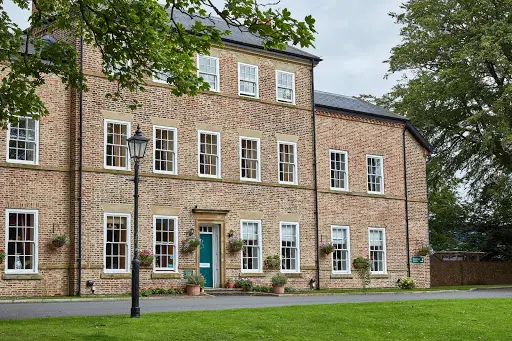
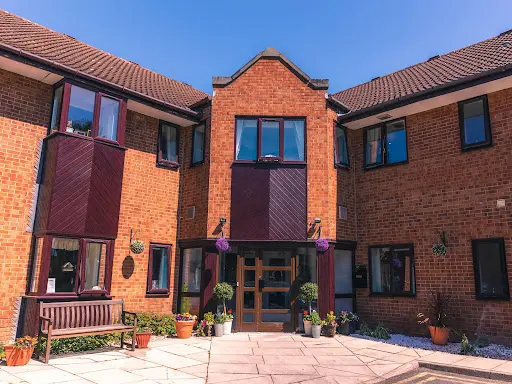
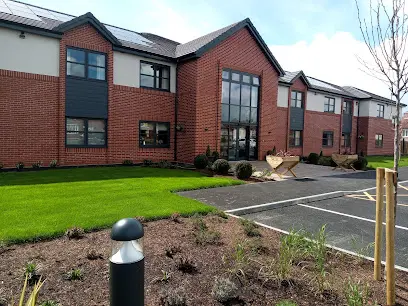
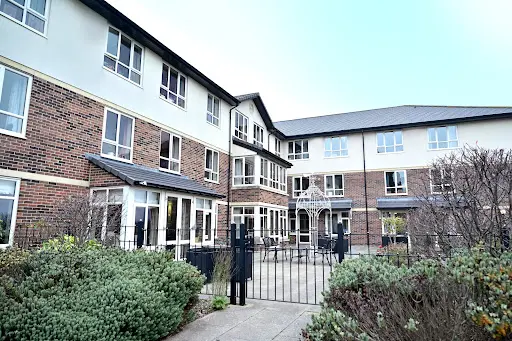
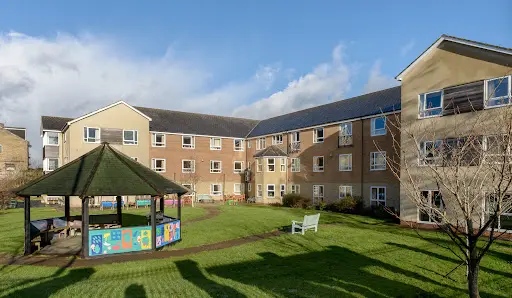
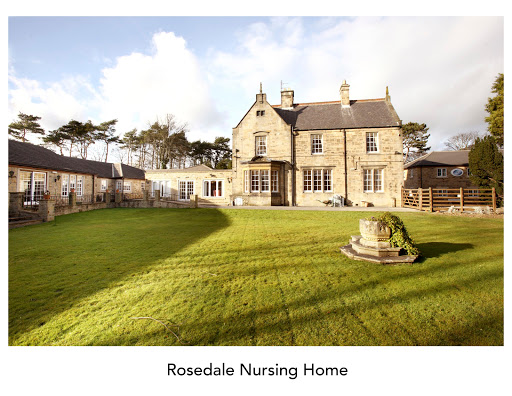
Rosedale Nursing Home & Rosedale Lodge
At a Glance
The information you need to decide whether this home warrants a closer look.
Nursing homes
Staff warmth score
of reviewers answered yes
Good to know
- Registered beds68
- SpecialismsCaring for adults over 65 yrs, Caring for adults under 65 yrs, Dementia, Physical disabilities
- Last inspected2018-01-11
Save Rosedale Nursing Home & Rosedale Lodge to your shortlist
Keep a running list, add visit notes, and compare homes side-by-side. Free account — it takes a minute.
STAGE 4 — RESEARCHING CARE HOMES
Visit homes. Compare them side by side. Choose with confidence.
Most of us will view care homes the way we view houses, impression, atmosphere, the feeling in the corridor. We go home, try to remember what we saw, and make a permanent decision from a blurred memory.

The DCC shortlist gives every home you visit a structured record: the same twelve questions, answered the same way, every time. When you’re ready to choose, pull any two homes side by side and compare them directly. Same criteria, same evidence, your notes and your scores.
The Evidence
What the review data, the inspection reports, and the dementia-care evidence base tell us about this home.
What families say
What strikes families most is seeing their relatives treated with genuine respect. People talk about residents being recognised as individuals, not just patients. The difference shows quickly — families report seeing real improvements in mood and engagement soon after moving in.
The eight family priority themes
- Staff warmth68
- Compassion & dignity68
- Cleanliness65
- Activities & engagement55
- Food quality55
- Healthcare65
- Management & leadership68
- Resident happiness65
What inspectors found
Inspected 2018-01-11
Is this home safe?
Is the care effective?
Rosedale received a Good rating for Effective at the November 2020 inspection. This domain covers training, care planning, healthcare access, and nutrition. The home lists dementia as a named specialism, and nursing registration means qualified clinical staff are required to be present. No specific detail about dementia training content, care plan review processes, GP access arrangements, or food quality is available in the published summary. The July 2023 monitoring review did not trigger a reassessment.Is this home caring?
A Good rating for Caring was awarded at the November 2020 inspection, covering staff warmth, dignity, respect, and support for independence. No direct quotes from residents or relatives, no specific inspector observations of staff interactions, and no examples of dignity practice are available in the published summary. Staff warmth and compassion are the two highest-weighted themes in DCC family review data, meaning families consider these more important than any other aspect of care. Without specific evidence from the inspection, this area cannot be scored with confidence.Is the home responsive?
A Good rating for Responsive was awarded at the November 2020 inspection, covering activities, individual engagement, and responsiveness to individual needs including end-of-life care. No activity schedule detail, no description of one-to-one engagement, and no end-of-life care examples are available in the published summary. The home caters for up to 68 people across dementia and physical disability specialisms, which means the range of individual needs is likely to be wide. Without specific evidence, the activities and individual engagement picture cannot be assessed in detail.Is the home well-led?
A Good rating for Well-led was awarded at the November 2020 inspection. A registered manager (Miss Victoria Jane Brown) and a nominated individual (Mrs Jill Veitch) are named on the registration record. The home is operated by Maria Mallaband Care Homes Limited, a larger group provider. No detail about manager tenure, staff culture, governance processes, or how the home handles complaints and learning from incidents is available in the published summary. The July 2023 monitoring review found no evidence requiring reassessment.
Source: CQC inspection report →
What the evidence base says
Rosedale cares for adults both under and over 65, including those with physical disabilities. The home also provides specialist dementia support. Several families caring for relatives with dementia have shared positive experiences here. The rapid settling and improved engagement that families describe seems particularly meaningful for those navigating dementia's challenges. All areas worth probing directly during a visit.
The DCC Verdict
Our editorial view, built from the three lenses: what families tell us, what inspectors record, and how the home sits against good dementia-care practice.
DCC Family Score
Rosedale Nursing Home holds a Good rating across all five inspection domains, which is a positive baseline. However, the most recent full inspection report dates from November 2020, meaning the detail behind every score is now over four years old and families should treat specific findings with caution.
Homes in Yorkshire & Humberside typically score 68–82.The three-lens summary
What families tell us
What strikes families most is seeing their relatives treated with genuine respect. People talk about residents being recognised as individuals, not just patients. The difference shows quickly — families report seeing real improvements in mood and engagement soon after moving in.
What inspectors have recorded
Staff here appear particularly attuned to vulnerable moments. During end-of-life care, families describe receiving visible support that helped reduce their distress. Day to day, the team comes across as approachable and caring in their interactions.
How it sits against good practice
For families who've faced disappointment elsewhere, finding somewhere that feels right matters deeply.
Worth a visit
Rosedale Nursing Home, part of the Maria Mallaband Care Homes group and located at Catterick Garrison, received a Good rating across all five inspection domains at its last full assessment in November 2020. A monitoring review in July 2023 found no evidence requiring a reassessment of that rating, which means the Good status remains current. The home is registered to care for up to 68 people, including those living with dementia and physical disabilities, and holds nursing registration, meaning qualified nurses should be on duty around the clock. The main uncertainty here is age. The inspection report is now over four years old, and the published summary contains very little specific detail about what inspectors actually saw, heard, or read during their visit. Families cannot rely on this report alone to judge whether the warmth of staff, the quality of food, the activity programme, or dementia-specific care have remained at the same standard. On a visit, ask to meet the current registered manager and ask directly: how long has the current management team been in post, what has changed since 2020, and what do recent family surveys say? Request to see the most recent Statement of Purpose, the latest internal audit results, and the current activity schedule.
The three questions to ask when you visitSave this home. Compare it against your shortlist.
Let our analysis show you how Rosedale Nursing Home & Rosedale Lodge measures up against the other homes you’re considering. Free account.
In Their Own Words
How Rosedale Nursing Home & Rosedale Lodge describes itself — collected from its own website. DCC has not edited or independently verified the content in this tab.
Families find renewed hope after difficult care journeys
Nursing home in Catterick Garrison: True Peace of Mind
When families have struggled with poor care elsewhere, finding the right place feels especially urgent. Rosedale Nursing Home in Catterick Garrison seems to offer that fresh start many seek. Several families describe how quickly their loved ones settled here, often within just days of arrival.
Who they care for
Rosedale cares for adults both under and over 65, including those with physical disabilities. The home also provides specialist dementia support.
Several families caring for relatives with dementia have shared positive experiences here. The rapid settling and improved engagement that families describe seems particularly meaningful for those navigating dementia's challenges.
“For families who've faced disappointment elsewhere, finding somewhere that feels right matters deeply.”
DCC does not edit or curate content in this tab. For independently curated information, see The Evidence and DCC Verdict.
The DCC Verdict
Our editorial view, built from the three lenses: what families tell us, what inspectors record, and how the home sits against good dementia-care practice.
DCC Family Score
Rosedale Nursing Home holds a Good rating across all five inspection domains, which is a positive baseline. However, the most recent full inspection report dates from November 2020, meaning the detail behind every score is now over four years old and families should treat specific findings with caution.
Homes in Yorkshire & Humberside typically score 68–82.The three-lens summary
What families tell us
What strikes families most is seeing their relatives treated with genuine respect. People talk about residents being recognised as individuals, not just patients. The difference shows quickly — families report seeing real improvements in mood and engagement soon after moving in.
What inspectors have recorded
Staff here appear particularly attuned to vulnerable moments. During end-of-life care, families describe receiving visible support that helped reduce their distress. Day to day, the team comes across as approachable and caring in their interactions.
How it sits against good practice
For families who've faced disappointment elsewhere, finding somewhere that feels right matters deeply.
Worth a visit
Rosedale Nursing Home, part of the Maria Mallaband Care Homes group and located at Catterick Garrison, received a Good rating across all five inspection domains at its last full assessment in November 2020. A monitoring review in July 2023 found no evidence requiring a reassessment of that rating, which means the Good status remains current. The home is registered to care for up to 68 people, including those living with dementia and physical disabilities, and holds nursing registration, meaning qualified nurses should be on duty around the clock. The main uncertainty here is age. The inspection report is now over four years old, and the published summary contains very little specific detail about what inspectors actually saw, heard, or read during their visit. Families cannot rely on this report alone to judge whether the warmth of staff, the quality of food, the activity programme, or dementia-specific care have remained at the same standard. On a visit, ask to meet the current registered manager and ask directly: how long has the current management team been in post, what has changed since 2020, and what do recent family surveys say? Request to see the most recent Statement of Purpose, the latest internal audit results, and the current activity schedule.
The three questions to ask when you visitSave this home. Compare it against your shortlist.
Let our analysis show you how Rosedale Nursing Home & Rosedale Lodge measures up against the other homes you’re considering. Free account.
In Their Own Words
How Rosedale Nursing Home & Rosedale Lodge describes itself — collected from its own website. DCC has not edited or independently verified the content in this tab.
Families find renewed hope after difficult care journeys
Nursing home in Catterick Garrison: True Peace of Mind
When families have struggled with poor care elsewhere, finding the right place feels especially urgent. Rosedale Nursing Home in Catterick Garrison seems to offer that fresh start many seek. Several families describe how quickly their loved ones settled here, often within just days of arrival.
Who they care for
Rosedale cares for adults both under and over 65, including those with physical disabilities. The home also provides specialist dementia support.
Several families caring for relatives with dementia have shared positive experiences here. The rapid settling and improved engagement that families describe seems particularly meaningful for those navigating dementia's challenges.
Management & ethos
Staff here appear particularly attuned to vulnerable moments. During end-of-life care, families describe receiving visible support that helped reduce their distress. Day to day, the team comes across as approachable and caring in their interactions.
“For families who've faced disappointment elsewhere, finding somewhere that feels right matters deeply.”
DCC does not edit or curate content in this tab. For independently curated information, see The Evidence and DCC Verdict.