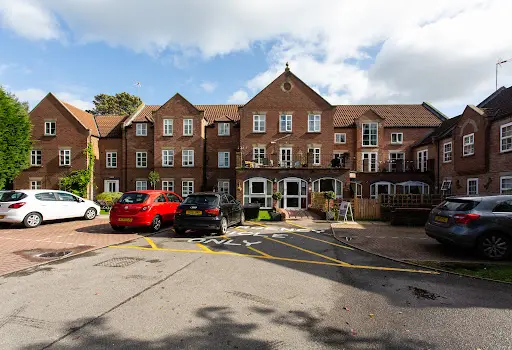
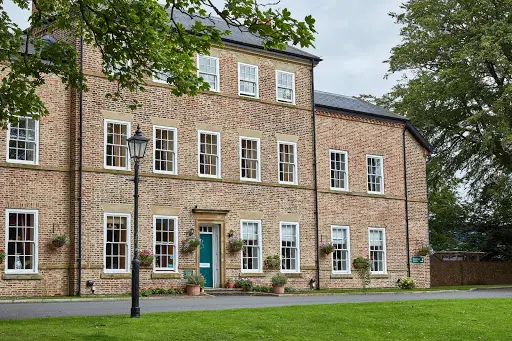
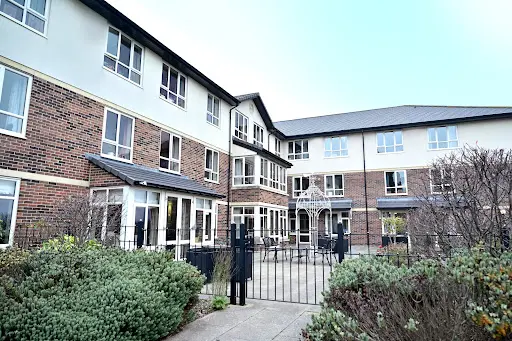
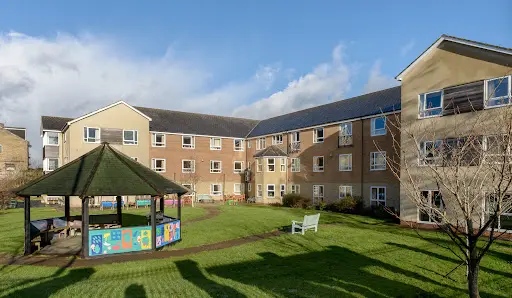
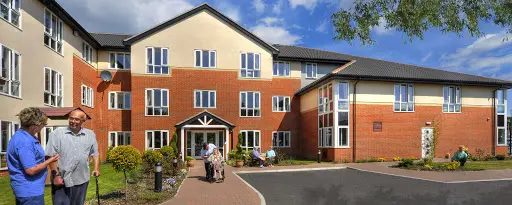
Roseberry Court Care Home
At a Glance
The information you need to decide whether this home warrants a closer look.
Residential homes
Staff warmth score
of reviewers answered yes
Good to know
- Registered beds63
- SpecialismsCaring for adults over 65 yrs, Dementia, Physical disabilities, Sensory impairment
- Last inspected2023-04-25
Save Roseberry Court Care Home to your shortlist
Keep a running list, add visit notes, and compare homes side-by-side. Free account — it takes a minute.
STAGE 4 — RESEARCHING CARE HOMES
Visit homes. Compare them side by side. Choose with confidence.
Most of us will view care homes the way we view houses, impression, atmosphere, the feeling in the corridor. We go home, try to remember what we saw, and make a permanent decision from a blurred memory.

The DCC shortlist gives every home you visit a structured record: the same twelve questions, answered the same way, every time. When you’re ready to choose, pull any two homes side by side and compare them directly. Same criteria, same evidence, your notes and your scores.
The Evidence
What the review data, the inspection reports, and the dementia-care evidence base tell us about this home.
What families say
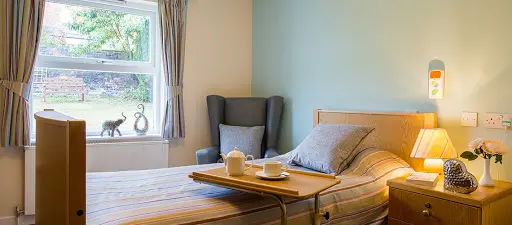
Visitors often mention how friendly the staff are — not just polite, but properly engaged with residents throughout the day. The home feels well looked after, with clean, orderly spaces and residents' rooms personalised with their own touches. There's a programme of activities too, from organised events to trips out on the minibus.
The eight family priority themes
- Staff warmth55
- Compassion & dignity58
- Cleanliness60
- Activities & engagement40
- Food quality52
- Healthcare60
- Management & leadership65
- Resident happiness55
What inspectors found
Inspected 2023-04-25
Is this home safe?
Is the care effective?
The Effective domain was rated Good, indicating inspectors were satisfied with the home's approach to training, care planning, and health monitoring. Roseberry Court operates as a residential (not nursing) home, which means GP and community health services are central to meeting health needs rather than on-site nursing. The Effective rating suggests care plans and staff training met the required standard at the time of inspection. No specific examples of dementia training content, GP access arrangements, or care plan quality were included in the published summary. The improvement from a previous Requires Improvement rating across the whole home suggests the management team has addressed earlier gaps, but families should verify what that means in practice for a parent with complex needs.Is this home caring?
The Caring domain was rated Good, which covers staff warmth, dignity, respect, and whether residents are treated as individuals. This is one of the areas that improved from the previous inspection cycle. A Good rating in Caring indicates inspectors observed or gathered evidence that staff interactions met the required standard. The published inspection summary does not include specific observations, verbatim quotes from residents or relatives, or descriptions of particular interactions. This makes it difficult to give a detailed picture of day-to-day life. Families should use a visit to form their own view of how staff interact with residents, particularly those with dementia who may not be able to speak for themselves.Is the home responsive?
The Responsive domain was rated Requires Improvement at the April 2023 inspection. This is the one area that did not improve alongside the rest of the home and remains a concern. Responsive covers whether the home provides meaningful activities tailored to individuals, whether it responds to changing needs, whether it handles complaints well, and whether end-of-life care is planned appropriately. No specific detail about what inspectors found lacking was included in the published summary. For a home of 63 people that includes residents with dementia, physical disabilities, and sensory impairments, a Requires Improvement in this domain raises real questions about whether your parent would have a purposeful daily life.Is the home well-led?
The Well-led domain was rated Good, suggesting inspectors were satisfied with the management structure, governance, and culture at Roseberry Court at the time of the April 2023 inspection. The home has a named registered manager (Miss Rikki Jay Hall) and a nominated individual (Ms Anna Gretchen Selby), which indicates a formal line of accountability is in place. The overall improvement from a previous Requires Improvement rating across the home suggests the leadership team has made meaningful changes since the last inspection cycle. No specific detail about manager visibility, staff feedback processes, or how quality is monitored day-to-day was included in the published summary. The one area that did not improve, Responsive, may indicate a gap in oversight of activities and individual engagement.
Source: CQC inspection report →
What the evidence base says
The home caters specifically for dementia, physical disabilities and sensory impairments in the over-65s. This combination means they're set up for residents whose needs might be quite complex. For residents with conditions like Alzheimer's, the team focuses on reassurance and keeping people safe as their needs change. Families mention staff staying visibly engaged with residents who have dementia, maintaining that human connection throughout the day. All areas worth probing directly during a visit.
The DCC Verdict
Our editorial view, built from the three lenses: what families tell us, what inspectors record, and how the home sits against good dementia-care practice.
DCC Family Score
Roseberry Court scores 62 out of 100, reflecting solid progress from a previous Requires Improvement rating across most areas, but held back by a continuing Requires Improvement in Responsive care, which covers activities, individual engagement, and how well the home adapts to each person's needs.
Homes in North East typically score 68–82.The three-lens summary
What families tell us
Visitors often mention how friendly the staff are — not just polite, but properly engaged with residents throughout the day. The home feels well looked after, with clean, orderly spaces and residents' rooms personalised with their own touches. There's a programme of activities too, from organised events to trips out on the minibus.
What inspectors have recorded
Staff seem to understand dementia care well, particularly when residents' needs increase. Families appreciate the proactive health updates — you're not left wondering what's happening. When people phone with questions, reception staff take time to help properly.
How it sits against good practice
If you're weighing up options in the Redcar area, it might help to see how the atmosphere feels when you visit.
Worth a visit
Roseberry Court in Redcar was rated Good overall at its most recent inspection in April 2023, having improved from a previous Requires Improvement rating. Inspectors found the home to be Good in four of the five domains: Safe, Effective, Caring, and Well-led. This is a meaningful step forward and suggests the registered management team has made genuine improvements to safety, training, and the quality of staff interactions. The main concern is the Responsive domain, which remained at Requires Improvement. This covers whether your parent will have a meaningful life here: activities, individual engagement, and whether the home adapts its approach to each person's needs. Given that Roseberry Court supports people with dementia, physical disabilities, and sensory impairments across 63 beds, tailored engagement matters greatly. The published inspection summary provides limited specific detail across all domains, so a visit is essential. Focus your questions on the activity programme, one-to-one engagement for residents who cannot join group sessions, and how the home supports someone whose needs are changing.
The three questions to ask when you visitSave this home. Compare it against your shortlist.
Let our analysis show you how Roseberry Court Care Home measures up against the other homes you’re considering. Free account.
In Their Own Words
How Roseberry Court Care Home describes itself — collected from its own website. DCC has not edited or independently verified the content in this tab.
Where friendliness meets proper dementia care in Redcar
Roseberry Court – Expert Care in Redcar
Families searching for dementia care often worry about finding somewhere that feels genuinely welcoming. Roseberry Court in Redcar seems to have found that balance between professional care and a warm atmosphere. The home specialises in dementia alongside physical disabilities and sensory impairments, supporting residents over 65.
Who they care for
The home caters specifically for dementia, physical disabilities and sensory impairments in the over-65s. This combination means they're set up for residents whose needs might be quite complex.
For residents with conditions like Alzheimer's, the team focuses on reassurance and keeping people safe as their needs change. Families mention staff staying visibly engaged with residents who have dementia, maintaining that human connection throughout the day.
“If you're weighing up options in the Redcar area, it might help to see how the atmosphere feels when you visit.”
DCC does not edit or curate content in this tab. For independently curated information, see The Evidence and DCC Verdict.
The DCC Verdict
Our editorial view, built from the three lenses: what families tell us, what inspectors record, and how the home sits against good dementia-care practice.
DCC Family Score
Roseberry Court scores 62 out of 100, reflecting solid progress from a previous Requires Improvement rating across most areas, but held back by a continuing Requires Improvement in Responsive care, which covers activities, individual engagement, and how well the home adapts to each person's needs.
Homes in North East typically score 68–82.The three-lens summary
What families tell us
Visitors often mention how friendly the staff are — not just polite, but properly engaged with residents throughout the day. The home feels well looked after, with clean, orderly spaces and residents' rooms personalised with their own touches. There's a programme of activities too, from organised events to trips out on the minibus.
What inspectors have recorded
Staff seem to understand dementia care well, particularly when residents' needs increase. Families appreciate the proactive health updates — you're not left wondering what's happening. When people phone with questions, reception staff take time to help properly.
How it sits against good practice
If you're weighing up options in the Redcar area, it might help to see how the atmosphere feels when you visit.
Worth a visit
Roseberry Court in Redcar was rated Good overall at its most recent inspection in April 2023, having improved from a previous Requires Improvement rating. Inspectors found the home to be Good in four of the five domains: Safe, Effective, Caring, and Well-led. This is a meaningful step forward and suggests the registered management team has made genuine improvements to safety, training, and the quality of staff interactions. The main concern is the Responsive domain, which remained at Requires Improvement. This covers whether your parent will have a meaningful life here: activities, individual engagement, and whether the home adapts its approach to each person's needs. Given that Roseberry Court supports people with dementia, physical disabilities, and sensory impairments across 63 beds, tailored engagement matters greatly. The published inspection summary provides limited specific detail across all domains, so a visit is essential. Focus your questions on the activity programme, one-to-one engagement for residents who cannot join group sessions, and how the home supports someone whose needs are changing.
The three questions to ask when you visitSave this home. Compare it against your shortlist.
Let our analysis show you how Roseberry Court Care Home measures up against the other homes you’re considering. Free account.
In Their Own Words
How Roseberry Court Care Home describes itself — collected from its own website. DCC has not edited or independently verified the content in this tab.
Where friendliness meets proper dementia care in Redcar
Roseberry Court – Expert Care in Redcar
Families searching for dementia care often worry about finding somewhere that feels genuinely welcoming. Roseberry Court in Redcar seems to have found that balance between professional care and a warm atmosphere. The home specialises in dementia alongside physical disabilities and sensory impairments, supporting residents over 65.
Who they care for
The home caters specifically for dementia, physical disabilities and sensory impairments in the over-65s. This combination means they're set up for residents whose needs might be quite complex.
For residents with conditions like Alzheimer's, the team focuses on reassurance and keeping people safe as their needs change. Families mention staff staying visibly engaged with residents who have dementia, maintaining that human connection throughout the day.
Management & ethos
Staff seem to understand dementia care well, particularly when residents' needs increase. Families appreciate the proactive health updates — you're not left wondering what's happening. When people phone with questions, reception staff take time to help properly.
The home & environment
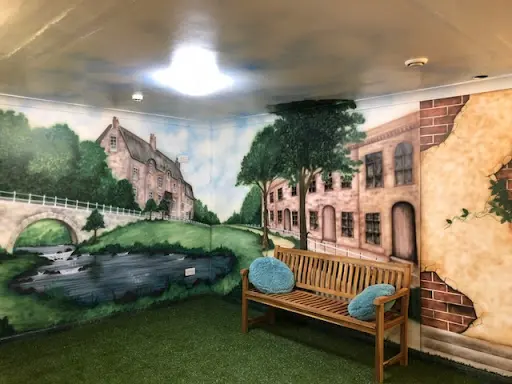
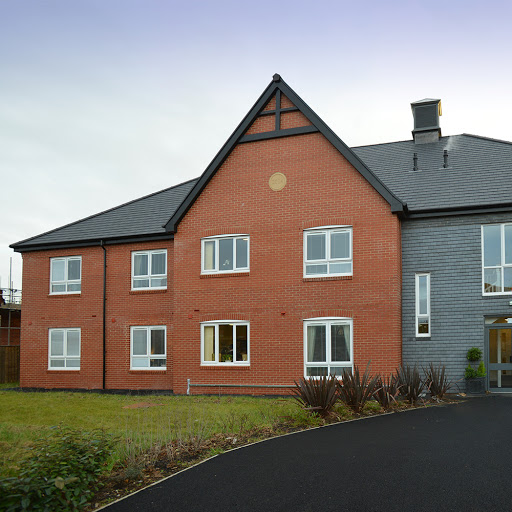
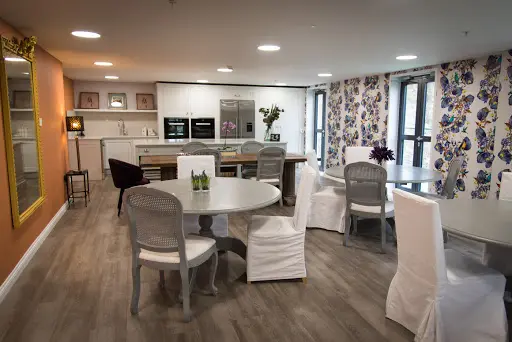
The kitchen prepares everything fresh on-site, and families say the meals look appetising and well-presented — important when you're trying to keep someone eating well. The home stays notably clean throughout, something visitors regularly pick up on. There's a hairdressing salon on-site, and the chiropodist visits regularly.
“If you're weighing up options in the Redcar area, it might help to see how the atmosphere feels when you visit.”
DCC does not edit or curate content in this tab. For independently curated information, see The Evidence and DCC Verdict.