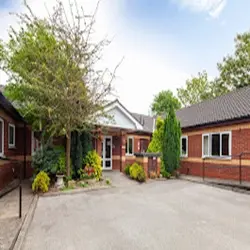
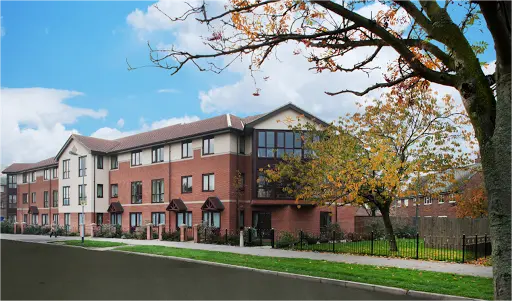
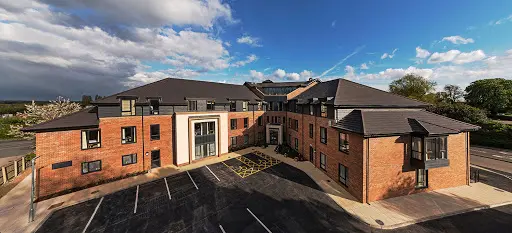
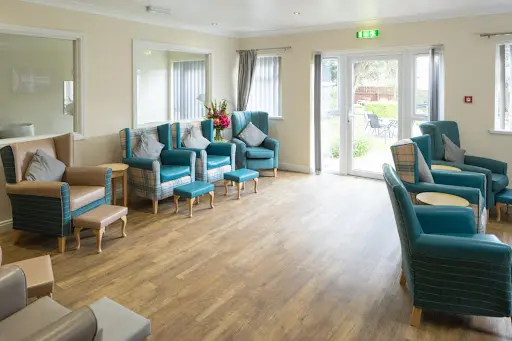
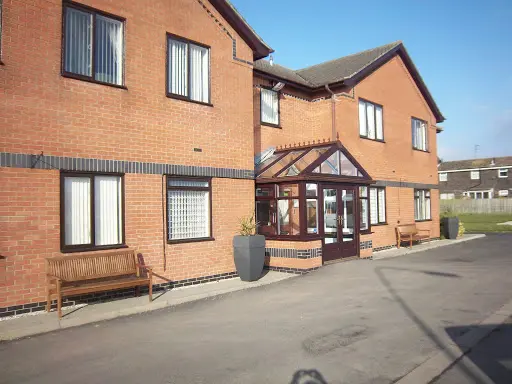
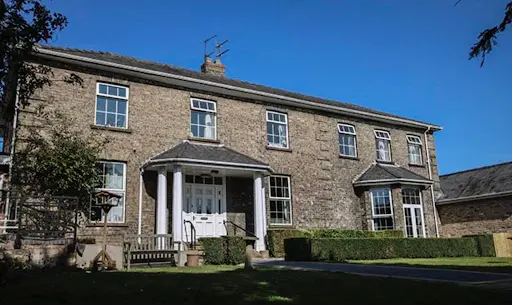
Rathside
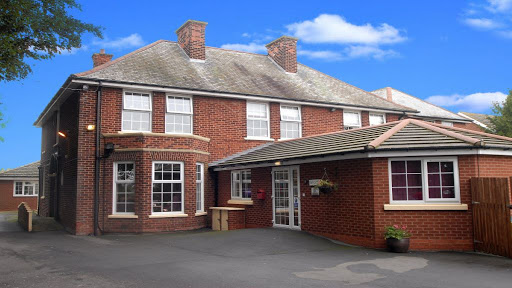
At a Glance
The information you need to decide whether this home warrants a closer look.
Residential homes
Staff warmth score
of reviewers answered yes
Good to know
- Registered beds32
- SpecialismsCaring for adults over 65 yrs, Dementia
- Last inspected2018-08-17
Save Rathside to your shortlist
Keep a running list, add visit notes, and compare homes side-by-side. Free account — it takes a minute.
STAGE 4 — RESEARCHING CARE HOMES
Visit homes. Compare them side by side. Choose with confidence.
Most of us will view care homes the way we view houses, impression, atmosphere, the feeling in the corridor. We go home, try to remember what we saw, and make a permanent decision from a blurred memory.

The DCC shortlist gives every home you visit a structured record: the same twelve questions, answered the same way, every time. When you’re ready to choose, pull any two homes side by side and compare them directly. Same criteria, same evidence, your notes and your scores.
The Evidence
What the review data, the inspection reports, and the dementia-care evidence base tell us about this home.
What families say
The eight family priority themes
- Staff warmth72
- Compassion & dignity72
- Cleanliness72
- Activities & engagement68
- Food quality68
- Healthcare70
- Management & leadership73
- Resident happiness70
What inspectors found
Inspected 2018-08-17
Is this home safe?
Is the care effective?
Effective was rated Good at the February 2026 inspection. For a home specialising in dementia care, this domain covers whether staff understand dementia well enough to provide appropriate support, whether care plans are personalised and regularly reviewed, and whether healthcare needs — including GP access, medication management, and specialist referrals — are being met. The home lists Dementia as a registered specialism. No specific examples of care planning, training content, or health outcomes are available in the published summary.Is this home caring?
Caring was rated Good at the February 2026 inspection. This domain reflects whether staff treat your parent with genuine warmth, whether dignity and privacy are upheld, and whether your parent's independence — however limited — is supported. No direct inspector observations, resident quotes, or family testimonials are available in the published text for this domain. The Good rating indicates inspectors found no concerns in this area, but specific evidence of what good caring looked like at Rathside is not available.Is the home responsive?
Responsive was rated Good at the February 2026 inspection. This domain covers whether your parent will have a life at Rathside — meaningful activities, engagement tailored to their individual abilities and interests, and support for independence in everyday life. For people living with dementia, this also includes whether end-of-life wishes are documented and respected. No details about the activities programme, individual engagement, or advance care planning are available in the published text.Is the home well-led?
Well-led was rated Good at the February 2026 inspection. Named leadership is in place: Mrs Zuzanna Malgorzata Kubacka is the Registered Manager and Mr Sukhvinder Singh Marjara is the Nominated Individual. The improvement from Requires Improvement to Good across all domains suggests that leadership has responded effectively to earlier concerns. No information about manager tenure, staff culture, governance systems, or how staff are supported to speak up is available in the published text.
Source: CQC inspection report →
What the evidence base says
The home welcomes residents over 65 and has experience supporting people with dementia. They offer both permanent residency and shorter respite stays. Dementia care is one of their specialisms. For families considering respite or permanent care for someone with dementia, it's worth asking about their specific approach and activities. All areas worth probing directly during a visit.
The DCC Verdict
Our editorial view, built from the three lenses: what families tell us, what inspectors record, and how the home sits against good dementia-care practice.
DCC Family Score
Rathside Rest Home has achieved a Good rating across all five domains following a previous Requires Improvement, which is an encouraging trajectory — but the inspection report provides limited specific detail to push scores higher with confidence.
Homes in Yorkshire & Humberside typically score 68–82.Worth a visit
Rathside Rest Home in Brigg was assessed in February 2026 and rated Good across all five inspection domains — Safe, Effective, Caring, Responsive, and Well-led. This is a meaningful improvement from its previous Requires Improvement rating, which suggests that management has taken corrective action and that the home is moving in the right direction. The home accommodates up to 32 people over 65, including those living with dementia, and has a named Registered Manager and Nominated Individual in post. The honest limitation of this report is that the full inspection text is not available beyond the headline ratings and registration details, which means we cannot verify specific evidence on any of the eight themes families care about most — from staff warmth and food quality to night staffing and dementia-specific activities. The Good ratings are genuinely positive and should not be dismissed, but they are the starting point for your due diligence, not the endpoint. When you visit, ask specifically: how many staff are on the dementia unit after 8pm, how often care plans are reviewed, and whether one-to-one engagement is available for your parent on days when group activities are not suitable.
The three questions to ask when you visitSave this home. Compare it against your shortlist.
Let our analysis show you how Rathside measures up against the other homes you’re considering. Free account.
In Their Own Words
How Rathside describes itself — collected from its own website. DCC has not edited or independently verified the content in this tab.
Caring respite support when families need a break
Rathside Rest Home – Expert Care in Brigg
Rathside Rest Home in Brigg provides respite care alongside their regular residential services for older adults. The home specialises in caring for people over 65, including those living with dementia. Located in this Yorkshire market town, they offer temporary stays when families need support.
Who they care for
The home welcomes residents over 65 and has experience supporting people with dementia. They offer both permanent residency and shorter respite stays.
Dementia care is one of their specialisms. For families considering respite or permanent care for someone with dementia, it's worth asking about their specific approach and activities.
“If you're exploring respite options or longer-term care in the Brigg area, visiting Rathside could help you understand what they offer.”
DCC does not edit or curate content in this tab. For independently curated information, see The Evidence and DCC Verdict.
The DCC Verdict
Our editorial view, built from the three lenses: what families tell us, what inspectors record, and how the home sits against good dementia-care practice.
DCC Family Score
Rathside Rest Home has achieved a Good rating across all five domains following a previous Requires Improvement, which is an encouraging trajectory — but the inspection report provides limited specific detail to push scores higher with confidence.
Homes in Yorkshire & Humberside typically score 68–82.Worth a visit
Rathside Rest Home in Brigg was assessed in February 2026 and rated Good across all five inspection domains — Safe, Effective, Caring, Responsive, and Well-led. This is a meaningful improvement from its previous Requires Improvement rating, which suggests that management has taken corrective action and that the home is moving in the right direction. The home accommodates up to 32 people over 65, including those living with dementia, and has a named Registered Manager and Nominated Individual in post. The honest limitation of this report is that the full inspection text is not available beyond the headline ratings and registration details, which means we cannot verify specific evidence on any of the eight themes families care about most — from staff warmth and food quality to night staffing and dementia-specific activities. The Good ratings are genuinely positive and should not be dismissed, but they are the starting point for your due diligence, not the endpoint. When you visit, ask specifically: how many staff are on the dementia unit after 8pm, how often care plans are reviewed, and whether one-to-one engagement is available for your parent on days when group activities are not suitable.
The three questions to ask when you visitSave this home. Compare it against your shortlist.
Let our analysis show you how Rathside measures up against the other homes you’re considering. Free account.
In Their Own Words
How Rathside describes itself — collected from its own website. DCC has not edited or independently verified the content in this tab.
Caring respite support when families need a break
Rathside Rest Home – Expert Care in Brigg
Rathside Rest Home in Brigg provides respite care alongside their regular residential services for older adults. The home specialises in caring for people over 65, including those living with dementia. Located in this Yorkshire market town, they offer temporary stays when families need support.
Who they care for
The home welcomes residents over 65 and has experience supporting people with dementia. They offer both permanent residency and shorter respite stays.
Dementia care is one of their specialisms. For families considering respite or permanent care for someone with dementia, it's worth asking about their specific approach and activities.
“If you're exploring respite options or longer-term care in the Brigg area, visiting Rathside could help you understand what they offer.”
DCC does not edit or curate content in this tab. For independently curated information, see The Evidence and DCC Verdict.