Priory Gardens Care Home
At a Glance
The information you need to decide whether this home warrants a closer look.
Nursing homes
Staff warmth score
of reviewers answered yes
Good to know
- Registered beds72
- SpecialismsCaring for adults over 65 yrs, Caring for adults under 65 yrs, Dementia
- Last inspected2019-03-16
Save Priory Gardens Care Home to your shortlist
Keep a running list, add visit notes, and compare homes side-by-side. Free account — it takes a minute.
STAGE 4 — RESEARCHING CARE HOMES
Visit homes. Compare them side by side. Choose with confidence.
Most of us will view care homes the way we view houses, impression, atmosphere, the feeling in the corridor. We go home, try to remember what we saw, and make a permanent decision from a blurred memory.

The DCC shortlist gives every home you visit a structured record: the same twelve questions, answered the same way, every time. When you’re ready to choose, pull any two homes side by side and compare them directly. Same criteria, same evidence, your notes and your scores.
The Evidence
What the review data, the inspection reports, and the dementia-care evidence base tell us about this home.
What families say
Relatives describe seeing their family members looking healthier and taking pride in their appearance again. The home organises singalongs, celebrations, and pet visits that give residents reasons to join in and connect with others.
The eight family priority themes
- Staff warmth55
- Compassion & dignity55
- Cleanliness55
- Activities & engagement50
- Food quality50
- Healthcare55
- Management & leadership65
- Resident happiness55
What inspectors found
Inspected 2019-03-16
Is this home safe?
Is the care effective?
The Effective domain was rated Good at the December 2020 inspection. This domain covers care planning, dementia-specific training, nutrition and hydration, and access to healthcare professionals including GPs. The published text does not include specific detail on training completion rates, care plan content, or how frequently plans are reviewed with families. Dementia is listed as a registered specialism, so inspectors would have considered whether staff training and care approaches reflect that. No concerns were recorded.Is this home caring?
Priory Gardens was rated Good for Caring at its December 2020 inspection. This domain covers staff warmth, dignity, respect, and whether people are supported to remain as independent as possible. The published inspection text does not include direct inspector observations of staff interactions, resident testimony about how they are treated, or specific examples of dignity practice. No concerns in this domain were recorded. A Good rating here, following a previous Inadequate, suggests that inspectors observed a positive change in how staff relate to the people who live here.Is the home responsive?
The Responsive domain was rated Good at the December 2020 inspection. This domain covers activities, engagement, whether care reflects individual preferences and histories, and end-of-life planning. The published text does not describe specific activities programmes, one-to-one engagement for people with advanced dementia, or how the home approaches end-of-life care. No concerns were recorded in this domain. For a 72-bed home with a dementia specialism, responsiveness to individual need is particularly significant, as residents' capacity and preferences can change quickly.Is the home well-led?
Priory Gardens was rated Good for Well-led at its December 2020 inspection, having previously held an Inadequate rating. A named registered manager, Miss Imogen Rose Bailey, and a nominated individual, Ms Anna Gretchen Selby, are recorded. The published text does not describe the manager's tenure, staff culture, governance processes, or how the home handles complaints and learning from incidents. The improvement from Inadequate to Good across all domains in a single inspection cycle is notable and suggests significant leadership effort, but the stability of that improvement over time is an open question given the age of the findings.
Source: CQC inspection report →
What the evidence base says
Priory Gardens cares for adults over and under 65, with particular experience supporting people living with dementia. The team understand how dementia affects daily life, structuring activities and routines that help residents feel secure and engaged. Staff work to maintain dignity and offer choices wherever possible. All areas worth probing directly during a visit.
The DCC Verdict
Our editorial view, built from the three lenses: what families tell us, what inspectors record, and how the home sits against good dementia-care practice.
DCC Family Score
Priory Gardens holds a Good rating across all five inspection domains, which is a meaningful improvement from a previous Inadequate rating. However, the published inspection text contains very limited specific detail, so most scores reflect a positive but unverified baseline rather than strong direct evidence.
Homes in Yorkshire & Humberside typically score 68–82.The three-lens summary
What families tell us
Relatives describe seeing their family members looking healthier and taking pride in their appearance again. The home organises singalongs, celebrations, and pet visits that give residents reasons to join in and connect with others.
What inspectors have recorded
The home keeps families informed through regular phone calls about appointments, care plans, and any concerns that arise. When relatives raise issues, they find management responds quickly to address them.
How it sits against good practice
If you're considering Priory Gardens, visiting in person will help you get a feel for daily life there.
Worth a visit
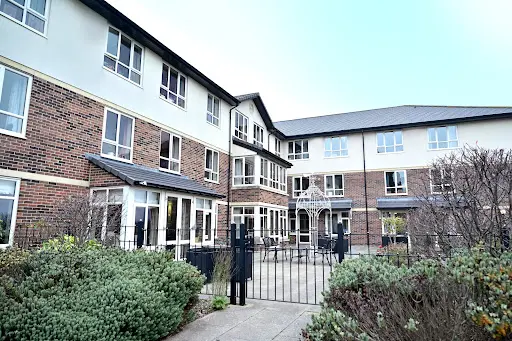
Priory Gardens, on Lady Balk Lane in Pontefract, was rated Good across all five inspection domains at its most recent inspection in December 2020. That rating represents a significant turnaround from a previous Inadequate rating, and the improvement across every domain at once is a positive signal about leadership and intent. The home is registered for 72 beds and specialises in dementia care, nursing care, and support for both older and younger adults. The main uncertainty here is the age of the published findings and the very limited specific detail they contain. The inspection was carried out in December 2020, and a monitoring review in July 2023 found no reason to change the rating, but that review was desk-based rather than a full re-inspection. You cannot rely on the rating alone to tell you what daily life is like for your parent now. On a visit, ask to see last week's actual staffing rota (including nights), ask what one-to-one activity is offered to residents who cannot join group sessions, and observe whether staff stop and talk with residents in corridors or move through them without acknowledgement. Those three things will tell you more than any published rating.
The three questions to ask when you visitSave this home. Compare it against your shortlist.
Let our analysis show you how Priory Gardens Care Home measures up against the other homes you’re considering. Free account.
In Their Own Words
How Priory Gardens Care Home describes itself — collected from its own website. DCC has not edited or independently verified the content in this tab.
Yorkshire care home helping residents rediscover daily joys
Compassionate Care in Pontefract at Priory Gardens
Families searching for care in Pontefract often discover their loved ones settling well at Priory Gardens. This Yorkshire home specialises in supporting people with dementia, with residents showing renewed interest in meals, activities, and social connections after moving in.
Who they care for
Priory Gardens cares for adults over and under 65, with particular experience supporting people living with dementia.
The team understand how dementia affects daily life, structuring activities and routines that help residents feel secure and engaged. Staff work to maintain dignity and offer choices wherever possible.
“If you're considering Priory Gardens, visiting in person will help you get a feel for daily life there.”
DCC does not edit or curate content in this tab. For independently curated information, see The Evidence and DCC Verdict.
The DCC Verdict
Our editorial view, built from the three lenses: what families tell us, what inspectors record, and how the home sits against good dementia-care practice.
DCC Family Score
Priory Gardens holds a Good rating across all five inspection domains, which is a meaningful improvement from a previous Inadequate rating. However, the published inspection text contains very limited specific detail, so most scores reflect a positive but unverified baseline rather than strong direct evidence.
Homes in Yorkshire & Humberside typically score 68–82.The three-lens summary
What families tell us
Relatives describe seeing their family members looking healthier and taking pride in their appearance again. The home organises singalongs, celebrations, and pet visits that give residents reasons to join in and connect with others.
What inspectors have recorded
The home keeps families informed through regular phone calls about appointments, care plans, and any concerns that arise. When relatives raise issues, they find management responds quickly to address them.
How it sits against good practice
If you're considering Priory Gardens, visiting in person will help you get a feel for daily life there.
Worth a visit
Priory Gardens, on Lady Balk Lane in Pontefract, was rated Good across all five inspection domains at its most recent inspection in December 2020. That rating represents a significant turnaround from a previous Inadequate rating, and the improvement across every domain at once is a positive signal about leadership and intent. The home is registered for 72 beds and specialises in dementia care, nursing care, and support for both older and younger adults. The main uncertainty here is the age of the published findings and the very limited specific detail they contain. The inspection was carried out in December 2020, and a monitoring review in July 2023 found no reason to change the rating, but that review was desk-based rather than a full re-inspection. You cannot rely on the rating alone to tell you what daily life is like for your parent now. On a visit, ask to see last week's actual staffing rota (including nights), ask what one-to-one activity is offered to residents who cannot join group sessions, and observe whether staff stop and talk with residents in corridors or move through them without acknowledgement. Those three things will tell you more than any published rating.
The three questions to ask when you visitSave this home. Compare it against your shortlist.
Let our analysis show you how Priory Gardens Care Home measures up against the other homes you’re considering. Free account.
In Their Own Words
How Priory Gardens Care Home describes itself — collected from its own website. DCC has not edited or independently verified the content in this tab.
Yorkshire care home helping residents rediscover daily joys
Compassionate Care in Pontefract at Priory Gardens
Families searching for care in Pontefract often discover their loved ones settling well at Priory Gardens. This Yorkshire home specialises in supporting people with dementia, with residents showing renewed interest in meals, activities, and social connections after moving in.
Who they care for
Priory Gardens cares for adults over and under 65, with particular experience supporting people living with dementia.
The team understand how dementia affects daily life, structuring activities and routines that help residents feel secure and engaged. Staff work to maintain dignity and offer choices wherever possible.
Management & ethos
The home keeps families informed through regular phone calls about appointments, care plans, and any concerns that arise. When relatives raise issues, they find management responds quickly to address them.
The home & environment
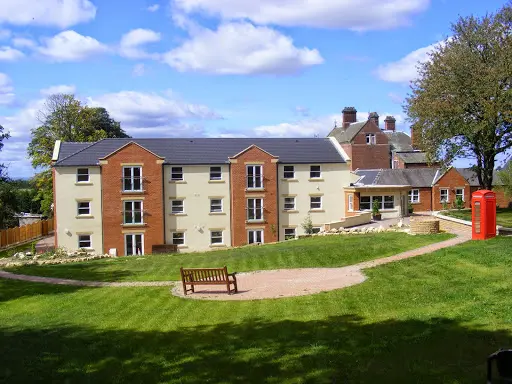
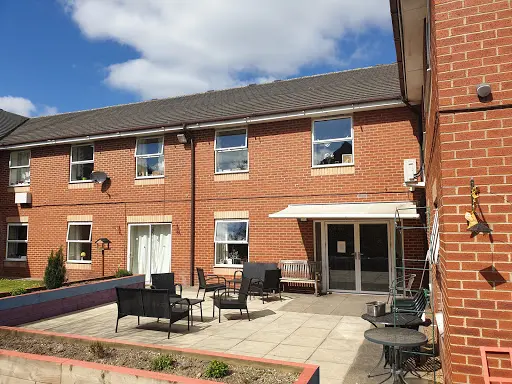
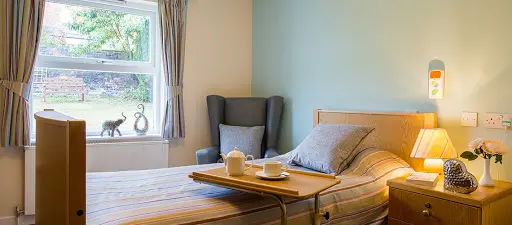
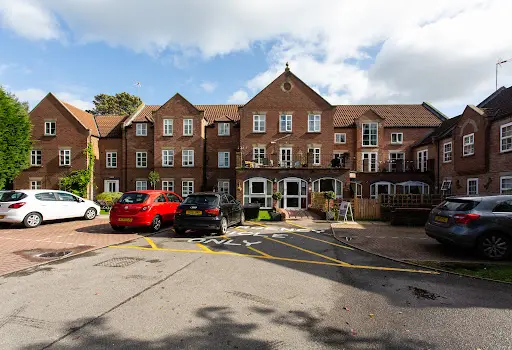
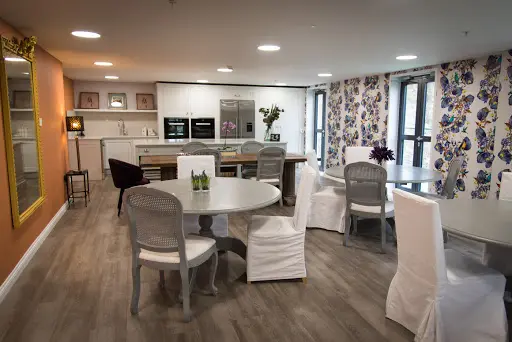
The kitchen team prepare fresh meals daily, with home baking and birthday cakes bringing genuine pleasure to mealtimes. Families appreciate the variety and quality, noting how residents who'd lost interest in food start enjoying their meals again.
“If you're considering Priory Gardens, visiting in person will help you get a feel for daily life there.”
DCC does not edit or curate content in this tab. For independently curated information, see The Evidence and DCC Verdict.