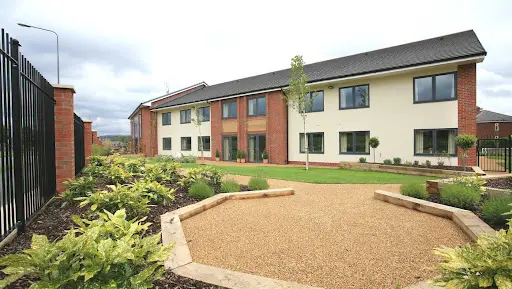
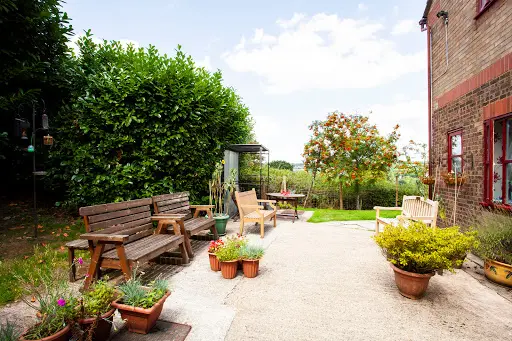
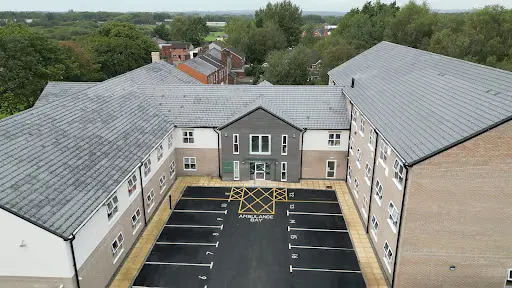
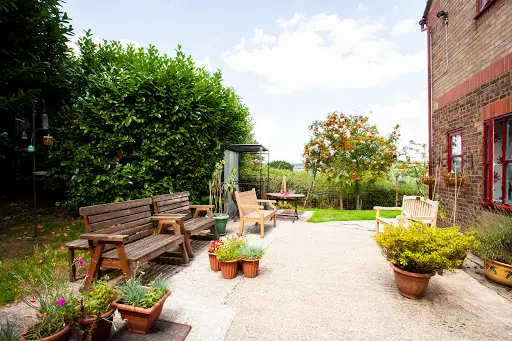
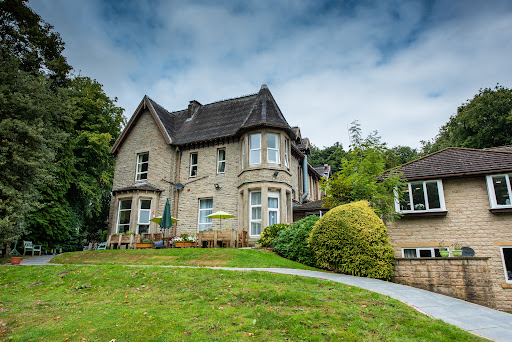
Primrose Villa Care Home
At a Glance
The information you need to decide whether this home warrants a closer look.
Residential homes
Staff warmth score
of reviewers answered yes
Good to know
- Registered beds15
- SpecialismsCaring for adults over 65 yrs, Caring for adults under 65 yrs, Dementia
- Last inspected2022-04-06
Save Primrose Villa Care Home to your shortlist
Keep a running list, add visit notes, and compare homes side-by-side. Free account — it takes a minute.
STAGE 4 — RESEARCHING CARE HOMES
Visit homes. Compare them side by side. Choose with confidence.
Most of us will view care homes the way we view houses, impression, atmosphere, the feeling in the corridor. We go home, try to remember what we saw, and make a permanent decision from a blurred memory.

The DCC shortlist gives every home you visit a structured record: the same twelve questions, answered the same way, every time. When you’re ready to choose, pull any two homes side by side and compare them directly. Same criteria, same evidence, your notes and your scores.
The Evidence
What the review data, the inspection reports, and the dementia-care evidence base tell us about this home.
What families say
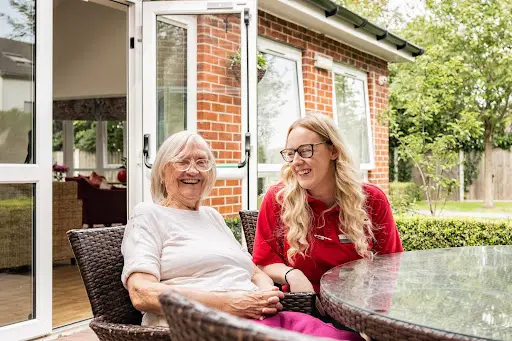
Families describe how their relatives have settled well here, with staff taking time to ensure everyone feels comfortable. The smaller scale of the home seems to help create a more personal atmosphere where individual needs don't get lost.
The eight family priority themes
- Staff warmth55
- Compassion & dignity55
- Cleanliness60
- Activities & engagement50
- Food quality50
- Healthcare55
- Management & leadership65
- Resident happiness55
What inspectors found
Inspected 2022-04-06
Is this home safe?
Is the care effective?
The home was rated Good for Effective at its March 2022 inspection. This domain covers how well the home supports residents' health, whether care plans are meaningful and kept up to date, whether staff have the right training, and whether food quality meets individual needs. No specific findings about any of these areas are described in the published inspection text. Dementia is listed as a specialism, which implies some level of dedicated training and adapted practice, but no detail is provided.Is this home caring?
Primrose Villa was rated Good for Caring at the March 2022 inspection. This domain reflects whether staff treat residents with warmth, dignity, and respect. No specific inspector observations, resident quotes, or relative feedback are published in the inspection text. The Good rating indicates that inspectors did not identify significant concerns, but it is not possible from the published text to say what specifically impressed them or what the everyday experience of kindness looks like in this home.Is the home responsive?
The home was rated Good for Responsive at the March 2022 inspection. This domain covers whether your parent would have a life at this home, including meaningful activities, individual attention, and whether complaints are taken seriously. No specific activities are described, no examples of individual tailoring are given, and no complaint-handling information is published. For a 15-bed home with a dementia specialism, the question of what engagement looks like for someone in the later stages of dementia is particularly important.Is the home well-led?
Primrose Villa was rated Good for Well-led at the March 2022 inspection, up from a previous Requires Improvement rating. A named registered manager, Miss Melissa Selina Mann, and a nominated individual, Miss Lindsey Susan Yates, are both listed. The home is run by Diamond Healthcare Ltd. No specific detail about management style, staff culture, governance processes, or how the home handles feedback is published in the inspection text. The improvement in leadership rating is the most concrete positive signal available.
Source: CQC inspection report →
What the evidence base says
The home welcomes both younger adults under 65 and older residents, providing specialist dementia support alongside general residential care. For those living with dementia, the smaller environment can feel less overwhelming. Staff have experience supporting residents through different stages of their dementia journey. All areas worth probing directly during a visit.
The DCC Verdict
Our editorial view, built from the three lenses: what families tell us, what inspectors record, and how the home sits against good dementia-care practice.
DCC Family Score
Primrose Villa improved from Requires Improvement to Good across all five inspection domains, which is a meaningful positive step. However, the published inspection text contains very little specific detail, so most scores reflect a general Good rating rather than verified observations.
Homes in North West typically score 68–82.The three-lens summary
What families tell us
Families describe how their relatives have settled well here, with staff taking time to ensure everyone feels comfortable. The smaller scale of the home seems to help create a more personal atmosphere where individual needs don't get lost.
What inspectors have recorded
Staff appear genuinely attentive to residents' daily comfort and wellbeing. Some families have mentioned difficulty getting through on the phone during busy periods, which the home may be addressing.
How it sits against good practice
The intimate scale here might particularly suit someone who prefers a quieter, more personal environment.
Worth a visit
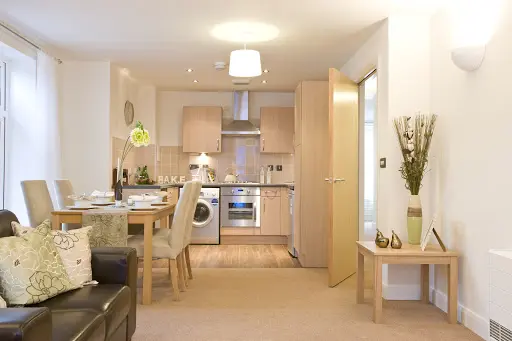
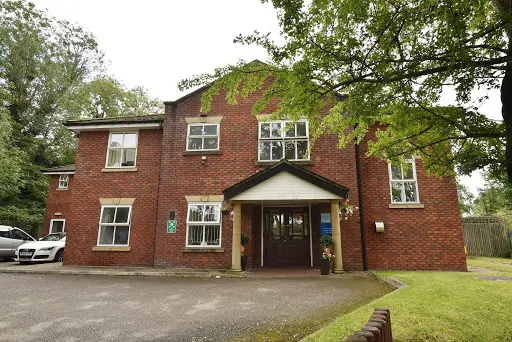
Primrose Villa Care Home, on Preston Road in Wigan, was rated Good across all five inspection domains at its last inspection in March 2022. The rating represents a genuine improvement from a previous Requires Improvement rating, which means inspectors found the home had addressed earlier concerns. It is a small home with 15 beds, registered for adults over and under 65, including people living with dementia, and is run by Diamond Healthcare Ltd with a named registered manager in post. The main limitation for families reading this report is that the published inspection text contains almost no specific detail about what inspectors actually observed. There are no quotes from residents or relatives, no descriptions of staff interactions, and no specifics about food, activities, night staffing, or the physical environment. A Good rating is a positive baseline, but it tells you very little on its own. Before visiting, prepare a short list of questions: ask how many staff are on duty overnight, whether the home uses agency staff regularly, how often care plans are reviewed with family involvement, and what activities are available for someone who cannot join a group. When you visit, watch how staff speak to residents in the corridor and whether they seem unhurried. The improvement trend is encouraging; the lack of published detail means the visit itself is essential.
The three questions to ask when you visitSave this home. Compare it against your shortlist.
Let our analysis show you how Primrose Villa Care Home measures up against the other homes you’re considering. Free account.
In Their Own Words
How Primrose Villa Care Home describes itself — collected from its own website. DCC has not edited or independently verified the content in this tab.
Small care home where comfort comes first
Dedicated residential home Support in Wigan
Primrose Villa Care Home in Wigan offers residential care in an intimate setting. This smaller care home provides support for adults of all ages, with particular expertise in dementia care. The close-knit environment means staff can focus on each person's individual comfort.
Who they care for
The home welcomes both younger adults under 65 and older residents, providing specialist dementia support alongside general residential care.
For those living with dementia, the smaller environment can feel less overwhelming. Staff have experience supporting residents through different stages of their dementia journey.
“The intimate scale here might particularly suit someone who prefers a quieter, more personal environment.”
DCC does not edit or curate content in this tab. For independently curated information, see The Evidence and DCC Verdict.
The DCC Verdict
Our editorial view, built from the three lenses: what families tell us, what inspectors record, and how the home sits against good dementia-care practice.
DCC Family Score
Primrose Villa improved from Requires Improvement to Good across all five inspection domains, which is a meaningful positive step. However, the published inspection text contains very little specific detail, so most scores reflect a general Good rating rather than verified observations.
Homes in North West typically score 68–82.The three-lens summary
What families tell us
Families describe how their relatives have settled well here, with staff taking time to ensure everyone feels comfortable. The smaller scale of the home seems to help create a more personal atmosphere where individual needs don't get lost.
What inspectors have recorded
Staff appear genuinely attentive to residents' daily comfort and wellbeing. Some families have mentioned difficulty getting through on the phone during busy periods, which the home may be addressing.
How it sits against good practice
The intimate scale here might particularly suit someone who prefers a quieter, more personal environment.
Worth a visit
Primrose Villa Care Home, on Preston Road in Wigan, was rated Good across all five inspection domains at its last inspection in March 2022. The rating represents a genuine improvement from a previous Requires Improvement rating, which means inspectors found the home had addressed earlier concerns. It is a small home with 15 beds, registered for adults over and under 65, including people living with dementia, and is run by Diamond Healthcare Ltd with a named registered manager in post. The main limitation for families reading this report is that the published inspection text contains almost no specific detail about what inspectors actually observed. There are no quotes from residents or relatives, no descriptions of staff interactions, and no specifics about food, activities, night staffing, or the physical environment. A Good rating is a positive baseline, but it tells you very little on its own. Before visiting, prepare a short list of questions: ask how many staff are on duty overnight, whether the home uses agency staff regularly, how often care plans are reviewed with family involvement, and what activities are available for someone who cannot join a group. When you visit, watch how staff speak to residents in the corridor and whether they seem unhurried. The improvement trend is encouraging; the lack of published detail means the visit itself is essential.
The three questions to ask when you visitSave this home. Compare it against your shortlist.
Let our analysis show you how Primrose Villa Care Home measures up against the other homes you’re considering. Free account.
In Their Own Words
How Primrose Villa Care Home describes itself — collected from its own website. DCC has not edited or independently verified the content in this tab.
Small care home where comfort comes first
Dedicated residential home Support in Wigan
Primrose Villa Care Home in Wigan offers residential care in an intimate setting. This smaller care home provides support for adults of all ages, with particular expertise in dementia care. The close-knit environment means staff can focus on each person's individual comfort.
Who they care for
The home welcomes both younger adults under 65 and older residents, providing specialist dementia support alongside general residential care.
For those living with dementia, the smaller environment can feel less overwhelming. Staff have experience supporting residents through different stages of their dementia journey.
Management & ethos
Staff appear genuinely attentive to residents' daily comfort and wellbeing. Some families have mentioned difficulty getting through on the phone during busy periods, which the home may be addressing.
“The intimate scale here might particularly suit someone who prefers a quieter, more personal environment.”
DCC does not edit or curate content in this tab. For independently curated information, see The Evidence and DCC Verdict.