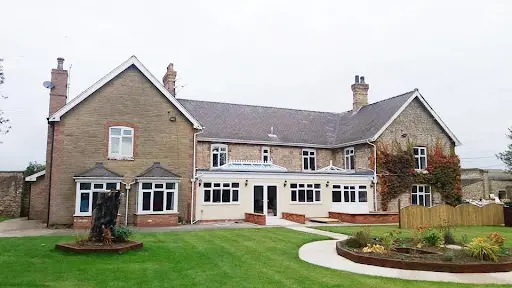
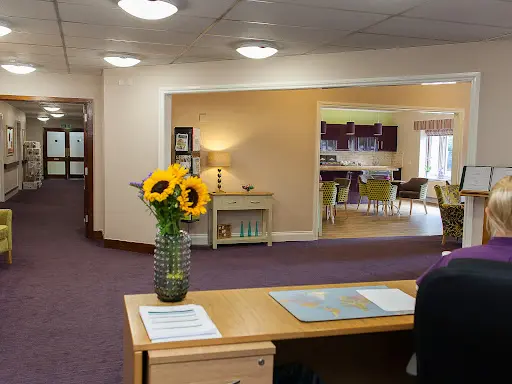
Orchard Court Care Home
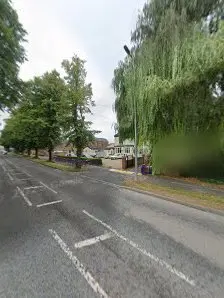
At a Glance
The information you need to decide whether this home warrants a closer look.
Residential homes
Staff warmth score
of reviewers answered yes
Good to know
- Registered beds41
- SpecialismsCaring for adults over 65 yrs, Caring for adults under 65 yrs, Dementia, Physical disabilities
- Last inspected2018-11-23
Save Orchard Court Care Home to your shortlist
Keep a running list, add visit notes, and compare homes side-by-side. Free account — it takes a minute.
STAGE 4 — RESEARCHING CARE HOMES
Visit homes. Compare them side by side. Choose with confidence.
Most of us will view care homes the way we view houses, impression, atmosphere, the feeling in the corridor. We go home, try to remember what we saw, and make a permanent decision from a blurred memory.

The DCC shortlist gives every home you visit a structured record: the same twelve questions, answered the same way, every time. When you’re ready to choose, pull any two homes side by side and compare them directly. Same criteria, same evidence, your notes and your scores.
The Evidence
What the review data, the inspection reports, and the dementia-care evidence base tell us about this home.
What families say
Families talk about seeing real changes in their relatives — people who'd become withdrawn now taking part in activities and celebrations. There's a sense that staff know residents well enough to spot when something's different and adjust their approach accordingly.
The eight family priority themes
- Staff warmth72
- Compassion & dignity72
- Cleanliness70
- Activities & engagement88
- Food quality65
- Healthcare68
- Management & leadership88
- Resident happiness75
What inspectors found
Inspected 2018-11-23
Is this home safe?
Is the care effective?
The Effective domain was rated Good at the September 2018 inspection. This domain covers training, care planning, healthcare access, and nutrition. A Good rating indicates inspectors were satisfied with the standard across these areas, but the published summary does not include specific detail on dementia training content, GP access arrangements, or how care plans are reviewed and updated. The home lists dementia as a registered specialism, which implies a baseline expectation of dementia-specific knowledge and practice.Is this home caring?
The Caring domain was rated Good at the September 2018 inspection. This domain focuses on whether staff treat people with warmth, dignity, and respect, and whether people's independence is supported. A Good rating means inspectors found sufficient positive evidence, but no specific observations, such as staff using preferred names, knocking before entering rooms, or taking an unhurried pace, are reproduced in the published summary. No resident or relative quotes are available from this inspection.Is the home responsive?
The Responsive domain was rated Outstanding at the September 2018 inspection. This is the highest grade inspectors award and requires strong, specific evidence that the home tailors its response to the individual needs, preferences, and wishes of each person. An Outstanding Responsive rating typically means inspectors found activities and engagement that go beyond a standard programme, care planning that genuinely reflects individual histories, and arrangements for people who cannot participate in group activities. The specific evidence underpinning this rating is not reproduced in the published summary.Is the home well-led?
The Well-led domain was rated Outstanding at the September 2018 inspection, the same high grade as Responsive. This domain assesses whether leadership is visible and stable, whether staff feel supported and able to raise concerns, and whether the home uses feedback and incident data to improve. A named registered manager, Mrs Tracy Jane Mussett, and a nominated individual, Mr Christopher Dean Clark, are on record. A July 2023 review of available data did not lead to a reassessment of the rating. The specific evidence inspectors used to award Outstanding is not reproduced in the published summary.
Source: CQC inspection report →
What the evidence base says
The home provides residential care for adults of all ages, including those living with dementia or physical disabilities. For those living with dementia, the team shows experience in recognising changing needs and adapting their care approach to maintain quality of life. All areas worth probing directly during a visit.
The DCC Verdict
Our editorial view, built from the three lenses: what families tell us, what inspectors record, and how the home sits against good dementia-care practice.
DCC Family Score
The home earned an Outstanding overall rating, lifted by exceptional scores in responsiveness and leadership, though the published inspection report contains limited specific detail across several family priorities, so some scores reflect the rating grade rather than observed specifics.
Homes in Yorkshire & Humberside typically score 68–82.The three-lens summary
What families tell us
Families talk about seeing real changes in their relatives — people who'd become withdrawn now taking part in activities and celebrations. There's a sense that staff know residents well enough to spot when something's different and adjust their approach accordingly.
What inspectors have recorded
How it sits against good practice
If you're looking for care in the Brigg area, visiting Orchard Court could help you get a feel for their approach to supporting residents through life's changes.
Worth a visit
Orchard Court Residential Home Limited, at 7 Wrawby Road, Brigg, was rated Outstanding at its last inspection in September 2018, improving from its previous Good rating. Inspectors awarded Outstanding in two domains: how well the home responds to individual needs, and how it is led and managed. The remaining three domains, covering safety, effectiveness, and the quality of caring interactions, were each rated Good. The home supports 41 people, including those living with dementia and physical disabilities, and is led by a named registered manager. The key limitation here is that this inspection took place in September 2018, more than six years ago. A review of available data in July 2023 did not prompt a reassessment, but that is not the same as a fresh inspection. Standards, staff teams, and management can all change significantly over that period. When you visit, ask how long the current manager has been in post, request to see the most recent staffing rota to check permanent versus agency cover, and ask specifically what individual activities are available for someone who cannot join a group session. These questions will tell you whether the Outstanding standard has been maintained.
The three questions to ask when you visitSave this home. Compare it against your shortlist.
Let our analysis show you how Orchard Court Care Home measures up against the other homes you’re considering. Free account.
In Their Own Words
How Orchard Court Care Home describes itself — collected from its own website. DCC has not edited or independently verified the content in this tab.
Where residents rediscover their spark through responsive daily care
Orchard Court Residential Home Limited – Expert Care in Brigg
When care truly works, you see it in small moments — a resident joining in activities they'd withdrawn from, or staff noticing subtle changes before families do. Orchard Court Residential Home in Brigg shows these signs of attentive care, with families describing how their loved ones have found renewed engagement here.
Who they care for
The home provides residential care for adults of all ages, including those living with dementia or physical disabilities.
For those living with dementia, the team shows experience in recognising changing needs and adapting their care approach to maintain quality of life.
“If you're looking for care in the Brigg area, visiting Orchard Court could help you get a feel for their approach to supporting residents through life's changes.”
DCC does not edit or curate content in this tab. For independently curated information, see The Evidence and DCC Verdict.
The DCC Verdict
Our editorial view, built from the three lenses: what families tell us, what inspectors record, and how the home sits against good dementia-care practice.
DCC Family Score
The home earned an Outstanding overall rating, lifted by exceptional scores in responsiveness and leadership, though the published inspection report contains limited specific detail across several family priorities, so some scores reflect the rating grade rather than observed specifics.
Homes in Yorkshire & Humberside typically score 68–82.The three-lens summary
What families tell us
Families talk about seeing real changes in their relatives — people who'd become withdrawn now taking part in activities and celebrations. There's a sense that staff know residents well enough to spot when something's different and adjust their approach accordingly.
What inspectors have recorded
How it sits against good practice
If you're looking for care in the Brigg area, visiting Orchard Court could help you get a feel for their approach to supporting residents through life's changes.
Worth a visit
Orchard Court Residential Home Limited, at 7 Wrawby Road, Brigg, was rated Outstanding at its last inspection in September 2018, improving from its previous Good rating. Inspectors awarded Outstanding in two domains: how well the home responds to individual needs, and how it is led and managed. The remaining three domains, covering safety, effectiveness, and the quality of caring interactions, were each rated Good. The home supports 41 people, including those living with dementia and physical disabilities, and is led by a named registered manager. The key limitation here is that this inspection took place in September 2018, more than six years ago. A review of available data in July 2023 did not prompt a reassessment, but that is not the same as a fresh inspection. Standards, staff teams, and management can all change significantly over that period. When you visit, ask how long the current manager has been in post, request to see the most recent staffing rota to check permanent versus agency cover, and ask specifically what individual activities are available for someone who cannot join a group session. These questions will tell you whether the Outstanding standard has been maintained.
The three questions to ask when you visitSave this home. Compare it against your shortlist.
Let our analysis show you how Orchard Court Care Home measures up against the other homes you’re considering. Free account.
In Their Own Words
How Orchard Court Care Home describes itself — collected from its own website. DCC has not edited or independently verified the content in this tab.
Where residents rediscover their spark through responsive daily care
Orchard Court Residential Home Limited – Expert Care in Brigg
When care truly works, you see it in small moments — a resident joining in activities they'd withdrawn from, or staff noticing subtle changes before families do. Orchard Court Residential Home in Brigg shows these signs of attentive care, with families describing how their loved ones have found renewed engagement here.
Who they care for
The home provides residential care for adults of all ages, including those living with dementia or physical disabilities.
For those living with dementia, the team shows experience in recognising changing needs and adapting their care approach to maintain quality of life.
“If you're looking for care in the Brigg area, visiting Orchard Court could help you get a feel for their approach to supporting residents through life's changes.”
DCC does not edit or curate content in this tab. For independently curated information, see The Evidence and DCC Verdict.