OSJCT Willowcroft
At a Glance
The information you need to decide whether this home warrants a closer look.
Residential homes
Staff warmth score
of reviewers answered yes
Good to know
- Registered beds42
- SpecialismsCaring for adults over 65 yrs, Caring for adults under 65 yrs, Dementia
- Last inspected2022-05-21
Save OSJCT Willowcroft to your shortlist
Keep a running list, add visit notes, and compare homes side-by-side. Free account — it takes a minute.
STAGE 4 — RESEARCHING CARE HOMES
Visit homes. Compare them side by side. Choose with confidence.
Most of us will view care homes the way we view houses, impression, atmosphere, the feeling in the corridor. We go home, try to remember what we saw, and make a permanent decision from a blurred memory.

The DCC shortlist gives every home you visit a structured record: the same twelve questions, answered the same way, every time. When you’re ready to choose, pull any two homes side by side and compare them directly. Same criteria, same evidence, your notes and your scores.
The Evidence
What the review data, the inspection reports, and the dementia-care evidence base tell us about this home.
What families say
Families talk about walking into a lively atmosphere where staff and residents chat and laugh together throughout the day. People feel their loved ones are genuinely valued here, not just looked after. The warmth extends to visitors too — families find themselves encouraged to pop in whenever they like and even volunteer if they want to stay involved.
The eight family priority themes
- Staff warmth72
- Compassion & dignity72
- Cleanliness70
- Activities & engagement68
- Food quality68
- Healthcare70
- Management & leadership72
- Resident happiness70
What inspectors found
Inspected 2022-05-21
Is this home safe?
Is the care effective?
The Effective domain was rated Good at the April 2022 inspection. The published report does not include specific observations about care planning, dementia training, GP access, medicines administration, or food quality. A Good rating confirms no significant concerns were identified, but there is no published narrative to draw on for specific detail about how well the home knows and responds to each person's individual needs. The home's dementia registration means inspectors should have assessed training and care planning with dementia in mind.Is this home caring?
The Caring domain was rated Good at the April 2022 inspection. The published report does not include direct observations of staff interactions, quotes from residents or relatives about kindness or dignity, or descriptions of how staff respond to distress. A Good rating confirms inspectors did not find concerning practice, but there is no narrative to share about the day-to-day warmth of care. Staff warmth and compassion are the two highest-weighted themes in our family review data, so this is the domain where you will need to gather your own evidence on a visit.Is the home responsive?
The Responsive domain was rated Good at the April 2022 inspection. The published report does not include detail about the activity programme, individual engagement, end-of-life care, or how the home responds to changing needs. A Good rating confirms no significant concerns, but there is no published narrative about what daily life looks like for your parent at this home. The home's dementia registration means responsiveness to individual communication needs and behavioural changes should have been part of the assessment.Is the home well-led?
The Well-led domain was rated Good at the April 2022 inspection. Miss Carol Louise Wootton is named as the registered manager and Mr James Norman Robson as the nominated individual, confirming a formal management structure. The home is operated by The Orders of St John Care Trust, a national charitable provider. The published report does not include specific observations about management visibility, staff culture, governance processes, or how the home acts on feedback from residents and families. A Good rating indicates no significant leadership concerns were identified.
Source: CQC inspection report →
What the evidence base says
Willowcroft welcomes adults both under and over 65, with particular experience in dementia care. The home's approach to dementia focuses on maintaining each person's sense of identity and choice. Staff work to understand what brings joy to residents living with dementia, whether that's time with the resident animals or simply having their preferences remembered and respected each day. All areas worth probing directly during a visit.
The DCC Verdict
Our editorial view, built from the three lenses: what families tell us, what inspectors record, and how the home sits against good dementia-care practice.
DCC Family Score
OSJCT Willowcroft received a Good rating across all five domains at its April 2022 inspection, which is a positive baseline, but the published report text contains very limited specific detail, so scores sit in the mid-range reflecting confirmed positive ratings rather than rich, observable evidence.
Homes in South West typically score 68–82.The three-lens summary
What families tell us
Families talk about walking into a lively atmosphere where staff and residents chat and laugh together throughout the day. People feel their loved ones are genuinely valued here, not just looked after. The warmth extends to visitors too — families find themselves encouraged to pop in whenever they like and even volunteer if they want to stay involved.
What inspectors have recorded
What stands out is how staff remember the small things that matter to each resident, keeping those connections strong even through difficult times. When the pandemic hit, the team worked hard to maintain their usual standards of care. Families particularly value how staff support them through end-of-life care with real compassion and attention.
How it sits against good practice
For families seeking somewhere their loved one can continue to live life on their own terms, Willowcroft offers genuine possibilities.
Worth a visit
OSJCT Willowcroft, on Odstock Road in Salisbury, was rated Good across all five inspection domains at its most recent inspection in April 2022, published in May 2022. The home is run by The Orders of St John Care Trust, a national charitable organisation, and has a named registered manager in post. It is registered to care for up to 42 people, including adults with dementia and adults under 65, which covers younger-onset dementia. A stable Good rating across all domains is a solid foundation. The main limitation of this report is that the published inspection text contains very little specific narrative detail about what inspectors actually saw, heard, or recorded. That means there are no direct quotes from residents or relatives, no descriptions of staff interactions, and no evidence about night staffing, activities, food, or care planning to share with you here. Before you make a decision, visit in person and use the checklist questions above to fill those gaps yourself. Pay particular attention to night staffing ratios for 42 beds, how the home supports people who can no longer join group activities, and how the team communicates with families when something changes.
The three questions to ask when you visitSave this home. Compare it against your shortlist.
Let our analysis show you how OSJCT Willowcroft measures up against the other homes you’re considering. Free account.
In Their Own Words
How OSJCT Willowcroft describes itself — collected from its own website. DCC has not edited or independently verified the content in this tab.
Where laughter fills the corridors and residents shape their own days
OSJCT Willowcroft – Expert Care in Salisbury
Step into Willowcroft in Salisbury and you'll quickly notice something special — the sound of genuine laughter echoing through the lounges. This OSJCT care home has built its reputation on creating a place where residents don't just receive care, but actively shape how they want to live. From choosing which animals join the household to deciding how to decorate their rooms, people here have real say in their daily lives.
Who they care for
Willowcroft welcomes adults both under and over 65, with particular experience in dementia care.
The home's approach to dementia focuses on maintaining each person's sense of identity and choice. Staff work to understand what brings joy to residents living with dementia, whether that's time with the resident animals or simply having their preferences remembered and respected each day.
“For families seeking somewhere their loved one can continue to live life on their own terms, Willowcroft offers genuine possibilities.”
DCC does not edit or curate content in this tab. For independently curated information, see The Evidence and DCC Verdict.
The DCC Verdict
Our editorial view, built from the three lenses: what families tell us, what inspectors record, and how the home sits against good dementia-care practice.
DCC Family Score
OSJCT Willowcroft received a Good rating across all five domains at its April 2022 inspection, which is a positive baseline, but the published report text contains very limited specific detail, so scores sit in the mid-range reflecting confirmed positive ratings rather than rich, observable evidence.
Homes in South West typically score 68–82.The three-lens summary
What families tell us
Families talk about walking into a lively atmosphere where staff and residents chat and laugh together throughout the day. People feel their loved ones are genuinely valued here, not just looked after. The warmth extends to visitors too — families find themselves encouraged to pop in whenever they like and even volunteer if they want to stay involved.
What inspectors have recorded
What stands out is how staff remember the small things that matter to each resident, keeping those connections strong even through difficult times. When the pandemic hit, the team worked hard to maintain their usual standards of care. Families particularly value how staff support them through end-of-life care with real compassion and attention.
How it sits against good practice
For families seeking somewhere their loved one can continue to live life on their own terms, Willowcroft offers genuine possibilities.
Worth a visit
OSJCT Willowcroft, on Odstock Road in Salisbury, was rated Good across all five inspection domains at its most recent inspection in April 2022, published in May 2022. The home is run by The Orders of St John Care Trust, a national charitable organisation, and has a named registered manager in post. It is registered to care for up to 42 people, including adults with dementia and adults under 65, which covers younger-onset dementia. A stable Good rating across all domains is a solid foundation. The main limitation of this report is that the published inspection text contains very little specific narrative detail about what inspectors actually saw, heard, or recorded. That means there are no direct quotes from residents or relatives, no descriptions of staff interactions, and no evidence about night staffing, activities, food, or care planning to share with you here. Before you make a decision, visit in person and use the checklist questions above to fill those gaps yourself. Pay particular attention to night staffing ratios for 42 beds, how the home supports people who can no longer join group activities, and how the team communicates with families when something changes.
The three questions to ask when you visitSave this home. Compare it against your shortlist.
Let our analysis show you how OSJCT Willowcroft measures up against the other homes you’re considering. Free account.
In Their Own Words
How OSJCT Willowcroft describes itself — collected from its own website. DCC has not edited or independently verified the content in this tab.
Where laughter fills the corridors and residents shape their own days
OSJCT Willowcroft – Expert Care in Salisbury
Step into Willowcroft in Salisbury and you'll quickly notice something special — the sound of genuine laughter echoing through the lounges. This OSJCT care home has built its reputation on creating a place where residents don't just receive care, but actively shape how they want to live. From choosing which animals join the household to deciding how to decorate their rooms, people here have real say in their daily lives.
Who they care for
Willowcroft welcomes adults both under and over 65, with particular experience in dementia care.
The home's approach to dementia focuses on maintaining each person's sense of identity and choice. Staff work to understand what brings joy to residents living with dementia, whether that's time with the resident animals or simply having their preferences remembered and respected each day.
Management & ethos
What stands out is how staff remember the small things that matter to each resident, keeping those connections strong even through difficult times. When the pandemic hit, the team worked hard to maintain their usual standards of care. Families particularly value how staff support them through end-of-life care with real compassion and attention.
The home & environment
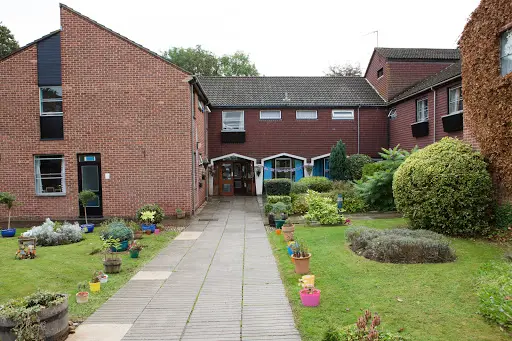
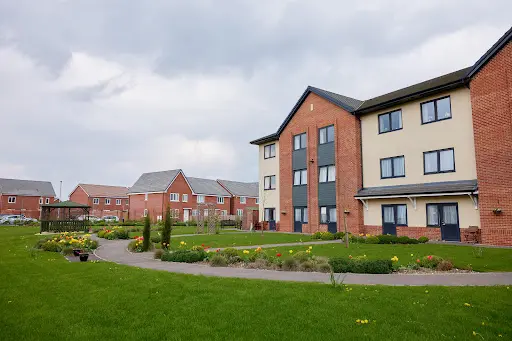
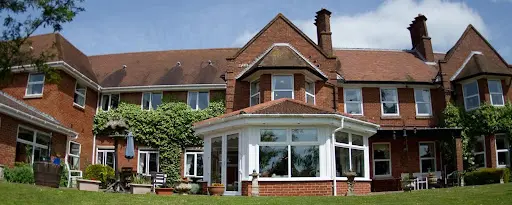
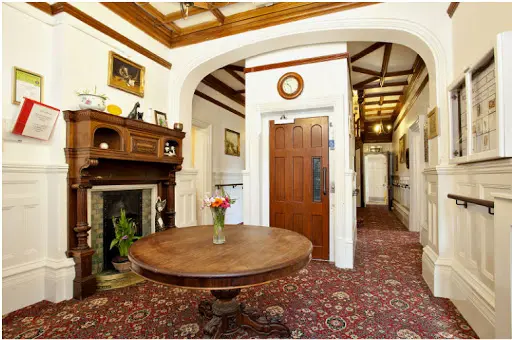
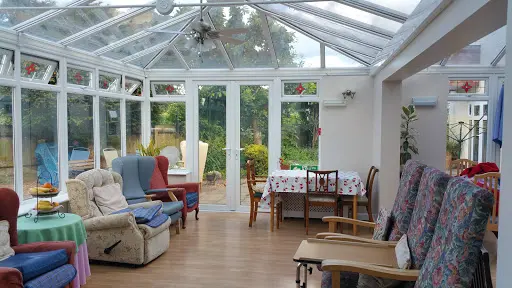
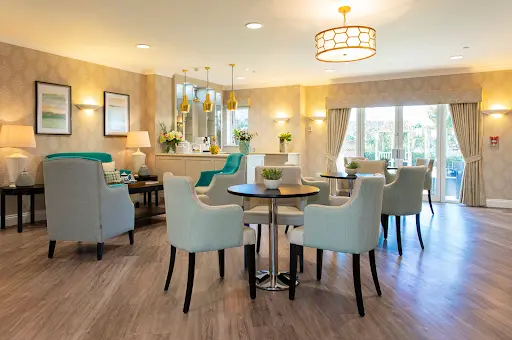
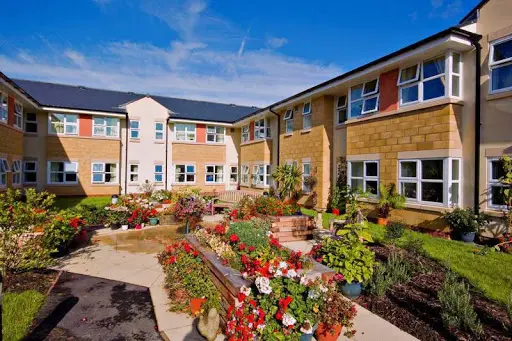
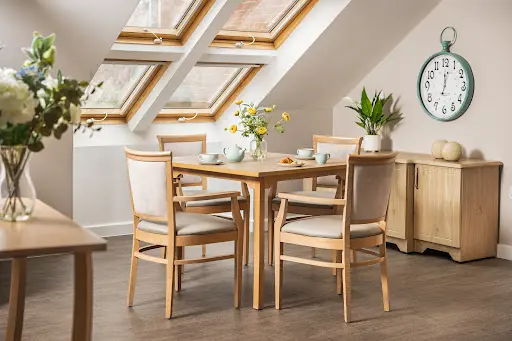
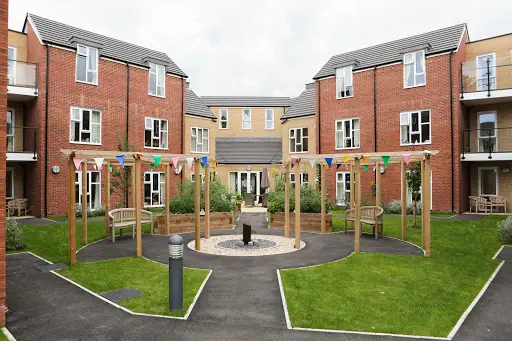
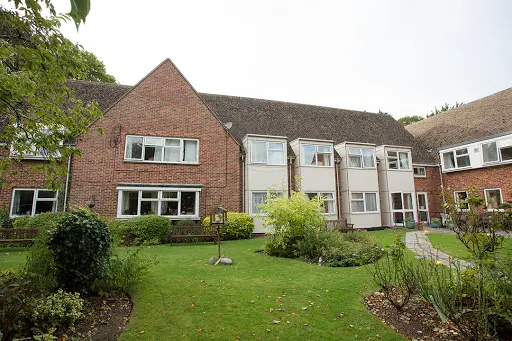
The home offers plenty of space for different moods and activities, with several lounges and dining areas giving residents choice about where to spend their time. There's an enclosed garden for those who enjoy being outdoors, and bedrooms are a good size for making properly personal.
“For families seeking somewhere their loved one can continue to live life on their own terms, Willowcroft offers genuine possibilities.”
DCC does not edit or curate content in this tab. For independently curated information, see The Evidence and DCC Verdict.