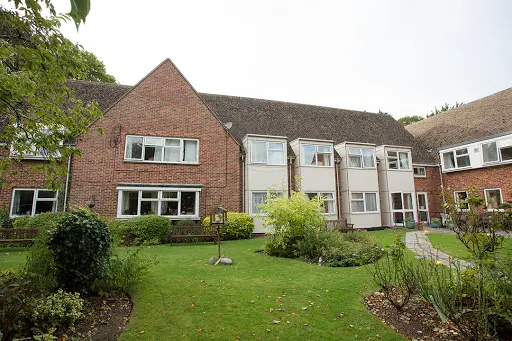
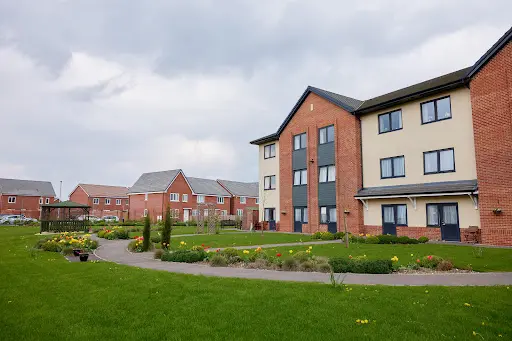
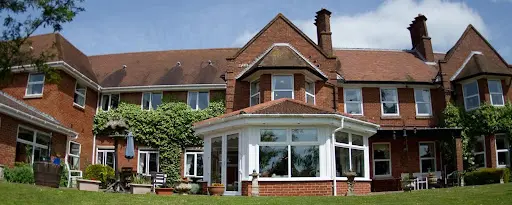
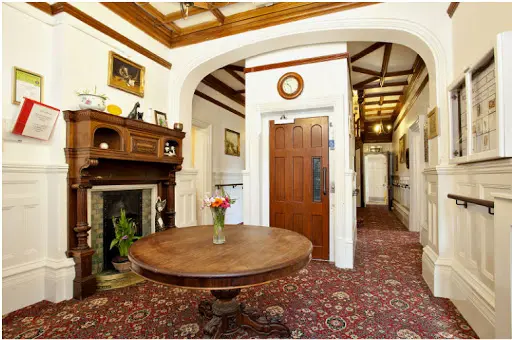
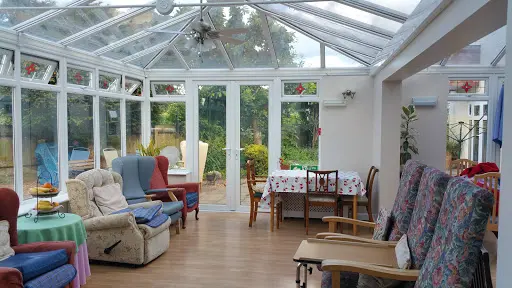
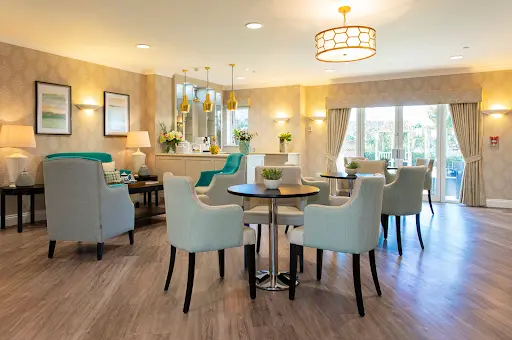
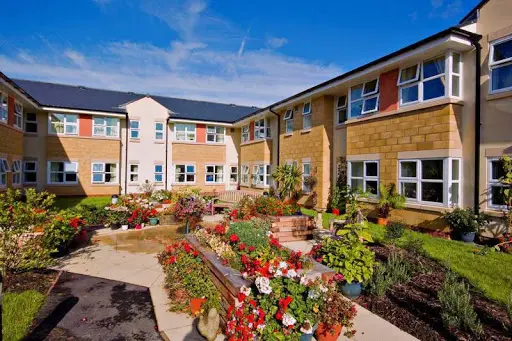
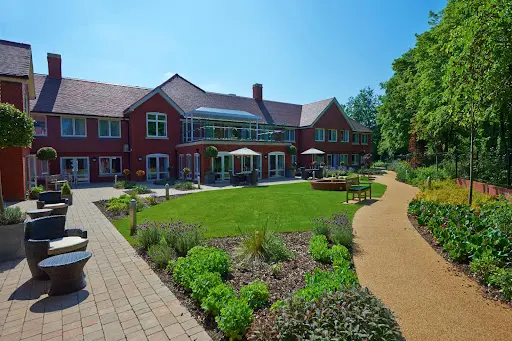
OSJCT Bemerton Lodge
At a Glance
The information you need to decide whether this home warrants a closer look.
Residential homes
Staff warmth score
of reviewers answered yes
Good to know
- Registered beds56
- SpecialismsCaring for adults over 65 yrs, Caring for adults under 65 yrs, Dementia
- Last inspected2021-12-23
Save OSJCT Bemerton Lodge to your shortlist
Keep a running list, add visit notes, and compare homes side-by-side. Free account — it takes a minute.
STAGE 4 — RESEARCHING CARE HOMES
Visit homes. Compare them side by side. Choose with confidence.
Most of us will view care homes the way we view houses, impression, atmosphere, the feeling in the corridor. We go home, try to remember what we saw, and make a permanent decision from a blurred memory.

The DCC shortlist gives every home you visit a structured record: the same twelve questions, answered the same way, every time. When you’re ready to choose, pull any two homes side by side and compare them directly. Same criteria, same evidence, your notes and your scores.
The Evidence
What the review data, the inspection reports, and the dementia-care evidence base tell us about this home.
What families say
Families often mention how the atmosphere feels different here — less like an institution and more like a genuine community where people belong. Residents seem to keep their spark, with many families reporting that their relatives have actually become happier and healthier during their time at the home. Staff create an environment where people feel heard and valued.
The eight family priority themes
- Staff warmth72
- Compassion & dignity72
- Cleanliness70
- Activities & engagement60
- Food quality60
- Healthcare68
- Management & leadership74
- Resident happiness68
What inspectors found
Inspected 2021-12-23
Is this home safe?
Is the care effective?
The Effective domain was rated Good. This domain covers training, care planning, access to healthcare professionals, and food. The home lists dementia as a specialism, which means inspectors will have looked at whether staff have appropriate dementia-specific training and whether care plans reflect individual needs. No specific findings about training content, GP access, meal quality, or care plan detail are included in the published text.Is this home caring?
The Caring domain was rated Good. This covers staff warmth, dignity, respect, and how well staff know the individual behind the diagnosis. Inspectors assess this by observing interactions, speaking with residents, and reviewing whether staff use preferred names and respond appropriately to emotional need. No direct observations, staff interactions, or resident quotes are included in the published summary for this home.Is the home responsive?
The Responsive domain was rated Good. This covers whether the home provides activities and engagement tailored to individuals, responds to changing needs, and supports residents to maintain independence. For a home with a dementia specialism, inspectors will have considered whether activities go beyond group sessions to include one-to-one engagement for people who cannot join groups. No specific activities, individual engagement examples, or resident feedback are included in the published text.Is the home well-led?
The Well-led domain was rated Good. A named registered manager, Mrs Rebecca Elizabeth Kilgour, is in post, and a nominated individual, Mr James Norman Robson, provides organisational oversight. The home is operated by The Orders of St. John Care Trust, a not-for-profit charitable provider. The improvement from a previous Requires Improvement rating to Good across all domains suggests leadership identified and addressed earlier shortfalls. No specific details about management culture, staff feedback mechanisms, or governance processes are recorded in the published text.
Source: CQC inspection report →
What the evidence base says
Bemerton Lodge provides residential care for adults over 65, with specific expertise in dementia support. The home also accommodates younger adults who need care. For residents living with dementia, the emphasis on maintaining dignity and respecting individual choices becomes even more important. Staff work to preserve each person's sense of self and autonomy wherever possible. All areas worth probing directly during a visit.
The DCC Verdict
Our editorial view, built from the three lenses: what families tell us, what inspectors record, and how the home sits against good dementia-care practice.
DCC Family Score
OSJCT Bemerton Lodge earned a Good rating across all five inspection domains, improving from a previous Requires Improvement rating. The published report is brief and lacks specific observations, quotes, or detailed evidence, so scores reflect confirmed ratings rather than rich inspection detail.
Homes in South West typically score 68–82.The three-lens summary
What families tell us
Families often mention how the atmosphere feels different here — less like an institution and more like a genuine community where people belong. Residents seem to keep their spark, with many families reporting that their relatives have actually become happier and healthier during their time at the home. Staff create an environment where people feel heard and valued.
What inspectors have recorded
The team here responds quickly when families raise concerns, addressing issues directly rather than letting them drift. What stands out most is how staff maintain their caring approach even during the hardest times — families whose relatives needed end-of-life support describe feeling genuinely supported by staff who showed real emotion and compassion.
How it sits against good practice
Sometimes the smallest details reveal the most — like how staff remember what makes each resident smile.
Worth a visit
OSJCT Bemerton Lodge, on Christie Miller Road in Salisbury, was rated Good at its last inspection in November 2021, with Good awarded across all five domains: safe, effective, caring, responsive, and well-led. This is a meaningful improvement from a previous Requires Improvement rating, which tells you the leadership team identified what was going wrong and fixed it. The home is run by The Orders of St. John Care Trust, a well-established not-for-profit provider, and has a named registered manager in post. The main uncertainty here is the limited detail in the published inspection findings. The report confirms the ratings but provides no direct inspector observations, no quotes from residents or relatives, and no specific examples of care in practice. That means you cannot use this report alone to judge whether the warmth, the activities, or the dementia care are genuinely strong. On your visit, ask to see the last month's staffing rota to check how many permanent versus agency staff cover nights on the dementia unit, and spend time in a communal area to watch how staff respond when a resident needs support.
The three questions to ask when you visitSave this home. Compare it against your shortlist.
Let our analysis show you how OSJCT Bemerton Lodge measures up against the other homes you’re considering. Free account.
In Their Own Words
How OSJCT Bemerton Lodge describes itself — collected from its own website. DCC has not edited or independently verified the content in this tab.
Where dignity and genuine warmth shape every single day
OSJCT Bemerton Lodge – Your Trusted residential home
When families describe the care at Bemerton Lodge in Salisbury, they talk about something deeper than good service. They speak of staff who show real respect for each resident, who listen when someone wants to do things their own way, and who bring authentic cheerfulness to daily routines. This OSJCT home has built its reputation on treating people as individuals, not just residents.
Who they care for
Bemerton Lodge provides residential care for adults over 65, with specific expertise in dementia support. The home also accommodates younger adults who need care.
For residents living with dementia, the emphasis on maintaining dignity and respecting individual choices becomes even more important. Staff work to preserve each person's sense of self and autonomy wherever possible.
“Sometimes the smallest details reveal the most — like how staff remember what makes each resident smile.”
DCC does not edit or curate content in this tab. For independently curated information, see The Evidence and DCC Verdict.
The DCC Verdict
Our editorial view, built from the three lenses: what families tell us, what inspectors record, and how the home sits against good dementia-care practice.
DCC Family Score
OSJCT Bemerton Lodge earned a Good rating across all five inspection domains, improving from a previous Requires Improvement rating. The published report is brief and lacks specific observations, quotes, or detailed evidence, so scores reflect confirmed ratings rather than rich inspection detail.
Homes in South West typically score 68–82.The three-lens summary
What families tell us
Families often mention how the atmosphere feels different here — less like an institution and more like a genuine community where people belong. Residents seem to keep their spark, with many families reporting that their relatives have actually become happier and healthier during their time at the home. Staff create an environment where people feel heard and valued.
What inspectors have recorded
The team here responds quickly when families raise concerns, addressing issues directly rather than letting them drift. What stands out most is how staff maintain their caring approach even during the hardest times — families whose relatives needed end-of-life support describe feeling genuinely supported by staff who showed real emotion and compassion.
How it sits against good practice
Sometimes the smallest details reveal the most — like how staff remember what makes each resident smile.
Worth a visit
OSJCT Bemerton Lodge, on Christie Miller Road in Salisbury, was rated Good at its last inspection in November 2021, with Good awarded across all five domains: safe, effective, caring, responsive, and well-led. This is a meaningful improvement from a previous Requires Improvement rating, which tells you the leadership team identified what was going wrong and fixed it. The home is run by The Orders of St. John Care Trust, a well-established not-for-profit provider, and has a named registered manager in post. The main uncertainty here is the limited detail in the published inspection findings. The report confirms the ratings but provides no direct inspector observations, no quotes from residents or relatives, and no specific examples of care in practice. That means you cannot use this report alone to judge whether the warmth, the activities, or the dementia care are genuinely strong. On your visit, ask to see the last month's staffing rota to check how many permanent versus agency staff cover nights on the dementia unit, and spend time in a communal area to watch how staff respond when a resident needs support.
The three questions to ask when you visitSave this home. Compare it against your shortlist.
Let our analysis show you how OSJCT Bemerton Lodge measures up against the other homes you’re considering. Free account.
In Their Own Words
How OSJCT Bemerton Lodge describes itself — collected from its own website. DCC has not edited or independently verified the content in this tab.
Where dignity and genuine warmth shape every single day
OSJCT Bemerton Lodge – Your Trusted residential home
When families describe the care at Bemerton Lodge in Salisbury, they talk about something deeper than good service. They speak of staff who show real respect for each resident, who listen when someone wants to do things their own way, and who bring authentic cheerfulness to daily routines. This OSJCT home has built its reputation on treating people as individuals, not just residents.
Who they care for
Bemerton Lodge provides residential care for adults over 65, with specific expertise in dementia support. The home also accommodates younger adults who need care.
For residents living with dementia, the emphasis on maintaining dignity and respecting individual choices becomes even more important. Staff work to preserve each person's sense of self and autonomy wherever possible.
Management & ethos
The team here responds quickly when families raise concerns, addressing issues directly rather than letting them drift. What stands out most is how staff maintain their caring approach even during the hardest times — families whose relatives needed end-of-life support describe feeling genuinely supported by staff who showed real emotion and compassion.
“Sometimes the smallest details reveal the most — like how staff remember what makes each resident smile.”
DCC does not edit or curate content in this tab. For independently curated information, see The Evidence and DCC Verdict.