Mount Olivet Nursing Home
At a Glance
The information you need to decide whether this home warrants a closer look.
Nursing homes
Staff warmth score
of reviewers answered yes
Good to know
- Registered beds30
- SpecialismsDementia
- Last inspected2023-06-27
Save Mount Olivet Nursing Home to your shortlist
Keep a running list, add visit notes, and compare homes side-by-side. Free account — it takes a minute.
STAGE 4 — RESEARCHING CARE HOMES
Visit homes. Compare them side by side. Choose with confidence.
Most of us will view care homes the way we view houses, impression, atmosphere, the feeling in the corridor. We go home, try to remember what we saw, and make a permanent decision from a blurred memory.

The DCC shortlist gives every home you visit a structured record: the same twelve questions, answered the same way, every time. When you’re ready to choose, pull any two homes side by side and compare them directly. Same criteria, same evidence, your notes and your scores.
The Evidence
What the review data, the inspection reports, and the dementia-care evidence base tell us about this home.
What families say
Those who've spent time here mention how friendly the staff are when you arrive. Family members particularly value how approachable the team is, making it easier to talk about their loved one's needs and preferences.
The eight family priority themes
- Staff warmth55
- Compassion & dignity55
- Cleanliness60
- Activities & engagement50
- Food quality50
- Healthcare60
- Management & leadership45
- Resident happiness55
What inspectors found
Inspected 2023-06-27
Is this home safe?
Is the care effective?
The Effective domain was rated Good at the October 2024 inspection. This domain covers training, care planning, healthcare access, nutrition, and how well the home understands and responds to each person's needs. No detailed narrative from this domain is included in the published summary. A Good rating indicates inspectors were satisfied that the home's systems for training, care plans, and healthcare were working. The home specialises in dementia, which means the quality of dementia-specific training and care planning is particularly important.Is this home caring?
The Caring domain was rated Good at the October 2024 inspection. This domain covers whether staff are kind, whether people are treated with dignity and respect, whether privacy is maintained, and whether independence is encouraged. No detailed narrative observations are included in the published summary. A Good rating in Caring suggests inspectors observed or gathered evidence of respectful treatment. The home's earlier Outstanding rating indicates this was previously an area of particular strength.Is the home responsive?
The Responsive domain was rated Good at the October 2024 inspection. This domain covers activities, how the home responds to individual needs and preferences, complaints handling, and end-of-life care. No detailed narrative is included in the published summary. A Good rating indicates inspectors were satisfied that the home was responding to residents as individuals. For a dementia-specialist home of 30 beds, responsiveness to individual communication and behavioural needs is particularly important.Is the home well-led?
The Well-led domain was rated Requires Improvement at the October 2024 inspection. This is the domain that caused the overall rating to decline from the previous Outstanding. Well-led covers management culture, governance, accountability, how the home learns from incidents, and whether staff feel supported and empowered. The registered manager, Mrs Jodie Louise Nelder, is also the nominated individual and the organisation owner under GrayAreas Limited. No detailed narrative from this domain is included in the published summary, so the specific reasons for the Requires Improvement rating are not publicly available in this data.
Source: CQC inspection report →
What the evidence base says
The home focuses on dementia care, supporting residents at different stages of their journey. Staff work to help residents with dementia feel settled and content in their daily lives. The team's friendly, patient approach seems to make a real difference in helping people adjust to their new surroundings. All areas worth probing directly during a visit.
The DCC Verdict
Our editorial view, built from the three lenses: what families tell us, what inspectors record, and how the home sits against good dementia-care practice.
DCC Family Score
Mount Olivet Nursing Home scores 62 out of 100. Four domains were rated Good at the most recent inspection, but Well-led was rated Requires Improvement, and the overall rating has declined from a previous Outstanding, which means there are real questions to explore before you decide.
Homes in South West typically score 68–82.The three-lens summary
What families tell us
Those who've spent time here mention how friendly the staff are when you arrive. Family members particularly value how approachable the team is, making it easier to talk about their loved one's needs and preferences.
What inspectors have recorded
How it sits against good practice
If you're considering Mount Olivet for someone you love, visiting in person will give you the clearest sense of whether it feels right.
Worth a visit
Mount Olivet Nursing Home, a 30-bed dementia nursing home in Paignton, was most recently inspected in October 2024, with the report published in March 2025. Four of the five domains, Safe, Effective, Caring, and Responsive, were rated Good. The home is registered and active, and the registered manager, Mrs Jodie Louise Nelder, is also the nominated individual, meaning one person holds clear accountability for the service. The significant concern here is that the overall rating has declined from a previous Outstanding to Requires Improvement, driven by the Well-led domain. That is a meaningful fall and it deserves direct investigation. A home that was once Outstanding can regain that standard, but it can also continue to decline. On a visit, ask the manager directly what changed, what the improvement plan is, and how progress is being measured. The published report does not include detailed narrative or inspection observations, so most of what matters to your family, staff warmth, food quality, dementia environment, night staffing, and activities, will need to be assessed by you in person.
The three questions to ask when you visitSave this home. Compare it against your shortlist.
Let our analysis show you how Mount Olivet Nursing Home measures up against the other homes you’re considering. Free account.
In Their Own Words
How Mount Olivet Nursing Home describes itself — collected from its own website. DCC has not edited or independently verified the content in this tab.
Where friendly staff help residents feel genuinely settled and content
Nursing home in Paignton: True Peace of Mind
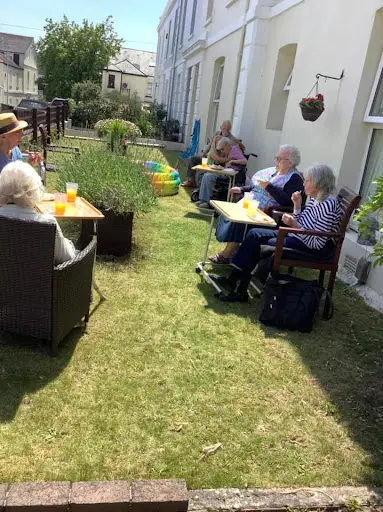
Families visiting Mount Olivet Nursing Home in Paignton often notice something reassuring — their loved ones seem genuinely happy and settled. The home provides specialist dementia care in what visitors describe as a clean, pleasant environment where staff are approachable and kind in their daily interactions.
Who they care for
The home focuses on dementia care, supporting residents at different stages of their journey.
Staff work to help residents with dementia feel settled and content in their daily lives. The team's friendly, patient approach seems to make a real difference in helping people adjust to their new surroundings.
“If you're considering Mount Olivet for someone you love, visiting in person will give you the clearest sense of whether it feels right.”
DCC does not edit or curate content in this tab. For independently curated information, see The Evidence and DCC Verdict.
The DCC Verdict
Our editorial view, built from the three lenses: what families tell us, what inspectors record, and how the home sits against good dementia-care practice.
DCC Family Score
Mount Olivet Nursing Home scores 62 out of 100. Four domains were rated Good at the most recent inspection, but Well-led was rated Requires Improvement, and the overall rating has declined from a previous Outstanding, which means there are real questions to explore before you decide.
Homes in South West typically score 68–82.The three-lens summary
What families tell us
Those who've spent time here mention how friendly the staff are when you arrive. Family members particularly value how approachable the team is, making it easier to talk about their loved one's needs and preferences.
What inspectors have recorded
How it sits against good practice
If you're considering Mount Olivet for someone you love, visiting in person will give you the clearest sense of whether it feels right.
Worth a visit
Mount Olivet Nursing Home, a 30-bed dementia nursing home in Paignton, was most recently inspected in October 2024, with the report published in March 2025. Four of the five domains, Safe, Effective, Caring, and Responsive, were rated Good. The home is registered and active, and the registered manager, Mrs Jodie Louise Nelder, is also the nominated individual, meaning one person holds clear accountability for the service. The significant concern here is that the overall rating has declined from a previous Outstanding to Requires Improvement, driven by the Well-led domain. That is a meaningful fall and it deserves direct investigation. A home that was once Outstanding can regain that standard, but it can also continue to decline. On a visit, ask the manager directly what changed, what the improvement plan is, and how progress is being measured. The published report does not include detailed narrative or inspection observations, so most of what matters to your family, staff warmth, food quality, dementia environment, night staffing, and activities, will need to be assessed by you in person.
The three questions to ask when you visitSave this home. Compare it against your shortlist.
Let our analysis show you how Mount Olivet Nursing Home measures up against the other homes you’re considering. Free account.
In Their Own Words
How Mount Olivet Nursing Home describes itself — collected from its own website. DCC has not edited or independently verified the content in this tab.
Where friendly staff help residents feel genuinely settled and content
Nursing home in Paignton: True Peace of Mind
Families visiting Mount Olivet Nursing Home in Paignton often notice something reassuring — their loved ones seem genuinely happy and settled. The home provides specialist dementia care in what visitors describe as a clean, pleasant environment where staff are approachable and kind in their daily interactions.
Who they care for
The home focuses on dementia care, supporting residents at different stages of their journey.
Staff work to help residents with dementia feel settled and content in their daily lives. The team's friendly, patient approach seems to make a real difference in helping people adjust to their new surroundings.
The home & environment
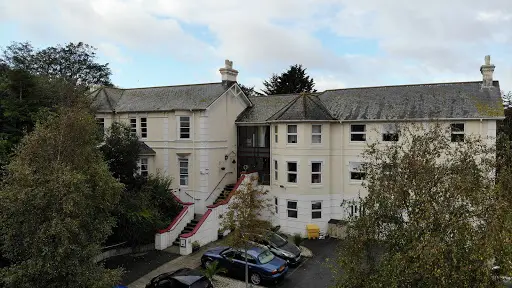
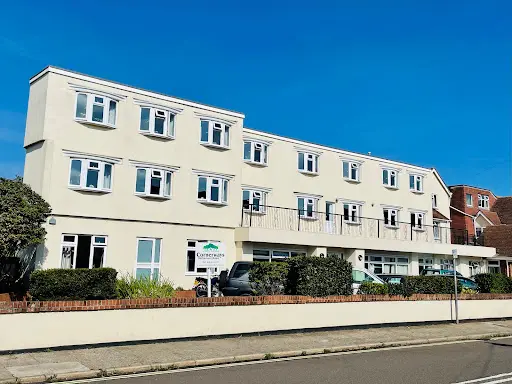
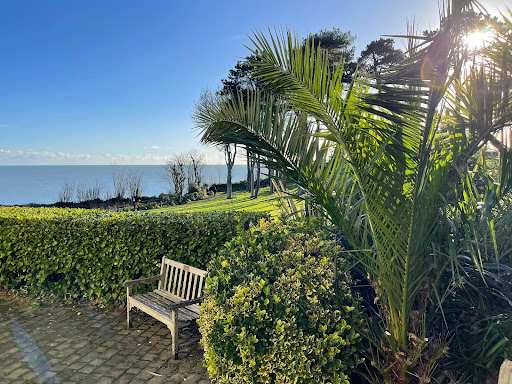
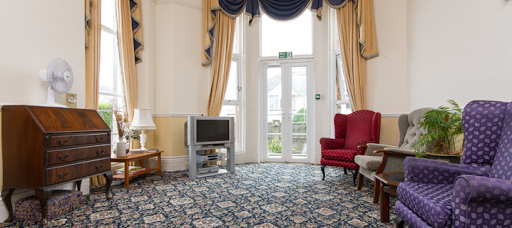
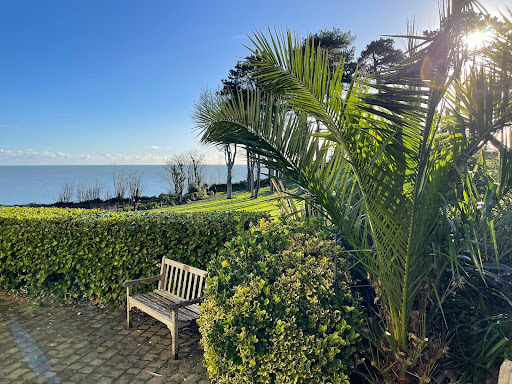
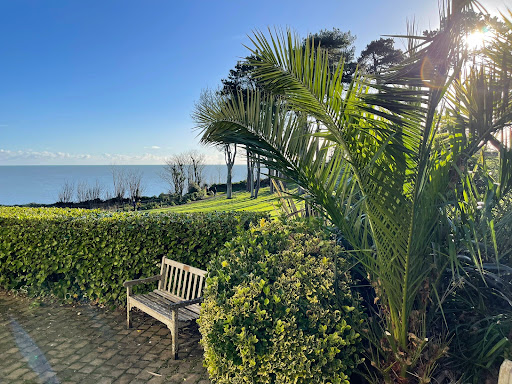
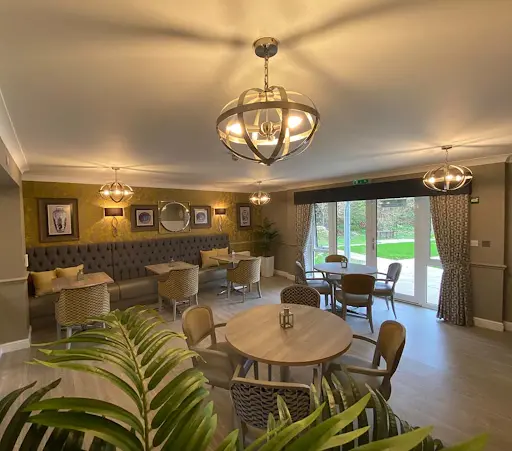
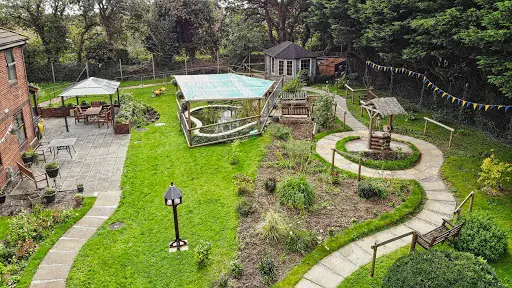
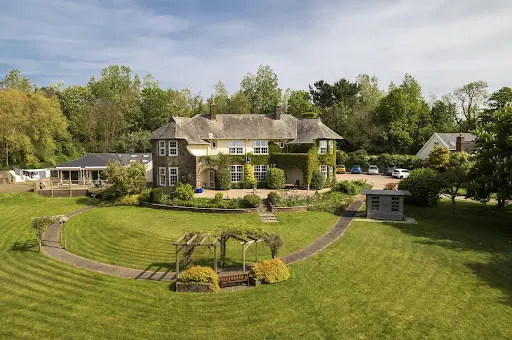
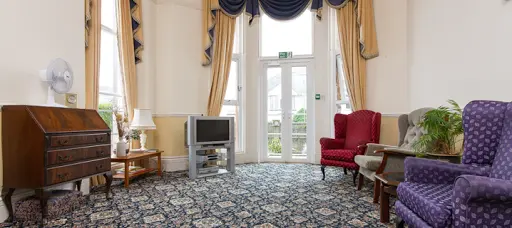
The home maintains good standards of cleanliness throughout, with visitors commenting on how pleasant the environment feels. The physical spaces are well-kept and create a comfortable atmosphere for both residents and their families.
“If you're considering Mount Olivet for someone you love, visiting in person will give you the clearest sense of whether it feels right.”
DCC does not edit or curate content in this tab. For independently curated information, see The Evidence and DCC Verdict.