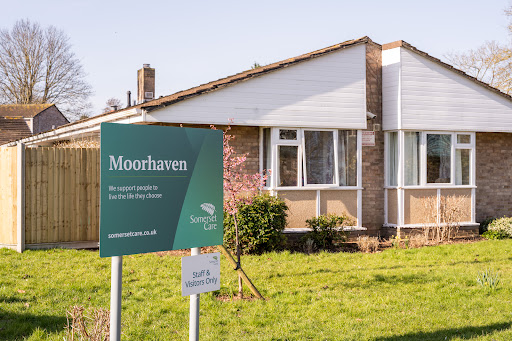
Moorhaven from Somerset Care
At a Glance
The information you need to decide whether this home warrants a closer look.
Residential homes
Staff warmth score
of reviewers answered yes
Good to know
- Registered beds54
- SpecialismsCaring for adults over 65 yrs, Caring for adults under 65 yrs, Dementia
- Last inspected2022-08-06
Save Moorhaven from Somerset Care to your shortlist
Keep a running list, add visit notes, and compare homes side-by-side. Free account — it takes a minute.
STAGE 4 — RESEARCHING CARE HOMES
Visit homes. Compare them side by side. Choose with confidence.
Most of us will view care homes the way we view houses, impression, atmosphere, the feeling in the corridor. We go home, try to remember what we saw, and make a permanent decision from a blurred memory.

The DCC shortlist gives every home you visit a structured record: the same twelve questions, answered the same way, every time. When you’re ready to choose, pull any two homes side by side and compare them directly. Same criteria, same evidence, your notes and your scores.
The Evidence
What the review data, the inspection reports, and the dementia-care evidence base tell us about this home.
What families say
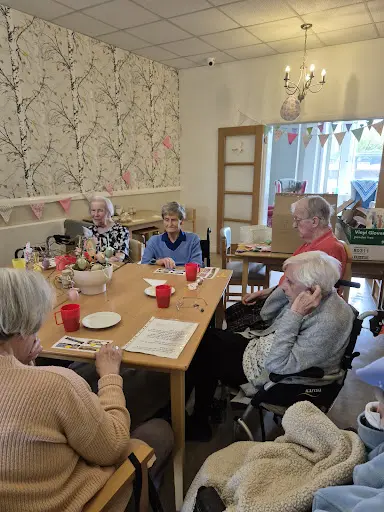
The atmosphere here catches visitors off guard — it feels welcoming rather than clinical. Residents join in with group activities when they want to, or enjoy quieter moments with staff who make time for individual chats. Families notice how their loved ones settle into routines that work for them.
The eight family priority themes
- Staff warmth72
- Compassion & dignity72
- Cleanliness70
- Activities & engagement65
- Food quality65
- Healthcare70
- Management & leadership75
- Resident happiness70
What inspectors found
Inspected 2022-08-06
Is this home safe?
Is the care effective?
The Effective domain was rated Good, covering areas including training, care planning, healthcare access, and nutrition. Moorhaven lists dementia as a specialism, which means inspectors would expect to find evidence of dementia-specific training and care planning. The home is run by Somerset Care Limited, a provider operating across the South West, which may indicate access to centralised training resources. No specific details about GP access, care plan content, or food quality are reproduced in the available inspection text.Is this home caring?
The Caring domain was rated Good, indicating that inspectors were satisfied with the warmth, dignity, and respect shown to people living in the home. A Good Caring rating requires positive evidence, not merely the absence of complaints. The home supports people with dementia, where non-verbal communication and recognition of individual preferences become especially important. No direct quotes from residents or families are reproduced in the available inspection text, and no specific observations about named interactions or unhurried care routines are available.Is the home responsive?
The Responsive domain was rated Good, covering activities, individual engagement, response to complaints, and end-of-life care. For a home specialising in dementia, responsiveness includes how well the home adapts to changing needs and how it supports people who can no longer express preferences verbally. No specific activities are described in the available inspection text, and no information about individual engagement for people who cannot join group sessions is recorded.Is the home well-led?
The Well-led domain was rated Good, and the home has a named registered manager, Miss Michaela Joanne Cooper, supported by a nominated individual, Ms Trudy Craig. The improvement from Requires Improvement to Good across all domains suggests the leadership team identified and addressed earlier shortfalls. Moorhaven is operated by Somerset Care Limited, a regional provider. The July 2023 monitoring review did not find evidence requiring reassessment, meaning the rating remained stable for over a year after inspection.
Source: CQC inspection report →
What the evidence base says
Moorhaven supports adults over 65 and younger adults who need residential care, with particular experience in dementia support. The team understands how dementia affects everyone differently. When someone's cognitive needs change, they might transition to a smaller, secure area designed for closer support while still maintaining access to activities and social connections. All areas worth probing directly during a visit.
The DCC Verdict
Our editorial view, built from the three lenses: what families tell us, what inspectors record, and how the home sits against good dementia-care practice.
DCC Family Score
Moorhaven scores 72 out of 100, reflecting a solid Good rating across all five inspection domains and a meaningful improvement from its previous Requires Improvement rating. The published inspection text provides limited specific detail, so several scores reflect the rating itself rather than direct observations.
Homes in South West typically score 68–82.The three-lens summary
What families tell us
The atmosphere here catches visitors off guard — it feels welcoming rather than clinical. Residents join in with group activities when they want to, or enjoy quieter moments with staff who make time for individual chats. Families notice how their loved ones settle into routines that work for them.
What inspectors have recorded
Staff here seem to grasp what families go through. They keep relatives informed about care decisions and actively seek feedback on what's working. When someone's needs shift — particularly with dementia — the team thinks creatively about solutions, sometimes suggesting moves to smaller, more suitable areas where residents thrive better.
How it sits against good practice
Sometimes the smallest details — a well-cooked meal, a familiar face, a moment in the garden — make all the difference.
Worth a visit
Moorhaven on Normandy Drive in Taunton was rated Good across all five inspection domains at its most recent inspection in July 2022, and that rating was reviewed and upheld in July 2023 without a full re-inspection being triggered. Crucially, this represents a genuine improvement: the home was previously rated Requires Improvement, meaning inspectors were dissatisfied on an earlier visit and the home made sufficient changes to satisfy them. It is registered for 54 beds and specialises in dementia care, as well as supporting adults both over and under 65. The main limitation of this report is that the published inspection text is brief and does not include direct observations, resident or family quotes, or specific detail about staffing, activities, food, or the physical environment. A Good rating is a meaningful baseline, but it tells you less than a detailed inspection report would. When you visit, focus on what you can see and hear for yourself: whether staff greet your parent by their preferred name, whether the corridors feel calm and unhurried, and how the home answers specific questions about night staffing numbers and agency reliance. Ask to see the last three months of activity records and request a copy of how often care plans are reviewed.
The three questions to ask when you visitSave this home. Compare it against your shortlist.
Let our analysis show you how Moorhaven from Somerset Care measures up against the other homes you’re considering. Free account.
In Their Own Words
How Moorhaven from Somerset Care describes itself — collected from its own website. DCC has not edited or independently verified the content in this tab.
Where thoughtful dementia care meets everyday kindness in Somerset
Compassionate Care in Taunton at Moorhaven
When dementia changes everything, finding the right support becomes crucial. Moorhaven in Taunton understands this journey intimately, creating spaces where residents flourish as their needs evolve. Families describe a place where staff genuinely tune into what each person needs, adapting their approach as dementia progresses.
Who they care for
Moorhaven supports adults over 65 and younger adults who need residential care, with particular experience in dementia support.
The team understands how dementia affects everyone differently. When someone's cognitive needs change, they might transition to a smaller, secure area designed for closer support while still maintaining access to activities and social connections.
“Sometimes the smallest details — a well-cooked meal, a familiar face, a moment in the garden — make all the difference.”
DCC does not edit or curate content in this tab. For independently curated information, see The Evidence and DCC Verdict.
The DCC Verdict
Our editorial view, built from the three lenses: what families tell us, what inspectors record, and how the home sits against good dementia-care practice.
DCC Family Score
Moorhaven scores 72 out of 100, reflecting a solid Good rating across all five inspection domains and a meaningful improvement from its previous Requires Improvement rating. The published inspection text provides limited specific detail, so several scores reflect the rating itself rather than direct observations.
Homes in South West typically score 68–82.The three-lens summary
What families tell us
The atmosphere here catches visitors off guard — it feels welcoming rather than clinical. Residents join in with group activities when they want to, or enjoy quieter moments with staff who make time for individual chats. Families notice how their loved ones settle into routines that work for them.
What inspectors have recorded
Staff here seem to grasp what families go through. They keep relatives informed about care decisions and actively seek feedback on what's working. When someone's needs shift — particularly with dementia — the team thinks creatively about solutions, sometimes suggesting moves to smaller, more suitable areas where residents thrive better.
How it sits against good practice
Sometimes the smallest details — a well-cooked meal, a familiar face, a moment in the garden — make all the difference.
Worth a visit
Moorhaven on Normandy Drive in Taunton was rated Good across all five inspection domains at its most recent inspection in July 2022, and that rating was reviewed and upheld in July 2023 without a full re-inspection being triggered. Crucially, this represents a genuine improvement: the home was previously rated Requires Improvement, meaning inspectors were dissatisfied on an earlier visit and the home made sufficient changes to satisfy them. It is registered for 54 beds and specialises in dementia care, as well as supporting adults both over and under 65. The main limitation of this report is that the published inspection text is brief and does not include direct observations, resident or family quotes, or specific detail about staffing, activities, food, or the physical environment. A Good rating is a meaningful baseline, but it tells you less than a detailed inspection report would. When you visit, focus on what you can see and hear for yourself: whether staff greet your parent by their preferred name, whether the corridors feel calm and unhurried, and how the home answers specific questions about night staffing numbers and agency reliance. Ask to see the last three months of activity records and request a copy of how often care plans are reviewed.
The three questions to ask when you visitSave this home. Compare it against your shortlist.
Let our analysis show you how Moorhaven from Somerset Care measures up against the other homes you’re considering. Free account.
In Their Own Words
How Moorhaven from Somerset Care describes itself — collected from its own website. DCC has not edited or independently verified the content in this tab.
Where thoughtful dementia care meets everyday kindness in Somerset
Compassionate Care in Taunton at Moorhaven
When dementia changes everything, finding the right support becomes crucial. Moorhaven in Taunton understands this journey intimately, creating spaces where residents flourish as their needs evolve. Families describe a place where staff genuinely tune into what each person needs, adapting their approach as dementia progresses.
Who they care for
Moorhaven supports adults over 65 and younger adults who need residential care, with particular experience in dementia support.
The team understands how dementia affects everyone differently. When someone's cognitive needs change, they might transition to a smaller, secure area designed for closer support while still maintaining access to activities and social connections.
Management & ethos
Staff here seem to grasp what families go through. They keep relatives informed about care decisions and actively seek feedback on what's working. When someone's needs shift — particularly with dementia — the team thinks creatively about solutions, sometimes suggesting moves to smaller, more suitable areas where residents thrive better.
The home & environment
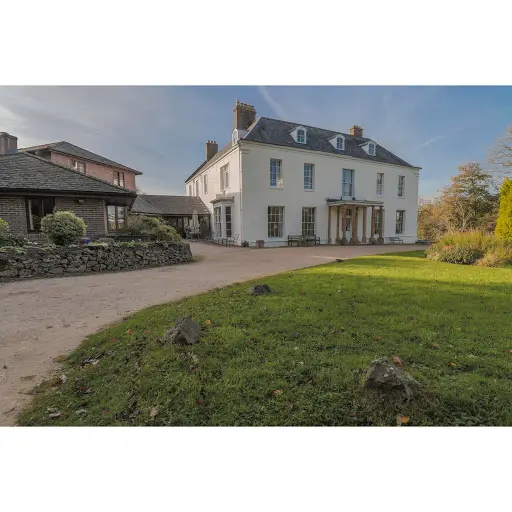
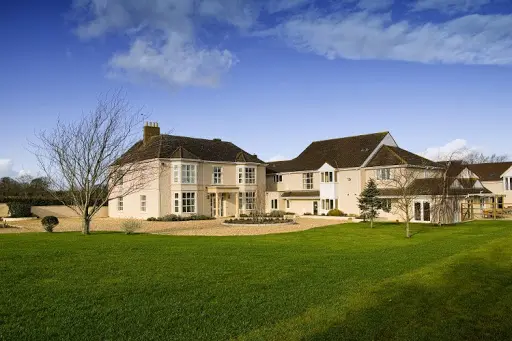
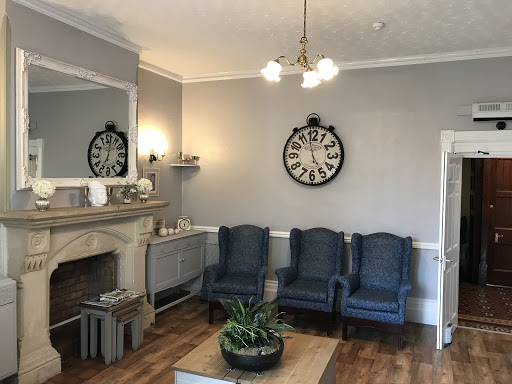
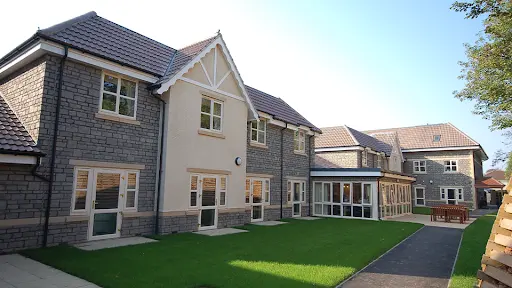
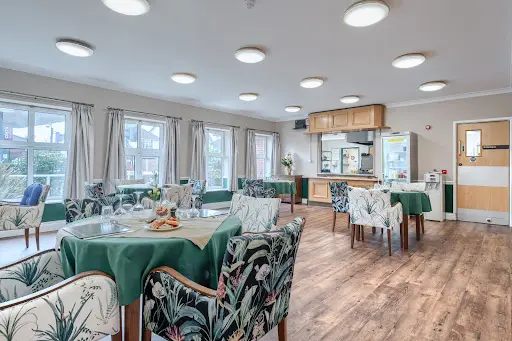
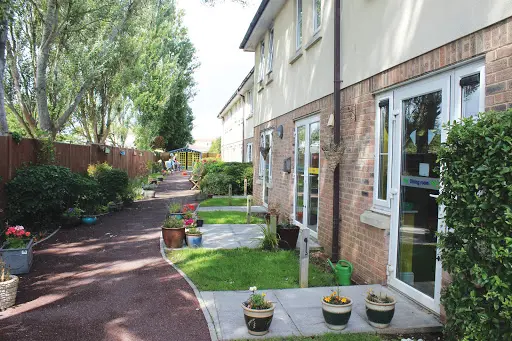
Meals matter here, with kitchen teams preparing varied menus that residents genuinely enjoy. The building itself stays fresh and well-maintained, with secure outdoor spaces where people can catch some fresh air. Having the hairdresser, podiatrist and optician visit regularly means residents stay comfortable without the stress of appointments elsewhere.
“Sometimes the smallest details — a well-cooked meal, a familiar face, a moment in the garden — make all the difference.”
DCC does not edit or curate content in this tab. For independently curated information, see The Evidence and DCC Verdict.