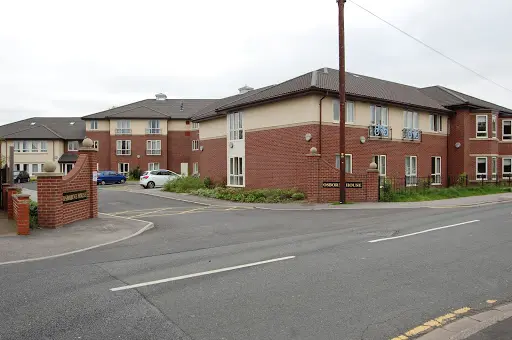
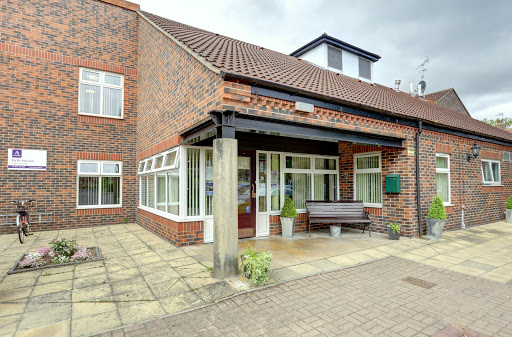
Mansion House
At a Glance
The information you need to decide whether this home warrants a closer look.
Nursing homes
Staff warmth score
of reviewers answered yes
Good to know
- Registered beds29
- SpecialismsCaring for adults over 65 yrs, Dementia, Physical disabilities
- Last inspected2020-04-07
Save Mansion House to your shortlist
Keep a running list, add visit notes, and compare homes side-by-side. Free account — it takes a minute.
STAGE 4 — RESEARCHING CARE HOMES
Visit homes. Compare them side by side. Choose with confidence.
Most of us will view care homes the way we view houses, impression, atmosphere, the feeling in the corridor. We go home, try to remember what we saw, and make a permanent decision from a blurred memory.

The DCC shortlist gives every home you visit a structured record: the same twelve questions, answered the same way, every time. When you’re ready to choose, pull any two homes side by side and compare them directly. Same criteria, same evidence, your notes and your scores.
The Evidence
What the review data, the inspection reports, and the dementia-care evidence base tell us about this home.
What families say
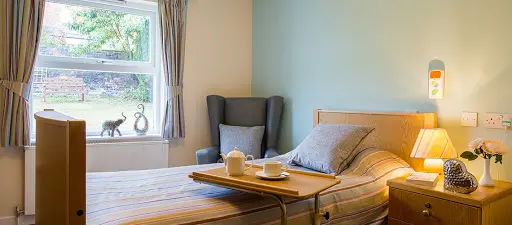
Families talk about staff who remember the little things — not just medical routines but the personal touches that matter. There's something different about the atmosphere here, where carers take time to chat and connect rather than rushing between tasks. People mention how their loved ones settle in more easily when they can bring familiar furniture and photos, creating bedrooms that feel properly their own.
The eight family priority themes
- Staff warmth65
- Compassion & dignity65
- Cleanliness65
- Activities & engagement55
- Food quality55
- Healthcare65
- Management & leadership65
- Resident happiness60
What inspectors found
Inspected 2020-04-07
Is this home safe?
Is the care effective?
Mansion House was rated Good for effectiveness at its November 2020 inspection. This domain covers training, care planning, healthcare access, nutrition, and hydration. The home holds a nursing registration, which means a qualified nurse must be present at all times. No specific detail about dementia training content, how care plans are written or reviewed, GP visiting arrangements, or mealtimes is available in the published text. The Good rating indicates inspectors were satisfied with these arrangements, but no supporting observations or examples are recorded.Is this home caring?
Mansion House was rated Good for caring at its November 2020 inspection. This domain covers staff warmth, dignity, privacy, and respect for independence. No inspector observations about how staff interact with residents, whether residents are addressed by preferred names, or how distress is handled are available in the published text. No resident or relative quotes are recorded. The Good rating indicates inspectors observed or found evidence of caring practice, but the detail behind that finding is not available.Is the home responsive?
Mansion House was rated Good for responsiveness at its November 2020 inspection. This domain covers how well the home meets individual needs, including activities, engagement, and end-of-life care. No detail about what activities are offered, how they are tailored to individuals, or how the home supports residents who cannot participate in group activities is available in the published text. No information about end-of-life care planning is recorded. The Good rating indicates inspectors were satisfied, but no supporting evidence is available.Is the home well-led?
Mansion House was rated Good for well-led at its November 2020 inspection. The home is operated by Roche Healthcare Limited, with a nominated individual named as Ms Maria Kelly. This domain covers management visibility, staff culture, governance, and learning from incidents. No specific detail about the manager's tenure, how staff are supported, how complaints are handled, or how the home acts on incidents is available in the published text. The July 2023 information review confirmed no evidence had emerged to change the rating.
Source: CQC inspection report →
What the evidence base says
The home cares for adults over 65 with dementia and physical disabilities. They operate as both a residential and nursing facility with qualified nursing staff on site. For residents with dementia, there's a dedicated unit with its own secure garden space. The team clearly understands dementia care — from handling urgent admissions when other arrangements fail, to creating familiar environments with personal belongings that help residents feel more settled. All areas worth probing directly during a visit.
The DCC Verdict
Our editorial view, built from the three lenses: what families tell us, what inspectors record, and how the home sits against good dementia-care practice.
DCC Family Score
Mansion House was rated Good across all five inspection domains, which is a positive baseline, but the published report contains very little specific detail or direct observation evidence to support higher scores in any area. The rating reflects official confidence in the home, but families should visit and ask targeted questions before deciding.
Homes in Yorkshire & Humberside typically score 68–82.The three-lens summary
What families tell us
Families talk about staff who remember the little things — not just medical routines but the personal touches that matter. There's something different about the atmosphere here, where carers take time to chat and connect rather than rushing between tasks. People mention how their loved ones settle in more easily when they can bring familiar furniture and photos, creating bedrooms that feel properly their own.
What inspectors have recorded
What stands out is how quickly the team responds when families are in crisis. Several people describe same-day assessments and swift admissions when their previous care arrangements weren't working. The staff handle these sensitive transitions carefully, understanding how overwhelming everything feels when dementia changes the game.
How it sits against good practice
Sometimes the best care comes from teams who genuinely seem to love their work — and that warmth makes all the difference.
Worth a visit
Mansion House in Selby was rated Good across all five inspection domains at its last inspection in November 2020, with that rating confirmed as still current following an information review in July 2023. The home is registered to provide nursing care and personal care for up to 29 adults over 65, including people with dementia and physical disabilities, and is run by Roche Healthcare Limited. The main limitation here is that the published inspection text is unusually thin on specific detail. No inspector observations, no resident or relative quotes, and no concrete examples are available to explain what Good looks like day to day in this home. A Good rating is genuinely meaningful, but it tells you the home met the standard at a point now over four years ago. Before making a decision, visit in person: watch how staff interact with your parent's peers in corridors and at mealtimes, ask to see last week's actual staffing rota including night shifts, and ask the manager to describe what activities and one-to-one engagement look like for someone with dementia who cannot join a group.
The three questions to ask when you visitSave this home. Compare it against your shortlist.
Let our analysis show you how Mansion House measures up against the other homes you’re considering. Free account.
In Their Own Words
How Mansion House describes itself — collected from its own website. DCC has not edited or independently verified the content in this tab.
Where nursing expertise meets genuine warmth in Yorkshire countryside
Dedicated nursing home Support in Selby
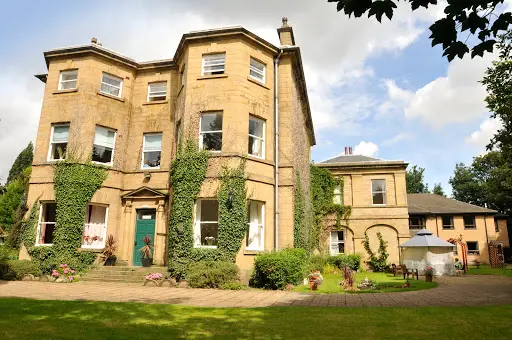
When dementia turns your world upside down, finding the right support feels impossible. Mansion House in Selby understands this urgency — they're known for stepping in quickly when families need help most. Set in the Yorkshire countryside, this combined residential and nursing home brings together skilled care teams who seem to genuinely enjoy what they do.
Who they care for
The home cares for adults over 65 with dementia and physical disabilities. They operate as both a residential and nursing facility with qualified nursing staff on site.
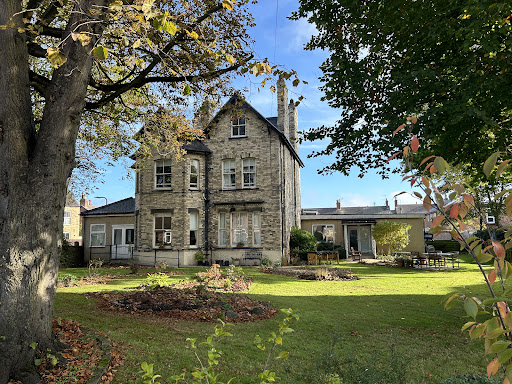
For residents with dementia, there's a dedicated unit with its own secure garden space. The team clearly understands dementia care — from handling urgent admissions when other arrangements fail, to creating familiar environments with personal belongings that help residents feel more settled.
“Sometimes the best care comes from teams who genuinely seem to love their work — and that warmth makes all the difference.”
DCC does not edit or curate content in this tab. For independently curated information, see The Evidence and DCC Verdict.
The DCC Verdict
Our editorial view, built from the three lenses: what families tell us, what inspectors record, and how the home sits against good dementia-care practice.
DCC Family Score
Mansion House was rated Good across all five inspection domains, which is a positive baseline, but the published report contains very little specific detail or direct observation evidence to support higher scores in any area. The rating reflects official confidence in the home, but families should visit and ask targeted questions before deciding.
Homes in Yorkshire & Humberside typically score 68–82.The three-lens summary
What families tell us
Families talk about staff who remember the little things — not just medical routines but the personal touches that matter. There's something different about the atmosphere here, where carers take time to chat and connect rather than rushing between tasks. People mention how their loved ones settle in more easily when they can bring familiar furniture and photos, creating bedrooms that feel properly their own.
What inspectors have recorded
What stands out is how quickly the team responds when families are in crisis. Several people describe same-day assessments and swift admissions when their previous care arrangements weren't working. The staff handle these sensitive transitions carefully, understanding how overwhelming everything feels when dementia changes the game.
How it sits against good practice
Sometimes the best care comes from teams who genuinely seem to love their work — and that warmth makes all the difference.
Worth a visit
Mansion House in Selby was rated Good across all five inspection domains at its last inspection in November 2020, with that rating confirmed as still current following an information review in July 2023. The home is registered to provide nursing care and personal care for up to 29 adults over 65, including people with dementia and physical disabilities, and is run by Roche Healthcare Limited. The main limitation here is that the published inspection text is unusually thin on specific detail. No inspector observations, no resident or relative quotes, and no concrete examples are available to explain what Good looks like day to day in this home. A Good rating is genuinely meaningful, but it tells you the home met the standard at a point now over four years ago. Before making a decision, visit in person: watch how staff interact with your parent's peers in corridors and at mealtimes, ask to see last week's actual staffing rota including night shifts, and ask the manager to describe what activities and one-to-one engagement look like for someone with dementia who cannot join a group.
The three questions to ask when you visitSave this home. Compare it against your shortlist.
Let our analysis show you how Mansion House measures up against the other homes you’re considering. Free account.
In Their Own Words
How Mansion House describes itself — collected from its own website. DCC has not edited or independently verified the content in this tab.
Where nursing expertise meets genuine warmth in Yorkshire countryside
Dedicated nursing home Support in Selby
When dementia turns your world upside down, finding the right support feels impossible. Mansion House in Selby understands this urgency — they're known for stepping in quickly when families need help most. Set in the Yorkshire countryside, this combined residential and nursing home brings together skilled care teams who seem to genuinely enjoy what they do.
Who they care for
The home cares for adults over 65 with dementia and physical disabilities. They operate as both a residential and nursing facility with qualified nursing staff on site.
For residents with dementia, there's a dedicated unit with its own secure garden space. The team clearly understands dementia care — from handling urgent admissions when other arrangements fail, to creating familiar environments with personal belongings that help residents feel more settled.
Management & ethos
What stands out is how quickly the team responds when families are in crisis. Several people describe same-day assessments and swift admissions when their previous care arrangements weren't working. The staff handle these sensitive transitions carefully, understanding how overwhelming everything feels when dementia changes the game.
The home & environment
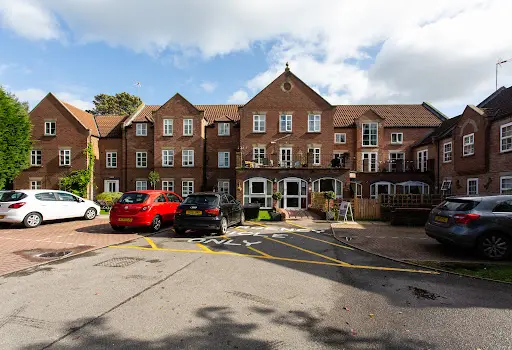
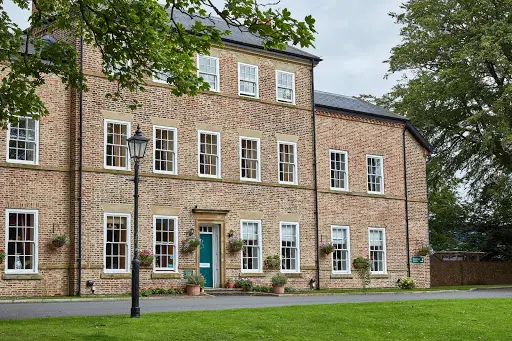
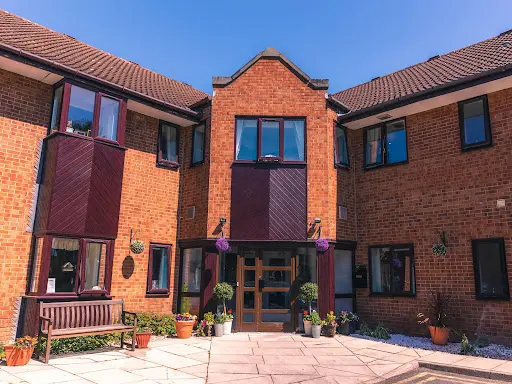
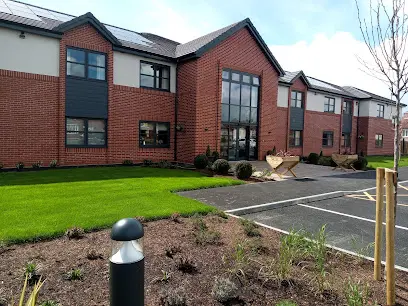
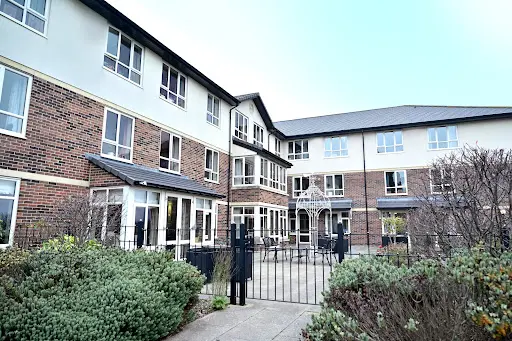
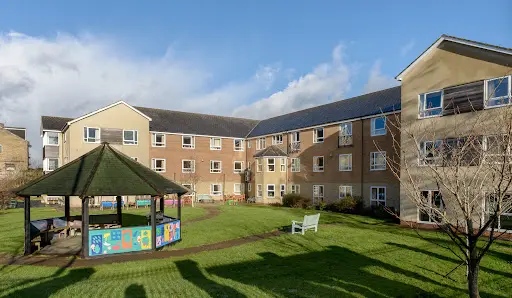
The home keeps life interesting with regular outings — supervised shopping trips and day visits for those who enjoy getting out and about. There's a secure garden designed specifically for residents with dementia, giving everyone safe outdoor space. The building works as both a residential and nursing facility, so complex health needs can be managed without having to move elsewhere.
“Sometimes the best care comes from teams who genuinely seem to love their work — and that warmth makes all the difference.”
DCC does not edit or curate content in this tab. For independently curated information, see The Evidence and DCC Verdict.