Lisburne Court

At a Glance
The information you need to decide whether this home warrants a closer look.
Residential homes
Staff warmth score
of reviewers answered yes
Good to know
- Registered beds48
- SpecialismsCaring for adults over 65 yrs, Dementia
- Last inspected2021-07-10
Save Lisburne Court to your shortlist
Keep a running list, add visit notes, and compare homes side-by-side. Free account — it takes a minute.
STAGE 4 — RESEARCHING CARE HOMES
Visit homes. Compare them side by side. Choose with confidence.
Most of us will view care homes the way we view houses, impression, atmosphere, the feeling in the corridor. We go home, try to remember what we saw, and make a permanent decision from a blurred memory.

The DCC shortlist gives every home you visit a structured record: the same twelve questions, answered the same way, every time. When you’re ready to choose, pull any two homes side by side and compare them directly. Same criteria, same evidence, your notes and your scores.
The Evidence
What the review data, the inspection reports, and the dementia-care evidence base tell us about this home.
What families say
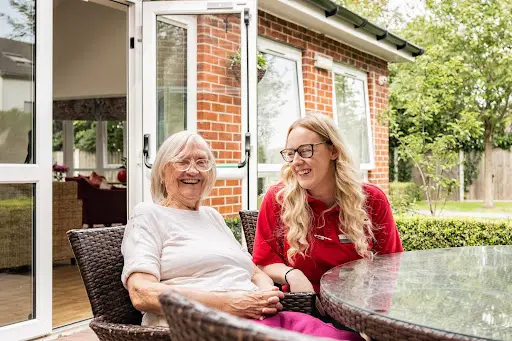
Visitors notice how staff take time to really connect with residents, stopping for conversations that go beyond basic care tasks. There's a warmth here that families pick up on — staff who remember what makes each person smile and activities that bring people together throughout the week.
The eight family priority themes
- Staff warmth72
- Compassion & dignity72
- Cleanliness70
- Activities & engagement60
- Food quality60
- Healthcare65
- Management & leadership74
- Resident happiness68
What inspectors found
Inspected 2021-07-10
Is this home safe?
Is the care effective?
The Effective domain was rated Good at the June 2021 inspection. This domain covers care planning, staff training, healthcare access, and food. Lisburne Court specialises in dementia care, which means inspectors would have been expected to assess whether staff have specific dementia training and whether care plans capture individual histories and preferences. No specific detail about training content, care plan review frequency, GP access arrangements, or meal provision is recorded in the available inspection text. The Good rating indicates inspectors were satisfied, but without published specifics, families are working with limited information.Is this home caring?
The Caring domain was rated Good at the June 2021 inspection. This is the domain that most directly reflects whether staff are kind, unhurried, and respectful in their day-to-day interactions with the people who live here. It covers dignity, privacy, use of preferred names, and whether residents are treated as individuals. No direct observations of staff interactions, no resident quotes, and no family testimony are recorded in the available published text. The Good rating is a positive baseline, but the absence of specific evidence means families cannot yet picture what day-to-day life looks like for their parent.Is the home responsive?
The Responsive domain was rated Good at the June 2021 inspection. This domain covers whether the home meets individual needs, offers meaningful activities, responds to complaints, and has end-of-life care arrangements in place. For a dementia-specialist home of 48 beds, the activity programme and individual engagement are particularly important, since residents at different stages of dementia need very different kinds of stimulation. No specific detail about the activity programme, one-to-one engagement, end-of-life planning, or complaint handling is recorded in the available published text.Is the home well-led?
The Well-led domain was rated Good at the June 2021 inspection, improved from Requires Improvement previously. The inspection record names a registered manager and a nominated individual, indicating an accountable leadership structure was in place. Borough Care Ltd is the operating organisation. The improvement from Requires Improvement to Good across all five domains in a single inspection cycle is a meaningful indicator of responsive leadership: problems were identified and resolved. No specific detail about management visibility, staff culture, complaint handling, or governance systems is recorded in the available published text.
Source: CQC inspection report →
What the evidence base says
The home provides specialist dementia care alongside general support for older adults. Their approach includes attention to details like oral health, which can often be overlooked but makes such a difference to quality of life. Staff here understand the specific challenges dementia brings and adapt their care accordingly. They work to keep residents engaged and stimulated while providing the reassurance and routine that helps people feel secure. All areas worth probing directly during a visit.
The DCC Verdict
Our editorial view, built from the three lenses: what families tell us, what inspectors record, and how the home sits against good dementia-care practice.
DCC Family Score
Lisburne Court holds a Good rating across all five inspection domains, improved from a previous Requires Improvement rating, which is a meaningful positive signal. However, the published inspection text contains very limited specific detail, so most scores reflect the general Good rating rather than verified, observable evidence.
Homes in North West typically score 68–82.The three-lens summary
What families tell us
Visitors notice how staff take time to really connect with residents, stopping for conversations that go beyond basic care tasks. There's a warmth here that families pick up on — staff who remember what makes each person smile and activities that bring people together throughout the week.
What inspectors have recorded
The team at Lisburne Court shows real dedication in their approach to care. Families describe staff who spot what needs doing before being asked, whether that's organising an impromptu sing-along or making sure someone's comfortable during mealtimes.
How it sits against good practice
If you're looking for dementia care in Stockport, visiting Lisburne Court could help you get a feel for their approach.
Worth a visit
Lisburne Court, on Alfreton Road in Stockport, was rated Good across all five inspection domains at its last inspection in June 2021. The home specialises in dementia care for adults over 65 and has 48 beds. Notably, this rating represents an improvement from a previous Requires Improvement rating, which is a genuinely positive sign: it suggests the management team identified what was wrong and fixed it, rather than allowing problems to persist. The honest limitation here is that the published inspection text contains very little specific detail about what inspectors actually saw, heard, or read during their visit. There are no direct quotes from your parent's future neighbours, no descriptions of staff interactions, and no specifics about meals, activities, or the dementia environment. A Good rating matters, but it should be the start of your investigation, not the end of it. When you visit, ask to see last week's actual staffing rota (count permanent names versus agency names, especially on nights), ask how the home communicates with families when something changes, and observe how staff interact with residents in corridors and communal spaces. Those observations will tell you more than any rating can.
The three questions to ask when you visitSave this home. Compare it against your shortlist.
Let our analysis show you how Lisburne Court measures up against the other homes you’re considering. Free account.
In Their Own Words
How Lisburne Court describes itself — collected from its own website. DCC has not edited or independently verified the content in this tab.
Where busy days and genuine friendships keep spirits bright
Lisburne Court – Your Trusted residential home
Families visiting Lisburne Court in Stockport often comment on how engaged their relatives seem — whether they're joining in with activities or simply chatting with staff who clearly enjoy their company. This care home for people over 65 specialises in dementia care, and it shows in the thoughtful ways they support residents through each day.
Who they care for
The home provides specialist dementia care alongside general support for older adults. Their approach includes attention to details like oral health, which can often be overlooked but makes such a difference to quality of life.
Staff here understand the specific challenges dementia brings and adapt their care accordingly. They work to keep residents engaged and stimulated while providing the reassurance and routine that helps people feel secure.
“If you're looking for dementia care in Stockport, visiting Lisburne Court could help you get a feel for their approach.”
DCC does not edit or curate content in this tab. For independently curated information, see The Evidence and DCC Verdict.
The DCC Verdict
Our editorial view, built from the three lenses: what families tell us, what inspectors record, and how the home sits against good dementia-care practice.
DCC Family Score
Lisburne Court holds a Good rating across all five inspection domains, improved from a previous Requires Improvement rating, which is a meaningful positive signal. However, the published inspection text contains very limited specific detail, so most scores reflect the general Good rating rather than verified, observable evidence.
Homes in North West typically score 68–82.The three-lens summary
What families tell us
Visitors notice how staff take time to really connect with residents, stopping for conversations that go beyond basic care tasks. There's a warmth here that families pick up on — staff who remember what makes each person smile and activities that bring people together throughout the week.
What inspectors have recorded
The team at Lisburne Court shows real dedication in their approach to care. Families describe staff who spot what needs doing before being asked, whether that's organising an impromptu sing-along or making sure someone's comfortable during mealtimes.
How it sits against good practice
If you're looking for dementia care in Stockport, visiting Lisburne Court could help you get a feel for their approach.
Worth a visit
Lisburne Court, on Alfreton Road in Stockport, was rated Good across all five inspection domains at its last inspection in June 2021. The home specialises in dementia care for adults over 65 and has 48 beds. Notably, this rating represents an improvement from a previous Requires Improvement rating, which is a genuinely positive sign: it suggests the management team identified what was wrong and fixed it, rather than allowing problems to persist. The honest limitation here is that the published inspection text contains very little specific detail about what inspectors actually saw, heard, or read during their visit. There are no direct quotes from your parent's future neighbours, no descriptions of staff interactions, and no specifics about meals, activities, or the dementia environment. A Good rating matters, but it should be the start of your investigation, not the end of it. When you visit, ask to see last week's actual staffing rota (count permanent names versus agency names, especially on nights), ask how the home communicates with families when something changes, and observe how staff interact with residents in corridors and communal spaces. Those observations will tell you more than any rating can.
The three questions to ask when you visitSave this home. Compare it against your shortlist.
Let our analysis show you how Lisburne Court measures up against the other homes you’re considering. Free account.
In Their Own Words
How Lisburne Court describes itself — collected from its own website. DCC has not edited or independently verified the content in this tab.
Where busy days and genuine friendships keep spirits bright
Lisburne Court – Your Trusted residential home
Families visiting Lisburne Court in Stockport often comment on how engaged their relatives seem — whether they're joining in with activities or simply chatting with staff who clearly enjoy their company. This care home for people over 65 specialises in dementia care, and it shows in the thoughtful ways they support residents through each day.
Who they care for
The home provides specialist dementia care alongside general support for older adults. Their approach includes attention to details like oral health, which can often be overlooked but makes such a difference to quality of life.
Staff here understand the specific challenges dementia brings and adapt their care accordingly. They work to keep residents engaged and stimulated while providing the reassurance and routine that helps people feel secure.
Management & ethos
The team at Lisburne Court shows real dedication in their approach to care. Families describe staff who spot what needs doing before being asked, whether that's organising an impromptu sing-along or making sure someone's comfortable during mealtimes.
The home & environment
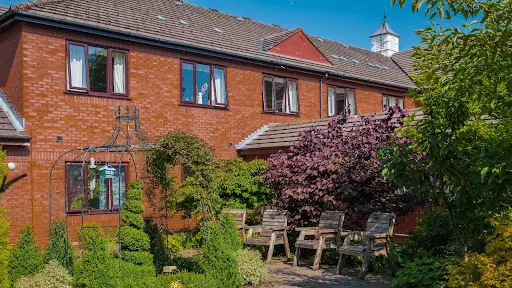
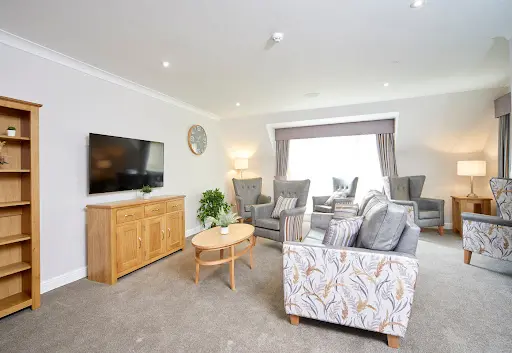
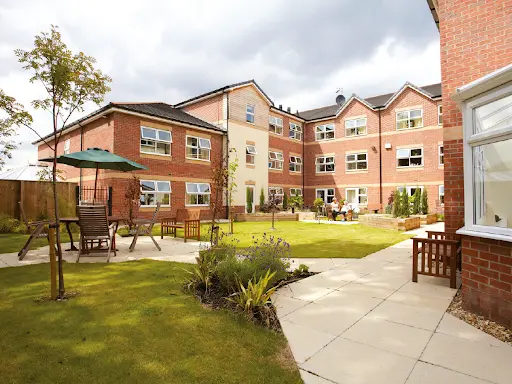
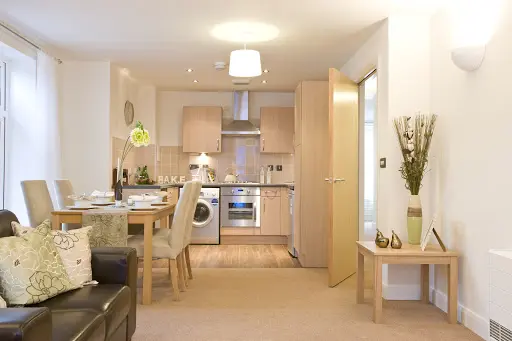
The home maintains good standards of cleanliness that families appreciate when they visit. Activities here range from entertainment sessions to exercises designed to keep both minds and bodies active, with staff working to ensure residents have plenty to look forward to each day.
“If you're looking for dementia care in Stockport, visiting Lisburne Court could help you get a feel for their approach.”
DCC does not edit or curate content in this tab. For independently curated information, see The Evidence and DCC Verdict.