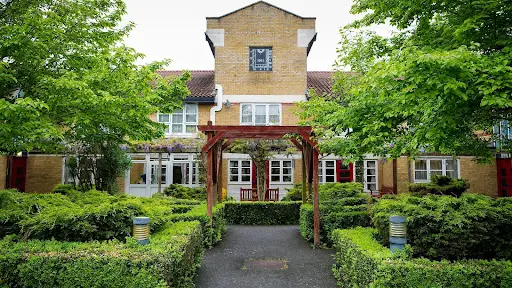
Keychange Charity

At a Glance
The information you need to decide whether this home warrants a closer look.
Residential homes
Staff warmth score
of reviewers answered yes
Good to know
- Registered beds20
- SpecialismsCaring for adults over 65 yrs, Dementia
- Last inspected2023-10-21
Save Keychange Charity to your shortlist
Keep a running list, add visit notes, and compare homes side-by-side. Free account — it takes a minute.
STAGE 4 — RESEARCHING CARE HOMES
Visit homes. Compare them side by side. Choose with confidence.
Most of us will view care homes the way we view houses, impression, atmosphere, the feeling in the corridor. We go home, try to remember what we saw, and make a permanent decision from a blurred memory.

The DCC shortlist gives every home you visit a structured record: the same twelve questions, answered the same way, every time. When you’re ready to choose, pull any two homes side by side and compare them directly. Same criteria, same evidence, your notes and your scores.
The Evidence
What the review data, the inspection reports, and the dementia-care evidence base tell us about this home.
What families say
What strikes families is how naturally their relatives settle here. There's a genuine homeliness that sets it apart from more institutional settings, with varied and interesting activities that keep days engaging.
The eight family priority themes
- Staff warmth72
- Compassion & dignity72
- Cleanliness70
- Activities & engagement65
- Food quality60
- Healthcare65
- Management & leadership75
- Resident happiness70
What inspectors found
Inspected 2023-10-21
Is this home safe?
Is the care effective?
The Effective domain was rated Good at the June 2025 inspection. This domain covers whether staff have the right training, whether care plans reflect your parent as an individual, whether healthcare needs are well managed, and whether nutrition is taken seriously. The home lists Dementia as a registered specialism, indicating a baseline expectation of relevant training and environmental design. No specific details about dementia training content, GP access frequency, care plan review processes, or observations of mealtimes are available in the published report text.Is this home caring?
The Caring domain was rated Good at the June 2025 inspection. This is the domain that most directly reflects how staff treat your parent day to day — whether they are kind, patient, respectful of dignity, and genuinely interested in your parent as a person. As a 20-bed home, there is greater potential for staff to truly know each resident individually. No direct inspector observations of care interactions, no resident or relative quotes, and no specific examples of dignity in practice are available in the published report text.Is the home responsive?
The Responsive domain was rated Good at the June 2025 inspection. This domain covers whether your parent will have meaningful things to do, whether activities are tailored to individuals rather than just group sessions, whether the home responds to individual preferences and changing needs, and whether end-of-life wishes are respected. No details about the activities programme, evidence of individual engagement, or end-of-life care planning are available in the published report text.Is the home well-led?
The Well-led domain was rated Good at the June 2025 inspection, and this is particularly meaningful given the home's trajectory from Requires Improvement. The home is operated by Keychange Charity, has a named Registered Manager (Mrs Andrea Sandra Howell-Jones), and a Nominated Individual (Ms Georgina Dawn Patch) providing oversight. The improvement in overall rating suggests that leadership has made tangible changes since the previous inspection. No specific information about manager tenure, staff culture, governance mechanisms, or how the home responds to complaints is available in the published report text.
Source: CQC inspection report →
What the evidence base says
Alexander House provides specialist dementia care alongside general support for older adults, ensuring each resident receives care tailored to their individual needs. For those living with dementia, the home's emphasis on creating a genuinely homely environment can make a real difference to daily comfort and contentment. All areas worth probing directly during a visit.
The DCC Verdict
Our editorial view, built from the three lenses: what families tell us, what inspectors record, and how the home sits against good dementia-care practice.
DCC Family Score
This home has moved from Requires Improvement to a Good rating across all five domains, which is a meaningful and positive step — but the inspection report contains limited specific detail, so scores reflect that improvement trajectory rather than richly evidenced practice.
Homes in London typically score 68–82.The three-lens summary
What families tell us
What strikes families is how naturally their relatives settle here. There's a genuine homeliness that sets it apart from more institutional settings, with varied and interesting activities that keep days engaging.
What inspectors have recorded
The team welcomes family visits at any time, unannounced — a quiet confidence that speaks volumes about their approach to care.
How it sits against good practice
Sometimes the right care home is the one where visiting feels as natural as dropping by a friend's house.
Worth a visit
Keychange Charity Alexander House Care Home, a 20-bed residential home in Wimbledon specialising in dementia care for older adults, was assessed in June 2025 and rated Good across all five inspection domains — Safe, Effective, Caring, Responsive, and Well-led. This represents a significant improvement from its previous rating of Requires Improvement, and is a genuinely positive sign: homes that demonstrably improve and then sustain a Good rating tend to have more stable leadership and a culture of learning. The home is run by an established charity, has a named Registered Manager, and is a relatively small service, which can mean a more personal experience for your parent. The main uncertainty here is that the published inspection summary contains very limited specific detail — no direct quotes from residents or families, no inspector observations of actual care interactions, and no specifics about staffing ratios, activities programmes, or food quality. A Good rating tells you the inspectors were satisfied; it does not tell you whether staff know your parent's preferred name, whether there is meaningful engagement on a Tuesday afternoon, or how many staff are on at night. When you visit, ask to see the activities board for the past two weeks, ask specifically how many permanent staff are on the night shift, and observe how staff speak to residents in the corridor — these small moments tell you more than any rating.
The three questions to ask when you visitSave this home. Compare it against your shortlist.
Let our analysis show you how Keychange Charity measures up against the other homes you’re considering. Free account.
In Their Own Words
How Keychange Charity describes itself — collected from its own website. DCC has not edited or independently verified the content in this tab.
Where contentment feels natural, not institutional
Keychange Charity Alexander House Care Home – Expert Care in London
For families seeking genuine residential care, Keychange Charity Alexander House in London offers something increasingly rare — a place that truly feels like a home. This care home specialises in supporting adults over 65, including those living with dementia, in an environment where wellbeing comes first.
Who they care for
Alexander House provides specialist dementia care alongside general support for older adults, ensuring each resident receives care tailored to their individual needs.
For those living with dementia, the home's emphasis on creating a genuinely homely environment can make a real difference to daily comfort and contentment.
“Sometimes the right care home is the one where visiting feels as natural as dropping by a friend's house.”
DCC does not edit or curate content in this tab. For independently curated information, see The Evidence and DCC Verdict.
The DCC Verdict
Our editorial view, built from the three lenses: what families tell us, what inspectors record, and how the home sits against good dementia-care practice.
DCC Family Score
This home has moved from Requires Improvement to a Good rating across all five domains, which is a meaningful and positive step — but the inspection report contains limited specific detail, so scores reflect that improvement trajectory rather than richly evidenced practice.
Homes in London typically score 68–82.The three-lens summary
What families tell us
What strikes families is how naturally their relatives settle here. There's a genuine homeliness that sets it apart from more institutional settings, with varied and interesting activities that keep days engaging.
What inspectors have recorded
The team welcomes family visits at any time, unannounced — a quiet confidence that speaks volumes about their approach to care.
How it sits against good practice
Sometimes the right care home is the one where visiting feels as natural as dropping by a friend's house.
Worth a visit
Keychange Charity Alexander House Care Home, a 20-bed residential home in Wimbledon specialising in dementia care for older adults, was assessed in June 2025 and rated Good across all five inspection domains — Safe, Effective, Caring, Responsive, and Well-led. This represents a significant improvement from its previous rating of Requires Improvement, and is a genuinely positive sign: homes that demonstrably improve and then sustain a Good rating tend to have more stable leadership and a culture of learning. The home is run by an established charity, has a named Registered Manager, and is a relatively small service, which can mean a more personal experience for your parent. The main uncertainty here is that the published inspection summary contains very limited specific detail — no direct quotes from residents or families, no inspector observations of actual care interactions, and no specifics about staffing ratios, activities programmes, or food quality. A Good rating tells you the inspectors were satisfied; it does not tell you whether staff know your parent's preferred name, whether there is meaningful engagement on a Tuesday afternoon, or how many staff are on at night. When you visit, ask to see the activities board for the past two weeks, ask specifically how many permanent staff are on the night shift, and observe how staff speak to residents in the corridor — these small moments tell you more than any rating.
The three questions to ask when you visitSave this home. Compare it against your shortlist.
Let our analysis show you how Keychange Charity measures up against the other homes you’re considering. Free account.
In Their Own Words
How Keychange Charity describes itself — collected from its own website. DCC has not edited or independently verified the content in this tab.
Where contentment feels natural, not institutional
Keychange Charity Alexander House Care Home – Expert Care in London
For families seeking genuine residential care, Keychange Charity Alexander House in London offers something increasingly rare — a place that truly feels like a home. This care home specialises in supporting adults over 65, including those living with dementia, in an environment where wellbeing comes first.
Who they care for
Alexander House provides specialist dementia care alongside general support for older adults, ensuring each resident receives care tailored to their individual needs.
For those living with dementia, the home's emphasis on creating a genuinely homely environment can make a real difference to daily comfort and contentment.
Management & ethos
The team welcomes family visits at any time, unannounced — a quiet confidence that speaks volumes about their approach to care.
The home & environment
The beautiful garden provides a peaceful retreat, offering residents fresh air and natural beauty right on their doorstep.
“Sometimes the right care home is the one where visiting feels as natural as dropping by a friend's house.”
DCC does not edit or curate content in this tab. For independently curated information, see The Evidence and DCC Verdict.