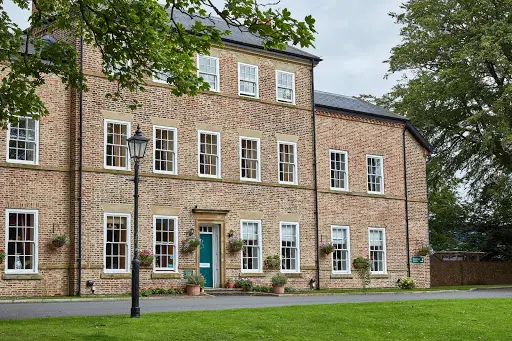
Hambleton Grange Care Home

At a Glance
The information you need to decide whether this home warrants a closer look.
Residential homes
Staff warmth score
of reviewers answered yes
Good to know
- Registered beds50
- SpecialismsCaring for adults over 65 yrs, Dementia
- Last inspected2019-04-16
Save Hambleton Grange Care Home to your shortlist
Keep a running list, add visit notes, and compare homes side-by-side. Free account — it takes a minute.
STAGE 4 — RESEARCHING CARE HOMES
Visit homes. Compare them side by side. Choose with confidence.
Most of us will view care homes the way we view houses, impression, atmosphere, the feeling in the corridor. We go home, try to remember what we saw, and make a permanent decision from a blurred memory.

The DCC shortlist gives every home you visit a structured record: the same twelve questions, answered the same way, every time. When you’re ready to choose, pull any two homes side by side and compare them directly. Same criteria, same evidence, your notes and your scores.
The Evidence
What the review data, the inspection reports, and the dementia-care evidence base tell us about this home.
What families say
Several families have noticed how staff take time to chat with residents throughout the day, helping new arrivals feel at ease. The atmosphere stays cheerful, with organised activities giving structure to the days and plenty of chances for residents to join in when they feel like it.
The eight family priority themes
- Staff warmth75
- Compassion & dignity75
- Cleanliness70
- Activities & engagement65
- Food quality65
- Healthcare70
- Management & leadership45
- Resident happiness70
What inspectors found
Inspected 2019-04-16
Is this home safe?
Is the care effective?
The Effective domain was rated Good at the February 2021 inspection. This domain covers whether staff have the right training, whether care plans are detailed and kept up to date, whether residents have regular access to GPs and other health professionals, and whether food meets individual dietary needs. The published summary does not provide specific detail on any of these areas. The named registered manager and nominated individual suggest a formal structure for overseeing effective care, though the Well-Led rating of Requires Improvement introduces some uncertainty about how consistently that oversight functions.Is this home caring?
The Caring domain was rated Good at the February 2021 inspection. This domain assesses whether staff treat residents with kindness, dignity, and respect, whether residents are supported to maintain independence, and whether privacy is protected. No specific inspector observations, resident quotes, or family testimony appear in the published summary. The Good rating indicates inspectors were satisfied with caring practice overall, but the absence of specific evidence means the rating cannot be further contextualised from this report alone.Is the home responsive?
The Responsive domain was rated Good at the February 2021 inspection. This domain covers whether care is tailored to individual needs, whether activities are meaningful and varied, whether the home responds to complaints, and whether end-of-life care is planned. No specific detail about activities provision, individual engagement, or complaints handling appears in the published summary. The Good rating suggests inspectors were satisfied with responsiveness overall, but without specific evidence it is not possible to say how the home performs on individual areas such as one-to-one engagement for people with advanced dementia.Is the home well-led?
The Well-Led domain was rated Requires Improvement at the February 2021 inspection, meaning inspectors found specific concerns about management, governance, or accountability that had not been fully resolved. This was the only domain not rated Good. The home has two named leaders: a registered manager and a nominated individual. A monitoring review in July 2023 found no evidence requiring a reassessment of the rating, but this does not confirm the issues have been resolved, only that no new concerns triggered a re-inspection. The specific nature of the Well-Led concerns is not described in the published summary.
Source: CQC inspection report →
What the evidence base says
Hambleton Grange looks after people over 65, including those living with dementia. The home welcomes residents with dementia, providing structured days with activities and consistent staff who get to know each person's preferences and routines. All areas worth probing directly during a visit.
The DCC Verdict
Our editorial view, built from the three lenses: what families tell us, what inspectors record, and how the home sits against good dementia-care practice.
DCC Family Score
Hambleton Grange scores well across care and staffing themes, reflecting four Good domain ratings, but the Requires Improvement in Well-Led pulls the overall score down and means leadership and governance need scrutiny before you commit.
Homes in Yorkshire & Humberside typically score 68–82.The three-lens summary
What families tell us
Several families have noticed how staff take time to chat with residents throughout the day, helping new arrivals feel at ease. The atmosphere stays cheerful, with organised activities giving structure to the days and plenty of chances for residents to join in when they feel like it.
What inspectors have recorded
Staff here come across as friendly and helpful during family visits, taking time to answer questions and keep relatives informed. While one family member who'd been visiting longer did mention their relative's care had ups and downs over time, the general picture is of attentive staff who know their residents.
How it sits against good practice
If you're considering Hambleton Grange, arranging a visit will give you the clearest picture of whether it feels right for your family.
Worth a visit
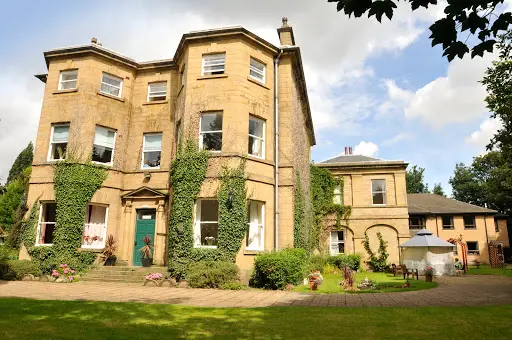
Hambleton Grange, on Station Road in Thirsk, was rated Good overall at its most recent inspection in February 2021, an improvement from its previous rating of Requires Improvement. Four of five inspection domains, Safe, Effective, Caring, and Responsive, were rated Good, which is a meaningful positive step for a 50-bed home specialising in dementia and older adult care. The improvement trajectory is encouraging and suggests the home responded to earlier concerns. The single significant flag is the Well-Led domain, which remained at Requires Improvement. This means inspectors found something in the management, governance, or accountability arrangements that was not yet working as it should. Because the inspection took place in early 2021, and the most recent published review (July 2023) found no reason to reassess the rating, you cannot be certain whether leadership has since strengthened or whether underlying issues persist. On your visit, ask the manager directly what the Requires Improvement finding related to, what has changed since, and whether a new inspection is expected. Ask also about manager tenure, as leadership stability is one of the strongest predictors of consistent care quality.
The three questions to ask when you visitSave this home. Compare it against your shortlist.
Let our analysis show you how Hambleton Grange Care Home measures up against the other homes you’re considering. Free account.
In Their Own Words
How Hambleton Grange Care Home describes itself — collected from its own website. DCC has not edited or independently verified the content in this tab.
Bright Yorkshire care home where residents find their rhythm
Compassionate Care in Thirsk at Hambleton Grange
There's something reassuring about walking into Hambleton Grange in Thirsk and finding it spotless, with the smell of proper cooking drifting from the kitchen. Families visiting here often mention how their relatives have settled into the daily rhythm of activities and mealtimes, finding their place in this Yorkshire care home.
Who they care for
Hambleton Grange looks after people over 65, including those living with dementia.
The home welcomes residents with dementia, providing structured days with activities and consistent staff who get to know each person's preferences and routines.
“If you're considering Hambleton Grange, arranging a visit will give you the clearest picture of whether it feels right for your family.”
DCC does not edit or curate content in this tab. For independently curated information, see The Evidence and DCC Verdict.
The DCC Verdict
Our editorial view, built from the three lenses: what families tell us, what inspectors record, and how the home sits against good dementia-care practice.
DCC Family Score
Hambleton Grange scores well across care and staffing themes, reflecting four Good domain ratings, but the Requires Improvement in Well-Led pulls the overall score down and means leadership and governance need scrutiny before you commit.
Homes in Yorkshire & Humberside typically score 68–82.The three-lens summary
What families tell us
Several families have noticed how staff take time to chat with residents throughout the day, helping new arrivals feel at ease. The atmosphere stays cheerful, with organised activities giving structure to the days and plenty of chances for residents to join in when they feel like it.
What inspectors have recorded
Staff here come across as friendly and helpful during family visits, taking time to answer questions and keep relatives informed. While one family member who'd been visiting longer did mention their relative's care had ups and downs over time, the general picture is of attentive staff who know their residents.
How it sits against good practice
If you're considering Hambleton Grange, arranging a visit will give you the clearest picture of whether it feels right for your family.
Worth a visit
Hambleton Grange, on Station Road in Thirsk, was rated Good overall at its most recent inspection in February 2021, an improvement from its previous rating of Requires Improvement. Four of five inspection domains, Safe, Effective, Caring, and Responsive, were rated Good, which is a meaningful positive step for a 50-bed home specialising in dementia and older adult care. The improvement trajectory is encouraging and suggests the home responded to earlier concerns. The single significant flag is the Well-Led domain, which remained at Requires Improvement. This means inspectors found something in the management, governance, or accountability arrangements that was not yet working as it should. Because the inspection took place in early 2021, and the most recent published review (July 2023) found no reason to reassess the rating, you cannot be certain whether leadership has since strengthened or whether underlying issues persist. On your visit, ask the manager directly what the Requires Improvement finding related to, what has changed since, and whether a new inspection is expected. Ask also about manager tenure, as leadership stability is one of the strongest predictors of consistent care quality.
The three questions to ask when you visitSave this home. Compare it against your shortlist.
Let our analysis show you how Hambleton Grange Care Home measures up against the other homes you’re considering. Free account.
In Their Own Words
How Hambleton Grange Care Home describes itself — collected from its own website. DCC has not edited or independently verified the content in this tab.
Bright Yorkshire care home where residents find their rhythm
Compassionate Care in Thirsk at Hambleton Grange
There's something reassuring about walking into Hambleton Grange in Thirsk and finding it spotless, with the smell of proper cooking drifting from the kitchen. Families visiting here often mention how their relatives have settled into the daily rhythm of activities and mealtimes, finding their place in this Yorkshire care home.
Who they care for
Hambleton Grange looks after people over 65, including those living with dementia.
The home welcomes residents with dementia, providing structured days with activities and consistent staff who get to know each person's preferences and routines.
Management & ethos
Staff here come across as friendly and helpful during family visits, taking time to answer questions and keep relatives informed. While one family member who'd been visiting longer did mention their relative's care had ups and downs over time, the general picture is of attentive staff who know their residents.
The home & environment
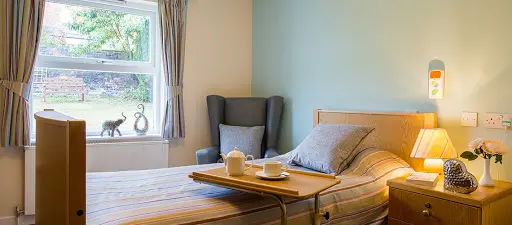
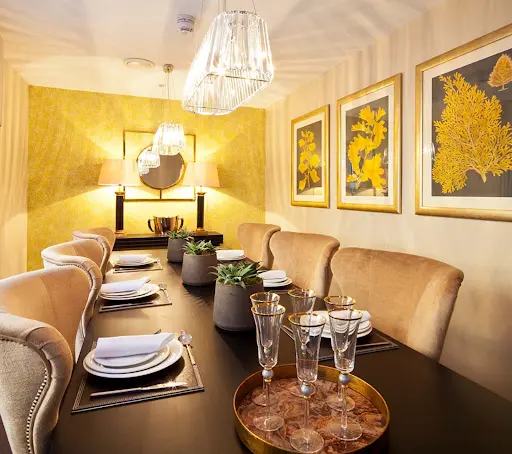
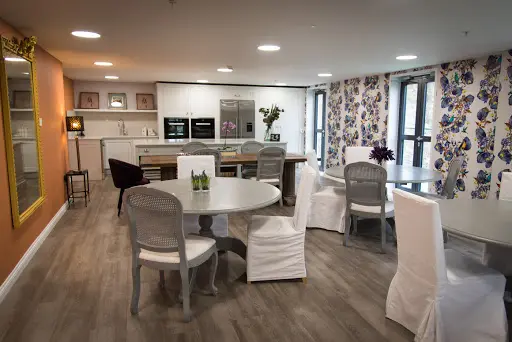
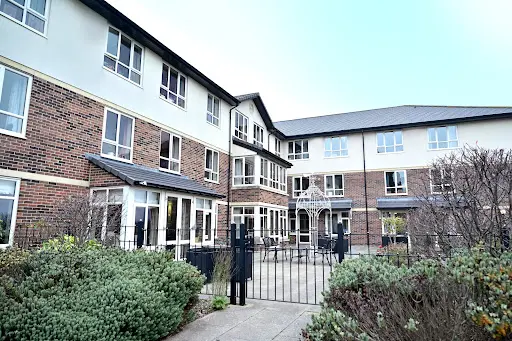
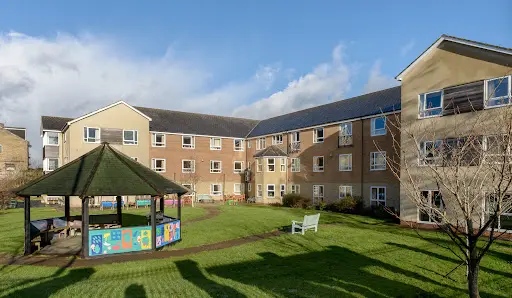
The kitchen serves up freshly cooked meals every day, with choices at mealtimes that families say their relatives genuinely enjoy. Visitors often comment on how clean and bright the spaces feel, without that institutional smell you sometimes get in care settings.
“If you're considering Hambleton Grange, arranging a visit will give you the clearest picture of whether it feels right for your family.”
DCC does not edit or curate content in this tab. For independently curated information, see The Evidence and DCC Verdict.