Greville House Care Home – Care UK
At a Glance
The information you need to decide whether this home warrants a closer look.
Nursing homes
Staff warmth score
of reviewers answered yes
Good to know
- Registered beds59
- SpecialismsCaring for adults over 65 yrs, Caring for adults under 65 yrs, Dementia, Learning disabilities, Mental health conditions, Physical disabilities
- Last inspected2023-04-13
Save Greville House Care Home – Care UK to your shortlist
Keep a running list, add visit notes, and compare homes side-by-side. Free account — it takes a minute.
STAGE 4 — RESEARCHING CARE HOMES
Visit homes. Compare them side by side. Choose with confidence.
Most of us will view care homes the way we view houses, impression, atmosphere, the feeling in the corridor. We go home, try to remember what we saw, and make a permanent decision from a blurred memory.

The DCC shortlist gives every home you visit a structured record: the same twelve questions, answered the same way, every time. When you’re ready to choose, pull any two homes side by side and compare them directly. Same criteria, same evidence, your notes and your scores.
The Evidence
What the review data, the inspection reports, and the dementia-care evidence base tell us about this home.
What families say
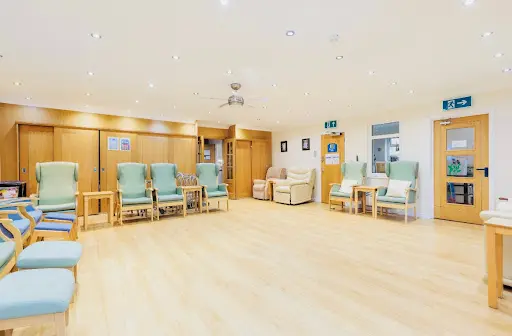
Families describe a real sense of connection here. They talk about staff who are genuinely engaged with residents, taking time to understand individual needs and preferences. The atmosphere feels comfortable and welcoming, with communal spaces where residents can relax and socialise.
The eight family priority themes
- Staff warmth52
- Compassion & dignity55
- Cleanliness55
- Activities & engagement52
- Food quality52
- Healthcare50
- Management & leadership65
- Resident happiness52
What inspectors found
Inspected 2023-04-13
Is this home safe?
Is the care effective?
The Effective domain was rated Good at the March 2023 inspection. The home lists dementia, learning disabilities, mental health conditions, and physical disabilities as specialisms, suggesting staff are expected to hold a range of skills. The published report does not include specific detail about training records, care plan content, GP access, or how the home monitors health conditions. No direct observations of care delivery or examples of effective practice were included in the published text.Is this home caring?
The Caring domain was rated Good at the March 2023 inspection. No direct inspector observations of staff interactions, no resident quotes, and no family testimony were included in the published text. The home cares for people with dementia and other complex conditions, so the quality of moment-to-moment interactions is particularly important. The published findings do not describe whether staff use preferred names, whether people are rushed, or how staff respond to distress.Is the home responsive?
The Responsive domain was rated Good at the March 2023 inspection. The home offers care for people with dementia, learning disabilities, mental health conditions, and physical disabilities, which suggests activities and engagement need to cater for a wide range of abilities. The published report does not describe the activity programme, individual engagement for people who cannot join groups, or how the home responds to complaints and changing needs. No resident or family views on responsiveness were included in the published text.Is the home well-led?
The Well-led domain was rated Good at the March 2023 inspection. The home has a named registered manager and a nominated individual recorded with the regulator. The home is operated by Care UK Community Partnerships Ltd, a large national provider. The published report does not describe the management culture, staff morale, how concerns are raised and acted on, or whether the manager is visible to residents and families on a day-to-day basis.
Source: CQC inspection report →
What the evidence base says
Greville House supports adults of all ages with complex needs including dementia, learning disabilities, mental health conditions, and physical disabilities. Their experience spans both younger adults under 65 and older residents, allowing them to adapt their approach to different life stages and conditions. For residents with dementia, the activities team works to find entertainment and engagement that suits each person's abilities. Staff understand that participation varies day to day, and they respect when someone prefers quiet time while still offering gentle encouragement. All areas worth probing directly during a visit.
The DCC Verdict
Our editorial view, built from the three lenses: what families tell us, what inspectors record, and how the home sits against good dementia-care practice.
DCC Family Score
Greville House scores 68 out of 100. Four of the five inspection domains were rated Good, but the Safety rating of Requires Improvement pulls the score down and means there are specific concerns you need to explore before making a decision.
Homes in London typically score 68–82.The three-lens summary
What families tell us
Families describe a real sense of connection here. They talk about staff who are genuinely engaged with residents, taking time to understand individual needs and preferences. The atmosphere feels comfortable and welcoming, with communal spaces where residents can relax and socialise.
What inspectors have recorded
The management team keeps an open-door policy that families appreciate. They stay in regular contact about how residents are doing, and families know they can reach senior staff when they need to. This accessibility helps build trust during what can be an anxious time.
How it sits against good practice
Every family's journey is different, and finding the right fit takes time. A visit to Greville House will help you understand whether their approach feels right for your loved one.
Worth a visit
Greville House in Richmond was rated Good overall at its inspection in March 2023, with Good ratings in Effective, Caring, Responsive, and Well-led. The home is run by Care UK Community Partnerships Ltd and cares for up to 59 people across a range of needs including dementia, mental health conditions, learning disabilities, and physical disabilities. The published inspection report is brief and does not include the detailed narrative, direct observations, or resident and family quotes that would allow a fuller picture of day-to-day life here. The most important concern to raise before you visit is the Requires Improvement rating in the Safe domain. The published text does not explain what specifically caused this rating, so you will need to ask the manager directly what the inspectors found, what has been changed since, and what evidence now exists that the concern has been addressed. Ask to see the actual staffing rota from a recent week, including nights, and ask how many of those shifts were covered by permanent staff rather than agency workers.
The three questions to ask when you visitSave this home. Compare it against your shortlist.
Let our analysis show you how Greville House Care Home – Care UK measures up against the other homes you’re considering. Free account.
In Their Own Words
How Greville House Care Home – Care UK describes itself — collected from its own website. DCC has not edited or independently verified the content in this tab.
Where kindness meets experience in Richmond dementia care
Nursing home in Richmond: True Peace of Mind
When you're searching for the right care, you need to know what really matters. Greville House in Richmond brings together experienced staff who understand the complexities of dementia, learning disabilities, and mental health conditions. Families tell us they value the genuine engagement they see here — from nursing teams who notice the small things to activity coordinators who find ways to connect.
Who they care for
Greville House supports adults of all ages with complex needs including dementia, learning disabilities, mental health conditions, and physical disabilities. Their experience spans both younger adults under 65 and older residents, allowing them to adapt their approach to different life stages and conditions.
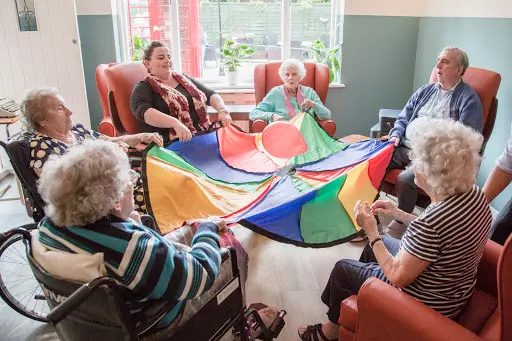
For residents with dementia, the activities team works to find entertainment and engagement that suits each person's abilities. Staff understand that participation varies day to day, and they respect when someone prefers quiet time while still offering gentle encouragement.
“Every family's journey is different, and finding the right fit takes time. A visit to Greville House will help you understand whether their approach feels right for your loved one.”
DCC does not edit or curate content in this tab. For independently curated information, see The Evidence and DCC Verdict.
The DCC Verdict
Our editorial view, built from the three lenses: what families tell us, what inspectors record, and how the home sits against good dementia-care practice.
DCC Family Score
Greville House scores 68 out of 100. Four of the five inspection domains were rated Good, but the Safety rating of Requires Improvement pulls the score down and means there are specific concerns you need to explore before making a decision.
Homes in London typically score 68–82.The three-lens summary
What families tell us
Families describe a real sense of connection here. They talk about staff who are genuinely engaged with residents, taking time to understand individual needs and preferences. The atmosphere feels comfortable and welcoming, with communal spaces where residents can relax and socialise.
What inspectors have recorded
The management team keeps an open-door policy that families appreciate. They stay in regular contact about how residents are doing, and families know they can reach senior staff when they need to. This accessibility helps build trust during what can be an anxious time.
How it sits against good practice
Every family's journey is different, and finding the right fit takes time. A visit to Greville House will help you understand whether their approach feels right for your loved one.
Worth a visit
Greville House in Richmond was rated Good overall at its inspection in March 2023, with Good ratings in Effective, Caring, Responsive, and Well-led. The home is run by Care UK Community Partnerships Ltd and cares for up to 59 people across a range of needs including dementia, mental health conditions, learning disabilities, and physical disabilities. The published inspection report is brief and does not include the detailed narrative, direct observations, or resident and family quotes that would allow a fuller picture of day-to-day life here. The most important concern to raise before you visit is the Requires Improvement rating in the Safe domain. The published text does not explain what specifically caused this rating, so you will need to ask the manager directly what the inspectors found, what has been changed since, and what evidence now exists that the concern has been addressed. Ask to see the actual staffing rota from a recent week, including nights, and ask how many of those shifts were covered by permanent staff rather than agency workers.
The three questions to ask when you visitSave this home. Compare it against your shortlist.
Let our analysis show you how Greville House Care Home – Care UK measures up against the other homes you’re considering. Free account.
In Their Own Words
How Greville House Care Home – Care UK describes itself — collected from its own website. DCC has not edited or independently verified the content in this tab.
Where kindness meets experience in Richmond dementia care
Nursing home in Richmond: True Peace of Mind
When you're searching for the right care, you need to know what really matters. Greville House in Richmond brings together experienced staff who understand the complexities of dementia, learning disabilities, and mental health conditions. Families tell us they value the genuine engagement they see here — from nursing teams who notice the small things to activity coordinators who find ways to connect.
Who they care for
Greville House supports adults of all ages with complex needs including dementia, learning disabilities, mental health conditions, and physical disabilities. Their experience spans both younger adults under 65 and older residents, allowing them to adapt their approach to different life stages and conditions.
For residents with dementia, the activities team works to find entertainment and engagement that suits each person's abilities. Staff understand that participation varies day to day, and they respect when someone prefers quiet time while still offering gentle encouragement.
Management & ethos
The management team keeps an open-door policy that families appreciate. They stay in regular contact about how residents are doing, and families know they can reach senior staff when they need to. This accessibility helps build trust during what can be an anxious time.
The home & environment
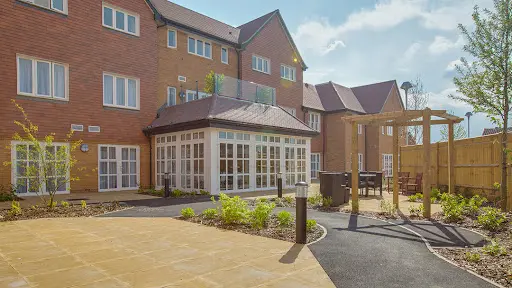
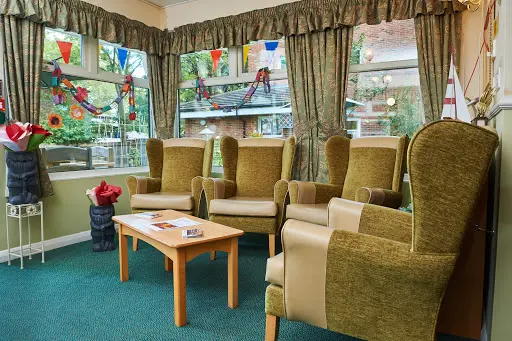
The home maintains high standards of cleanliness throughout, with comfortable furnishings in the communal areas. Families particularly appreciate the kitchen's flexibility — the chef works with individual dietary needs and preferences, and residents seem to genuinely enjoy their meals.
“Every family's journey is different, and finding the right fit takes time. A visit to Greville House will help you understand whether their approach feels right for your loved one.”
DCC does not edit or curate content in this tab. For independently curated information, see The Evidence and DCC Verdict.