Florence Shipley Residential & Community Care Centre
At a Glance
The information you need to decide whether this home warrants a closer look.
Residential homes
Staff warmth score
of reviewers answered yes
Good to know
- Registered beds32
- SpecialismsCaring for adults over 65 yrs, Caring for adults under 65 yrs, Dementia, Mental health conditions, Physical disabilities, Sensory impairment
- Last inspected2022-09-22
Save Florence Shipley Residential & Community Care Centre to your shortlist
Keep a running list, add visit notes, and compare homes side-by-side. Free account — it takes a minute.
STAGE 4 — RESEARCHING CARE HOMES
Visit homes. Compare them side by side. Choose with confidence.
Most of us will view care homes the way we view houses, impression, atmosphere, the feeling in the corridor. We go home, try to remember what we saw, and make a permanent decision from a blurred memory.

The DCC shortlist gives every home you visit a structured record: the same twelve questions, answered the same way, every time. When you’re ready to choose, pull any two homes side by side and compare them directly. Same criteria, same evidence, your notes and your scores.
The Evidence
What the review data, the inspection reports, and the dementia-care evidence base tell us about this home.
What families say
Families describe walking into a place that feels genuinely welcoming. The atmosphere strikes visitors as warm and approachable, with staff who take time to chat and residents who seem content in their surroundings. That first impression of friendliness appears to last.
The eight family priority themes
- Staff warmth72
- Compassion & dignity72
- Cleanliness70
- Activities & engagement65
- Food quality65
- Healthcare68
- Management & leadership75
- Resident happiness70
What inspectors found
Inspected 2022-09-22
Is this home safe?
Is the care effective?
The Effective domain was rated Good at the August 2022 inspection. This domain covers whether staff have the right training and skills, whether care plans are detailed and kept up to date, whether residents have good access to GPs and other health professionals, and whether nutrition and hydration needs are met. Dementia is listed as a specialism, which means inspectors will have considered whether staff training and care planning are appropriate for people living with dementia. No specific training content, care plan examples, or healthcare access details are described in the published text.Is this home caring?
The Caring domain was rated Good at the August 2022 inspection, covering staff warmth, dignity, respect, and support for independence. This is the domain most directly tied to what families notice on a visit. The published text does not include inspector observations of staff interactions, descriptions of how residents were addressed, or quotes from residents or relatives. The improvement from Requires Improvement to Good across the whole inspection suggests a genuine positive shift in the culture of care, but the evidence behind this specific domain rating is not available in the published summary.Is the home responsive?
The Responsive domain was rated Good at the August 2022 inspection. This domain covers whether the home tailors care to individual needs and preferences, whether there is a meaningful activities programme, and whether end-of-life care is planned and personalised. The home supports people with a range of needs including dementia, mental health conditions, and physical and sensory disabilities. No specific detail on activity provision, individual engagement for residents who cannot join groups, or end-of-life planning is included in the published summary.Is the home well-led?
The Well-led domain was rated Good at the August 2022 inspection, and the home improved from a previous Requires Improvement rating across the board, which implies meaningful leadership-driven change. The registered manager is named as Paul Morris, with Simon Stevens as nominated individual, indicating a clear accountability structure. Derbyshire County Council runs the home. The published summary does not describe the manager's day-to-day visibility, how staff are supported or supervised, or how the home handles complaints and learning from incidents.
Source: CQC inspection report →
What the evidence base says
Florence Shipley supports people with sensory impairments, physical disabilities and mental health conditions, alongside dementia care. They welcome both younger adults under 65 and older residents. The home provides dementia support as part of their specialist services. They work with residents experiencing various stages of memory loss alongside other complex needs. All areas worth probing directly during a visit.
The DCC Verdict
Our editorial view, built from the three lenses: what families tell us, what inspectors record, and how the home sits against good dementia-care practice.
DCC Family Score
Florence Shipley achieved a Good rating across all five domains at its last inspection in August 2022, an improvement from its previous Requires Improvement rating. Scores reflect the positive overall picture but sit in the mid-range because the published report text does not provide specific inspector observations, resident testimony, or detailed examples to verify individual care practices.
Homes in East Midlands typically score 68–82.The three-lens summary
What families tell us
Families describe walking into a place that feels genuinely welcoming. The atmosphere strikes visitors as warm and approachable, with staff who take time to chat and residents who seem content in their surroundings. That first impression of friendliness appears to last.
What inspectors have recorded
Staff here seem to understand what matters most. Families talk about care workers who stay present during the hardest times — visiting residents in hospital, being there at the end. It's the kind of support that goes beyond routine care tasks.
How it sits against good practice
If you're weighing up options, visiting Florence Shipley might help you get a feel for whether it's right for your family.
Worth a visit
Florence Shipley Residential and Community Care Centre, in the centre of Heanor, was rated Good across all five inspection domains at its last inspection in August 2022. This is a meaningful result because the home had previously been rated Requires Improvement, meaning inspectors found real and demonstrable progress across safety, care quality, management, and responsiveness. The home is run by Derbyshire County Council and cares for up to 32 people, including those living with dementia, mental health conditions, physical disabilities, and sensory impairment. The main uncertainty here is that the published inspection report contains very little specific detail: no inspector observations of day-to-day care, no resident or family quotes, and no breakdown of individual findings by domain. This means the Good rating is confirmed but cannot be brought to life with the kind of concrete evidence that would give you real confidence. Before making a decision, visit in person, ask to see last week's actual staffing rota, speak to a relative of someone who already lives there, and observe a mealtime. Pay particular attention to how staff interact with residents who have dementia and whether the pace of care feels unhurried.
The three questions to ask when you visitSave this home. Compare it against your shortlist.
Let our analysis show you how Florence Shipley Residential & Community Care Centre measures up against the other homes you’re considering. Free account.
In Their Own Words
How Florence Shipley Residential & Community Care Centre describes itself — collected from its own website. DCC has not edited or independently verified the content in this tab.
Where dancing with staff brings back the spark of life
Florence Shipley Residential and Community – Expert Care in Heanor
Sometimes the smallest gestures mean everything. Florence Shipley in Heanor creates moments that matter — staff who'll sit with residents through difficult nights, join in spontaneous dancing, or simply share a laugh over tea. It's this genuine emotional connection that families remember most.
Who they care for
Florence Shipley supports people with sensory impairments, physical disabilities and mental health conditions, alongside dementia care. They welcome both younger adults under 65 and older residents.
The home provides dementia support as part of their specialist services. They work with residents experiencing various stages of memory loss alongside other complex needs.
“If you're weighing up options, visiting Florence Shipley might help you get a feel for whether it's right for your family.”
DCC does not edit or curate content in this tab. For independently curated information, see The Evidence and DCC Verdict.
The DCC Verdict
Our editorial view, built from the three lenses: what families tell us, what inspectors record, and how the home sits against good dementia-care practice.
DCC Family Score
Florence Shipley achieved a Good rating across all five domains at its last inspection in August 2022, an improvement from its previous Requires Improvement rating. Scores reflect the positive overall picture but sit in the mid-range because the published report text does not provide specific inspector observations, resident testimony, or detailed examples to verify individual care practices.
Homes in East Midlands typically score 68–82.The three-lens summary
What families tell us
Families describe walking into a place that feels genuinely welcoming. The atmosphere strikes visitors as warm and approachable, with staff who take time to chat and residents who seem content in their surroundings. That first impression of friendliness appears to last.
What inspectors have recorded
Staff here seem to understand what matters most. Families talk about care workers who stay present during the hardest times — visiting residents in hospital, being there at the end. It's the kind of support that goes beyond routine care tasks.
How it sits against good practice
If you're weighing up options, visiting Florence Shipley might help you get a feel for whether it's right for your family.
Worth a visit
Florence Shipley Residential and Community Care Centre, in the centre of Heanor, was rated Good across all five inspection domains at its last inspection in August 2022. This is a meaningful result because the home had previously been rated Requires Improvement, meaning inspectors found real and demonstrable progress across safety, care quality, management, and responsiveness. The home is run by Derbyshire County Council and cares for up to 32 people, including those living with dementia, mental health conditions, physical disabilities, and sensory impairment. The main uncertainty here is that the published inspection report contains very little specific detail: no inspector observations of day-to-day care, no resident or family quotes, and no breakdown of individual findings by domain. This means the Good rating is confirmed but cannot be brought to life with the kind of concrete evidence that would give you real confidence. Before making a decision, visit in person, ask to see last week's actual staffing rota, speak to a relative of someone who already lives there, and observe a mealtime. Pay particular attention to how staff interact with residents who have dementia and whether the pace of care feels unhurried.
The three questions to ask when you visitSave this home. Compare it against your shortlist.
Let our analysis show you how Florence Shipley Residential & Community Care Centre measures up against the other homes you’re considering. Free account.
In Their Own Words
How Florence Shipley Residential & Community Care Centre describes itself — collected from its own website. DCC has not edited or independently verified the content in this tab.
Where dancing with staff brings back the spark of life
Florence Shipley Residential and Community – Expert Care in Heanor
Sometimes the smallest gestures mean everything. Florence Shipley in Heanor creates moments that matter — staff who'll sit with residents through difficult nights, join in spontaneous dancing, or simply share a laugh over tea. It's this genuine emotional connection that families remember most.
Who they care for
Florence Shipley supports people with sensory impairments, physical disabilities and mental health conditions, alongside dementia care. They welcome both younger adults under 65 and older residents.
The home provides dementia support as part of their specialist services. They work with residents experiencing various stages of memory loss alongside other complex needs.
Management & ethos
Staff here seem to understand what matters most. Families talk about care workers who stay present during the hardest times — visiting residents in hospital, being there at the end. It's the kind of support that goes beyond routine care tasks.
The home & environment
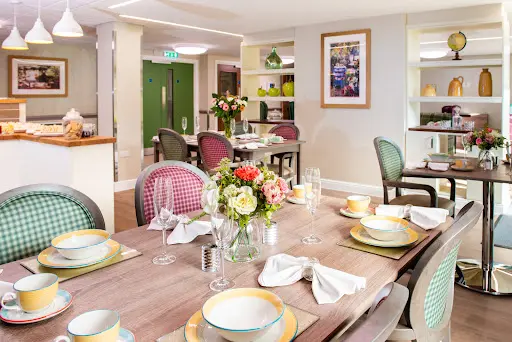
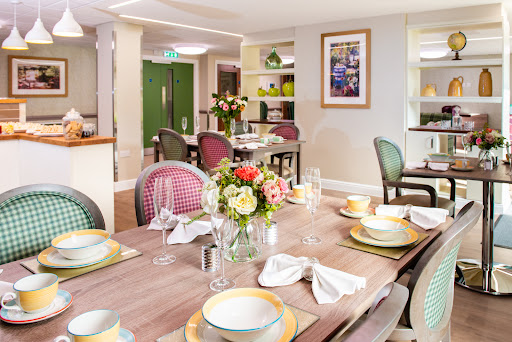
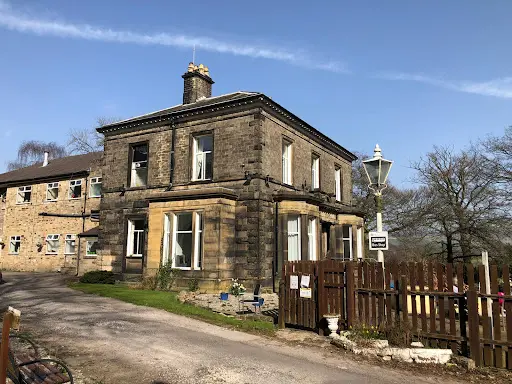
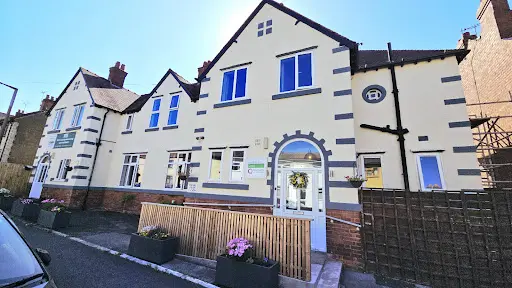
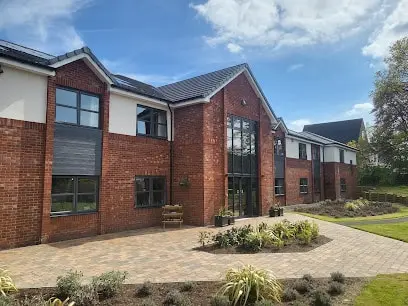
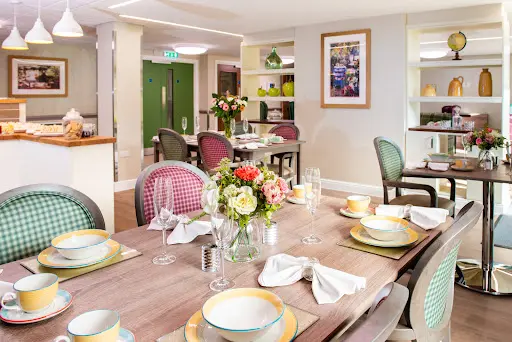
The building itself gets consistent praise. People mention bright, clean spaces with comfortable communal areas and nice views of the grounds. There's a cafe that residents and visitors use, adding to the sense of normal daily life continuing.
“If you're weighing up options, visiting Florence Shipley might help you get a feel for whether it's right for your family.”
DCC does not edit or curate content in this tab. For independently curated information, see The Evidence and DCC Verdict.